- Easy
- 35 min
- 2 serv.
- 8 synergies
- Now at its best: Garlic
An aromatic Thai curry with tender chicken pieces, eggplant and bell pepper in a creamy coconut sauce. Richly spiced with galangal, lemongrass and kaffir lime.
The bright green sauce fills the kitchen with lemongrass and kaffir lime the moment the curry paste hits the hot wok. Tender chicken pieces and soft eggplant soak up the creamy coconut, while strips of red bell pepper add color and a gentle sweetness. The balance of fish sauce, lime juice and honey creates that quintessential Thai interplay of salty, sour and sweet. A handful of fresh Thai basil stirred in at the very end — its anise-like aroma rises instantly from the heat.
- 15
- min prep
- 20
- min cook
- 35
- min total
Nutritional Synergies
This recipe combines ingredients that enhance each other:
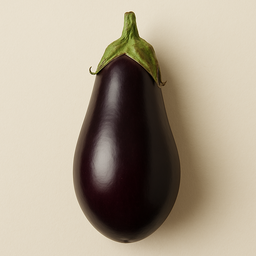 Eggplant
 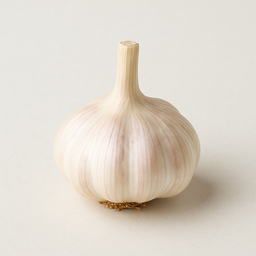 Garlic
 Chlorogenic acid + allicin: complementary NF-κB modulation
Technical: Eggplant contains chlorogenic acid (NF-κB modulation) and nasunin (iron chelator influencing lipid peroxidation). Garlic's allicin (formed when cut) has bioactive action via thiol enzyme inhibition. Together they modulate NF-κB signaling through complementary pathways.
What does this mean for you? Baba ganoush or imam bayıldı — classic combinations that have existed for centuries. Cut garlic 10 minutes before heating for maximum allicin formation.
Immune SystemAnti-inflammatory
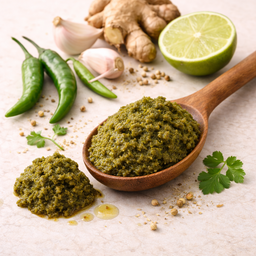 Green Curry Paste
 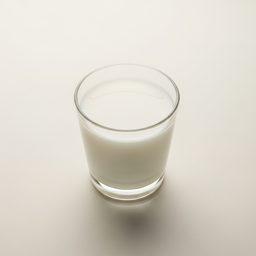 Coconut Milk
 Capsaicin + MCT fats for optimal spice absorption
Technical: Green curry paste contains galangal (ACA antioxidant), lemongrass (citral), kaffir lime (citronellol), green peppers (capsaicin) and coriander roots. All these active compounds are partially fat-soluble. Coconut milk's MCTs (15% of fats) and lauric acid (48%) form micelles that increase bioavailability 3-5x. Capsaicin dissolves completely in coconut fat, extending the thermogenic response.
What does this mean for you? Green curry with coconut milk isn't just a classic combination — it's scientifically optimized. The coconut milk dissolves the active compounds from the paste so your body can use them.
Anti-inflammatoryImmune SystemDigestion
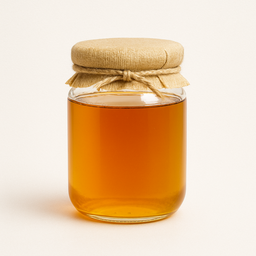 Honey
Honey 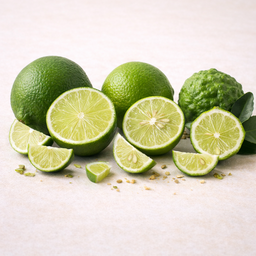 Lime
Lime Honey enzymes + vitamin C for dual immune support
Technical: Honey's glucose oxidase generates hydrogen peroxide with bioactive action. Lime's vitamin C (ascorbic acid) is a powerful antioxidant that directly supports immune cells. Together they provide both direct bioactive action and immune cell activation.
What does this mean for you? Honey-lime drink is a classic combination for good reason — it works through two different pathways for your immune support.
Immune SystemEnergyAnti-inflammatory
Garlic Honey Fermented: allicin + bee defensin in traditional condiment
Technical: Raw garlic contains alliin converted by alliinase to allicin — an organosulfur compound with bioactive properties — when cut. Raw honey contains hydrogen peroxide, bee defensin-1 and methylglyoxal. Fermenting garlic in honey increases bioavailability of S-allylcysteine (SAC), a more stable bioactive metabolite.
What does this mean for you? Submerge raw garlic cloves in raw honey and ferment for 2-4 weeks. You get a traditional condiment with concentrated bioactive compounds — an ancient fermentation technique that increases bioavailability.
Immune System
Coconut Milk Honey MCTs + prebiotics for gut flora and energy
Technical: Coconut milk contains lauric acid (MCT) that is quickly converted to energy. Honey contains prebiotic oligosaccharides (FOS) feeding beneficial gut bacteria. The combination offers quick energy plus gut flora support.
What does this mean for you? Add honey to coconut milk-based smoothies, chia puddings or warm drinks. The MCTs provide quick energy while the prebiotics feed your gut flora.
EnergyDigestionImmune System
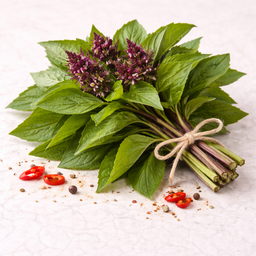 Thai Basil Coconut Milk
 Eugenol + lauric acid for broad bioactive action
Technical: Thai basil contains eugenol (15-25%) and estragole — bioactive phenolic compounds that disrupt cell walls of microorganisms. Coconut milk provides lauric acid — an MCT with independent bioactive action via lipid envelope disruption. Ginger adds gingerol. Together: three bioactive mechanisms in one dish.
What does this mean for you? Use Thai basil with coconut milk and ginger in Thai curries. The three ingredients together offer broad bioactive action through three different routes.
Immune SystemDigestion
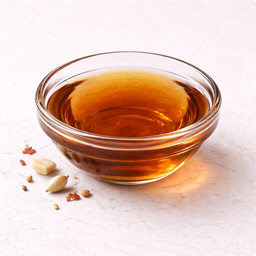 Fish Sauce Garlic
 Fermented umami + allicin for immunity and flavor
Technical: Fish sauce contains fermented amino acids (glutamate, histidine) and bioactive peptides from long fermentation. Garlic's allicin offers bioactive action. The fermented compounds support the gut microbiome while allicin provides a complementary bioactive profile.
What does this mean for you? Combine fish sauce and garlic as base for Asian stir-fries, marinades and dressings. This is the fundamental flavor base of Thai and Vietnamese cuisine.
Immune SystemDigestion
Fish Sauce Lime Umami + acid for perfect Thai balance
Technical: Fish sauce contains free glutamate (umami) from prolonged fish fermentation. Lime contains citric acid that lowers pH and enhances umami flavor perception. Citric acid also stimulates saliva and gastric acid production, improving protein digestion from the dish.
What does this mean for you? Combine fish sauce with lime as base for Thai dressings and dipping sauces. The acid from lime intensifies the umami from fish sauce — the core of Thai cuisine.
Digestion
Instructions
- 1 Heat a wok over high heat. Scoop 2 tablespoons of thick coconut cream from the can and fry the garlic and curry paste in it for 1 minute until fragrant.
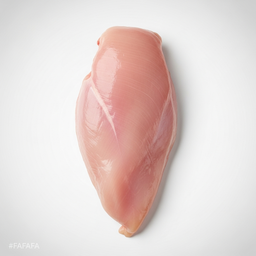
- 2 Add the chicken pieces and sear on all sides over high heat, about 3 minutes.
Nutrition per serving
Indicative values per serving.
Timing & Suitability
Shelf life: 3 days in fridge
Tags & Diet
Allergens: Fish