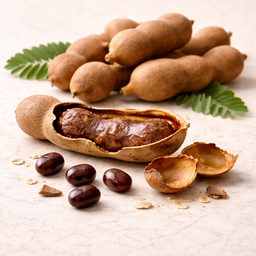
Tamarind
Sweet-sour tropical ingredient with tartaric acid and polyphenols
What is this ingredient?
Tamarind (Tamarindus indica) is a tropical pod fruit with sticky pulp that tastes sour, sweet and deeply fruity. The pulp has been used for centuries in Asian, African and Latin American cuisines, from chutneys and curries to drinks, marinades and sauces.
Its flavor comes mainly from natural organic acids, including tartaric acid. Tamarind also contains fiber, minerals such as potassium and magnesium, and several polyphenols such as proanthocyanidins. Research on tamarind mainly looks at the composition of these plant compounds, antioxidant capacity in laboratory models and how extracts behave in preclinical studies.
Culinarily, tamarind is useful because it tastes sour, fruity and savory-deep at the same time. A small amount of paste can make a sauce rounder without needing much sugar or extra salt. Use it in pad Thai, sambar, chutney, peanut sauce, tamarind water or as a bright counterpoint in stews.
How does it taste?
Sweet-sour with a deep, plum-like fruitiness and mild sharpness.
Pairs well with:
Pairs well with dateschilicoconutpeanut and cilantro.
Did you know...?
- Tamarind means 'Indian date' in Arabic (tamr hindi), although it originates from Africa.
- Tamarind is used to polish copper objects in India due to its high acid content.
Nutritional Value & Energy
Per 100g
Tamarind provides energy thanks to natural nutrients , buffered by fiber.
Per 100g
Minerals
Vitamins
Omega-3 fatty acids
More nutrients
B-Vitamins
Trace Minerals
What's in a serving?
1 serving
Tamarind naturally contains potassium (628 mg per 100 g).
Tamarind naturally contains magnesium (92 mg per 100 g).
Tamarind naturally contains phosphorus (113 mg per 100 g).
Tamarind naturally contains iron (2.8 mg per 100 g).
% of daily reference intake (DRI)
EU-approved nutrition claims
This ingredient contains nutrients for which EFSA-authorized health claims exist (at nutrient level, not ingredient-specific).
Approved health claims (EU)
Magnesium EU 432/2012
Magnesium contributes to normal muscle function
Contains 92mg/100g (threshold: ≥56.25mg/100g)
Magnesium EU 432/2012
Magnesium contributes to the reduction of tiredness and fatigue
Contains 92mg/100g (threshold: ≥56.25mg/100g)
Magnesium EU 432/2012
Magnesium contributes to normal functioning of the nervous system
Contains 92mg/100g (threshold: ≥56.25mg/100g)
Iron EU 432/2012
Iron contributes to normal energy-yielding metabolism
Contains 2.8mg/100g (threshold: ≥2.1mg/100g)
Iron EU 432/2012
Iron contributes to the reduction of tiredness and fatigue
Contains 2.8mg/100g (threshold: ≥2.1mg/100g)
Potassium EU 432/2012
Potassium contributes to the maintenance of normal blood pressure
Contains 628mg/100g (threshold: ≥300mg/100g)
Thiamin EU 432/2012
Thiamine contributes to normal energy-yielding metabolism
Contains 0.43mg/100g (threshold: ≥0.165mg/100g)
Thiamin EU 432/2012
Thiamine contributes to the normal function of the heart
Contains 0.43mg/100g (threshold: ≥0.165mg/100g)
Thiamin EU 432/2012
Thiamine contributes to normal functioning of the nervous system
Contains 0.43mg/100g (threshold: ≥0.165mg/100g)
Thiamin EU 432/2012
Thiamine contributes to normal psychological function
Contains 0.43mg/100g (threshold: ≥0.165mg/100g)
Phosphorus EU 432/2012
Phosphorus contributes to normal energy-yielding metabolism
Contains 113mg/100g (threshold: ≥105mg/100g)
Phosphorus EU 432/2012
Phosphorus contributes to the normal function of cell membranes
Contains 113mg/100g (threshold: ≥105mg/100g)
Phosphorus EU 432/2012
Phosphorus contributes to the maintenance of normal bones
Contains 113mg/100g (threshold: ≥105mg/100g)
Phosphorus EU 432/2012
Phosphorus contributes to the maintenance of normal teeth
Contains 113mg/100g (threshold: ≥105mg/100g)
Magnesium EU 432/2012
Magnesium contributes to normal energy-yielding metabolism
Contains 92mg/100g (threshold: ≥56.25mg/100g)
Magnesium EU 432/2012
Magnesium contributes to electrolyte balance
Contains 92mg/100g (threshold: ≥56.25mg/100g)
Magnesium EU 432/2012
Magnesium contributes to normal protein synthesis
Contains 92mg/100g (threshold: ≥56.25mg/100g)
Magnesium EU 432/2012
Magnesium contributes to normal psychological function
Contains 92mg/100g (threshold: ≥56.25mg/100g)
Magnesium EU 432/2012
Magnesium contributes to the maintenance of normal bones
Contains 92mg/100g (threshold: ≥56.25mg/100g)
Magnesium EU 432/2012
Magnesium contributes to the maintenance of normal teeth
Contains 92mg/100g (threshold: ≥56.25mg/100g)
Magnesium EU 432/2012
Magnesium has a role in the process of cell division
Contains 92mg/100g (threshold: ≥56.25mg/100g)
Iron EU 432/2012
Iron contributes to normal cognitive function
Contains 2.8mg/100g (threshold: ≥2.1mg/100g)
Iron EU 432/2012
Iron contributes to normal formation of red blood cells and haemoglobin
Contains 2.8mg/100g (threshold: ≥2.1mg/100g)
Iron EU 432/2012
Iron contributes to normal oxygen transport in the body
Contains 2.8mg/100g (threshold: ≥2.1mg/100g)
Iron EU 432/2012
Iron contributes to the normal function of the immune system
Contains 2.8mg/100g (threshold: ≥2.1mg/100g)
Iron EU 432/2012
Iron has a role in the process of cell division
Contains 2.8mg/100g (threshold: ≥2.1mg/100g)
Potassium EU 432/2012
Potassium contributes to normal functioning of the nervous system
Contains 628mg/100g (threshold: ≥300mg/100g)
Potassium EU 432/2012
Potassium contributes to normal muscle function
Contains 628mg/100g (threshold: ≥300mg/100g)
Comparison
vsbanaan
Tamarind contains about 2× more potassium per 100g than banana.
What's being researched?
Tamarind and digestion
Tamarind is studied for its tartaric acid, fiber and polyphenols. Most data come from composition research, laboratory models and preclinical studies; culinary use remains the most practical context.
Supported by: [4] Meena SZ (2018)
Good Combinations (Synergy)
Combine tamarind smartly to enhance the effect:
Tamarind 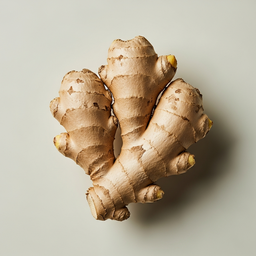 Ginger
 Tartaric acid + gingerols for GI tract and bioactive support
Technical: Tamarind's tartaric acid acts as a mild laxative by drawing water into the intestine (osmotic effect). Ginger's gingerols promote peristalsis via prokinetic action. Together they promote intestinal transit via two complementary mechanisms: osmotic (tamarind) + mechanical (ginger). Both also offer bioactive support: tartaric acid modulates NF-kB, gingerols modulate COX-2.
What does this mean for you? Tamarind-ginger drink is a South Asian digestive aid. Mix tamarind pulp with grated ginger in warm water after a heavy meal for smooth digestion.
Tamarind 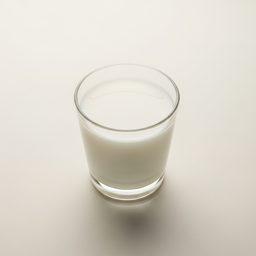 Coconut Milk
 Acid + fat + protein for satay sauce perfection
Technical: Tamarind contains tartaric acid that lowers stomach pH and promotes pepsinogen (protein digestion enzyme) activity. Peanut provides 25g protein and healthy fats. Coconut milk's MCTs improve absorption of fat-soluble compounds. The acid + protein + fat trio optimizes nutrient absorption from the entire dish.
What does this mean for you? Make satay sauce with tamarind, peanut and coconut milk. The acid from tamarind helps better digest proteins from peanut — traditional Indonesian nutritional wisdom.
Tamarind 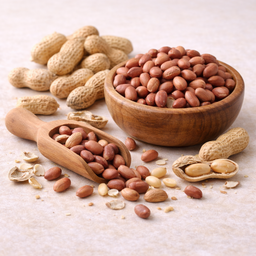 Peanuts
 Acid + fat + protein for satay sauce perfection
Technical: Tamarind contains tartaric acid that lowers stomach pH and promotes pepsinogen (protein digestion enzyme) activity. Peanut provides 25g protein and healthy fats. Coconut milk's MCTs improve absorption of fat-soluble compounds. The acid + protein + fat trio optimizes nutrient absorption from the entire dish.
What does this mean for you? Make satay sauce with tamarind, peanut and coconut milk. The acid from tamarind helps better digest proteins from peanut — traditional Indonesian nutritional wisdom.
Tamarind 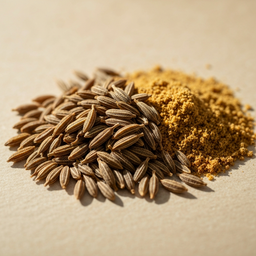 Cumin
Cumin Tartaric acid + cuminaldehyde for digestion and iron
Technical: Tamarind contains tartaric acid (8-14%) that lowers stomach pH and improves iron absorption. Tamarind is also one of the richest plant sources of iron (2.8mg/100g) and magnesium (92mg). Cumin's cuminaldehyde stimulates pancreatic enzymes by 20-30%. Tartaric acid chelates iron from both sources into soluble forms. The combination is the base of Indian chutneys and rasam soup.
What does this mean for you? Tamarind-cumin chutney or rasam is an Indian digestive aid that's scientifically supported. The sour + spicy profile stimulates every phase of digestion.
Recipes with Tamarind
Discover delicious recipes featuring tamarind:
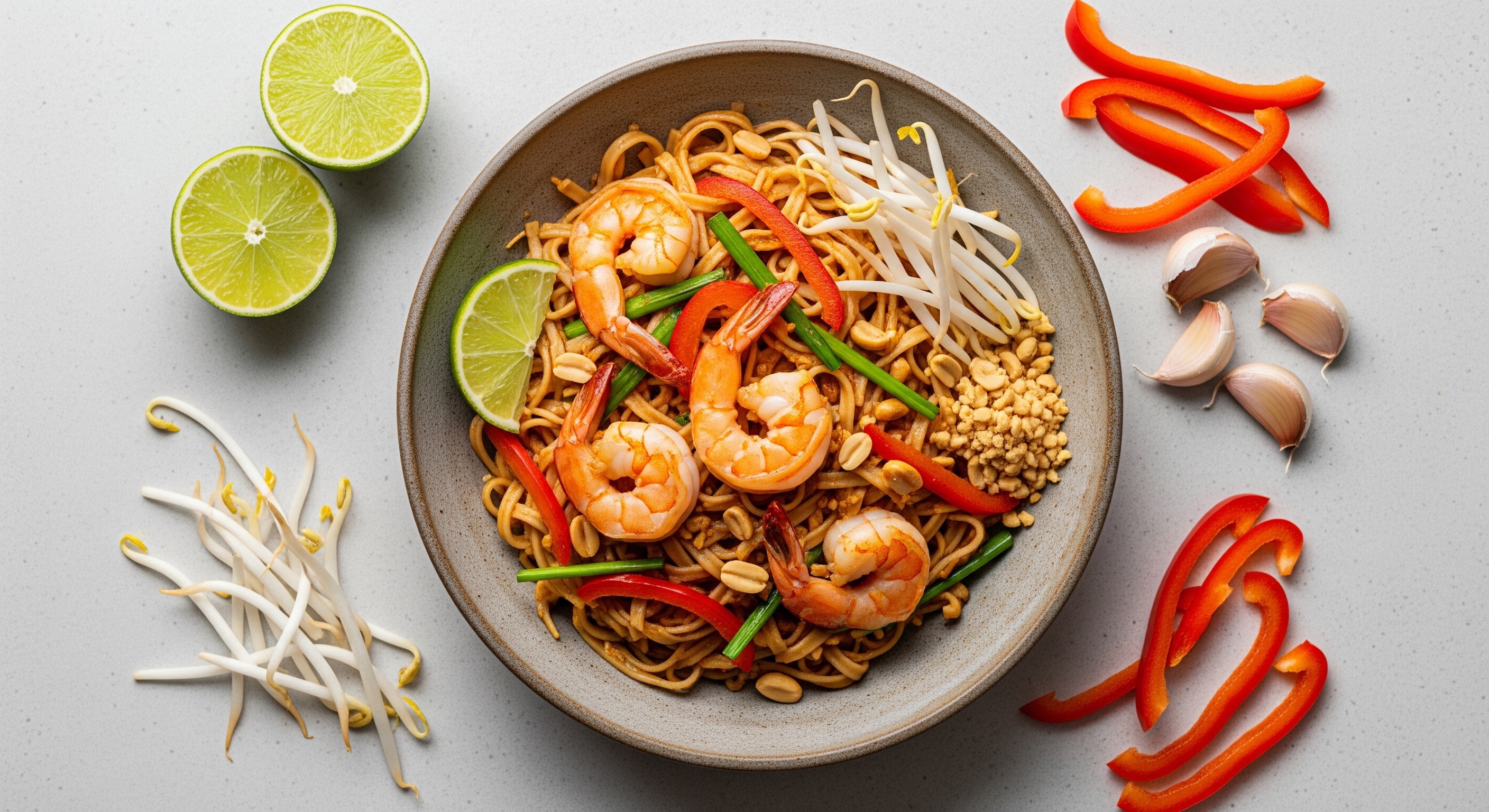 Shrimp Pad Thai with Rice Noodles 30 min Thai wok classic with tamarind, peanuts and lime
  720 kcal
  36g protein 2 synergies
  Indian Dosa with Sambar 45 min Crispy rice-lentil pancake with spicy vegetable stew 591 kcal 22g protein 1 synergies
 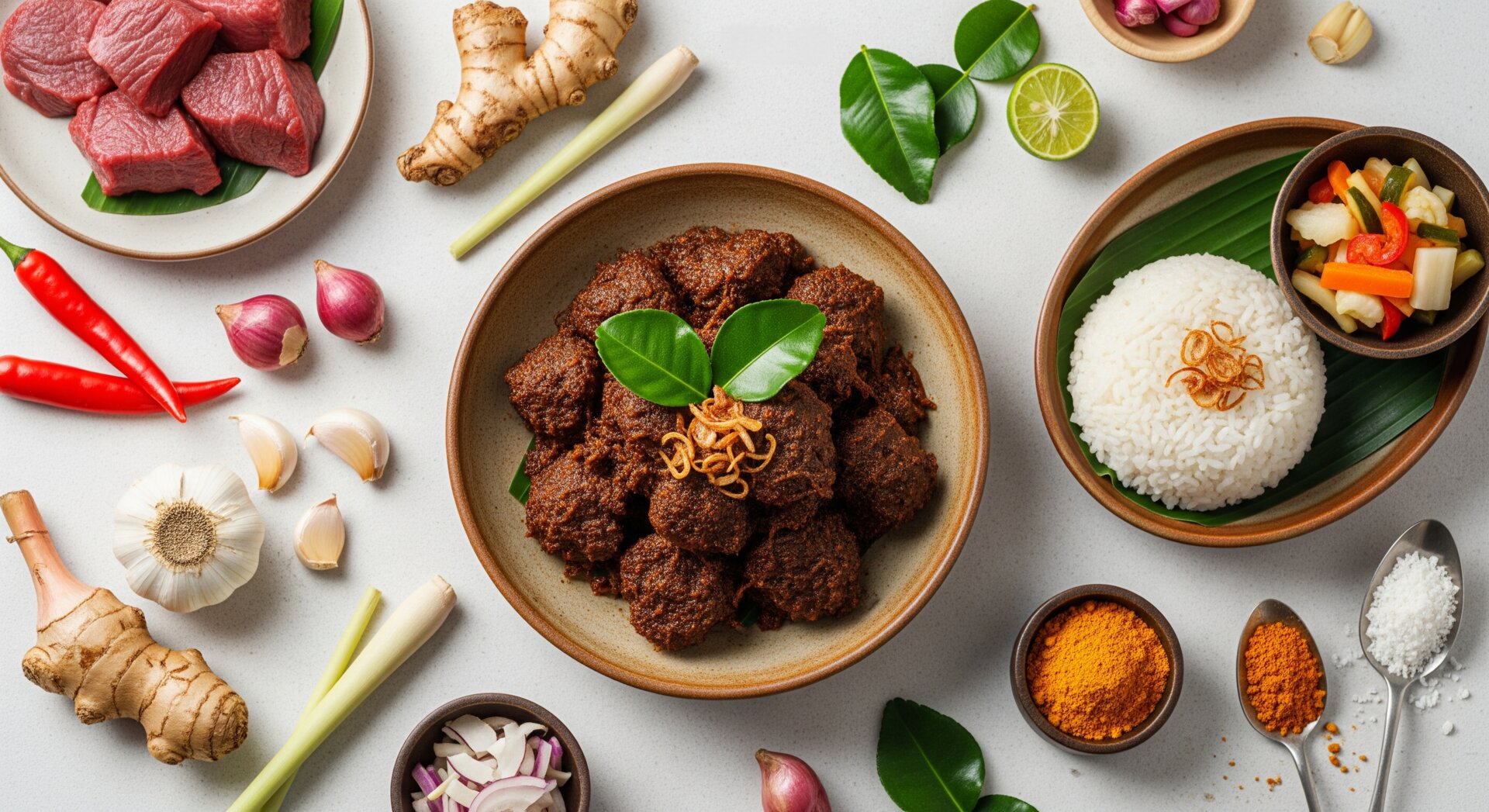 Indonesian Beef Rendang 210 min Slow-cooked beef in rich coconut-spice sauce 520 kcal 42g protein 2 synergies
 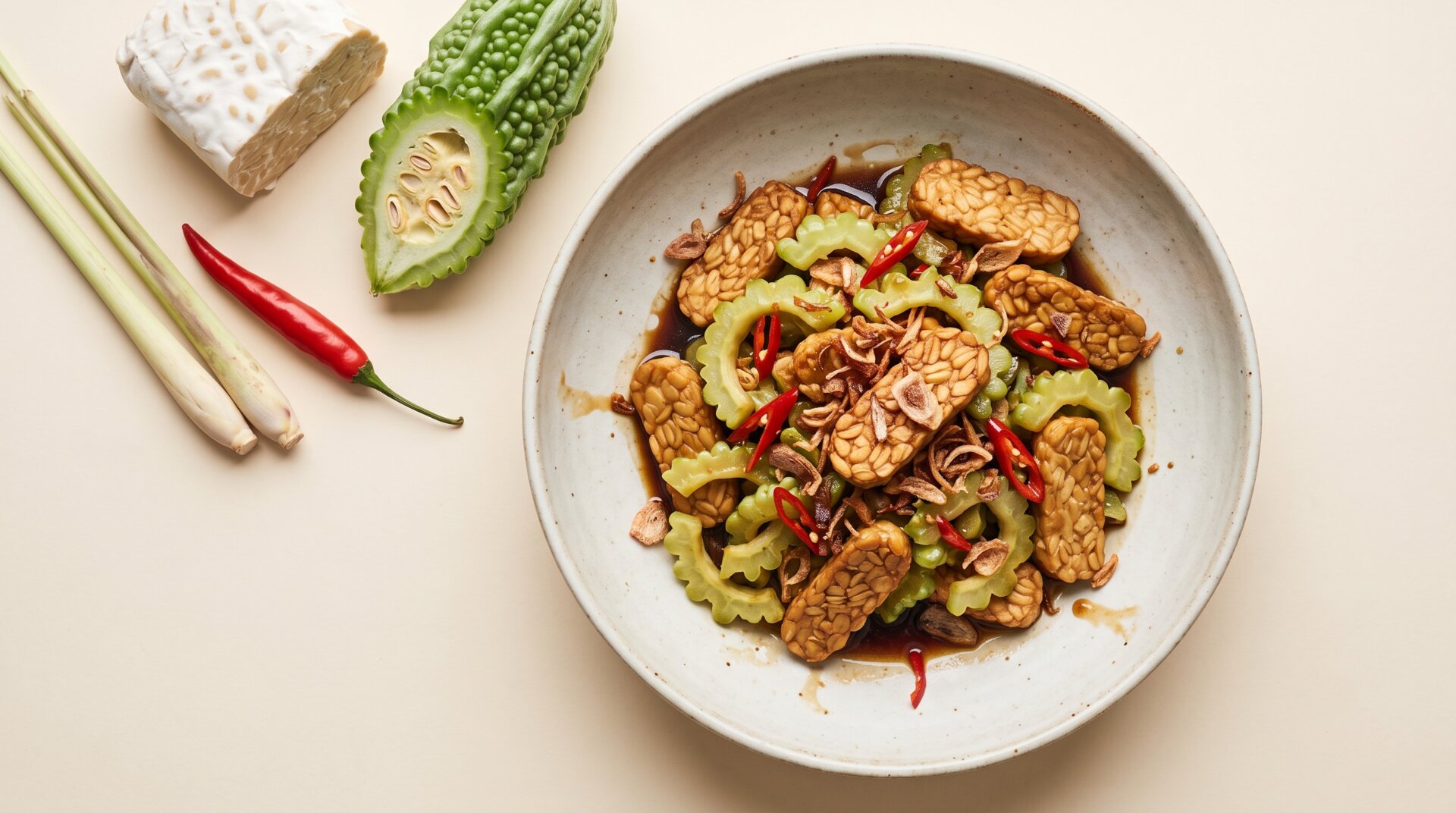 Indonesian Tempeh with Bitter Melon 45 min Stir-fry with kecap manis, galangal and lemongrass 320 kcal 18g protein 2 synergies
 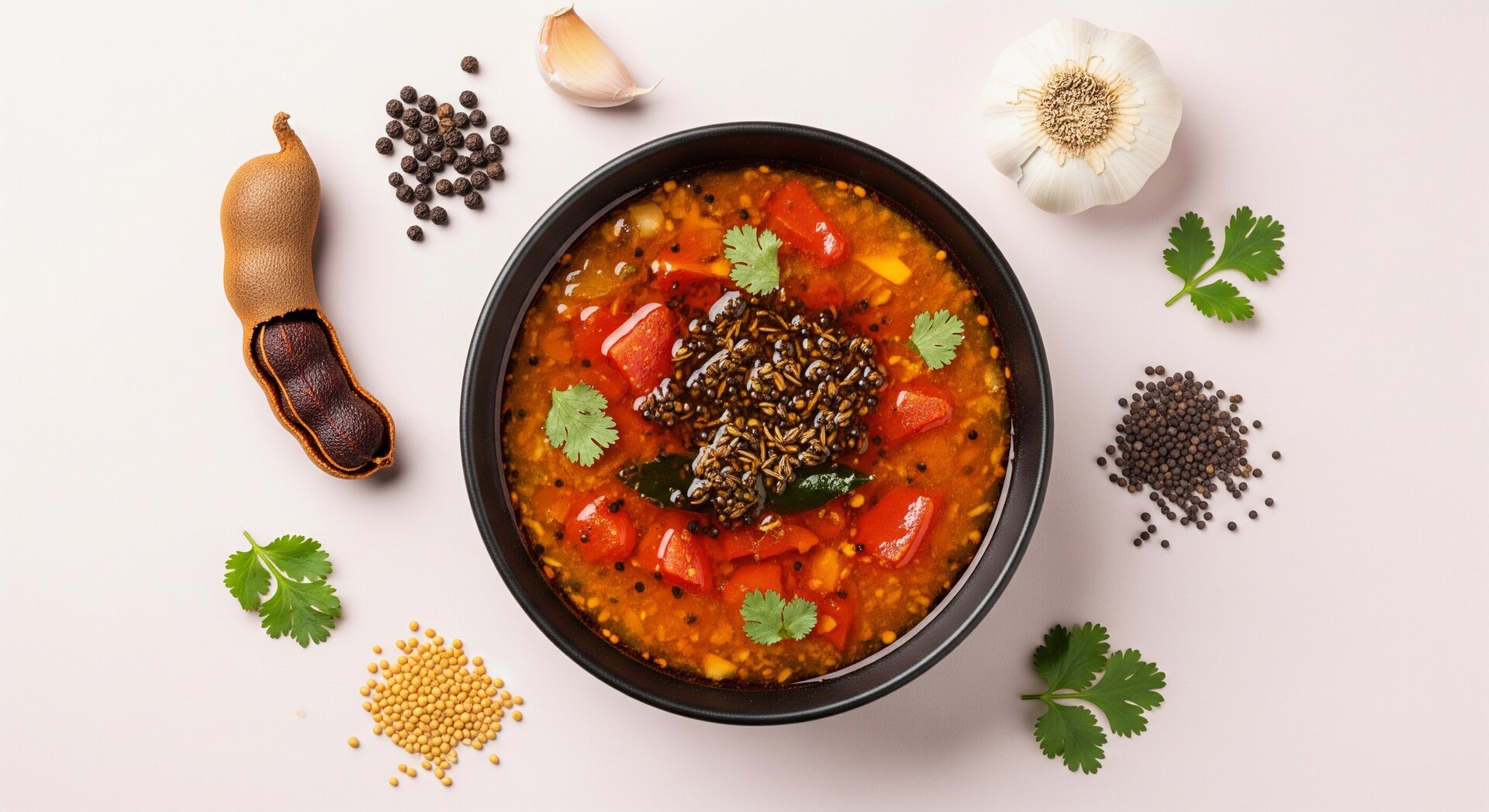 Rasam - Indian Pepper Soup with Tomato 30 min Spicy South Indian tomato soup with tamarind, black pepper and spices 209 kcal 9g protein 2 synergies
 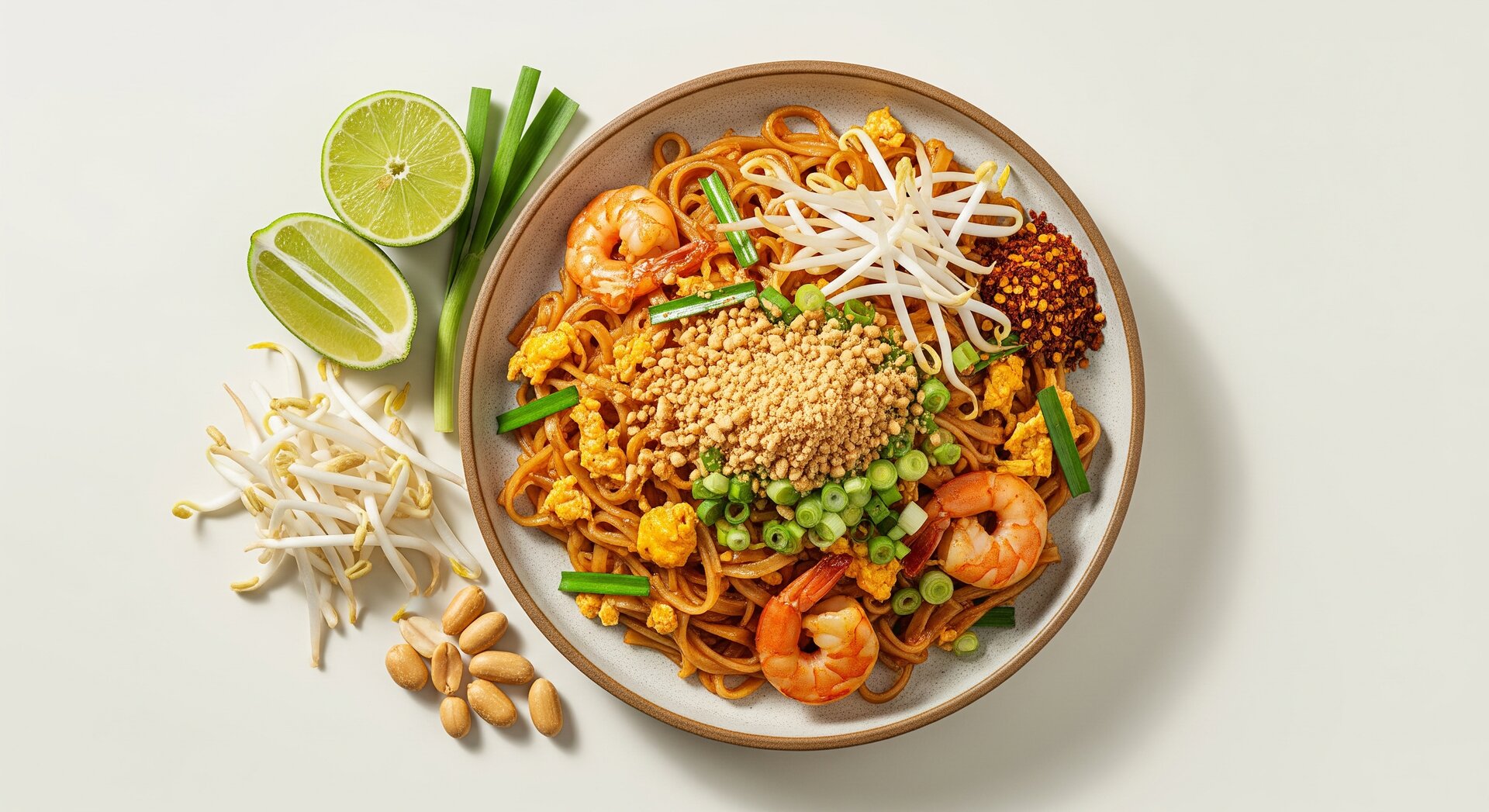 Thai Pad Thai with Shrimp 60 min Wok noodles with tamarind sauce, egg and crunchy peanuts 545 kcal 28g protein 1 synergies
  In the Kitchen
Storage
Location:Pantry
Shelf life:6-12 maanden (pasta), 2+ jaar (blok)
Refrigerate paste after opening. Block can stay room temperature. Freeze portions for longer storage.
Preparation
Dissolve 1-2 tablespoons of paste in warm water (about 1:3), then strain any seed or fiber pieces. Use in curry, pho, pad Thai, chutney, drinks or dressings.
Conversions
Substitutes
Smart preparation
1Soak tamarind pulp in warm water for 20 minutes and strain out the seeds.
2Use tamarind paste as a quicker alternative to pulp.
Why?
Paste is already strained and ready to use without soaking.
3Add tamarind for acidity in curries, soups, and sauces.
Caution / Warnings
Tamarind is very safe, but there are scientific considerations:
Blood thinners (aspirin, ibuprofen) Moderate
Tamarind may affect aspirin absorption. With regular use, leave enough time between medication intake and tamarind.
Diabetes (on medication) Moderate
Tamarind contains carbohydrates and fiber and may influence meal response. Be extra careful when combining it with diabetes medication.
Acid reflux Mild
High acid content may worsen symptoms. Use with meal.
Traditional use
Ayurveda
Tamarind in Ayurveda
In Ayurveda, tamarind (imli) is described as sour and warming, mainly as a flavoring in chutneys, rice dishes, sauces and drinks.
Southeast Asian
Tamarind in Southeast Asian Traditions
Tamarind has been a fundamental flavoring in the cuisines of Thailand, Indonesia and the Philippines for centuries, especially in soups, sauces and noodle dishes.
African
Tamarind in African Tradition
Tamarind originally comes from tropical Africa and has been used there for centuries as a fruit, drink base, souring agent and flavoring in local cuisines.
Summary
Tamarind is a flavorful sweet-sour fruit with fiber, tartaric acid and polyphenols. It is ideal as a deep base for pad Thai, chutney, curries, sauces and drinks. Use about 1-2 tablespoons of paste per dish and preferably choose pure paste without added sugar or salt. Take care with regular use of blood thinners.