- Medium
- 45 min
- 2 serv.
- 15 synergies
- Now at its best: Tomato
Dosa is a thin, crispy pancake from fermented rice and lentil batter, served with sambar — a spicy vegetable stew of toor dal. Fermented for better flavour and naturally gluten-free.
It sounds like a project — and it is, but the kind you start the evening before and stand behind with a grin the next morning. The batter of rice and lentils ferments quietly in a bowl, and by the time you pour it into a hot pan you can already smell something special happening. The dosa cooks to a crispy gold in two minutes — so thin it's almost translucent, with crunchy edges that curl up like lace. Next to it sits a bowl of steaming sambar: thick, fragrant, full of soft carrot cubes and tomato, with mustard seeds that pop on your tongue. You tear off a piece of dosa, scoop, and that first bite is simultaneously crispy, warm and comforting. South India in your own kitchen.
- 20
- min prep
- 25
- min cook
- 45
- min total
Nutritional Synergies
This recipe combines ingredients that enhance each other:
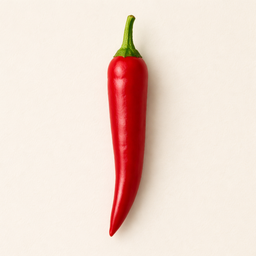 Chili Pepper (Fresh)
 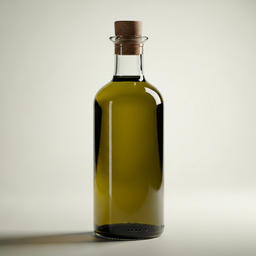 Olive Oil
 5x better capsaicin absorption through fats
Technical: Capsaicin (8-methyl-N-vanillyl-6-nonenamide) is strongly lipophilic with LogP of 3.04. Healthy fats in avocado (15g/100g) dissolve capsaicin and improve absorption via lymphatic transport up to 5x. Fats also reduce TRPV1 receptor stimulation, decreasing burning sensation.
What does this mean for you? Guacamole with chili is brilliant — avocado fats reduce burning and increase capsaicin absorption. Win-win: less burning, better absorption.
Weight LossAnti-inflammatory
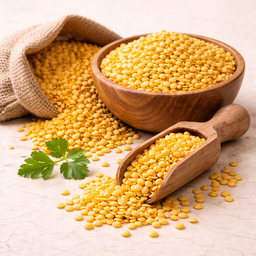 Yellow lentils
 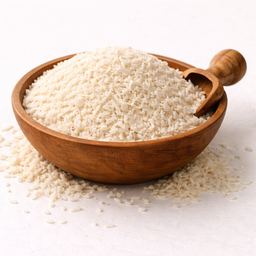 Rice
Rice Lentils + rice together form a complete protein profile
Technical: Yellow lentils are rich in lysine but low in methionine, while rice contains plenty of methionine but little lysine. Together they provide all essential amino acids in proper ratios — comparable to animal protein.
What does this mean for you? Dal with rice (khichdi) has been a staple meal in India for thousands of years — and rightly so. It's a complete protein without meat.
Muscle GainEnergyGeneral Wellness
Yellow lentils 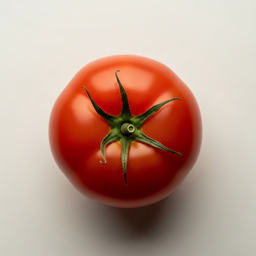 Tomato
 Tomato increases iron absorption from lentils
Technical: Tomatoes contain both vitamin C (14mg/100g) and citric acid, which together reduce non-heme iron from yellow lentils to the absorbable Fe²⁺ form. The citric acid chelates iron and keeps it soluble in the intestine.
What does this mean for you? Tarka dal with tomato is not just tasty — the tomato triples iron absorption from the lentils. A classic Indian combination with scientific basis.
Energy
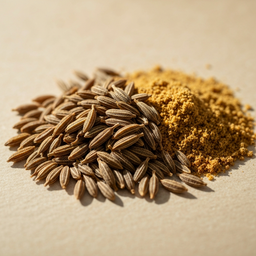 Cumin
Cumin 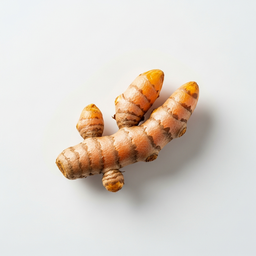 Turmeric
 Classic curry base with enhanced digestion
Technical: Cumin promotes production of digestive enzymes (amylase, lipase, protease) and increases bile flow. Turmeric's curcumin modulates NF-κB and COX-2 signal transduction and supports hepatobiliary activity via bile stimulation. Together they provide enhanced digestion + bioactive action.
What does this mean for you? Cumin + turmeric is the base of every curry. The cumin promotes your digestion, the turmeric adds bioactive action — the perfect combination for a nutritious curry.
DigestionAnti-inflammatory
Cumin Olive Oil Fat activates volatile oils and increases cuminaldehyde absorption
Technical: Cumin's active compounds (cuminaldehyde, cymene, terpinene) are volatile, fat-soluble compounds. Frying in olive oil extracts and stabilizes these compounds, and the fat improves their gut absorption.
What does this mean for you? Briefly fry cumin in olive oil before adding other ingredients (tadka/tempering). This is why Indian and Middle Eastern cuisines always fry cumin in oil.
DigestionAnti-inflammatoryBlood Sugar
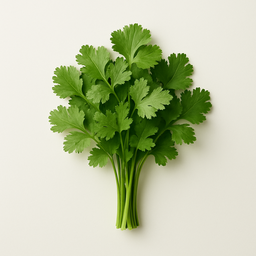 Cilantro Turmeric
 Linalool + curcumin for enhanced bioactive action
Technical: Coriander's linalool and coriander oil are studied in relation to lipoxygenase modulation. Turmeric's curcumin modulates NF-κB and COX-2 signal transduction. Together they cover more bioactive signaling pathways than each herb alone.
What does this mean for you? Use coriander and turmeric together in curries and Indian dishes — a traditional combination that is scientifically supported.
Anti-inflammatoryDigestionAntioxidants
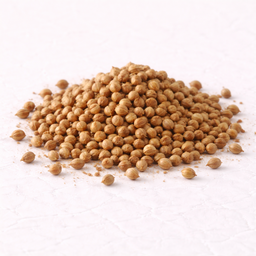 Mustard Seeds Turmeric
 Allyl isothiocyanate + curcumin for dual bioactive action
Technical: Mustard seed contains sinigrin that when ground is converted by myrosinase into allyl isothiocyanate (AITC) — an isothiocyanate that activates the Nrf2 pathway for antioxidant enzyme production. Turmeric's curcumin modulates NF-κB signal transduction. Together they activate defense (Nrf2 via mustard) and modulate signaling cascades (NF-κB via turmeric) — the two main pillars of cellular defense. Studies show isothiocyanates + curcumin work synergistically against colon cancer.
What does this mean for you? Use mustard seed with turmeric in curries, marinades or dressings. The mustard activates your own protective enzymes, the turmeric modulates signaling cascades — together a powerful duo.
Anti-inflammatoryImmune System
Olive Oil Tomato Mediterranean golden rule: fat increases lycopene absorption 4x
Fat significantly increases lycopene bioavailability (PMID: 15927929)
Technical: Tomatoes contain lycopene (3-7mg per 100g), a carotenoid with strong antioxidant action. Lycopene is fat-soluble with only 10-15% absorption without fat. Olive oil increases this to 40-60% (2.5-4x improvement). Cooking further increases lycopene bioavailability.
What does this mean for you? Always add olive oil to tomato dishes — sauces, salads, bruschetta. This is why Mediterranean cuisine is so healthy. Cooked tomatoes with olive oil = maximum lycopene.
HeartSkin & Hair
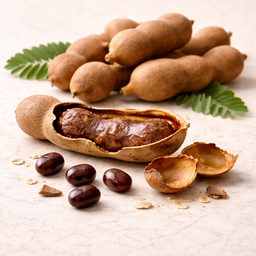 Tamarind Cumin
 Tartaric acid + cuminaldehyde for digestion and iron
Technical: Tamarind contains tartaric acid (8-14%) that lowers stomach pH and improves iron absorption. Tamarind is also one of the richest plant sources of iron (2.8mg/100g) and magnesium (92mg). Cumin's cuminaldehyde stimulates pancreatic enzymes by 20-30%. Tartaric acid chelates iron from both sources into soluble forms. The combination is the base of Indian chutneys and rasam soup.
What does this mean for you? Tamarind-cumin chutney or rasam is an Indian digestive aid that's scientifically supported. The sour + spicy profile stimulates every phase of digestion.
DigestionEnergy
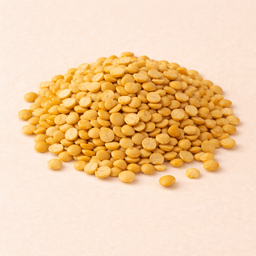 Toor dal (pigeon peas) Cumin
 Cumin promotes enzymatic digestion and reduces gas formation
Cuminaldehyde stimulates digestive enzymes and has carminative properties
Technical: Toor dal contains oligosaccharides (raffinose, stachyose) causing gas formation. Cuminaldehyde from cumin promotes the production of pancreatic enzymes (lipase, amylase, protease) and has carminative properties reducing gas formation. Traditional Indian tadka (tempering) technique.
What does this mean for you? The Indian habit of tempering cumin in dal is not just flavor — it promotes the digestion of legumes and reduces bloating.
DigestionGeneral Wellness
Toor dal (pigeon peas) Turmeric Traditional Indian dal combination: peptides + curcumin
Legumes contain DPP-4 inhibiting peptides, curcumin improves insulin sensitivity
Technical: Toor dal (pigeon peas) contains DPP-4 affecting peptides that protect GLP-1 hormone, relevant for glucose metabolism. Curcumin is studied in research in connection with NF-κB signaling and insulin sensitivity. Traditional Indian dal combination.
What does this mean for you? Dal with turmeric is a traditional Indian combination that is scientifically interesting. Both ingredients provide bioactive compounds actively researched in current nutritional science.
Blood SugarAnti-inflammatory
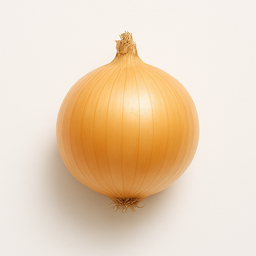 Onion Tomato
 Quercetin + lycopene: synergistic polyphenol-carotenoid combination
Technical: Quercetin from onion (20-40mg/100g) and lycopene from tomato (2573μg/100g) work through different mechanisms. Quercetin chelates metal ions and modulates lipid peroxidation, lycopene quenches singlet oxygen. Combined polyphenols and carotenoids work synergistically — the combination works through complementary mechanisms.
What does this mean for you? Tomato sauce with onion is the base of nearly every Mediterranean cuisine — and rightly so. Quercetin and lycopene enhance each other's action through complementary biochemical pathways. Cooking in olive oil makes carotenoids more absorbable.
HeartAnti-inflammatory
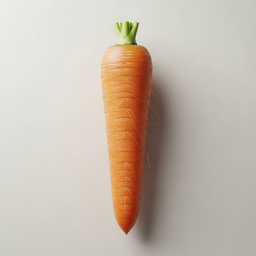 Carrot Olive Oil
 Up to 5x more beta-carotene absorption
Technical: Carrot contains 8285μg beta-carotene per 100g, but bioavailability from raw carrot is only 3-4%. Heating + olive oil increases this to 20-25%. Oleic acid (73% of olive oil) forms mixed micelles that efficiently transport beta-carotene to enterocytes for absorption.
What does this mean for you? Roast carrots with olive oil or eat them in a salad with dressing. Without fat you absorb only 3% of beta-carotene — with olive oil up to 5x more.
Skin & HairFocusImmune System
 Sea Salt Tomato
 Minerals improve flavor perception and electrolyte balance
Technical: Sea salt contains trace minerals (magnesium, potassium, calcium) besides sodium. Tomato is rich in potassium (237mg/100g) and lycopene. Avocado adds magnesium (29mg) and potassium (485mg). Together they form a broad electrolyte profile: sodium (salt) + potassium (tomato/avocado) + magnesium (avocado) — essential for fluid balance and nerve function.
What does this mean for you? Sprinkle tomato and avocado with a pinch of sea salt. This is more than flavor — the minerals complement each other for a complete electrolyte balance.
HeartEnergy
Sea Salt Olive Oil Minerals + polyphenols for cellular balance
Technical: Sea salt's sodium is essential for the sodium-potassium pump (Na+/K+-ATPase) that regulates every body cell. Olive oil's oleuropein and hydroxytyrosol provide antioxidant protection for cell membranes. The combination supports cell integrity: sea salt regulates ion balance, olive oil protects the membrane. In Mediterranean cuisine, coarse sea salt + olive oil is the most basic flavor profile.
What does this mean for you? Freshly ground sea salt with extra virgin olive oil is the simplest and most nutritious finishing of any dish. The combination provides the basic needs of your cells: minerals for function, polyphenols for protection.
HeartGeneral Wellness
Ingredients (15)
- Rice — 120 g soaked and ground for dosa batter
- Toor dal (pigeon peas) — 100 g for sambar
- Yellow lentils — 40 g soaked for dosa batter
Instructions
- 1 Soak rice and yellow lentils separately for at least 6 hours. Blend into a smooth batter with a little water and salt. Let ferment for 8-12 hours in a warm spot.
- 2 Cook the toor dal until soft in 400 ml water for 15-20 minutes. Mash lightly with a fork.
Nutrition per serving
Indicative values per serving.
Timing & Suitability
Shelf life: 2 days in fridge