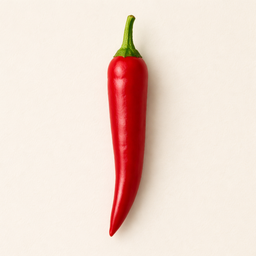
Chili Pepper (Fresh)
The Vitamin C Firecracker
What is this ingredient?
Fresh chili peppers are botanically berries. Unlike the dried powder, the fresh fruit contains huge amounts of Vitamin C – even more than oranges, gram for gram. The heat (capsaicin) concentrates in the placental tissue (the white ribs inside), not in the seeds themselves as often thought. Red ripe peppers are sweeter and more nutritious than the unripe green varieties.
How does it taste?
Fiery hot with a fruity, sometimes smoky undertone. Heat varies by variety.
Pairs well with:
Pairs well with limecilantrogarlicchocolate and tomato.
Did you know...?
- The heat of chili is measured in Scoville units, named after pharmacist Wilbur Scoville.
- Capsaicin, the compound that makes chili hot, is invisible to birds — they cannot feel the heat.
- Chilis originate from Mexico and have been used since 7,500 BCE.
Nutritional Value & Energy
Per 100g
Chili Pepper (Fresh) is low in calories thanks to natural nutrients .
Per 100g
Minerals
Vitamins
More nutrients
B-Vitamins
Trace Minerals
What's in a serving?
1 serving
Chili Pepper (Fresh) naturally contains vitamin c (144 mg per 100 g).
Chili Pepper (Fresh) naturally contains potassium (322 mg per 100 g).
Chili Pepper (Fresh) naturally contains vitamin b6 (0.5 mg per 100 g).
Chili Pepper (Fresh) naturally contains vitamin k (14 mcg per 100 g).
% of daily reference intake (DRI)
EU-approved nutrition claims
This ingredient contains nutrients for which EFSA-authorized health claims exist (at nutrient level, not ingredient-specific).
Approved health claims (EU)
Vitamin_c EU 432/2012
Vitamin C contributes to the normal function of the immune system
Contains 144mg/100g (threshold: ≥12mg/100g)
Vitamin_c EU 432/2012
Vitamin C contributes to the reduction of tiredness and fatigue
Contains 144mg/100g (threshold: ≥12mg/100g)
Vitamin_c EU 432/2012
Vitamin C contributes to normal collagen formation for the normal function of skin
Contains 144mg/100g (threshold: ≥12mg/100g)
Potassium EU 432/2012
Potassium contributes to the maintenance of normal blood pressure
Contains 322mg/100g (threshold: ≥300mg/100g)
Vitamin_b6 EU 432/2012
Vitamin B6 contributes to normal cysteine synthesis
Contains 0.5mg/100g (threshold: ≥0.21mg/100g)
Vitamin_b6 EU 432/2012
Vitamin B6 contributes to normal energy-yielding metabolism
Contains 0.5mg/100g (threshold: ≥0.21mg/100g)
Vitamin_b6 EU 432/2012
Vitamin B6 contributes to normal functioning of the nervous system
Contains 0.5mg/100g (threshold: ≥0.21mg/100g)
Vitamin_b6 EU 432/2012
Vitamin B6 contributes to normal homocysteine metabolism
Contains 0.5mg/100g (threshold: ≥0.21mg/100g)
Vitamin_b6 EU 432/2012
Vitamin B6 contributes to normal protein and glycogen metabolism
Contains 0.5mg/100g (threshold: ≥0.21mg/100g)
Vitamin_b6 EU 432/2012
Vitamin B6 contributes to normal psychological function
Contains 0.5mg/100g (threshold: ≥0.21mg/100g)
Vitamin_b6 EU 432/2012
Vitamin B6 contributes to normal red blood cell formation
Contains 0.5mg/100g (threshold: ≥0.21mg/100g)
Vitamin_b6 EU 432/2012
Vitamin B6 contributes to the normal function of the immune system
Contains 0.5mg/100g (threshold: ≥0.21mg/100g)
Vitamin_b6 EU 432/2012
Vitamin B6 contributes to the regulation of hormonal activity
Contains 0.5mg/100g (threshold: ≥0.21mg/100g)
Vitamin_b6 EU 432/2012
Vitamin B6 contributes to the reduction of tiredness and fatigue
Contains 0.5mg/100g (threshold: ≥0.21mg/100g)
Vitamin_c EU 432/2012
Vitamin C contributes to normal collagen formation for the normal function of blood vessels
Contains 144mg/100g (threshold: ≥12mg/100g)
Vitamin_c EU 432/2012
Vitamin C contributes to normal collagen formation for the normal function of bones
Contains 144mg/100g (threshold: ≥12mg/100g)
Vitamin_c EU 432/2012
Vitamin C contributes to normal collagen formation for the normal function of cartilage
Contains 144mg/100g (threshold: ≥12mg/100g)
Vitamin_c EU 432/2012
Vitamin C contributes to normal collagen formation for the normal function of gums
Contains 144mg/100g (threshold: ≥12mg/100g)
Vitamin_c EU 432/2012
Vitamin C contributes to normal collagen formation for the normal function of teeth
Contains 144mg/100g (threshold: ≥12mg/100g)
Vitamin_c EU 432/2012
Vitamin C contributes to normal energy-yielding metabolism
Contains 144mg/100g (threshold: ≥12mg/100g)
Vitamin_c EU 432/2012
Vitamin C contributes to normal functioning of the nervous system
Contains 144mg/100g (threshold: ≥12mg/100g)
Vitamin_c EU 432/2012
Vitamin C contributes to normal psychological function
Contains 144mg/100g (threshold: ≥12mg/100g)
Vitamin_c EU 432/2012
Vitamin C contributes to the protection of cells from oxidative stress
Contains 144mg/100g (threshold: ≥12mg/100g)
Vitamin_c EU 432/2012
Vitamin C contributes to the regeneration of the reduced form of vitamin E
Contains 144mg/100g (threshold: ≥12mg/100g)
Vitamin_c EU 432/2012
Vitamin C increases iron absorption
Contains 144mg/100g (threshold: ≥12mg/100g)
Vitamin_c EU 432/2012
Vitamin C contributes to maintain the normal function of the immune system during and after intense physical exercise
Contains 144mg/100g (threshold: ≥12mg/100g)
Vitamin_k EU 432/2012
Vitamin K contributes to normal blood clotting
Contains 14mcg/100g (threshold: ≥11.25mcg/100g)
Vitamin_k EU 432/2012
Vitamin K contributes to the maintenance of normal bones
Contains 14mcg/100g (threshold: ≥11.25mcg/100g)
Potassium EU 432/2012
Potassium contributes to normal functioning of the nervous system
Contains 322mg/100g (threshold: ≥300mg/100g)
Potassium EU 432/2012
Potassium contributes to normal muscle function
Contains 322mg/100g (threshold: ≥300mg/100g)
Comparison
vssinaasappel
Chili Pepper (Fresh) contains about 3× more vitamin C per 100g than orange.
What's being researched?
Capsaicin and thermogenesis
Capsaicin in chili peppers is being studied for thermogenic effects in metabolic research. Clinical studies show small but measurable effects on energy expenditure.
Supported by: [2] Zhang Z (2025) , [1] Bonaccio (2019)
Capsaicin and pain modulation
Capsaicin is being studied for pain-modulating properties via sensory receptors. Topical applications are clinically used, but oral effects are still being studied.
Supported by: [1] Bonaccio (2019) , [2] Zhang Z (2025)
Good Combinations (Synergy)
Combine chili pepper (fresh) smartly to enhance the effect:
Chili Pepper (Fresh)  Avocado
 5x better capsaicin absorption through fats
Technical: Capsaicin (8-methyl-N-vanillyl-6-nonenamide) is strongly lipophilic with LogP of 3.04. Healthy fats in avocado (15g/100g) dissolve capsaicin and improve absorption via lymphatic transport up to 5x. Fats also reduce TRPV1 receptor stimulation, decreasing burning sensation.
What does this mean for you? Guacamole with chili is brilliant — avocado fats reduce burning and increase capsaicin absorption. Win-win: less burning, better absorption.
Chili Pepper (Fresh)  Olive Oil
 5x better capsaicin absorption through fats
Technical: Capsaicin (8-methyl-N-vanillyl-6-nonenamide) is strongly lipophilic with LogP of 3.04. Healthy fats in avocado (15g/100g) dissolve capsaicin and improve absorption via lymphatic transport up to 5x. Fats also reduce TRPV1 receptor stimulation, decreasing burning sensation.
What does this mean for you? Guacamole with chili is brilliant — avocado fats reduce burning and increase capsaicin absorption. Win-win: less burning, better absorption.
Chili Pepper (Fresh)  Lemon
Lemon Capsaicin + vitamin C: TRPV1 thermogenesis and carnitine biosynthesis
Technical: Capsaicin activates TRPV1 receptors stimulating thermogenesis (4-5% increased energy expenditure). Vitamin C from lemon (53mg/100g) is cofactor for carnitine biosynthesis — essential for mitochondrial fatty acid transport. Together they influence both thermogenesis (capsaicin) and mitochondrial fatty acid transport (vitamin C).
What does this mean for you? Chili with lemon juice (Mexican hot sauce with lime) combines two bioactive pathways. Capsaicin stimulates via TRPV1 receptors, vitamin C is a building block for carnitine. A spicy combination with scientific backing.
Chili Pepper (Fresh) 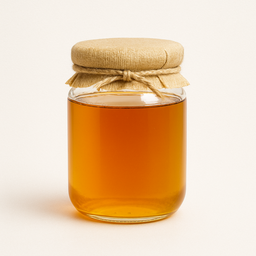 Honey
Honey Capsaicin + bee defensin: complementary bioactive action
Technical: Capsaicin has bioactive action against H. pylori and promotes mucus production in the GI tract. Raw honey contains hydrogen peroxide and bee defensin-1 — bioactive compounds working through broad-spectrum pathways. Capsaicin also stimulates mucosal blood flow, accelerating release of honey's bioactive compounds.
What does this mean for you? Honey-chili combination (hot honey) is tasty and functional. Honey soothes capsaicin's burn while both ingredients provide complementary bioactive compounds. Try on goat cheese or in tea.
Recipes with Chili Pepper (Fresh)
Discover delicious recipes featuring chili pepper (fresh):
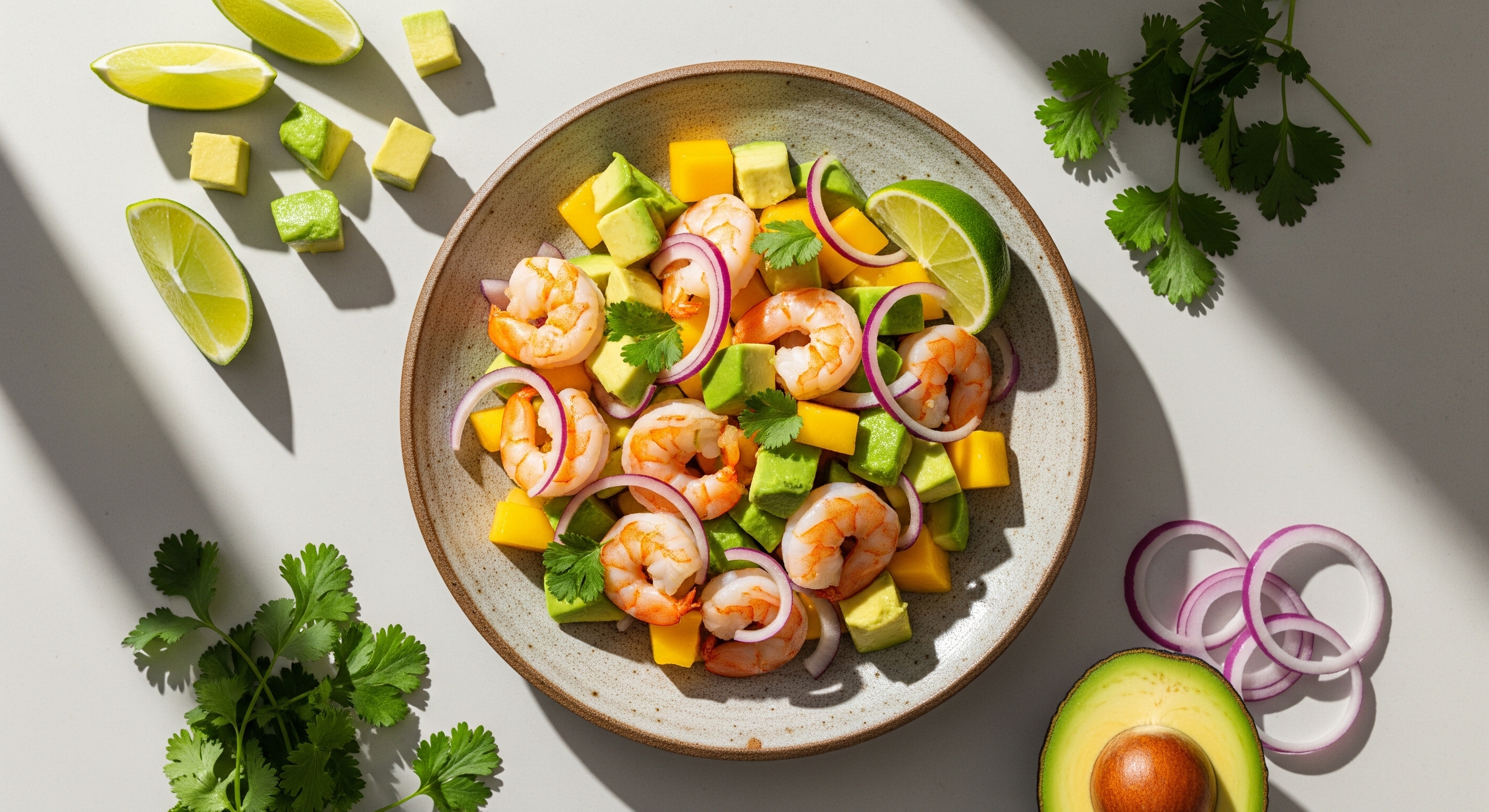 Shrimp Avocado Mango Salad with Lime 20 min Tropical salad with pan-fried shrimp, creamy avocado and sweet mango
  520 kcal
  28g protein 2 synergies
 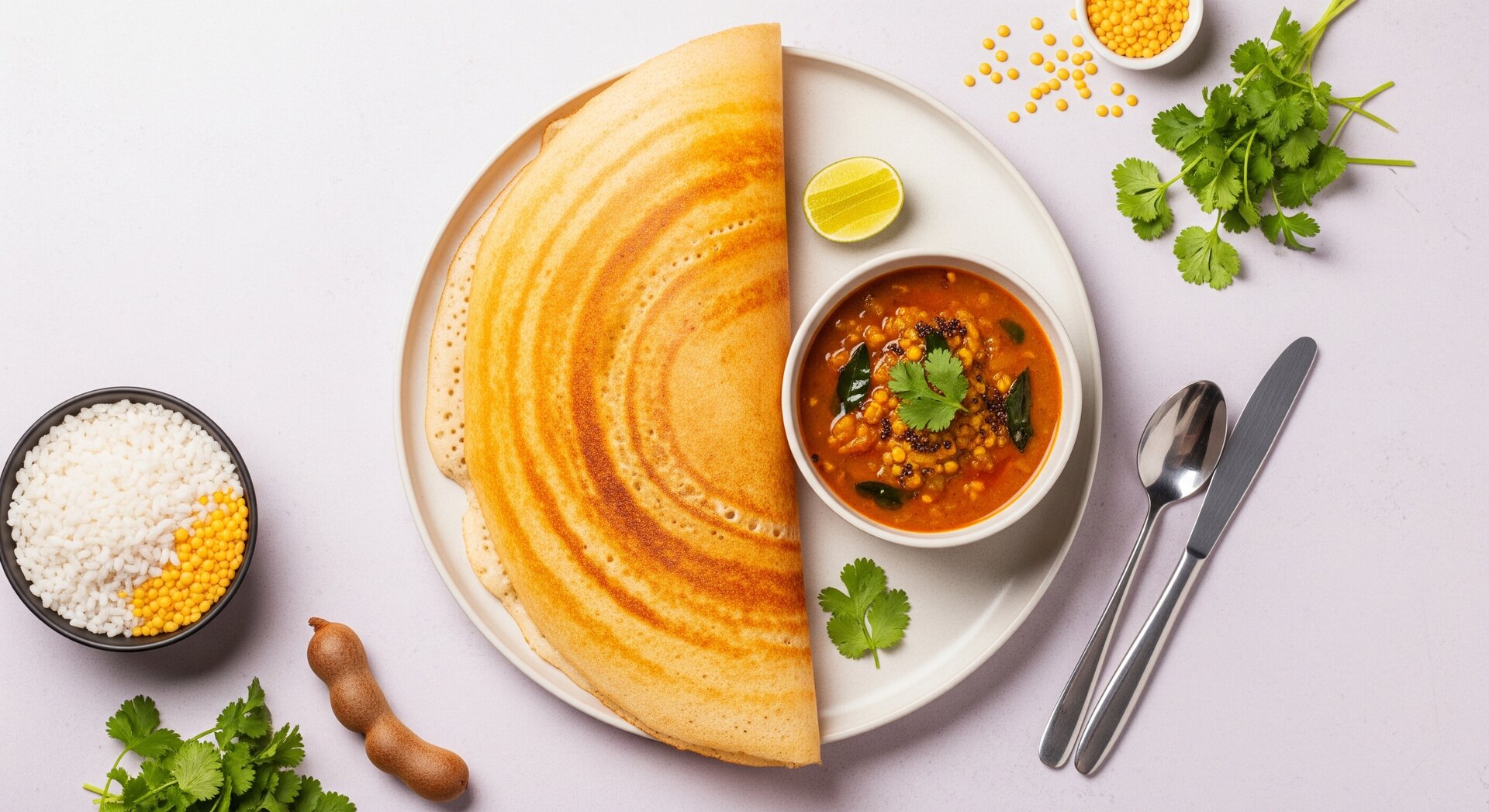 Indian Dosa with Sambar 45 min Crispy rice-lentil pancake with spicy vegetable stew 591 kcal 22g protein 1 synergies
 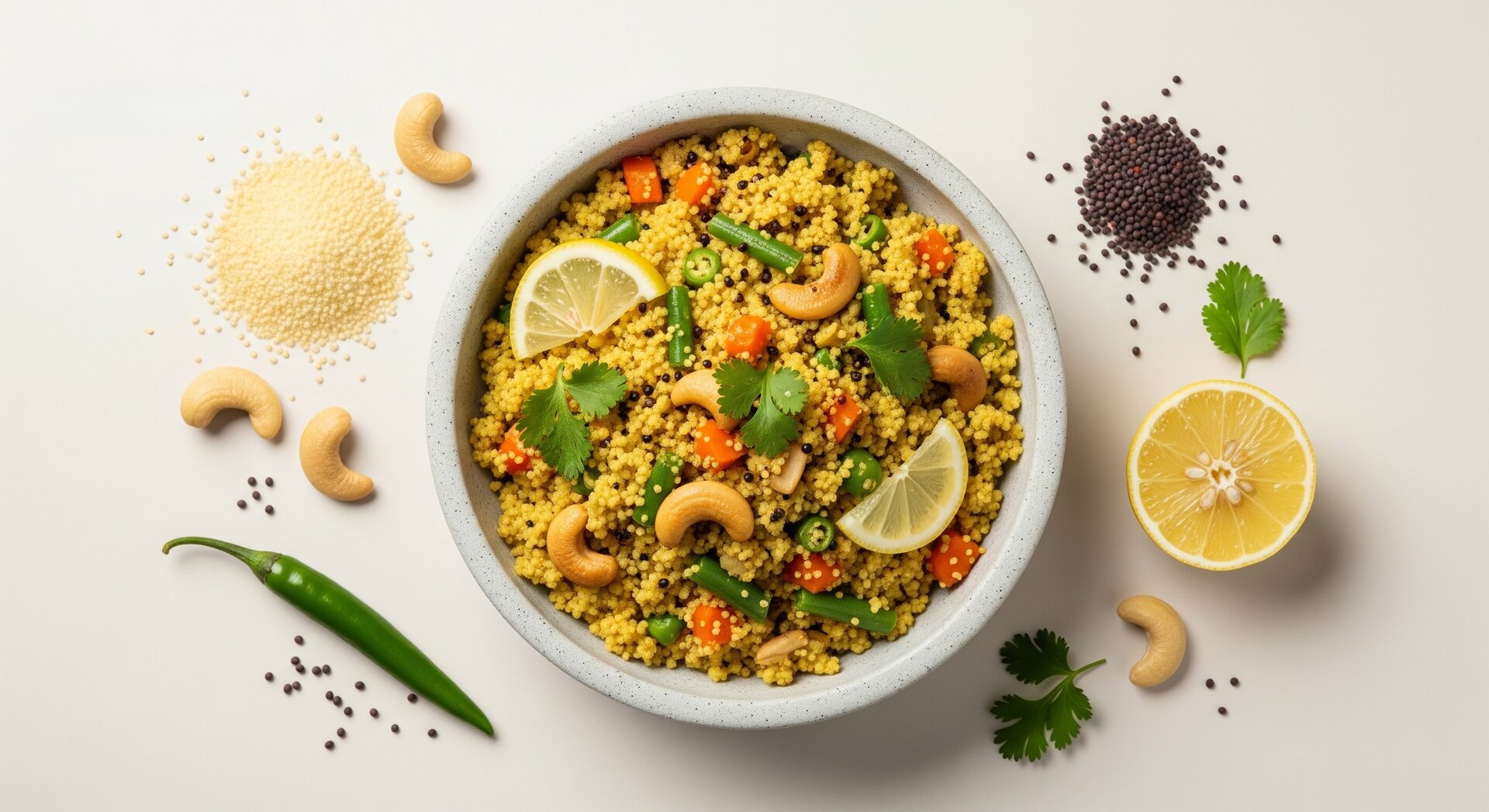 Indian Upma with Vegetables and Cashew 25 min Hearty South Indian semolina bowl with cashew nuts 529 kcal 15g protein 1 synergies
 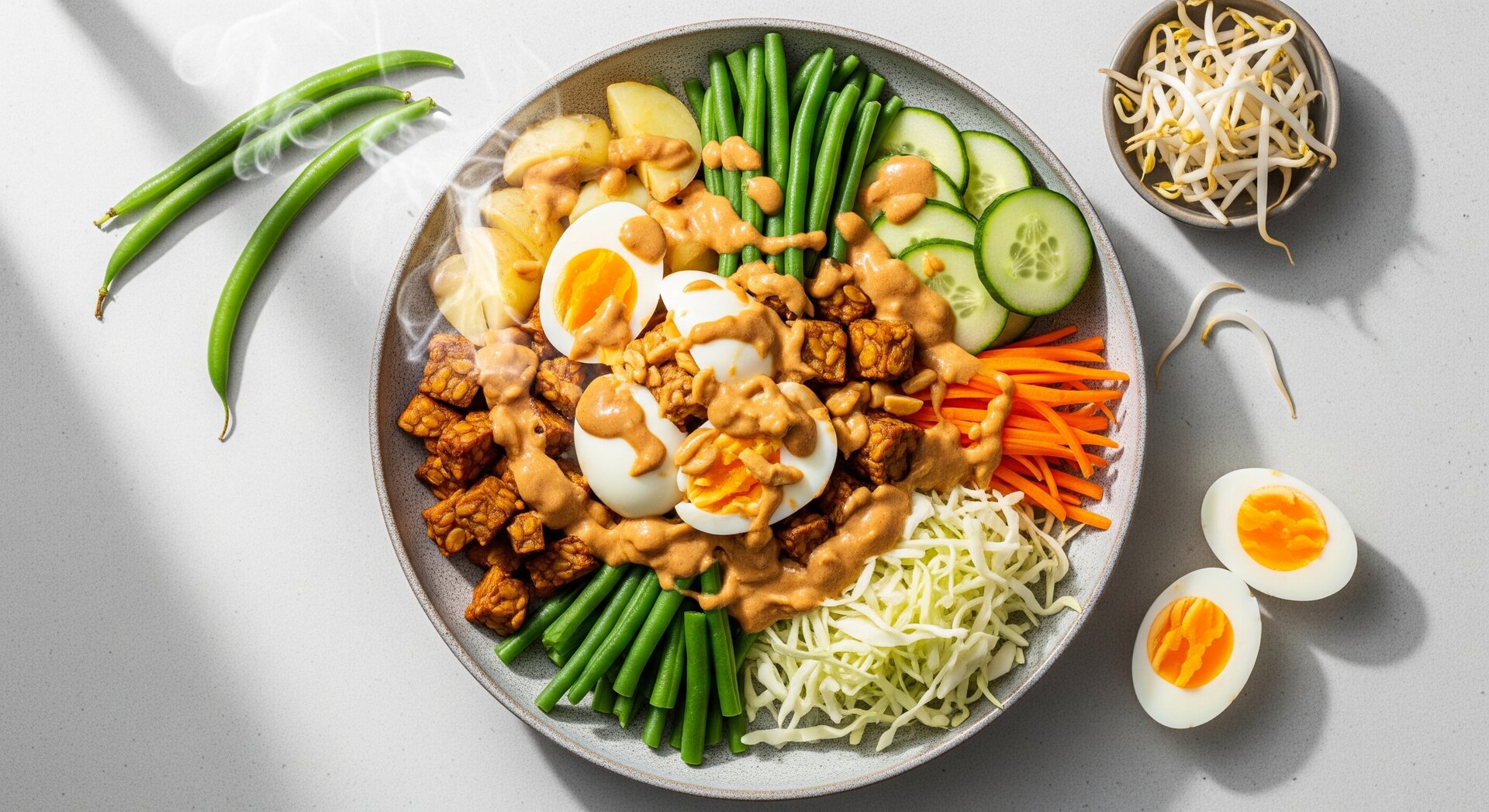 Indonesian Gado-Gado with Peanut Sauce & Tempeh 35 min Indonesian salad with fried tempeh, vegetables, egg and creamy peanut sauce 742 kcal 34g protein 2 synergies
 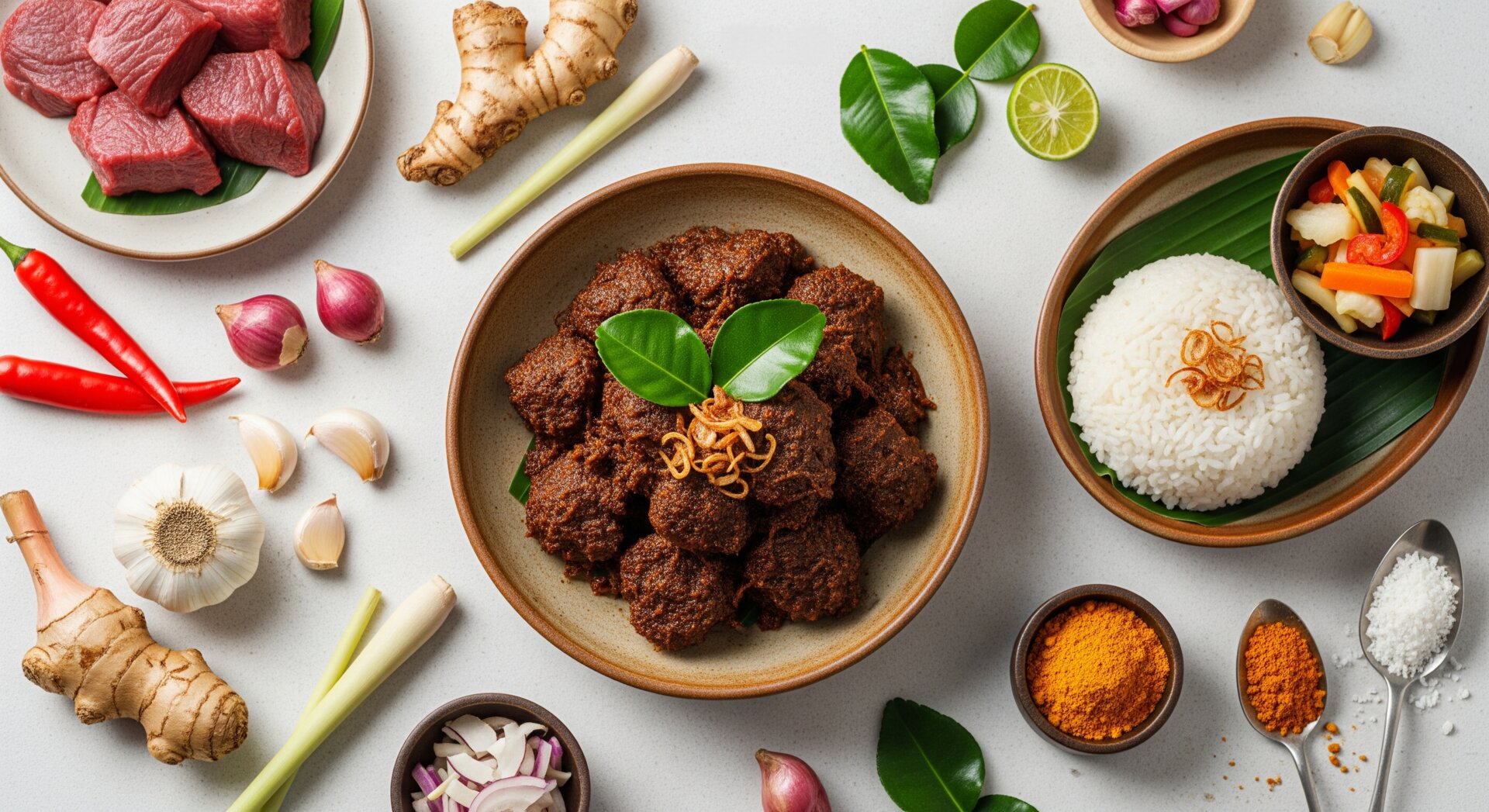 Indonesian Beef Rendang 210 min Slow-cooked beef in rich coconut-spice sauce 520 kcal 42g protein 2 synergies
 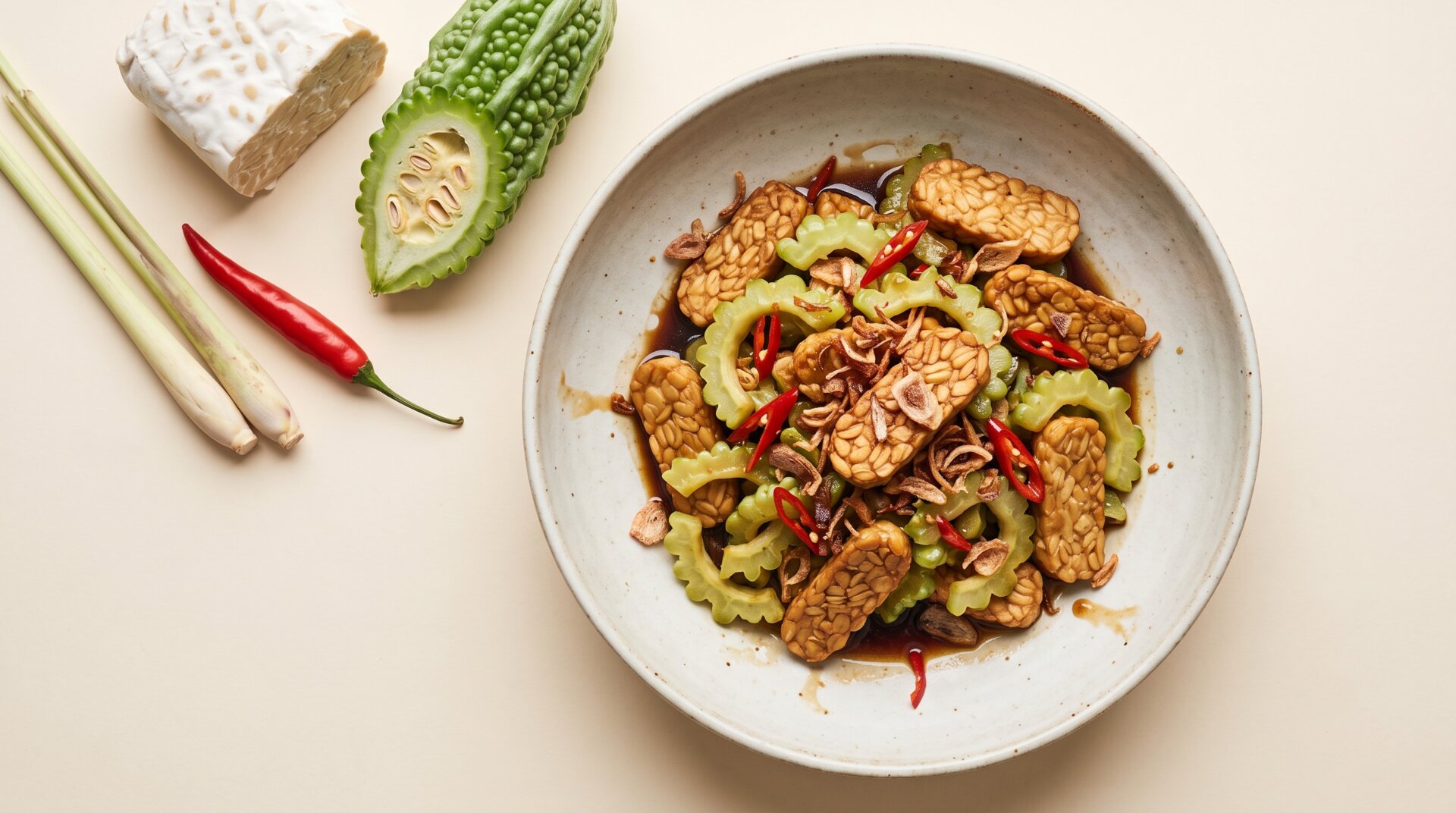 Indonesian Tempeh with Bitter Melon 45 min Stir-fry with kecap manis, galangal and lemongrass 320 kcal 18g protein 2 synergies
  In the Kitchen
Storage
Location:Refrigerator
Shelf life:1-2 weken
In the crisper drawer. Can also be frozen perfectly (will become soft though).
Preparation
Remove the ribs (white membranes) if you want less heat. Add raw to preserve Vitamin C.
Conversions
Substitutes
Smart preparation
1Remove the membranes for less heat; the seeds themselves are less spicy.
Why?
Most capsaicin is in the white membranes, not in the seeds.
2Wear gloves when cutting hot peppers.
3Dry excess chili peppers by hanging them on a string.
Caution / Warnings
Chili Pepper (Fresh) is very safe, but there are scientific considerations:
Hand-Eye Contact Moderate
Capsaicin oil sticks to fingers for a long time
Advice:
Wash hands thoroughly with soap after cutting, or use gloves
Traditional use
Indigenous
Aztec and Maya tradition
The Aztecs and Mayans used chili peppers for over 7000 years, not only as a spice but as a valued part of their culture.
Ayurveda
Ayurvedic traditional use
In Ayurveda, chili is considered a strongly warming spice that kindles Agni (digestive fire) and reduces Kapha.
Summary
Fresh peppers are a healthy addition, not just for flavor. They contain more Vitamin C than citrus fruits, provided you don't overcook them.