- Easy
- 25 min
- 2 serv.
- 10 synergies
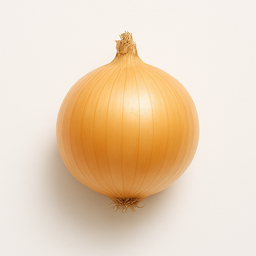
- Now at its best: Onion
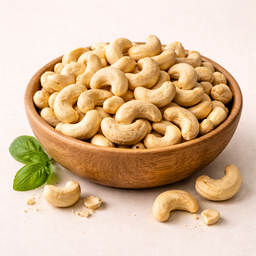
Upma is a beloved South Indian breakfast of roasted semolina cooked with vegetables, cashew nuts and aromatic spices. It is quick to make, satisfying and full of flavors from the tempering of mustard seeds and cumin.
Before the first bite you hear it: dry semolina sliding softly through the hot pan, then the sudden crack of mustard seeds popping in sputtering hot oil. Upma is the breakfast that wakes up South India — a steaming bowl of golden semolina studded with crunchy cashews, bright carrot pieces and the aroma of freshly grated ginger. The secret is in the roasting: when the semolina releases that warm, nutty scent, you know the base is right. Add the water, stir, and within minutes you have a comforting, velvety texture that feels like a warm blanket on a cool morning. A splash of lemon juice at the end brings everything to life.
- 10
- min prep
- 15
- min cook
- 25
- min total
Nutritional Synergies
This recipe combines ingredients that enhance each other:
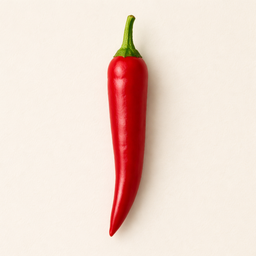 Chili Pepper (Fresh)
 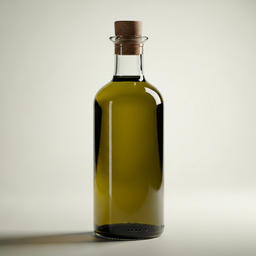 Olive Oil
 5x better capsaicin absorption through fats
Technical: Capsaicin (8-methyl-N-vanillyl-6-nonenamide) is strongly lipophilic with LogP of 3.04. Healthy fats in avocado (15g/100g) dissolve capsaicin and improve absorption via lymphatic transport up to 5x. Fats also reduce TRPV1 receptor stimulation, decreasing burning sensation.
What does this mean for you? Guacamole with chili is brilliant — avocado fats reduce burning and increase capsaicin absorption. Win-win: less burning, better absorption.
Weight LossAnti-inflammatory
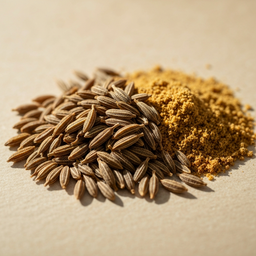 Cumin
Cumin 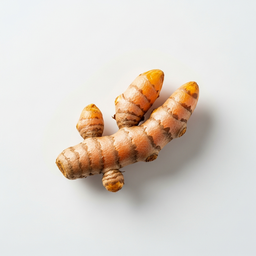 Turmeric
 Classic curry base with enhanced digestion
Technical: Cumin promotes production of digestive enzymes (amylase, lipase, protease) and increases bile flow. Turmeric's curcumin modulates NF-κB and COX-2 signal transduction and supports hepatobiliary activity via bile stimulation. Together they provide enhanced digestion + bioactive action.
What does this mean for you? Cumin + turmeric is the base of every curry. The cumin promotes your digestion, the turmeric adds bioactive action — the perfect combination for a nutritious curry.
DigestionAnti-inflammatory
Cumin Olive Oil Fat activates volatile oils and increases cuminaldehyde absorption
Technical: Cumin's active compounds (cuminaldehyde, cymene, terpinene) are volatile, fat-soluble compounds. Frying in olive oil extracts and stabilizes these compounds, and the fat improves their gut absorption.
What does this mean for you? Briefly fry cumin in olive oil before adding other ingredients (tadka/tempering). This is why Indian and Middle Eastern cuisines always fry cumin in oil.
DigestionAnti-inflammatoryBlood Sugar
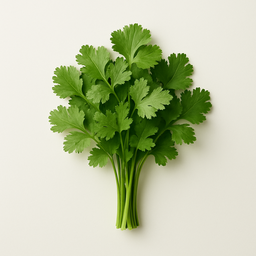 Cilantro Turmeric
 Linalool + curcumin for enhanced bioactive action
Technical: Coriander's linalool and coriander oil are studied in relation to lipoxygenase modulation. Turmeric's curcumin modulates NF-κB and COX-2 signal transduction. Together they cover more bioactive signaling pathways than each herb alone.
What does this mean for you? Use coriander and turmeric together in curries and Indian dishes — a traditional combination that is scientifically supported.
Anti-inflammatoryDigestionAntioxidants
Turmeric 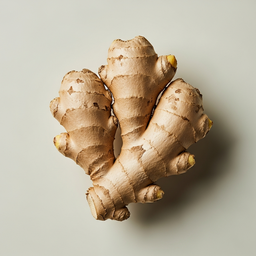 Ginger
 Enhanced bioactive action via two pathways
Technical: Turmeric and ginger belong to the same plant family (Zingiberaceae). Curcumin (turmeric) modulates NF-kB, while gingerol (ginger) modulates COX-2 and LOX (lipoxygenase). Because they target different signaling pathways, they enhance each other's bioactive action.
What does this mean for you? Turmeric + ginger in curry, soup or tea — two related spices that work bioactively via different pathways. Broader together than alone.
Anti-inflammatoryJoints
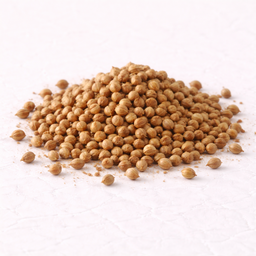 Mustard Seeds Turmeric
 Allyl isothiocyanate + curcumin for dual bioactive action
Technical: Mustard seed contains sinigrin that when ground is converted by myrosinase into allyl isothiocyanate (AITC) — an isothiocyanate that activates the Nrf2 pathway for antioxidant enzyme production. Turmeric's curcumin modulates NF-κB signal transduction. Together they activate defense (Nrf2 via mustard) and modulate signaling cascades (NF-κB via turmeric) — the two main pillars of cellular defense. Studies show isothiocyanates + curcumin work synergistically against colon cancer.
What does this mean for you? Use mustard seed with turmeric in curries, marinades or dressings. The mustard activates your own protective enzymes, the turmeric modulates signaling cascades — together a powerful duo.
Anti-inflammatoryImmune System
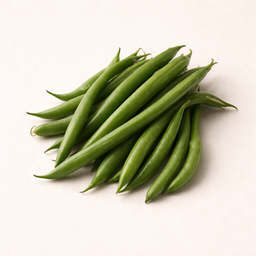 Green Beans Olive Oil
 Fat essential for vitamin K absorption from green beans
Technical: Green beans contain 43μg vitamin K per 100g (36% RDI) — vitamin K contributes to normal blood clotting and the maintenance of normal bones (EFSA-approved). Vitamin K is fat-soluble and absorbed via bile salt micelles. Olive oil influences bile release and provides fats for micelle formation, increasing K absorption 3x.
What does this mean for you? Sauté green beans in olive oil or serve with dressing. Without fat you barely absorb vitamin K.
JointsGeneral Wellness
 Water Ginger
 Hydration + gingerols for digestion and metabolism
Technical: Water is the medium for all biochemical reactions and nutrient transport. Ginger's gingerols (1.5-3%) are water-soluble and optimally extracted in warm water. Gingerols are studied in research in relation to thermogenesis and digestion. Warm ginger water contains dissolved gingerols.
What does this mean for you? Start your day with warm ginger water — slice fresh ginger and steep for 10 minutes. It gives a warm, spicy start to your day and hydrates at the same time.
DigestionWeight LossEnergy
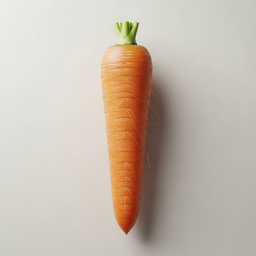 Carrot Olive Oil
 Up to 5x more beta-carotene absorption
Technical: Carrot contains 8285μg beta-carotene per 100g, but bioavailability from raw carrot is only 3-4%. Heating + olive oil increases this to 20-25%. Oleic acid (73% of olive oil) forms mixed micelles that efficiently transport beta-carotene to enterocytes for absorption.
What does this mean for you? Roast carrots with olive oil or eat them in a salad with dressing. Without fat you absorb only 3% of beta-carotene — with olive oil up to 5x more.
Skin & HairFocusImmune System
 Sea Salt Olive Oil
 Minerals + polyphenols for cellular balance
Technical: Sea salt's sodium is essential for the sodium-potassium pump (Na+/K+-ATPase) that regulates every body cell. Olive oil's oleuropein and hydroxytyrosol provide antioxidant protection for cell membranes. The combination supports cell integrity: sea salt regulates ion balance, olive oil protects the membrane. In Mediterranean cuisine, coarse sea salt + olive oil is the most basic flavor profile.
What does this mean for you? Freshly ground sea salt with extra virgin olive oil is the simplest and most nutritious finishing of any dish. The combination provides the basic needs of your cells: minerals for function, polyphenols for protection.
HeartGeneral Wellness
Ingredients (15)
+12 more ingredients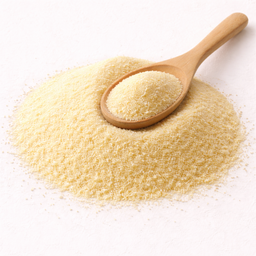
Instructions
- 1 Dry roast the semolina in a pan over medium heat until lightly golden and nutty smelling. Set aside.
- 2 Heat oil in the same pan. Add mustard seeds and wait until they start to pop.
Nutrition per serving
Indicative values per serving.
Timing & Suitability
Shelf life: 1 days in fridge
Tags & Diet
Allergens: Gluten, Nuts