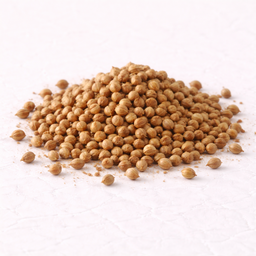
Mustard Seeds
The Myrosinase Activator for Crucifers
What is this ingredient?
Mustard seed isn't just a spice - it's an enzyme factory. The seeds contain myrosinase, the same enzyme that makes broccoli and cabbage so healthy. This enzyme converts glucosinolates into sulforaphane, one of the most studied chemopreventive compounds.
Why this matters:
- Sulforaphane synergy: Mustard seed restores sulforaphane production in cooked crucifers (Dosz & Jeffery, 2013)
- Thermogenesis: Contains compounds that affect metabolism (Henry & Emery, 1986)
- Bioactive compounds: Rich in allyl isothiocyanate and sinigrin (Subedi et al., 2017)
- Blood sugar: Studied in diabetes research (Yadav et al., 2004)
The 'pop' secret: when mustard seeds spatter in hot oil, the cell structure breaks open releasing aroma. This is the basis of Indian tempering (tadka).
Practically speaking, mustard seed is the perfect partner for all crucifer dishes: it restores what cooking destroys.
How does it taste?
Nutty-sharp when cracked; warm and pungent when heated.
Pairs well with:
Pairs well with turmericcabbagepotatocurry and pickled vegetables.
Did you know...?
- Mustard seed is one of the oldest spices, mentioned in Sanskrit texts from 3,000 BCE.
- A mustard seed is only 1-2 mm in size but can grow into a plant 2 meters tall.
Nutritional Value & Energy
Per 100g
Mustard Seeds provides energy thanks to natural nutrients , buffered by fiber.
Per 100g
Minerals
Vitamins
Omega-3 fatty acids
More nutrients
Trace Minerals
What's in a serving?
Mustard Seeds naturally contains selenium (208 mcg per 100 g dried powder). At typical spice usage (3–9 g), the contribution is limited.
Mustard Seeds naturally contains magnesium (370 mg per 100 g dried powder). At typical spice usage (3–9 g), the contribution is limited.
Mustard Seeds naturally contains phosphorus (828 mg per 100 g dried powder). At typical spice usage (3–9 g), the contribution is limited.
Mustard Seeds naturally contains manganese (2.4 mg per 100 g dried powder). At typical spice usage (3–9 g), the contribution is limited.
Mustard Seeds naturally contains selenium (208 mcg per 100 g dried powder). At typical spice usage (3–9 g), the contribution is limited.
Mustard Seeds naturally contains calcium (266 mg per 100 g dried powder). At typical spice usage (3–9 g), the contribution is limited.
Mustard Seeds naturally contains magnesium (370 mg per 100 g dried powder). At typical spice usage (3–9 g), the contribution is limited.
Mustard Seeds naturally contains phosphorus (828 mg per 100 g dried powder). At typical spice usage (3–9 g), the contribution is limited.
Mustard Seeds naturally contains potassium (738 mg per 100 g dried powder). At typical spice usage (3–9 g), the contribution is limited.
Mustard Seeds naturally contains iron (9.2 mg per 100 g dried powder). At typical spice usage (3–9 g), the contribution is limited.
Mustard Seeds naturally contains zinc (6.1 mg per 100 g dried powder). At typical spice usage (3–9 g), the contribution is limited.
Mustard Seeds naturally contains manganese (2.4 mg per 100 g dried powder). At typical spice usage (3–9 g), the contribution is limited.
% of daily reference intake (DRI)
EU-approved nutrition claims
This ingredient contains nutrients for which EFSA-authorized health claims exist (at nutrient level, not ingredient-specific).
Approved health claims (EU)
Selenium EU 432/2012
Selenium contributes to the maintenance of normal hair
Contains 208mcg/100g (threshold: ≥8.25mcg/100g)
Selenium EU 432/2012
Selenium contributes to the maintenance of normal nails
Contains 208mcg/100g (threshold: ≥8.25mcg/100g)
Selenium EU 432/2012
Selenium contributes to the normal function of the immune system
Contains 208mcg/100g (threshold: ≥8.25mcg/100g)
Selenium EU 432/2012
Selenium contributes to normal thyroid function
Contains 208mcg/100g (threshold: ≥8.25mcg/100g)
Selenium EU 432/2012
Selenium contributes to normal spermatogenesis
Contains 208mcg/100g (threshold: ≥8.25mcg/100g)
Selenium EU 432/2012
Selenium contributes to the protection of cells from oxidative stress
Contains 208mcg/100g (threshold: ≥8.25mcg/100g)
Comparison
vsspinazie
Mustard Seeds contains about 3× more iron per 100g than spinach — but you use much less mustard seeds per serving.
vsmelk
Mustard Seeds contains about 2× more calcium per 100g than milk — but you use much less mustard seeds per serving.
vsbanaan
Mustard Seeds contains about 2× more potassium per 100g than banana — but you use much less mustard seeds per serving.
What's being researched?
Mustard seed and selenium content
Mustard seed is studied as a source of selenium and bioactive compounds. Glucosinolates in mustard seed are an active research area.
Supported by: [3] Subedi (2017)
Good Combinations (Synergy)
Combine mustard seeds smartly to enhance the effect:
Mustard Seeds 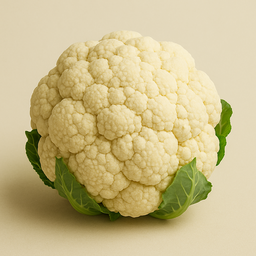 Cauliflower
 Activates sulforaphane — up to 4x more bioactive compound
Cramer & Jeffery (2011) in Nutrition and Cancer showed that adding mustard to cooked broccoli increased sulforaphane absorption by a factor of 4.
Technical: Cauliflower contains glucoraphanin, a precursor to sulforaphane. The enzyme myrosinase converts this, but is destroyed by heat. Mustard (seed) contains active myrosinase that enables this conversion.
What does this mean for you? Cooked cauliflower loses most of its enzymatic conversion to sulforaphane. Add a teaspoon of mustard after cooking, and you still get up to 4x more sulforaphane — a bioactive compound intensively studied in science. Sprinkle mustard seeds over your cauliflower mash or stir-fry!
Mustard Seeds 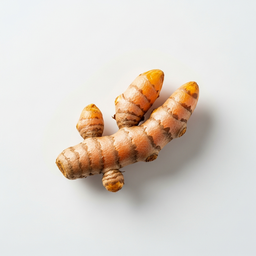 Turmeric
 Allyl isothiocyanate + curcumin for dual bioactive action
Technical: Mustard seed contains sinigrin that when ground is converted by myrosinase into allyl isothiocyanate (AITC) — an isothiocyanate that activates the Nrf2 pathway for antioxidant enzyme production. Turmeric's curcumin modulates NF-κB signal transduction. Together they activate defense (Nrf2 via mustard) and modulate signaling cascades (NF-κB via turmeric) — the two main pillars of cellular defense. Studies show isothiocyanates + curcumin work synergistically against colon cancer.
What does this mean for you? Use mustard seed with turmeric in curries, marinades or dressings. The mustard activates your own protective enzymes, the turmeric modulates signaling cascades — together a powerful duo.
Mustard Seeds 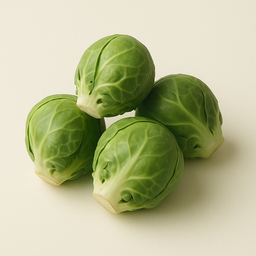 Brussels Sprouts
 Restores sulforaphane formation after cooking
Technical: Brussels sprouts are rich in glucosinolates (sulfur compounds). Heating inactivates the enzyme myrosinase, preventing sulforaphane formation. Mustard provides external myrosinase.
What does this mean for you? Brussels sprouts are remarkably rich in glucosinolates, but cooking destroys an important enzyme. Simple solution: mix your sprouts with some mustard or sprinkle mustard seeds on top. The mustard restores the enzymatic conversion lost during cooking. Perfect for Christmas sprouts!
Recipes with Mustard Seeds
Discover delicious recipes featuring mustard seeds:
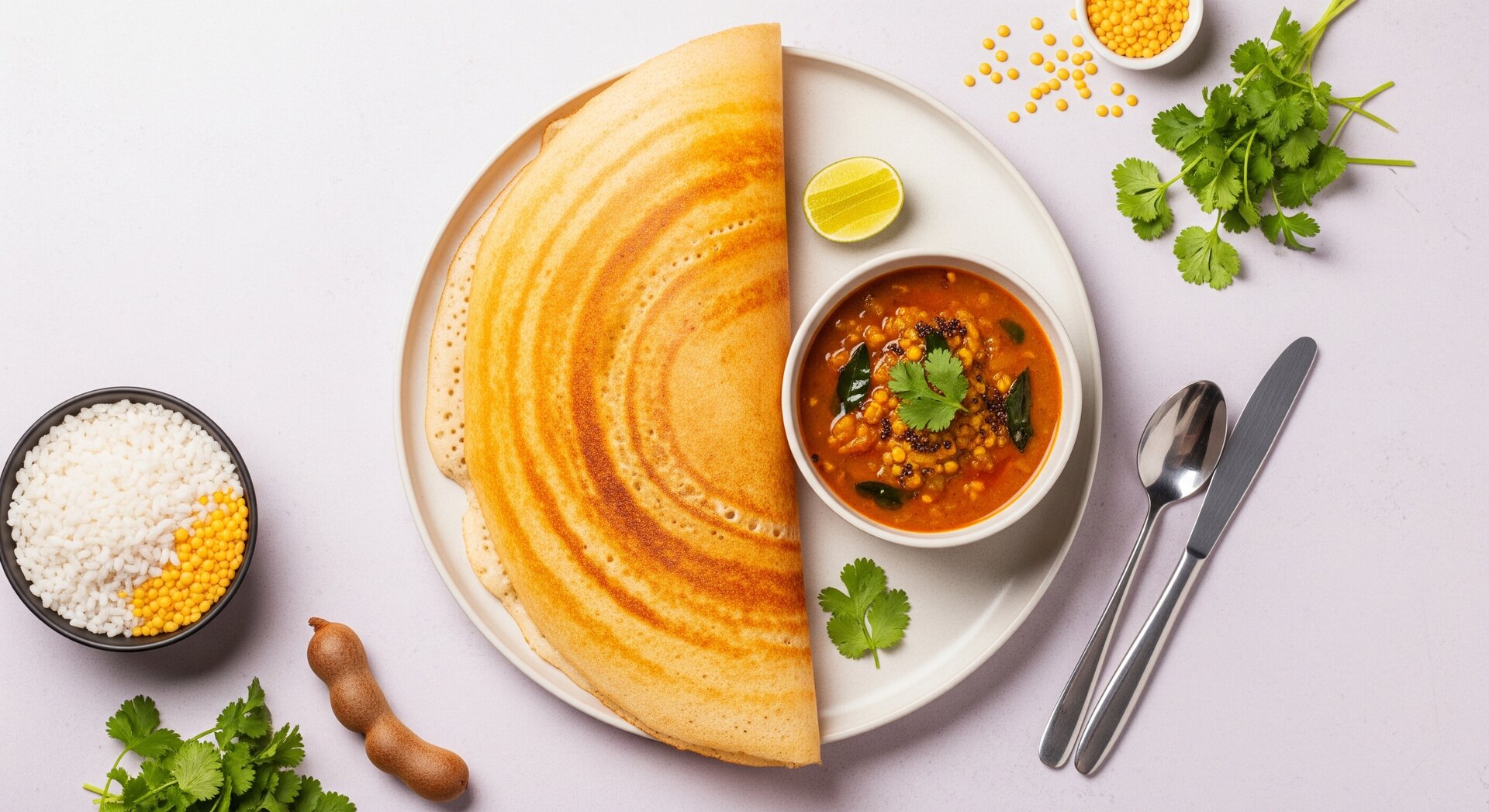 Indian Dosa with Sambar 45 min Crispy rice-lentil pancake with spicy vegetable stew
  591 kcal
  22g protein 1 synergies
 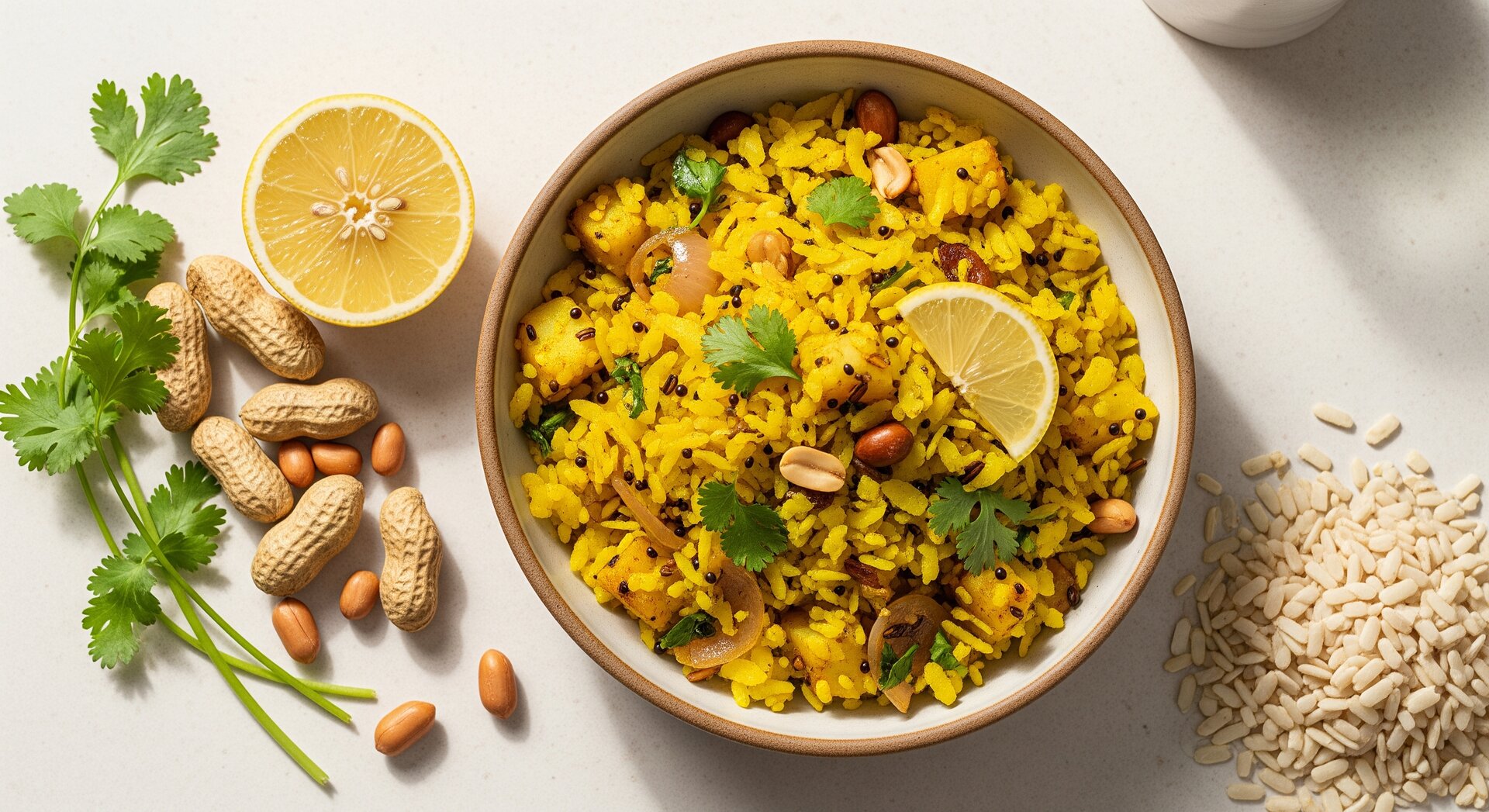 Indian Poha 25 min Light and spicy breakfast of flattened rice 340 kcal 8g protein 1 synergies
 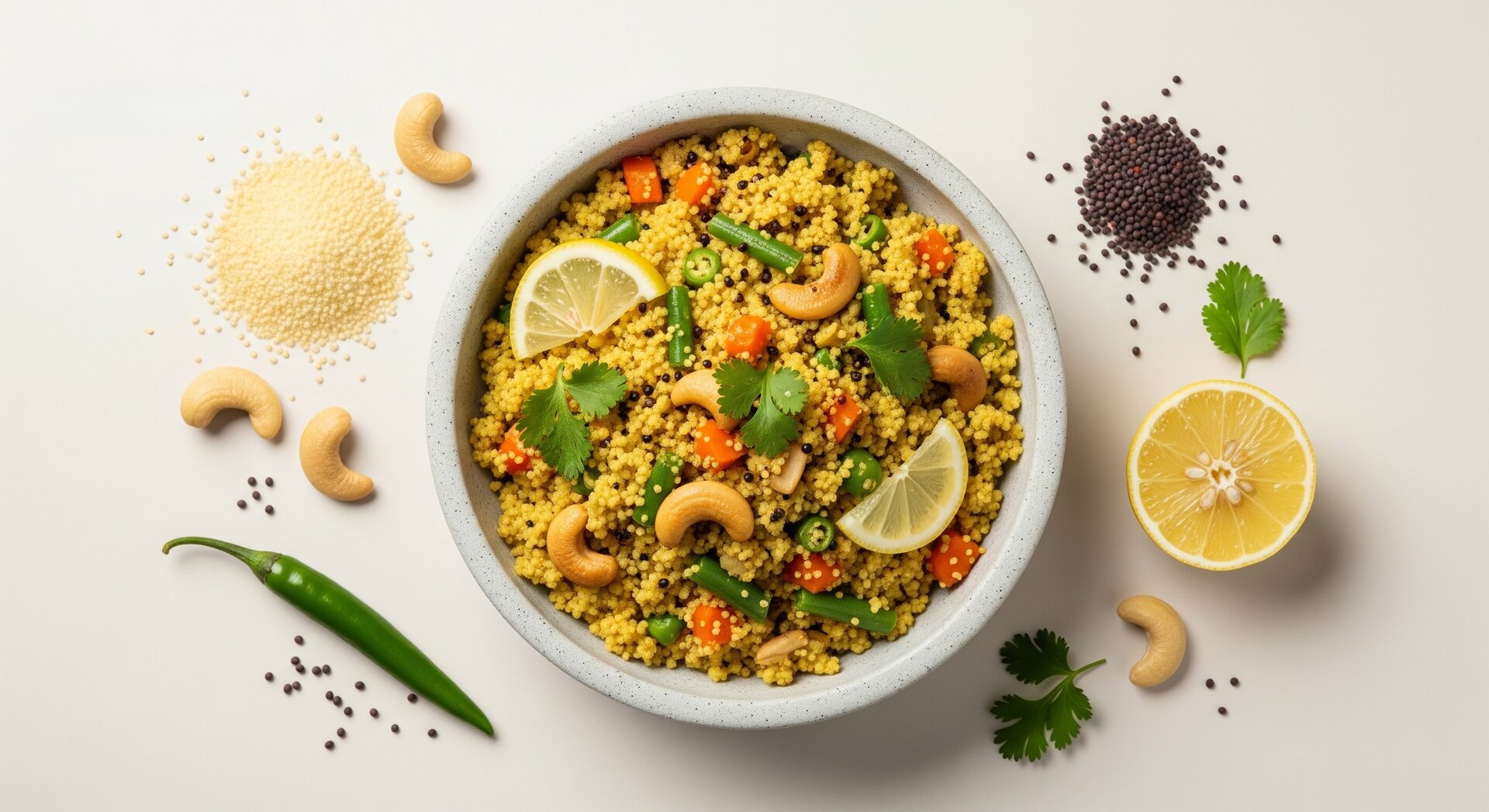 Indian Upma with Vegetables and Cashew 25 min Hearty South Indian semolina bowl with cashew nuts 529 kcal 15g protein 1 synergies
 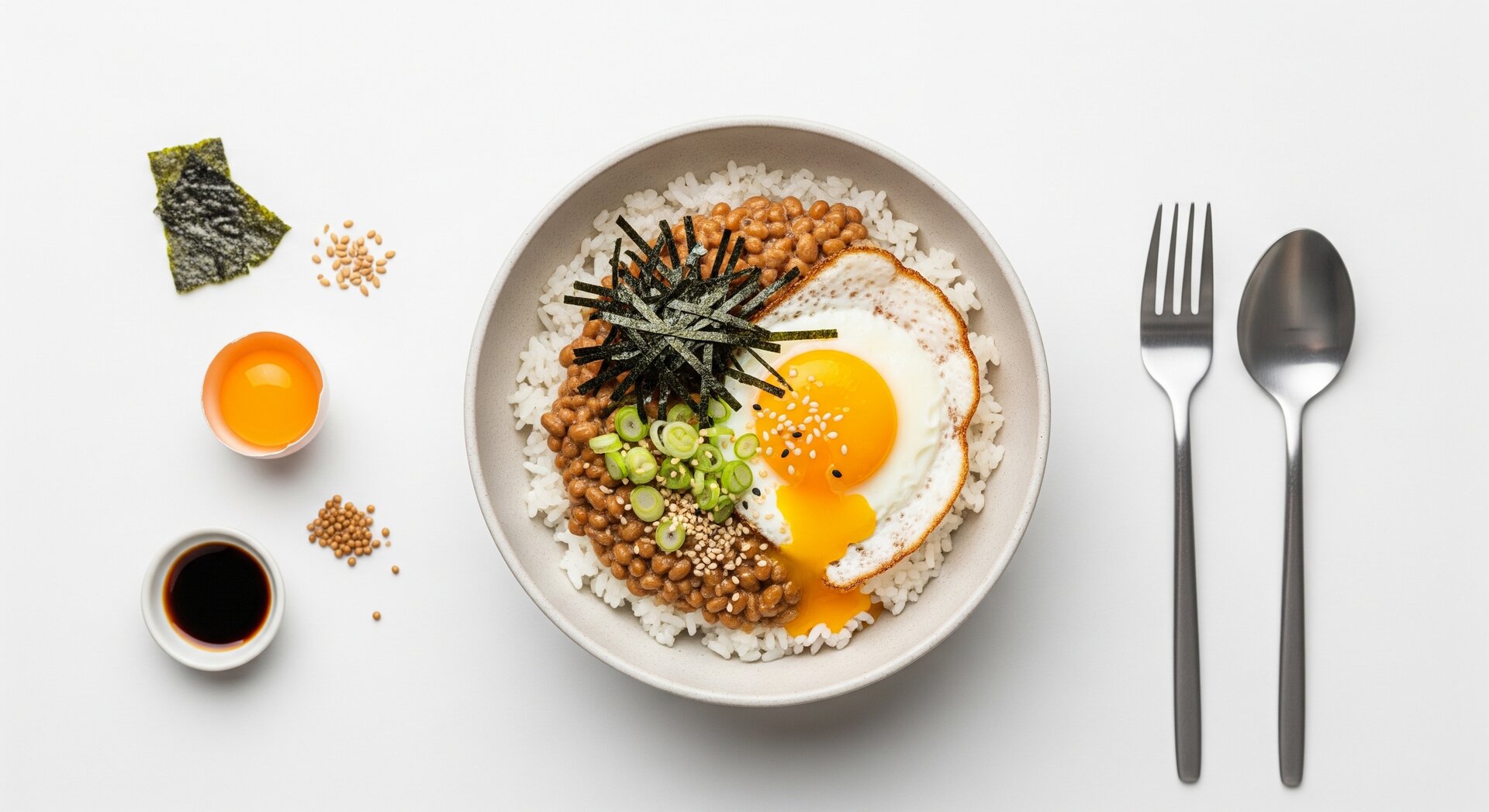 Japanese Natto Rice with Egg and Seaweed 20 min Fermented soybeans on warm rice with fried egg and nori 353 kcal 20g protein 1 synergies
 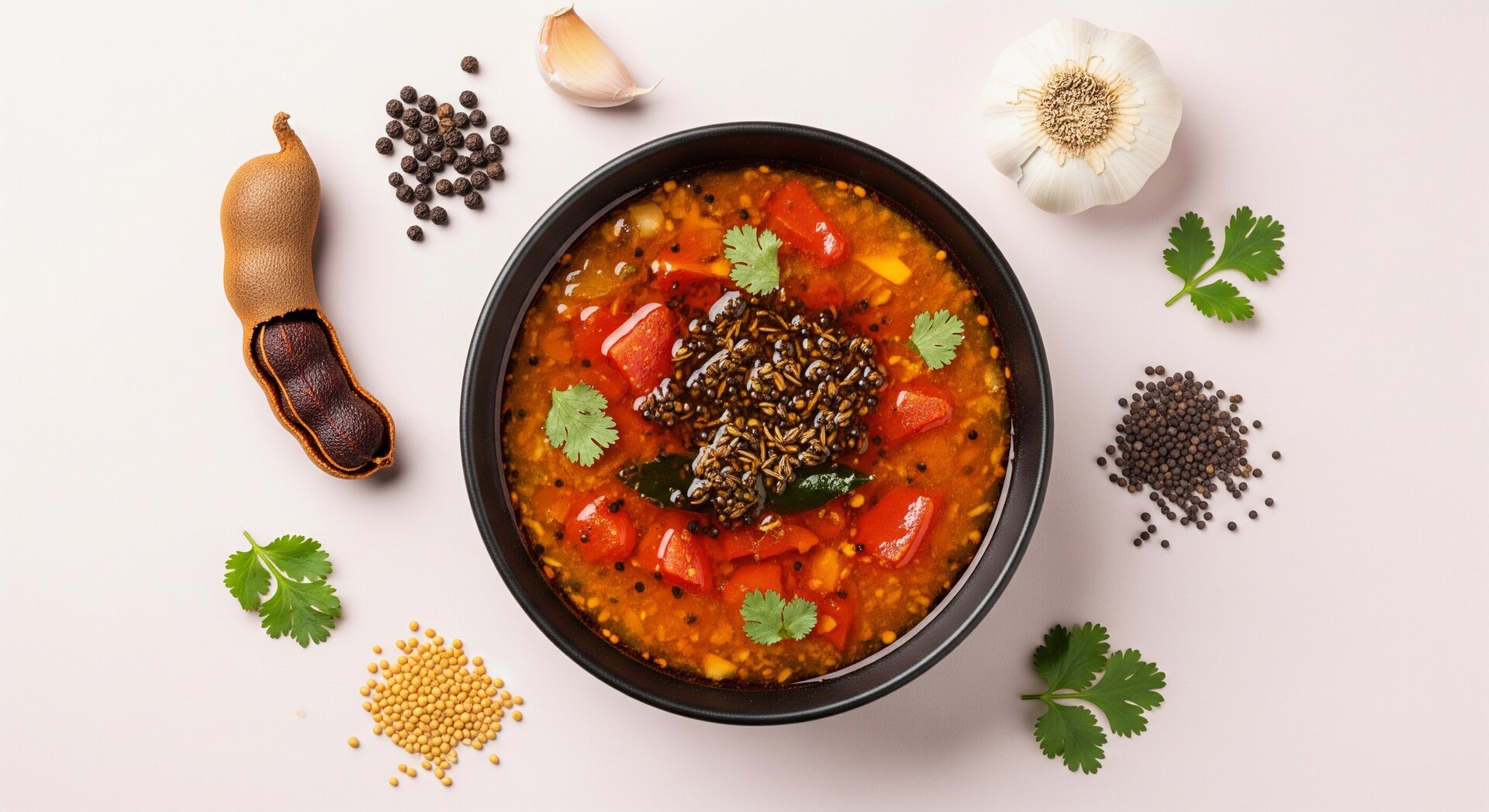 Rasam - Indian Pepper Soup with Tomato 30 min Spicy South Indian tomato soup with tamarind, black pepper and spices 209 kcal 9g protein 2 synergies
  In the Kitchen
Storage
Location:Pantry
Shelf life:2-3 jaar (hele zaden)
Whole seeds retain myrosinase activity longer. Store airtight and dark.
Preparation
Let 'pop' in hot oil (30-60 sec) as base for tadka/tempering. Then add crucifers. Or sprinkle ground seed over cooked broccoli/cabbage for sulforaphane boost.
Conversions
Substitutes
Smart preparation
1Heat mustard seeds in oil until they start to pop.
Why?
Popping indicates the nutty flavor has been activated.
2Cover the pan when popping; the seeds jump in all directions.
3Grind mustard seeds and mix with vinegar and salt for homemade mustard.
Caution / Warnings
Mustard Seeds is very safe, but there are scientific considerations:
Acid reflux (GERD) Moderate
Spicy isothiocyanates may worsen symptoms. Start with small amounts.
Thyroid disorders Moderate
Glucosinolates may affect thyroid function at high doses. Culinary amounts are safe.
Traditional use
Ayurveda
Sarshapa in Ayurveda
Mustard seed (sarshapa) has been used in Ayurveda for thousands of years as a warming spice and in traditional external applications such as mustard oil massages.
Mediterranean
Biblical and Greco-Roman tradition
Mustard seed is used as a parable in the Bible (Matthew 13:31-32) and was one of the most traded spices in the Greco-Roman world.
Summary
Mustard seed is the secret partner for broccoli and cabbage: its myrosinase enzyme restores sulforaphane production that cooking destroys (4x more!). Bonus: a spicy, low-calorie flavour enhancer. Let seeds 'pop' in hot oil for best results.