- Easy
- 25 min
- 2 serv.
- 8 synergies
- Now at its best: Onion
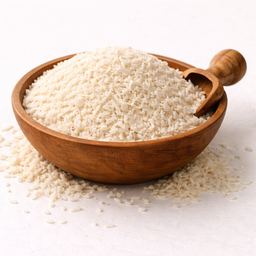
A traditional Indian breakfast from Maharashtra. Poha is easily digestible, quick to make and full of flavor from turmeric, mustard and coriander.
The sound of mustard seeds crackling and popping in hot oil — that's how every morning begins in Maharashtra. Poha is the breakfast you put on the table in ten minutes, yet it tastes like an hour of love went into it. The flattened rice flakes eagerly absorb the golden hue of turmeric, turning light and fluffy after a quick rinse under the tap. Crunchy peanuts, soft potato cubes, the kick of green chili, and then that generous splash of lemon juice that brings everything together at the end. At every train station in India you'll find vendors with steaming pans of poha — the dish that gives you a smile for just a few rupees. Scatter fresh coriander over it and eat straight from the pan, with your hands, the way it's meant to be.
- 10
- min prep
- 15
- min cook
- 25
- min total
Nutritional Synergies
This recipe combines ingredients that enhance each other:
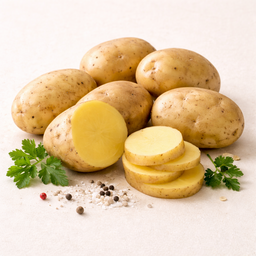 Potato
 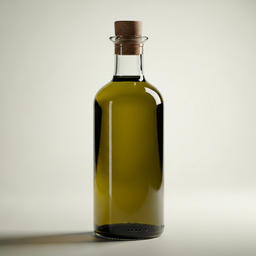 Olive Oil
 Olive oil improves carotenoid absorption from yellow potatoes
Technical: Yellow potato varieties contain up to 400μg carotenoids per 100g, including lutein and violaxanthin. These are fat-soluble and only 5-10% absorbed without fat. Olive oil's oleic acid (73%) forms mixed micelles increasing absorption up to 3x.
What does this mean for you? Roast or fry potatoes in olive oil — this significantly increases carotenoid absorption. Choose yellow varieties for maximum effect.
General WellnessSkin & Hair
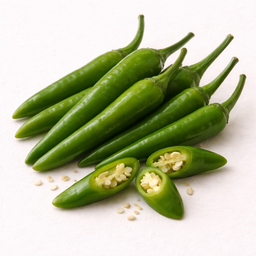 Green Chili Pepper Olive Oil
 Fat improves absorption of green pepper's carotenoids and vitamin K
Technical: Green pepper contains 208μg beta-carotene, 341μg lutein+zeaxanthin and 7.4μg vitamin K per 100g — all fat-soluble. Additionally, green pepper contains 80mg vitamin C (133% RDI) which as water-soluble antioxidant protects fat-soluble carotenoids from oxidation during absorption.
What does this mean for you? Sauté green pepper in olive oil or roast them. The oil makes fat-soluble vitamins absorbable. Though green pepper has fewer carotenoids than red, it still provides plenty of vitamin C.
Immune SystemGeneral Wellness
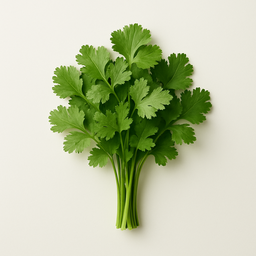 Cilantro
 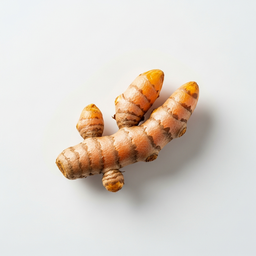 Turmeric
 Linalool + curcumin for enhanced bioactive action
Technical: Coriander's linalool and coriander oil are studied in relation to lipoxygenase modulation. Turmeric's curcumin modulates NF-κB and COX-2 signal transduction. Together they cover more bioactive signaling pathways than each herb alone.
What does this mean for you? Use coriander and turmeric together in curries and Indian dishes — a traditional combination that is scientifically supported.
Anti-inflammatoryDigestionAntioxidants
Turmeric 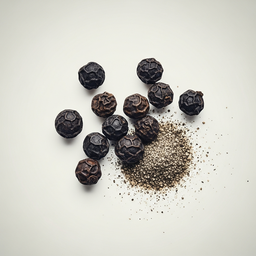 Black Pepper
 Increases curcumin absorption by 2000%
Technical: Curcumin from turmeric has bioavailability below 1% due to rapid glucuronidation in the liver. Piperine from black pepper inhibits UGT (UDP-glucuronosyltransferase) and CYP3A4, preventing curcumin breakdown. This increases bioavailability by 2000% (20x). Use ratio ¼ teaspoon pepper to 1 teaspoon turmeric.
What does this mean for you? ALWAYS add black pepper when using turmeric. Without pepper your body absorbs virtually nothing — with pepper 20x more. This is the most important food synergy there is.
Anti-inflammatoryJointsFocus
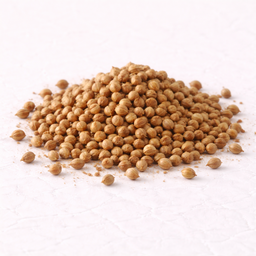 Mustard Seeds Turmeric
 Allyl isothiocyanate + curcumin for dual bioactive action
Technical: Mustard seed contains sinigrin that when ground is converted by myrosinase into allyl isothiocyanate (AITC) — an isothiocyanate that activates the Nrf2 pathway for antioxidant enzyme production. Turmeric's curcumin modulates NF-κB signal transduction. Together they activate defense (Nrf2 via mustard) and modulate signaling cascades (NF-κB via turmeric) — the two main pillars of cellular defense. Studies show isothiocyanates + curcumin work synergistically against colon cancer.
What does this mean for you? Use mustard seed with turmeric in curries, marinades or dressings. The mustard activates your own protective enzymes, the turmeric modulates signaling cascades — together a powerful duo.
Anti-inflammatoryImmune System
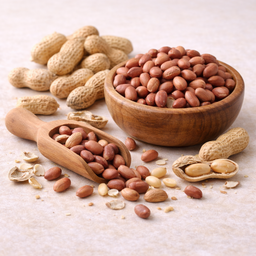 Peanuts Turmeric
 Resveratrol + curcumin = double SIRT1 activation (longevity)
Technical: Peanuts contain resveratrol (0.05-1.8μg/g) and turmeric contains curcumin (3-5%). Both activate SIRT1 (sirtuins, 'longevity genes') via different mechanisms: resveratrol binds directly to SIRT1, curcumin increases NAD+ (the cofactor SIRT1 needs). This improves mitochondrial function, activates autophagy (cell cleaning) and modulates NF-κB signaling.
What does this mean for you? Use peanuts and turmeric together in a Thai curry or satay sauce. The two compounds activate the same sirtuin genes through two entry points — double effect.
Anti-inflammatoryGeneral WellnessHeart
Peanuts Black Pepper Piperine increases resveratrol absorption
Technical: Peanuts contain resveratrol, but absorption is extremely low (<1%) due to rapid breakdown in liver and gut. Piperine from black pepper inhibits the enzymes CYP3A4 and glucuronidation that break down resveratrol, increasing bioavailability 10-30x. Same mechanism as turmeric + pepper.
What does this mean for you? Add black pepper to dishes with peanuts — satay sauce with peppercorns or roasted peanuts with pepper. The pepper slows resveratrol breakdown so your body absorbs much more.
Anti-inflammatoryHeartWeight Loss
Black Pepper Olive Oil Fat increases piperine absorption and enhances polyphenols
Technical: Piperine is fat-soluble and absorbed 2-3x better with dietary fat. Olive oil's oleocanthal and piperine both modulate COX signal transduction through different mechanisms, providing additive bioactive effect.
What does this mean for you? Grind fresh pepper over salads with olive oil dressing. The combination enhances both pepper absorption and bioactive action.
Anti-inflammatoryHeartDigestion
Instructions
- 1 Rinse the poha under cold water and drain for 5 minutes.
- 2 Heat oil in a pan over medium heat and add mustard seeds until they splutter.
Nutrition per serving
Indicative values per serving.
Timing & Suitability
Shelf life: 1 days in fridge
Tags & Diet
Allergens: Peanuts