- Easy
- 20 min
- 2 serv.
- 5 synergies
- Fully in season
A traditional Japanese breakfast of natto (fermented soybeans) on warm rice with a fried egg and crispy nori strips. The sticky strings of the natto, the creamy yolk and the salty seaweed together form a unique flavor palette.
There are mornings when you stir chopsticks through a box of natto and it starts to pull — long, sticky strings that grow longer the faster you stir. Thirty times, forty times, until the beans are almost frothy and that unmistakable aroma rises: earthy, fermented, a touch nutty. On a mound of steaming jasmine rice you spoon it on top. An egg — preferably sunny side up, with a yolk that still just flows — slides beside it. Strips of nori draped over, so dark green they are almost black, and the sharpness of spring onion. The first bite is always a small shock if you are not used to natto: that sticky texture, that deep fermented flavor. But by the third bite you understand why Japan has been breakfasting on this for centuries.
- 5
- min prep
- 15
- min cook
- 20
- min total
Nutritional Synergies
This recipe combines ingredients that enhance each other:
 Spring Onion
  Eggs
Eggs Allyl sulfides + cysteine for glutathione production
Technical: Green onion contains allyl sulfides that induce glutathione S-transferase. Eggs provide 272mg cysteine per 100g — the rate-limiting precursor for glutathione (GSH) synthesis. Together they increase both production and utilization of glutathione, the body's main intracellular antioxidant.
What does this mean for you? Scrambled eggs or omelet with green onion is an ideal breakfast. Sulfur compounds from green onion activate glutathione S-transferase, while cysteine from eggs provides the building block for glutathione. Two ingredients, one biochemical system.
AntioxidantsImmune System
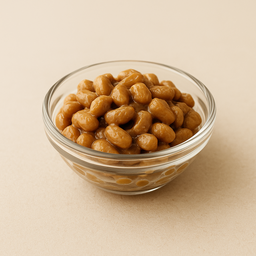 Natto Eggs
 Vitamin K2 + D synergy for calcium metabolism
Technical: Natto is the richest food source of vitamin K2 (menaquinone-7, 1100μg/100g). Eggs provide vitamin D3 (82 IU per egg) and choline. K2 activates osteocalcin (which directs calcium to bones) and MGP (which keeps calcium out of blood vessels), but needs vitamin D to enable calcium absorption in the gut in the first place. Without D, K2 doesn't work optimally.
What does this mean for you? Eat natto with your egg breakfast — this is a traditional Japanese breakfast. The K2 directs calcium to your bones, while vitamin D from the eggs enables calcium absorption in the gut.
JointsHeart
Natto Spring Onion Nattokinase + allyl sulfides for blood circulation
Technical: Natto contains nattokinase — a fibrinolytic enzyme dissolving blood clots by activating plasminogen. Green onion's allyl sulfides affect platelet aggregation via cyclooxygenase modulation. Together they offer two complementary pathways supporting blood circulation.
What does this mean for you? Natto with green onion is a traditional Japanese breakfast supporting blood circulation two ways. Green onion also masks natto's strong taste for beginners.
HeartAnti-inflammatory
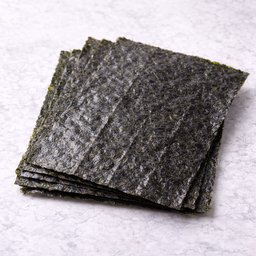 Nori
Nori 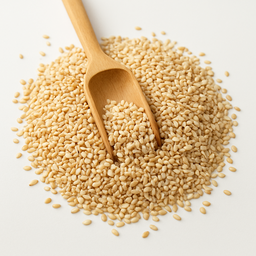 Sesame Seeds
 Classic Asian combination: minerals + healthy fats
Technical: Nori provides iodine and minerals, sesame seeds add calcium (975mg/100g), iron and healthy fats. The combination enhances absorption of fat-soluble vitamins from nori.
What does this mean for you? Sprinkle sesame seeds on your sushi or rice dishes for a more nutritious meal.
JointsEnergyGeneral Wellness
 Olive Oil Sesame Seeds
 Olive oil fats improve absorption of sesame seed minerals and lignans
Technical: Olive oil's monounsaturated fats (oleic acid) improve absorption of fat-soluble lignans from sesame seeds. Additionally, olive oil polyphenols (oleocanthal) and sesame lignans form a broader antioxidant spectrum.
What does this mean for you? Use olive oil in dishes with sesame seeds — for example in an Asian salad or as a base for tahini dressing.
HeartAnti-inflammatorySkin & Hair
Instructions
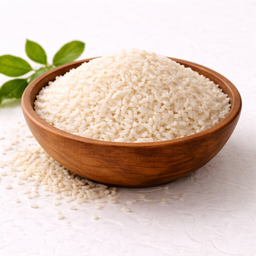
- 1 Cook the rice according to package directions. Keep warm.
Nutrition per serving
Indicative values per serving.
Timing & Suitability
Shelf life: 1 days in fridge
Tags & Diet
Allergens: Eggs, Soy, Sesame