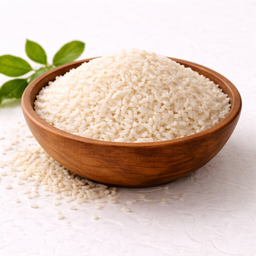
Jasmine Rice
the aromatic Thai rice
What is this ingredient?
Jasmine rice (Oryza sativa var. indica) is a long-grain rice originally from Thailand, known as 'Khao Hom Mali'. The characteristic floral aroma comes from 2-acetyl-1-pyrroline (2AP).
## Aromatic Profile
Buttery et al. (1983) identified 2AP as the primary aroma molecule. The concentration decreases after harvest, making fresh harvest the most aromatic.
## Glycemic Index
White jasmine rice has a relatively high GI (68-80), higher than basmati rice (GI 50-58). For more stable blood sugar, brown jasmine rice may be a better alternative.
## Sports Nutrition
The fast carbohydrate absorption makes jasmine rice popular with athletes. Burke et al. (2011) confirm that fast carbohydrates accelerate glycogen recovery after training.
How does it taste?
Sweet and floral aroma with a soft, slightly sticky texture.
Pairs well with:
Pairs well with coconut milklemongrasslime leafginger and mango.
Did you know...?
- Jasmine rice is named after the jasmine flower for its floral aroma, not its taste.
- The finest jasmine rice comes from Thailand's Surin province and is harvested only once a year.
Nutritional Value & Energy
Per 100g
Jasmine Rice provides energy thanks to natural nutrients .
Per 100g
Minerals
Vitamins
Omega-3 fatty acids
More nutrients
B-Vitamins
Trace Minerals
What's in a serving?
1 serving (dry)
Jasmine Rice naturally contains selenium (15.1 mcg per 100 g).
% of daily reference intake (DRI)
EU-approved nutrition claims
This ingredient contains nutrients for which EFSA-authorized health claims exist (at nutrient level, not ingredient-specific).
Approved health claims (EU)
Selenium EU 432/2012
Selenium contributes to the maintenance of normal hair
Contains 15.1mcg/100g (threshold: ≥8.25mcg/100g)
Selenium EU 432/2012
Selenium contributes to the maintenance of normal nails
Contains 15.1mcg/100g (threshold: ≥8.25mcg/100g)
Selenium EU 432/2012
Selenium contributes to the normal function of the immune system
Contains 15.1mcg/100g (threshold: ≥8.25mcg/100g)
Selenium EU 432/2012
Selenium contributes to normal thyroid function
Contains 15.1mcg/100g (threshold: ≥8.25mcg/100g)
Selenium EU 432/2012
Selenium contributes to normal spermatogenesis
Contains 15.1mcg/100g (threshold: ≥8.25mcg/100g)
Selenium EU 432/2012
Selenium contributes to the protection of cells from oxidative stress
Contains 15.1mcg/100g (threshold: ≥8.25mcg/100g)
What's being researched?
Jasmine rice and glycemic response
The relatively high glycemic index of jasmine rice compared to other rice varieties is being studied. Research focuses on preparation methods that may influence glycemic response.
Supported by: [2] Foster-Powell K (2002)
Good Combinations (Synergy)
Combine jasmine rice smartly to enhance the effect:
Jasmine Rice 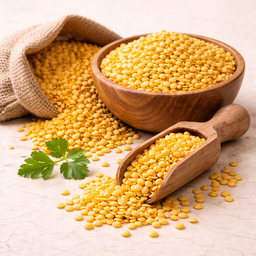 Yellow lentils
 Lentils + rice together form a complete protein profile
Technical: Yellow lentils are rich in lysine but low in methionine, while rice contains plenty of methionine but little lysine. Together they provide all essential amino acids in proper ratios — comparable to animal protein.
What does this mean for you? Dal with rice (khichdi) has been a staple meal in India for thousands of years — and rightly so. It's a complete protein without meat.
Jasmine Rice 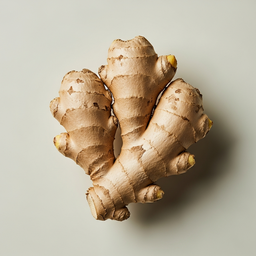 Ginger
 Asian staple combo: ginger improves rice digestion
Technical: Jasmine rice has a relatively high glycemic index (GI 68-80). Ginger contains gingerols that speed gastric emptying and can reduce glycemic response by 10-15%. Ginger also stimulates amylase activity, improving starch digestion.
What does this mean for you? Cook rice with ginger slices (remove before serving) or serve with ginger stir-fry. This is why ginger is so central to Asian cuisine with rice dishes.
Jasmine Rice  Coconut Milk
 Coconut milk lowers glycemic response of rice
Technical: MCTs (medium-chain triglycerides) in coconut milk slow gastric emptying and reduce the glycemic index of rice by 20-30%. The fat also improves absorption of fat-soluble nutrients in the meal.
What does this mean for you? Cook your rice in coconut milk (1:1 water:coconut milk ratio) for creamier, healthier rice. This is the basis of many Thai and Indonesian rice dishes.
Jasmine Rice 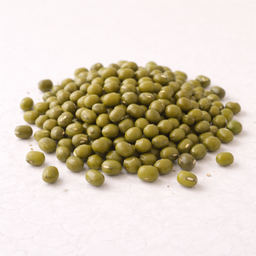 Mung Beans
 Complete proteins through amino acid combination
Technical: Rice is low in lysine but high in methionine. Mung beans are high in lysine but low in methionine. Together they form a complete protein profile with all essential amino acids. This is the basis of khichdi (Indian comfort food).
What does this mean for you? Cook rice with mung beans for a complete protein meal without meat. Add turmeric and ginger for classic khichdi - one of the oldest comfort foods in the world.
Recipes with Jasmine Rice
Discover delicious recipes featuring jasmine rice:
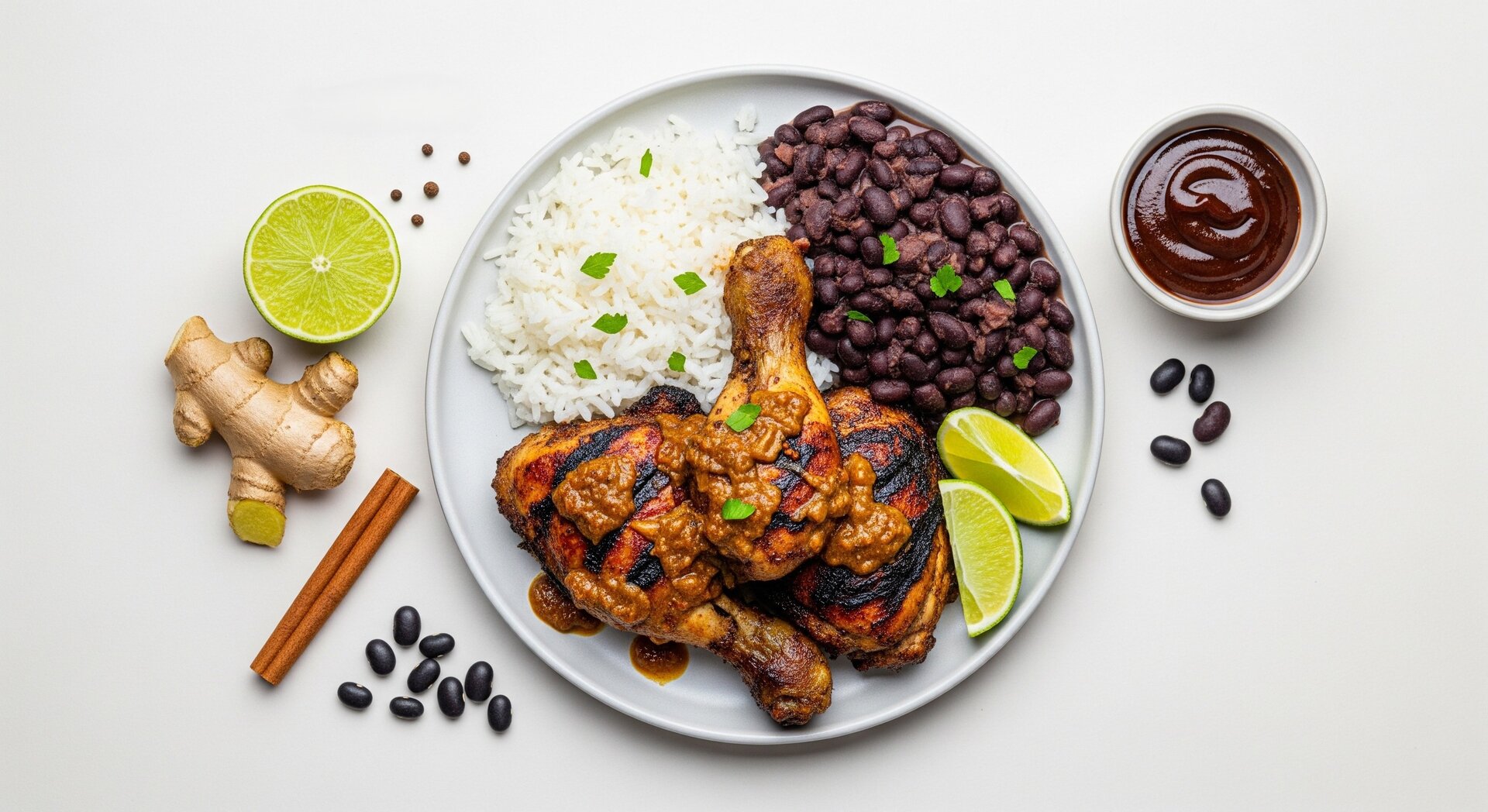 Caribbean Jerk Chicken with Rice and Peas 65 min Spiced chicken with coconut rice and black beans
  868 kcal
  57g protein 1 synergies
 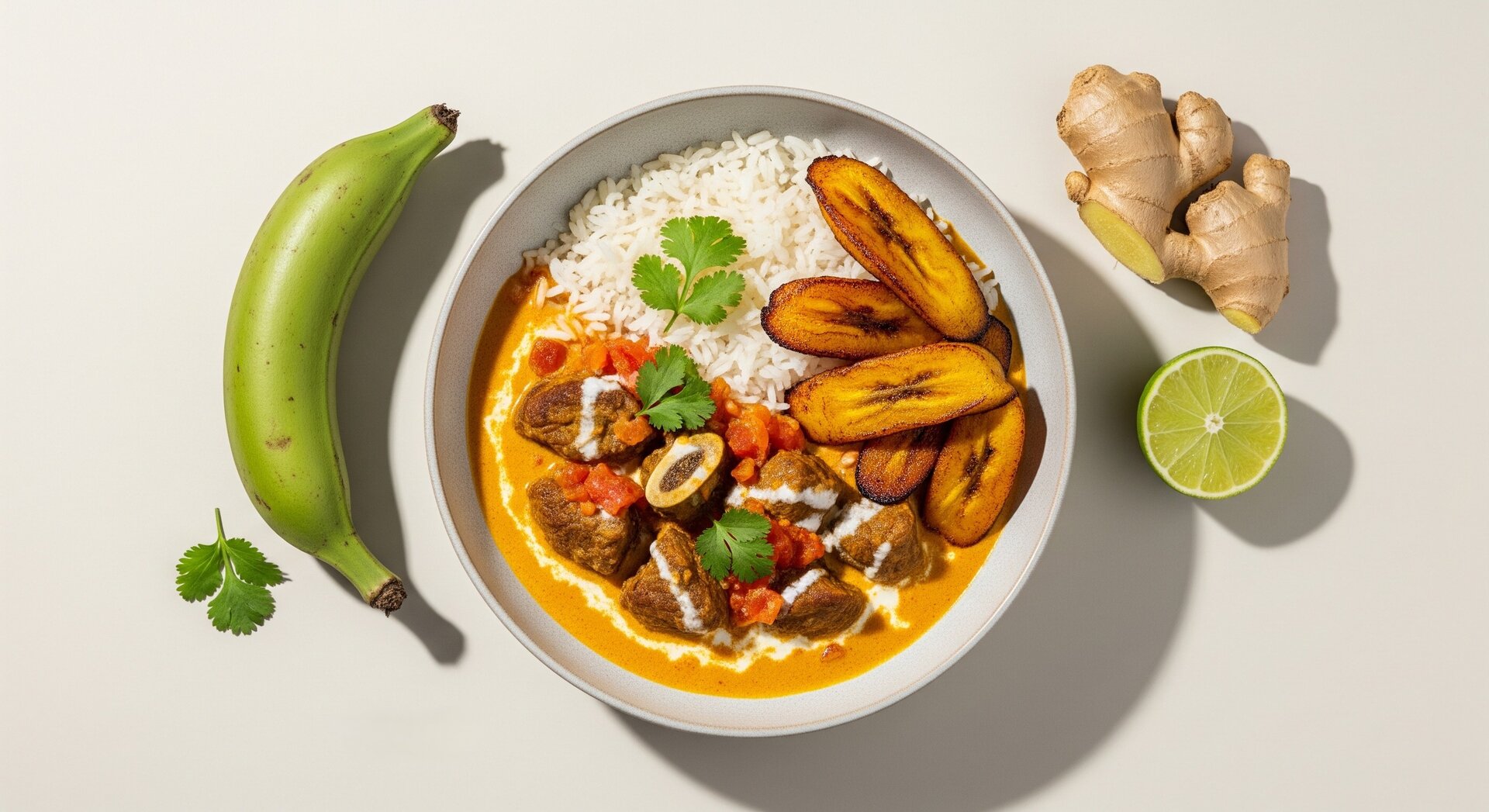 Caribbean Lamb Curry with Rice and Plantain 75 min Spicy curry with coconut milk and sweet plantain 934 kcal 48g protein 1 synergies
 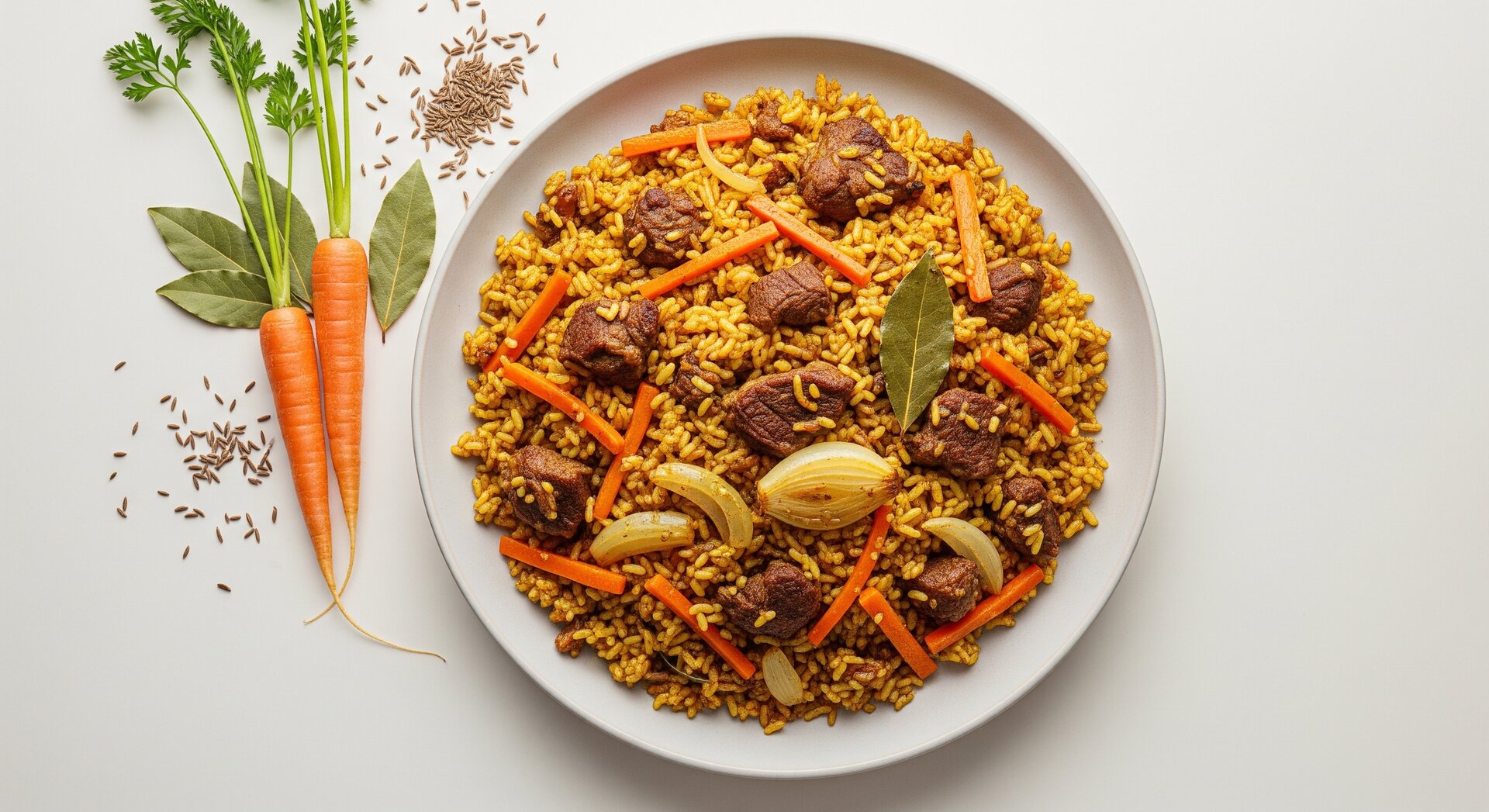 Central Asian Plov with Lamb 60 min Uzbek rice dish with lamb and carrot 679 kcal 43g protein 1 synergies
 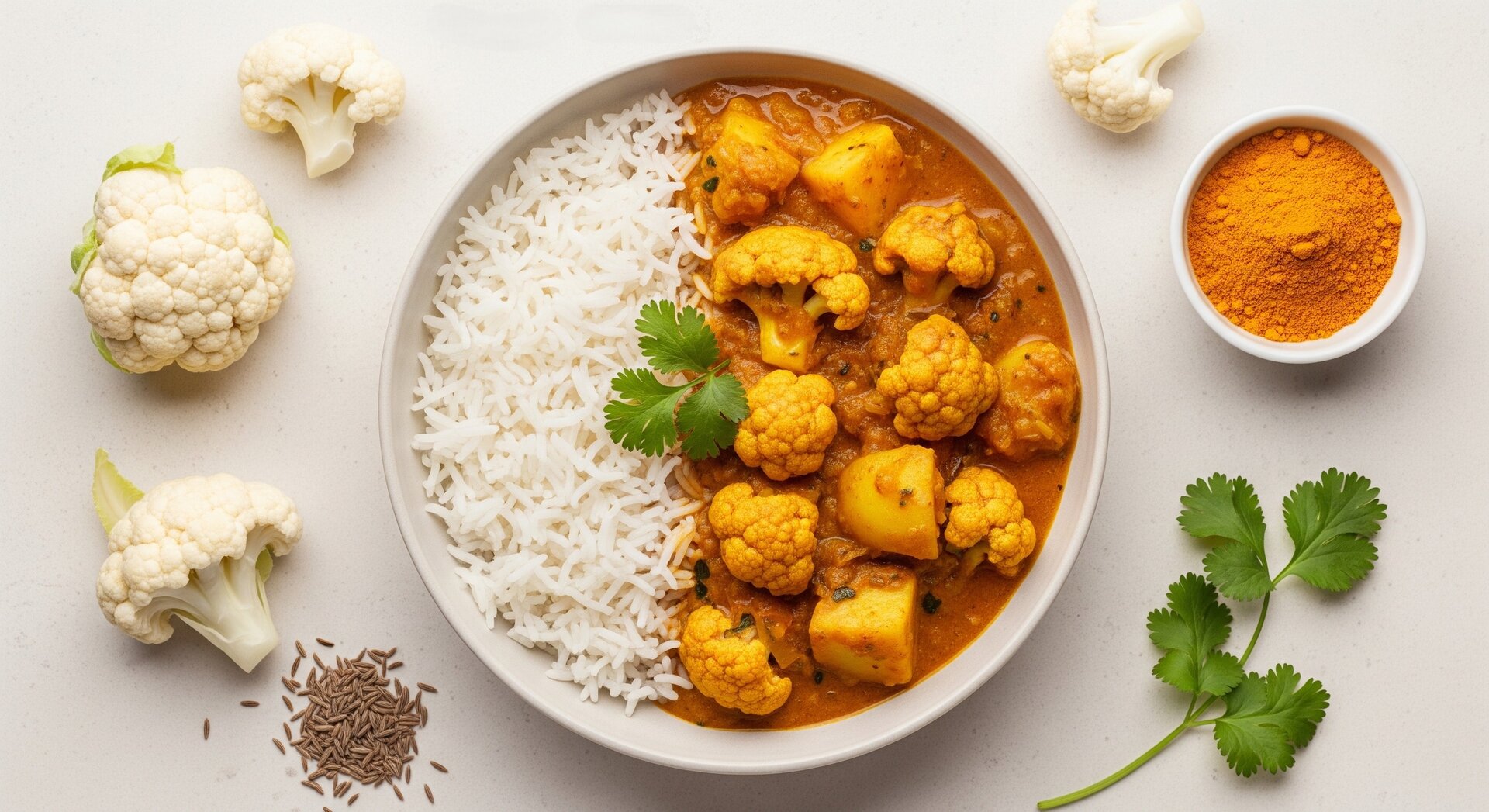 Indian Aloo Gobi with Basmati Rice 50 min Potato-cauliflower curry with turmeric, cumin and garam masala 674 kcal 16g protein 1 synergies
 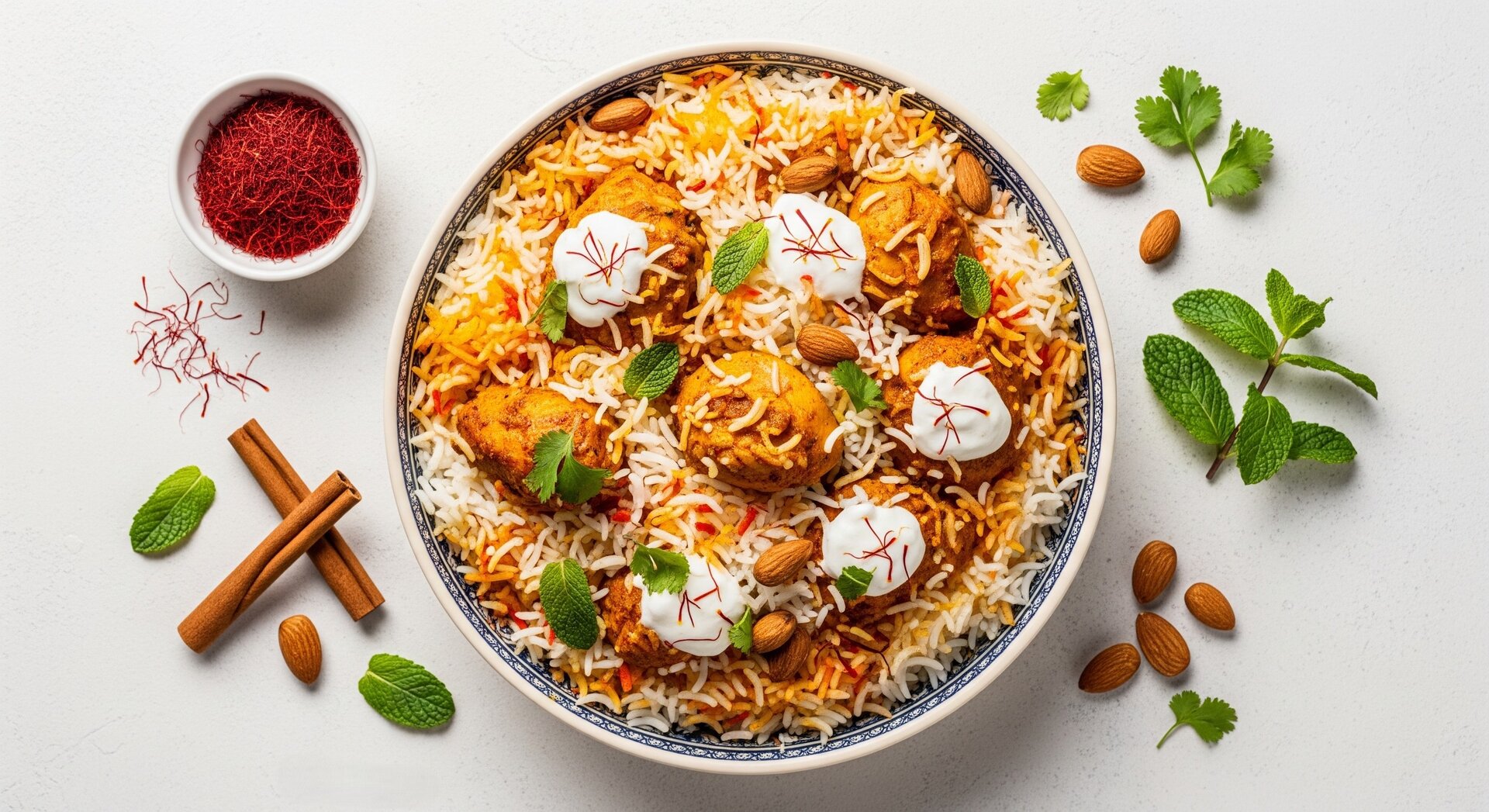 Indian Chicken Biryani with Saffron and Almonds 95 min Layered rice with fragrant chicken and saffron 730 kcal 56g protein 1 synergies
 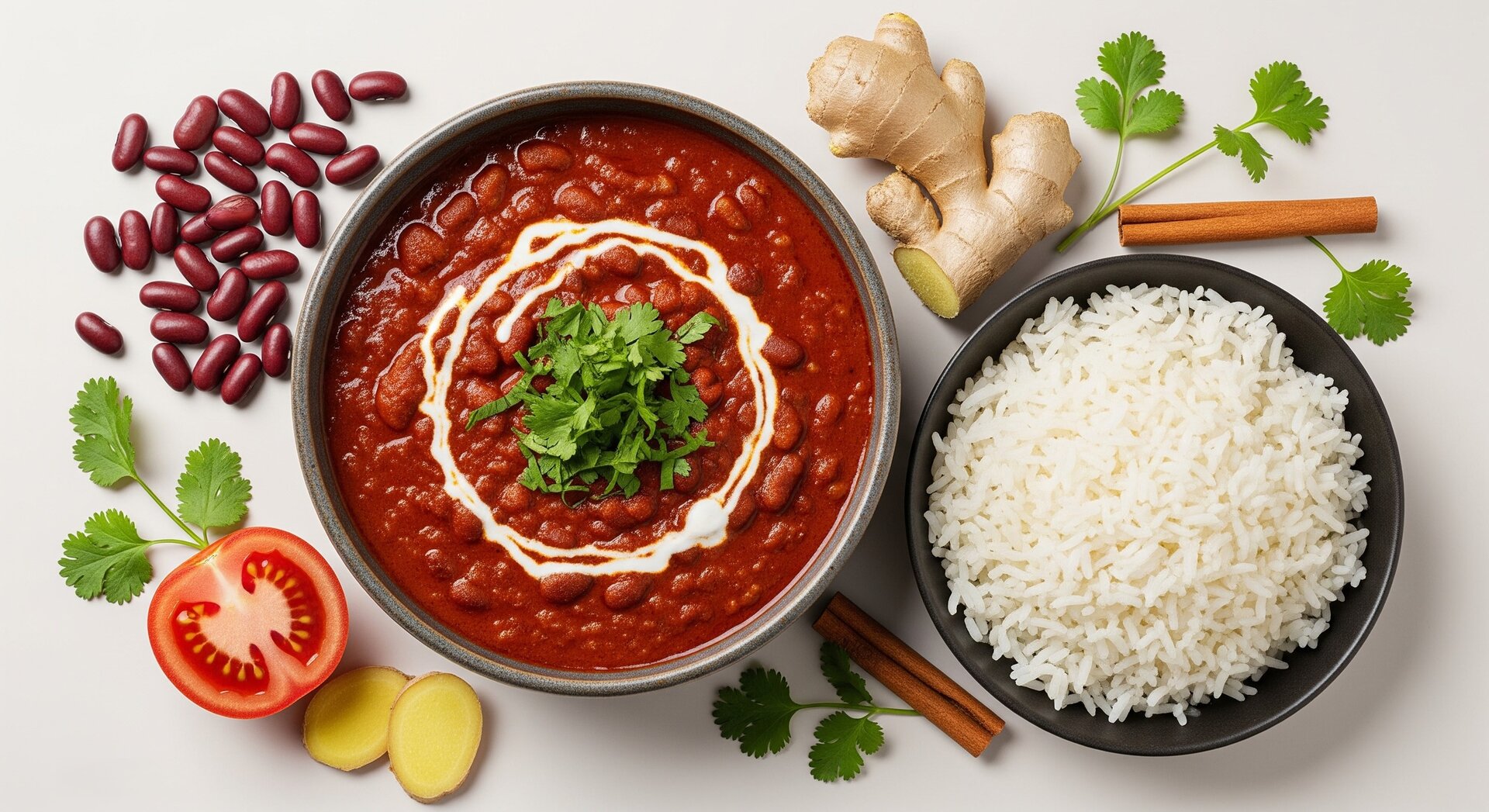 Indian Rajma Masala with Basmati Rice 50 min North Indian red kidney bean curry with garam masala and tomato 688 kcal 25g protein 2 synergies
  In the Kitchen
Storage
Location:Pantry
Shelf life:1-2 jaar droog
Preparation
1:1.5 ratio rice:water. Steam or boil.
Conversions
Substitutes
Smart preparation
1Rinse jasmine rice 2-3 times until the water is less cloudy.
2Use a ratio of 1:1.25 rice to water.
Why?
Jasmine rice needs less water than basmati.
3Cook covered on low heat and do not open the lid.
Why?
Steam escapes and disrupts cooking if you lift the lid.
Caution / Warnings
Jasmine Rice is very safe, but there are scientific considerations:
Diabetes Moderate
High GI (68-80) may cause blood sugar spike
Summary
Jasmine rice is an aromatic Thai rice with high GI, ideal for athletes.