- Medium
- 45 min
- 4 serv.
- 9 synergies
- Now at its best: Garlic
An authentic Indonesian dish with crispy fried tempeh and bitter melon in a sweet-spicy kecap manis sauce. Galangal and lemongrass add a fresh-aromatic accent, while coconut milk tempers the sharp bitterness of the melon.
This is a dish for adventurers. Bitter melon — pare in Indonesian — is a vegetable you won't forget in a hurry. The first bite is inevitably a shock: an intense, green bitterness that goes beyond anything Western cuisine offers. But then the magic of Indonesian cooking kicks in: kecap manis lays a layer of dark sweetness over the bitterness, tamarind adds a fruity tartness, and coconut milk wraps everything in creamy warmth. Alongside it, the tempeh — cubes that come out of the wok crispy and golden, bringing that nutty, fermented flavour so typical of Java. Galangal and lemongrass provide a fresh lift that balances the richness of the sauce. Your palate needs a moment to adjust, but after three bites you won't want to stop.
- 20
- min prep
- 25
- min cook
- 45
- min total
Nutritional Synergies
This recipe combines ingredients that enhance each other:
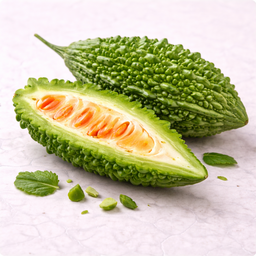 Bitter melon (pare)
 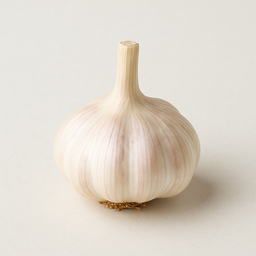 Garlic
 Double glycemic modulation via AMPK and GLUT4 pathways
Technical: Bitter melon's charantin activates AMPK and increases GLUT4 translocation, influencing cellular glucose uptake. Garlic's allicin and S-allylcysteine modulate glycemic response via insulin receptor signaling. Together they influence glycemic response through two independent routes: AMPK/GLUT4 modulation and insulin receptor signaling.
What does this mean for you? Stir-fry bitter melon with garlic — a classic Asian combination. Two bioactive compounds each influencing glycemic response through their own pathway. Garlic also mellows the bitter taste.
Blood SugarHeart
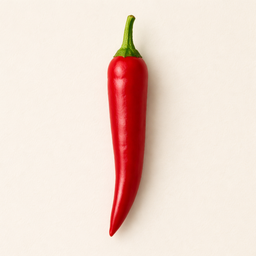 Red chili
 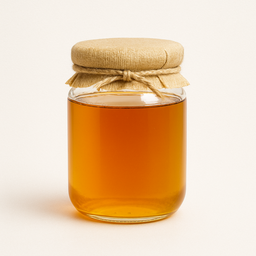 Honey
Honey Capsaicin + bee defensin: complementary bioactive action
Technical: Capsaicin has bioactive action against H. pylori and promotes mucus production in the GI tract. Raw honey contains hydrogen peroxide and bee defensin-1 — bioactive compounds working through broad-spectrum pathways. Capsaicin also stimulates mucosal blood flow, accelerating release of honey's bioactive compounds.
What does this mean for you? Honey-chili combination (hot honey) is tasty and functional. Honey soothes capsaicin's burn while both ingredients provide complementary bioactive compounds. Try on goat cheese or in tea.
Immune SystemDigestion
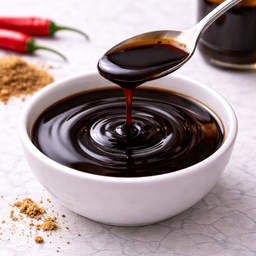 Kecap manis Garlic
 Soy isoflavones + allicin for lipid profile support
Technical: Kecap manis' soy isoflavones (genistein) support vascular function via NO production and modulate the lipid profile. Garlic's allicin modulates ACE and triglycerides. Together they offer lipid profile support via three mechanisms: LDL modulation (isoflavones), ACE modulation (allicin) and vascular support (NO).
What does this mean for you? Marinate meat or tofu in kecap manis with minced garlic. This is not only the tastiest marinade but also rich in bioactive compounds. Marinate for at least 30 minutes for maximum flavor.
HeartImmune System
Garlic Honey Fermented: allicin + bee defensin in traditional condiment
Technical: Raw garlic contains alliin converted by alliinase to allicin — an organosulfur compound with bioactive properties — when cut. Raw honey contains hydrogen peroxide, bee defensin-1 and methylglyoxal. Fermenting garlic in honey increases bioavailability of S-allylcysteine (SAC), a more stable bioactive metabolite.
What does this mean for you? Submerge raw garlic cloves in raw honey and ferment for 2-4 weeks. You get a traditional condiment with concentrated bioactive compounds — an ancient fermentation technique that increases bioavailability.
Immune System
 Coconut milk Honey
 MCTs + prebiotics for gut flora and energy
Technical: Coconut milk contains lauric acid (MCT) that is quickly converted to energy. Honey contains prebiotic oligosaccharides (FOS) feeding beneficial gut bacteria. The combination offers quick energy plus gut flora support.
What does this mean for you? Add honey to coconut milk-based smoothies, chia puddings or warm drinks. The MCTs provide quick energy while the prebiotics feed your gut flora.
EnergyDigestionImmune System
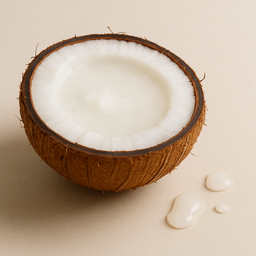 Coconut oil Honey
 MCTs protect honey enzymes — complementary bioactive compounds
Technical: Coconut oil contains lauric acid (48%), a medium-chain fatty acid (MCT). Honey contains glucose oxidase producing hydrogen peroxide. Together they provide complementary bioactive compounds. MCTs also help preserve fat-soluble compounds in honey.
What does this mean for you? Combine coconut oil with honey in energy balls, granola or as coating for snacks. The combination is both flavorful and functional.
Immune SystemEnergyDigestion
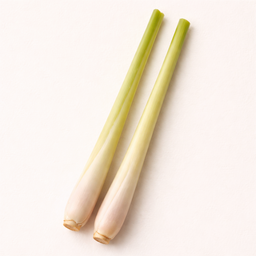 Lemongrass
 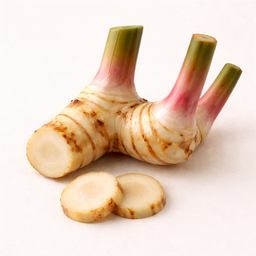 Galangal
 Tom Yum base with bioactive action
Technical: Lemongrass contains citral (geranial + neral) with bioactive action. Galangal contains galangin working bioactively via a different mechanism (enzyme modulation). Together they provide a broad spectrum of bioactive compounds. The broth extracts the volatile oils — Tom Yum is a soup traditionally prepared and enjoyed in Thailand.
What does this mean for you? Tom Yum with fresh lemongrass and galangal is more than just soup — it's a traditional Thai recipe with a broad spectrum of bioactive compounds.
Anti-inflammatoryDigestion
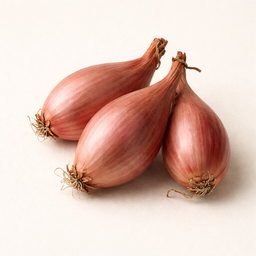 Shallot Garlic
 Complementary Allium sulfur compounds: >15 organosulfur in one combination
Technical: Shallots contain quercetin (32mg/100g) plus allyl propyl disulfide. Garlic contains allicin and ajoene. Together they provide >15 unique organosulfur compounds that influence platelet aggregation signaling and modulate fibrinolysis. Allium crops are intensively studied in epidemiological research.
What does this mean for you? Shallot and garlic together (base of many sauces and stews) combine more than 15 unique organosulfur compounds. The different Allium sulfur compounds complement each other through different biochemical pathways.
HeartAnti-inflammatory
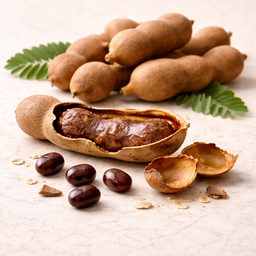 Tamarind paste Coconut milk
 Acid + fat + protein for satay sauce perfection
Technical: Tamarind contains tartaric acid that lowers stomach pH and promotes pepsinogen (protein digestion enzyme) activity. Peanut provides 25g protein and healthy fats. Coconut milk's MCTs improve absorption of fat-soluble compounds. The acid + protein + fat trio optimizes nutrient absorption from the entire dish.
What does this mean for you? Make satay sauce with tamarind, peanut and coconut milk. The acid from tamarind helps better digest proteins from peanut — traditional Indonesian nutritional wisdom.
DigestionMuscle Gain
Ingredients (13)
-
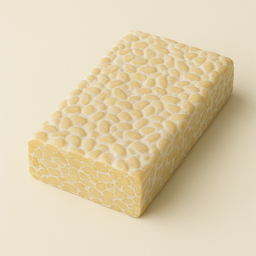 Tempeh — 400 g cut into 2cm cubes
 - Bitter melon (pare) — 2 pcs halved, seeds removed, sliced
- Kecap manis — 3 tbsp
Instructions
- 1 Salt bitter melon and let sit 15 minutes. Rinse and dry (this reduces bitterness).
- 2 Heat oil in a wok. Fry tempeh until golden on all sides (5-6 minutes). Set aside.
Nutrition per serving
Indicative values per serving.
Timing & Suitability
Shelf life: 3 days in fridge
Tags & Diet
Allergens: Soy