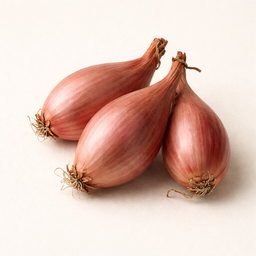
Shallot
The Refined Onion
What is this ingredient?
Shallots grow in clusters, similar to garlic, but taste like an elegant onion with a gentle garlic note. They're a favorite of French chefs because they 'melt' into sauces and vinaigrettes—aroma without the harsh raw-onion bite. They also provide polyphenols (like quercetin) and sulfur compounds, contributing to their profile of bioactive compounds being studied in scientific research.
How does it taste?
Refined sweet and mildly sharp with an elegant, complex onion flavor.
Pairs well with:
Pairs well with red winethymebuttervinegar and mushrooms.
Did you know...?
- The name 'shallot' comes from the ancient city of Ashkelon in Israel, where Crusaders discovered them.
- Shallots are milder and sweeter than onions because they contain more sugars and less pyruvate.
Nutritional Value & Energy
Per 100g
Shallot provides energy thanks to natural nutrients , buffered by fiber.
Per 100g
Minerals
Vitamins
More nutrients
B-Vitamins
Trace Minerals
What's in a serving?
1 serving
Shallot naturally contains vitamin b6 (0.35 mg per 100 g).
Shallot naturally contains folate (34 mcg per 100 g).
Shallot naturally contains potassium (334 mg per 100 g).
Shallot naturally contains manganese (0.3 mg per 100 g).
% of daily reference intake (DRI)
EU-approved nutrition claims
This ingredient contains nutrients for which EFSA-authorized health claims exist (at nutrient level, not ingredient-specific).
Approved health claims (EU)
Potassium EU 432/2012
Potassium contributes to the maintenance of normal blood pressure
Contains 334mg/100g (threshold: ≥300mg/100g)
Folate EU 432/2012
Folate contributes to normal blood formation
Contains 34mcg/100g (threshold: ≥30mcg/100g)
Vitamin_b6 EU 432/2012
Vitamin B6 contributes to normal cysteine synthesis
Contains 0.35mg/100g (threshold: ≥0.21mg/100g)
Vitamin_b6 EU 432/2012
Vitamin B6 contributes to normal energy-yielding metabolism
Contains 0.35mg/100g (threshold: ≥0.21mg/100g)
Vitamin_b6 EU 432/2012
Vitamin B6 contributes to normal functioning of the nervous system
Contains 0.35mg/100g (threshold: ≥0.21mg/100g)
Vitamin_b6 EU 432/2012
Vitamin B6 contributes to normal homocysteine metabolism
Contains 0.35mg/100g (threshold: ≥0.21mg/100g)
Vitamin_b6 EU 432/2012
Vitamin B6 contributes to normal protein and glycogen metabolism
Contains 0.35mg/100g (threshold: ≥0.21mg/100g)
Vitamin_b6 EU 432/2012
Vitamin B6 contributes to normal psychological function
Contains 0.35mg/100g (threshold: ≥0.21mg/100g)
Vitamin_b6 EU 432/2012
Vitamin B6 contributes to normal red blood cell formation
Contains 0.35mg/100g (threshold: ≥0.21mg/100g)
Vitamin_b6 EU 432/2012
Vitamin B6 contributes to the normal function of the immune system
Contains 0.35mg/100g (threshold: ≥0.21mg/100g)
Vitamin_b6 EU 432/2012
Vitamin B6 contributes to the regulation of hormonal activity
Contains 0.35mg/100g (threshold: ≥0.21mg/100g)
Vitamin_b6 EU 432/2012
Vitamin B6 contributes to the reduction of tiredness and fatigue
Contains 0.35mg/100g (threshold: ≥0.21mg/100g)
Folate EU 432/2012
Folate contributes to normal amino acid synthesis
Contains 34mcg/100g (threshold: ≥30mcg/100g)
Folate EU 432/2012
Folate contributes to normal homocysteine metabolism
Contains 34mcg/100g (threshold: ≥30mcg/100g)
Folate EU 432/2012
Folate contributes to normal psychological function
Contains 34mcg/100g (threshold: ≥30mcg/100g)
Folate EU 432/2012
Folate contributes to the normal function of the immune system
Contains 34mcg/100g (threshold: ≥30mcg/100g)
Folate EU 432/2012
Folate has a role in the process of cell division
Contains 34mcg/100g (threshold: ≥30mcg/100g)
Folate EU 432/2012
Folate contributes to maternal tissue growth during pregnancy
Contains 34mcg/100g (threshold: ≥30mcg/100g)
Manganese EU 432/2012
Manganese contributes to normal energy-yielding metabolism
Contains 0.3mg/100g (threshold: ≥0.3mg/100g)
Manganese EU 432/2012
Manganese contributes to the maintenance of normal bones
Contains 0.3mg/100g (threshold: ≥0.3mg/100g)
Manganese EU 432/2012
Manganese contributes to the normal formation of connective tissue
Contains 0.3mg/100g (threshold: ≥0.3mg/100g)
Manganese EU 432/2012
Manganese contributes to the protection of cells from oxidative stress
Contains 0.3mg/100g (threshold: ≥0.3mg/100g)
Potassium EU 432/2012
Potassium contributes to normal functioning of the nervous system
Contains 334mg/100g (threshold: ≥300mg/100g)
Potassium EU 432/2012
Potassium contributes to normal muscle function
Contains 334mg/100g (threshold: ≥300mg/100g)
What's being researched?
Flavonoids and antioxidant capacity
Shallots contain higher concentrations of flavonoids than regular onions, which is being studied for antioxidant activity. Comparative studies consistently show higher polyphenol levels.
Supported by: [1] Leelarungrayub (2006)
Organic sulfur compounds
Organic sulfur compounds in shallots are being studied for their biological activity in laboratory research. In-vitro studies show interaction with various microorganisms.
Supported by: [1] Leelarungrayub (2006) , [2] Laoung-On J (2026)
Good Combinations (Synergy)
Combine shallot smartly to enhance the effect:
Shallot 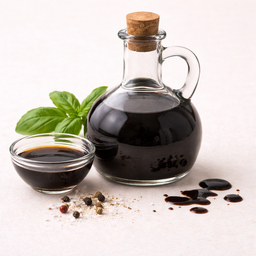 Balsamic Vinegar
 Quercetin + acetic acid: double glycemic modulation
Technical: Shallots contain 32mg quercetin per 100g — a flavonoid that inhibits α-glucosidase, slowing carbohydrate breakdown. Balsamic vinegar contains 6% acetic acid that delays gastric emptying and modulates postprandial glycemic response by 20-30%. Together they influence glycemic response via two complementary routes.
What does this mean for you? Use a balsamic-shallot dressing with carb-rich meals. Quercetin slows carbohydrate breakdown, acetic acid delays gastric emptying — double glycemic modulation in one dressing.
Shallot 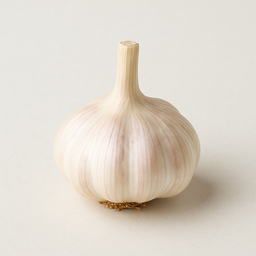 Garlic
 Complementary Allium sulfur compounds: >15 organosulfur in one combination
Technical: Shallots contain quercetin (32mg/100g) plus allyl propyl disulfide. Garlic contains allicin and ajoene. Together they provide >15 unique organosulfur compounds that influence platelet aggregation signaling and modulate fibrinolysis. Allium crops are intensively studied in epidemiological research.
What does this mean for you? Shallot and garlic together (base of many sauces and stews) combine more than 15 unique organosulfur compounds. The different Allium sulfur compounds complement each other through different biochemical pathways.
Shallot 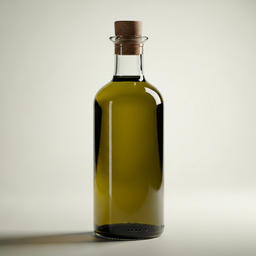 Olive Oil
 Fat improves quercetin bioavailability from shallot
Technical: Shallots contain 32mg quercetin per 100g in highly concentrated form. Quercetin is lipophilic and 50-70% better absorbed with fats. Olive oil facilitates micelle formation and lymphatic transport. Sautéing shallots in olive oil (soffritto) also improves flavor through Maillard reactions.
What does this mean for you? Always sweat shallots in olive oil — the base of many French and Asian dishes. Oil doubles quercetin absorption, a well-studied flavonoid associated in research with histamine binding.
Recipes with Shallot
Discover delicious recipes featuring shallot:
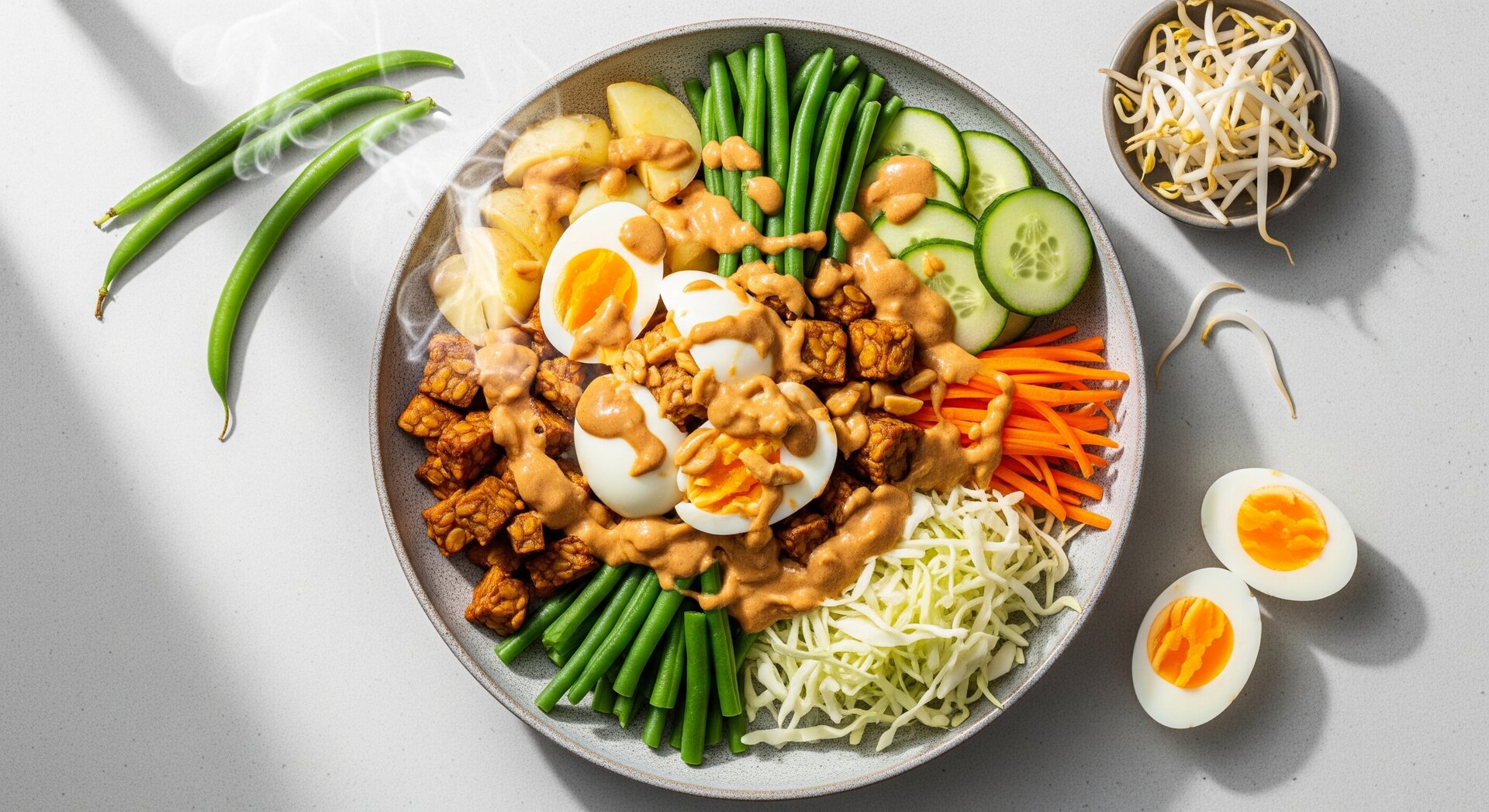 Indonesian Gado-Gado with Peanut Sauce & Tempeh 35 min Indonesian salad with fried tempeh, vegetables, egg and creamy peanut sauce
  742 kcal
  34g protein 2 synergies
 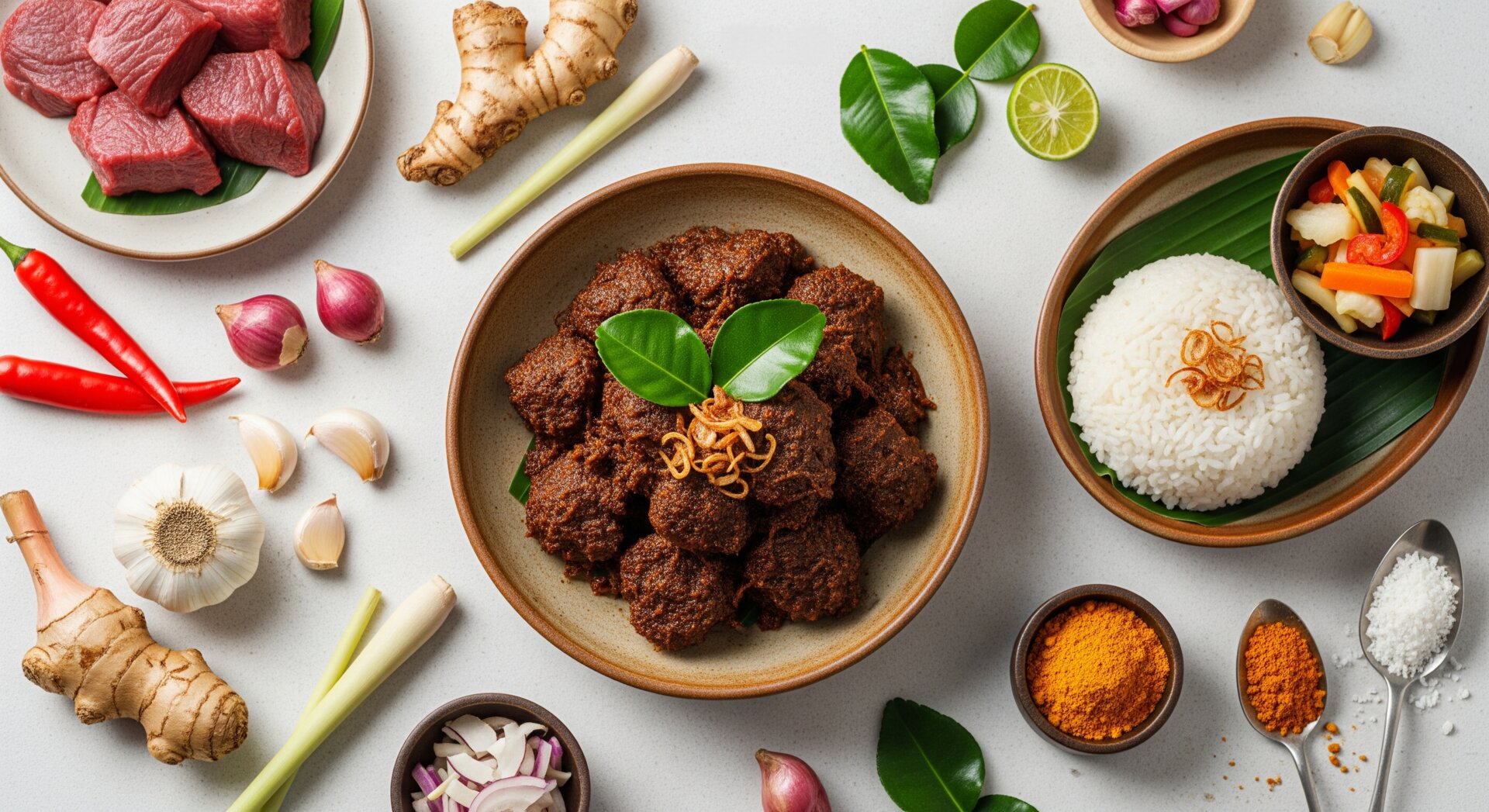 Indonesian Beef Rendang 210 min Slow-cooked beef in rich coconut-spice sauce 520 kcal 42g protein 2 synergies
 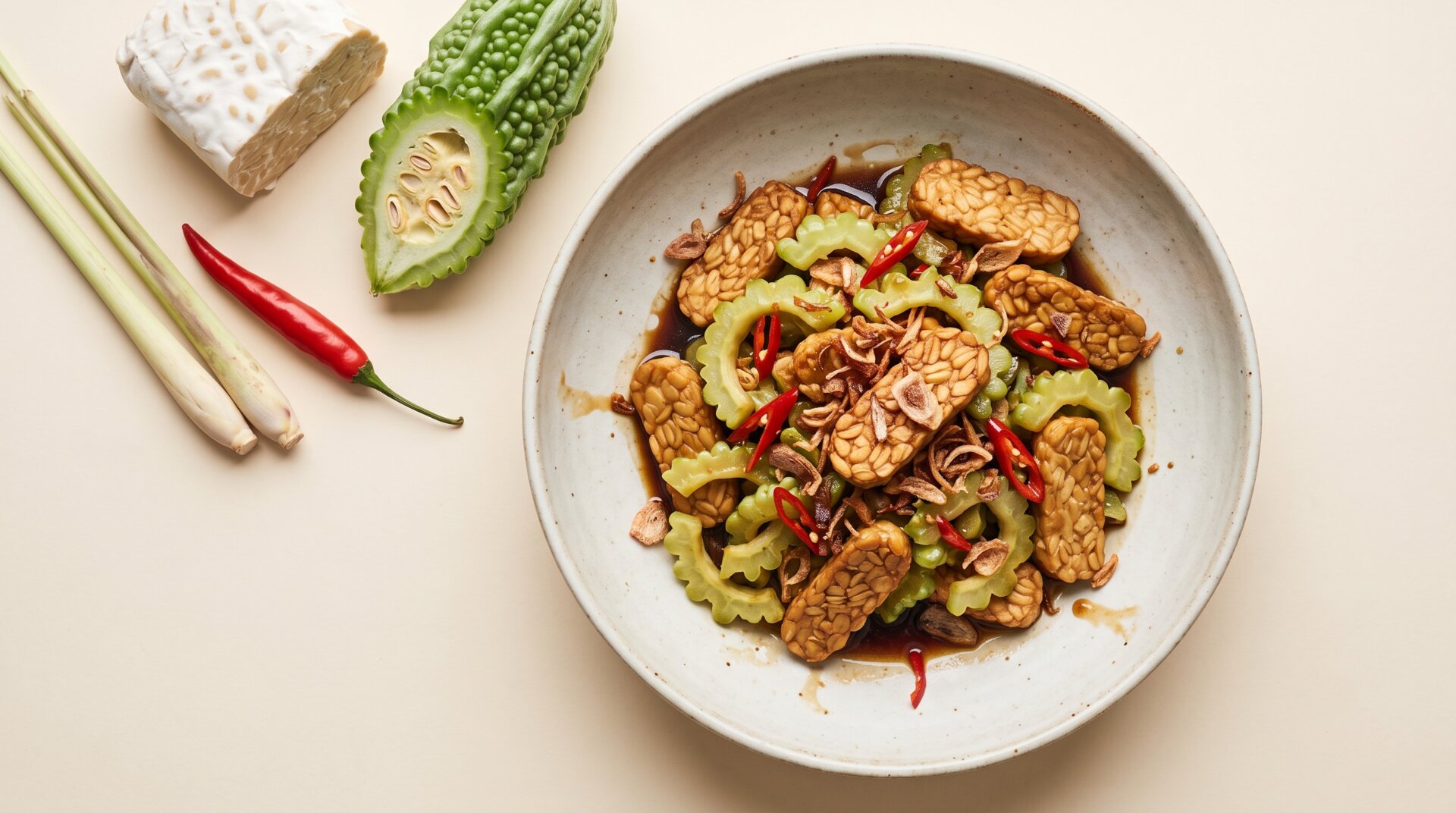 Indonesian Tempeh with Bitter Melon 45 min Stir-fry with kecap manis, galangal and lemongrass 320 kcal 18g protein 2 synergies
 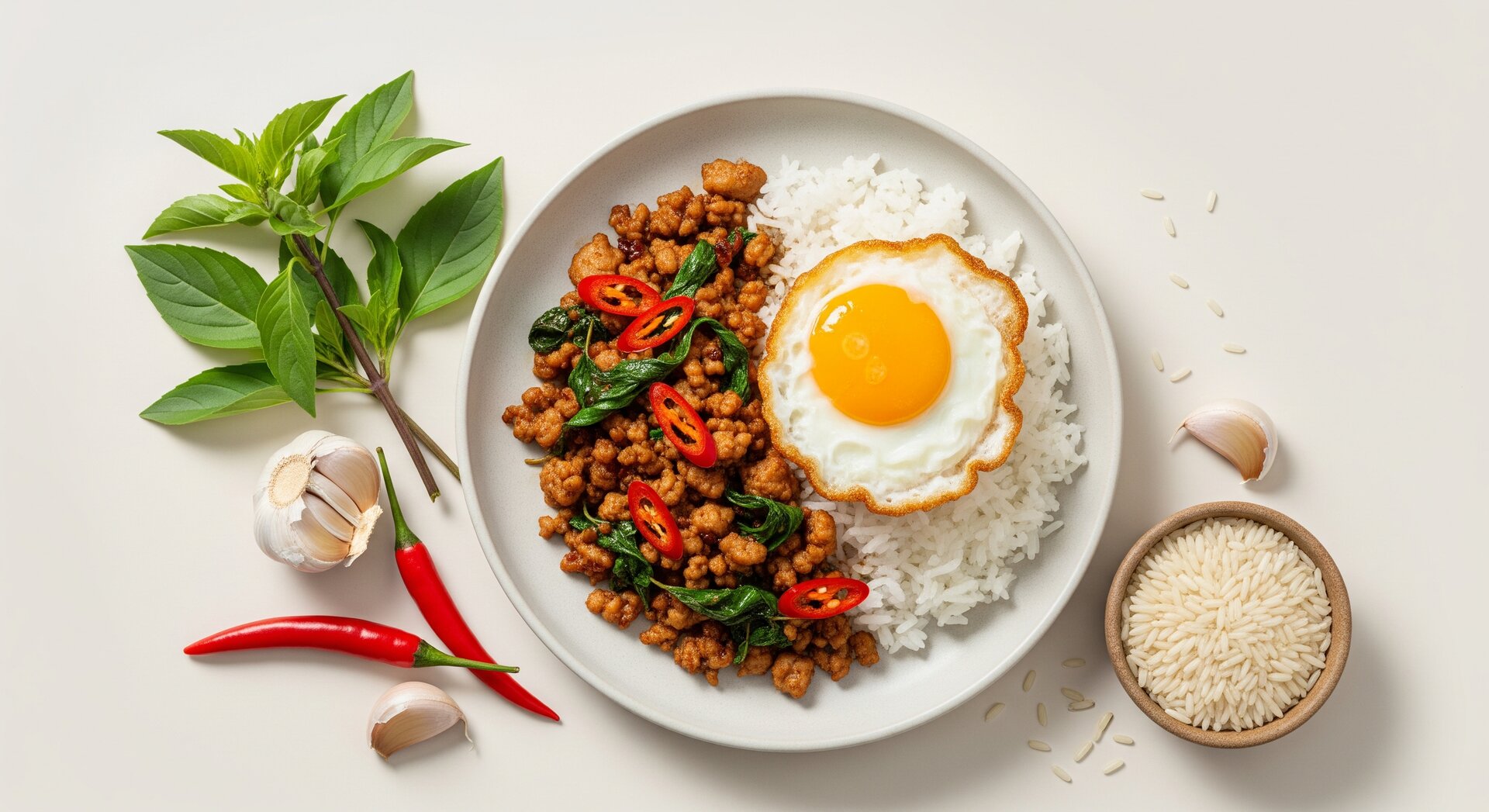 Thai Holy Basil Stir-Fry 25 min Authentic Pad Krapao with minced chicken and tulsi 520 kcal 38g protein 2 synergies
 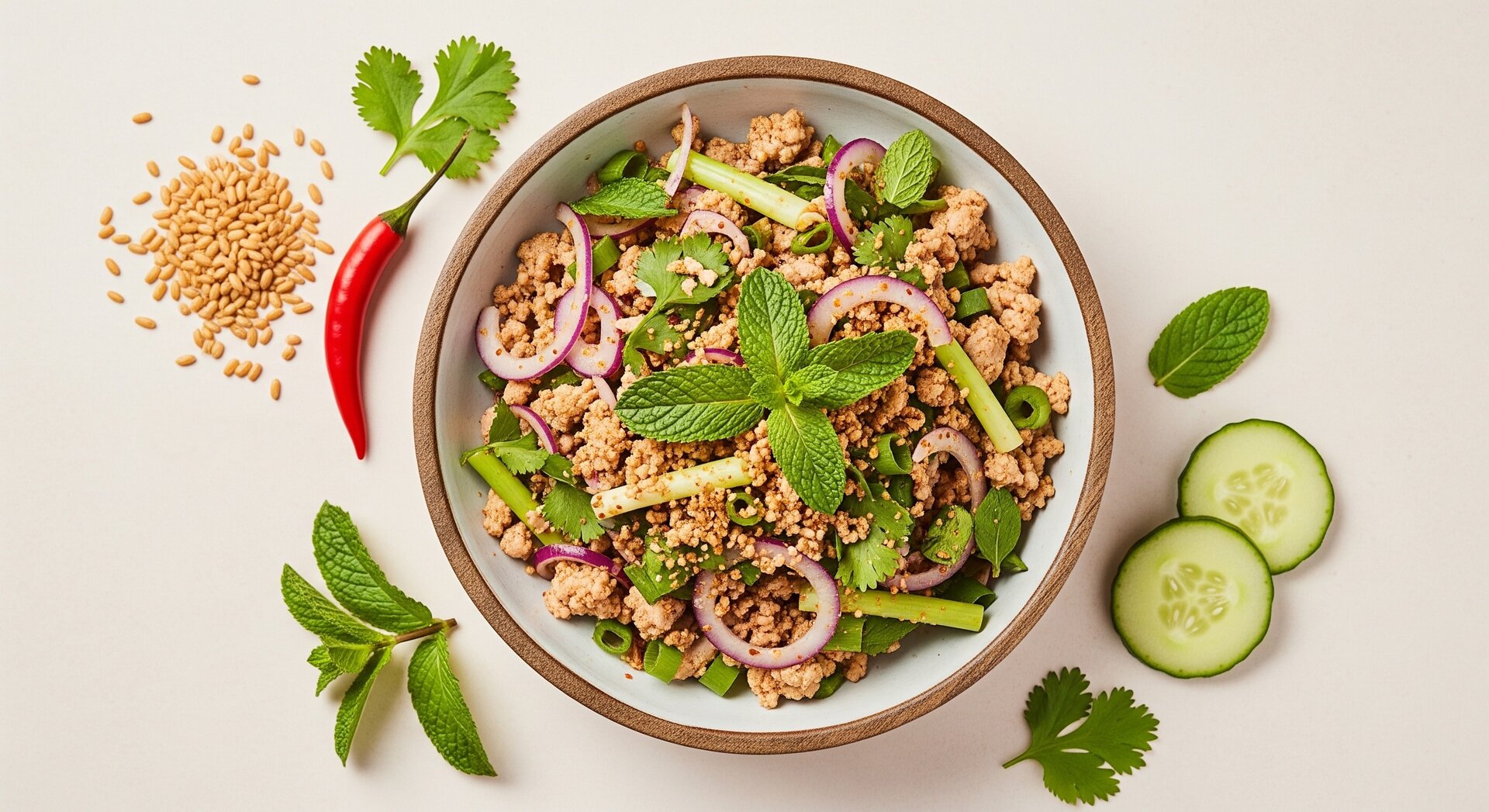 Thai Larb Gai - Spicy Chicken Salad with Lime 30 min Northern Thai chicken salad with toasted rice powder and fresh herbs 421 kcal 54g protein 2 synergies
 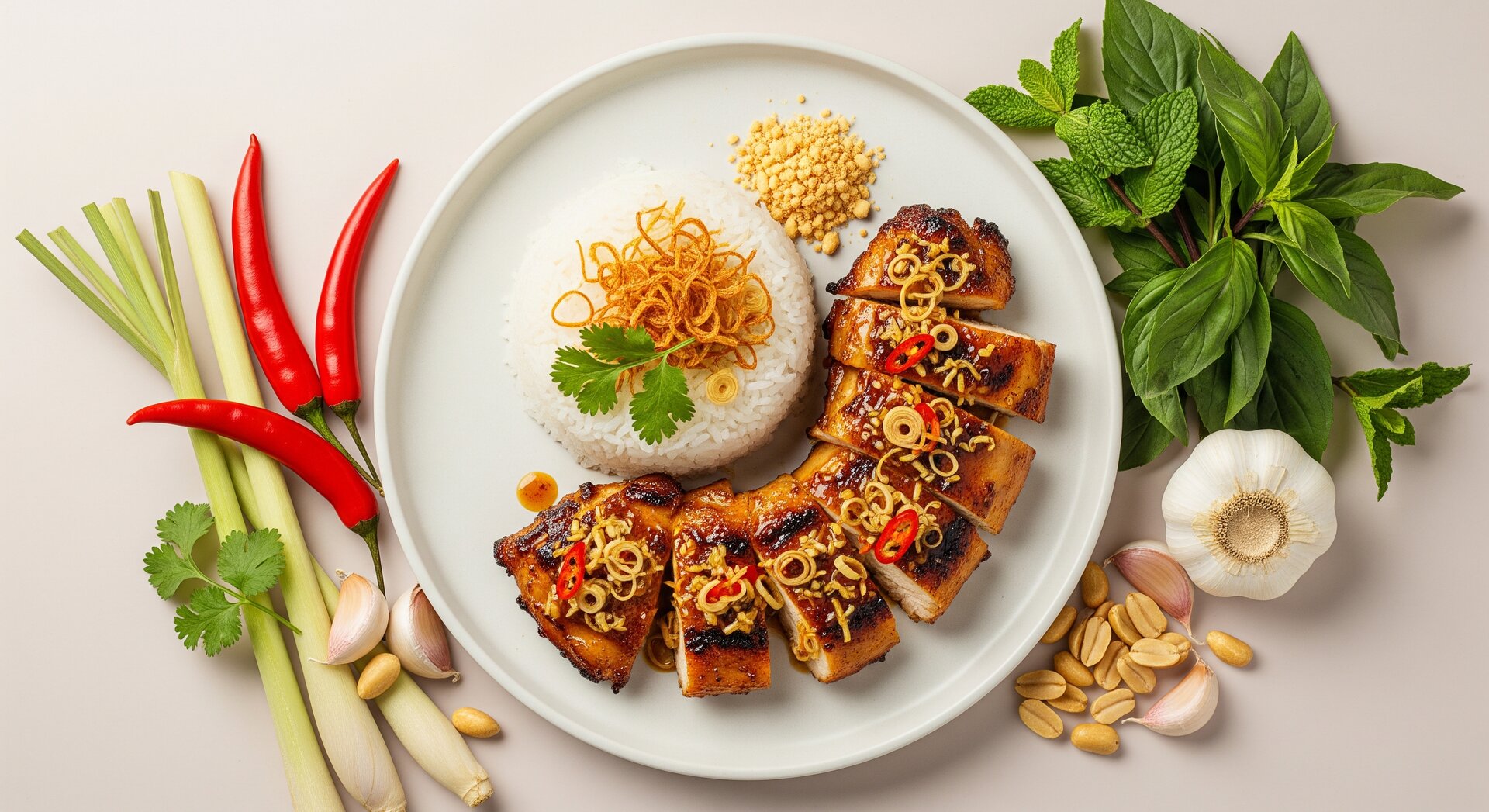 Vietnamese Lemongrass Chicken 45 min Fragrant wok chicken with crispy shallots and Thai basil 380 kcal 32g protein 2 synergies
  In the Kitchen
Storage
Location:Pantry
Shelf life:4-8 weken
Cool, dry, dark. Avoid sealed plastic (mold risk). Best stored in a mesh bag.
Preparation
Mince finely for vinaigrette. Sauté in butter/oil until translucent for sauces; they caramelize faster than regular onions.
Conversions
Substitutes
Smart preparation
1Cut shallots in half lengthwise and then peel them more easily.
2Caramelize shallots slowly on low heat for maximum sweetness.
3Use shallots in dressings; they are milder than regular onions.
Caution / Warnings
Shallot is very safe, but there are scientific considerations:
IBS / FODMAP Severe
High in fructans, a common trigger for gut symptoms
Advice:
Avoid on strict FODMAP; use spring onion (green parts) or garlic-infused oil as alternatives
Traditional use
Mediterranean
Crusader herb
The shallot was brought to Europe from the Middle East by crusaders. The name derives from Ashkelon, an ancient port city in present-day Israel.
Summary
The chic sister of the onion: sweeter, more refined, and perfect for vinaigrettes and sauces. Tip: let chopped shallot rest 5–10 min before cooking—softer, less sharp.