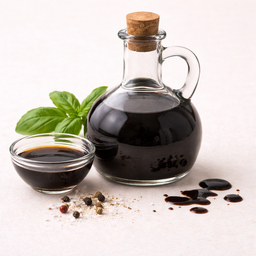
Balsamic Vinegar
Dark Italian vinegar with wood-aged, sweet-sour depth
What is this ingredient?
True balsamic vinegar, especially Aceto Balsamico Tradizionale from Modena or Reggio Emilia, is special because it is not simply made from wine vinegar. Its base is grape must that is slowly cooked down into a concentrated, syrupy liquid. It then ferments and ages in a sequence of wooden barrels, often oak, chestnut, cherry, mulberry, or juniper. Each wood adds subtle aromas, while evaporation deepens the flavor over time.
## Flavor and texture
Good balsamic has a clear sweet-sour balance: bright enough to lift a dish, yet rounded enough not to taste harsh. You can taste dark grape, dried fruit, wood, caramel-like notes, and sometimes a gentle hint of molasses. Traditional versions are thick and glossy; younger or more commercial versions are usually lighter, sharper, and thinner in texture.
## Origin and quality
Modena and Reggio Emilia have a long tradition of barrel aging balsamic vinegar. Traditional balsamic ages for at least 12 years and is usually sold in small bottles. Balsamic Vinegar of Modena PGI is more accessible and may contain both grape must and wine vinegar. Read the label: the higher grape must appears in the ingredient list, the richer and softer the flavor usually is. Products with a lot of added caramel or thickener often taste flatter.
## Culinary use
Use young balsamic in vinaigrettes, marinades, reductions, and sauces. Thicker, long-aged balsamic is best as a finishing touch: a few drops over tomato, arugula, parmesan, grilled vegetables, strawberries, or even vanilla ice cream add instant depth. Avoid heating expensive traditional balsamic; its complex aromas are best appreciated raw.
## Nutrition context
Balsamic vinegar contains acetic acid and grape polyphenols, but it is usually used in small amounts. Treat it primarily as a flavor enhancer: a way to add acidity, sweetness, and umami-like depth without making a dish feel heavy.
How does it taste?
Sweet-sour with complex, wood-aged depth and grape-must richness.
Pairs well with:
Pairs well with strawberryparmesanarugulaolive oiltomatoand grilled vegetables.
Did you know...?
- True aceto balsamico tradizionale from Modena or Reggio Emilia ages for at least 12 years in wooden barrels.
- Traditional balsamic vinegar is often sold in small bottles and can cost more than 100 euros per 100 ml.
Nutritional Value & Energy
Per 100ml
Balsamic Vinegar provides energy thanks to natural nutrients .
Per 100g
Minerals
Vitamins
More nutrients
Trace Minerals
EU-approved nutrition claims
There are currently no EFSA-authorized health claims specific to balsamic vinegar.
What's being researched?
Polyphenols in balsamic vinegar
Balsamic vinegar contains phenolic compounds from grape must. Food chemistry research mainly examines composition, aging, and differences between traditional and commercial products.
Supported by: [2] Consonni R (2008)
Good Combinations (Synergy)
Combine balsamic vinegar smartly to enhance the effect:
Balsamic Vinegar 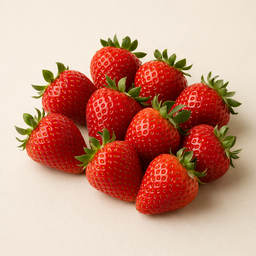 Strawberries
 Classic Italian combination that enhances polyphenols
Technical: Balsamic vinegar contains acetic acid that slows glucose uptake in muscles and lowers glycemic response. Strawberries contain ellagic acid and anthocyanins (polyphenols). The combination of acetic acid + polyphenols provides dual glycemic support.
What does this mean for you? Strawberries with balsamic — an Italian dessert that is scientifically smart. The acetic acid reinforces the action of the polyphenols in the strawberries.
Balsamic Vinegar 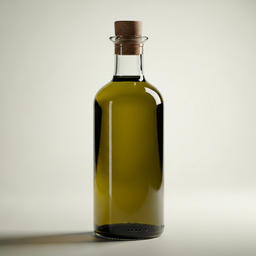 Olive Oil
 Italian vinaigrette: polyphenols + acetic acid influence glycemic response
Technical: Olive oil contains oleocanthal and hydroxytyrosol (polyphenols with antioxidant action). Balsamic contains polyphenols from grapes plus acetic acid that can influence glycemic response to meals through delayed gastric emptying. Together they offer antioxidant protection via complementary phenol compounds.
What does this mean for you? Use the classic 3:1 olive oil:balsamic ratio as salad dressing. This is not only delicious but also combines two sources of polyphenols with acetic acid that influences the glucose response after the meal.
Balsamic Vinegar 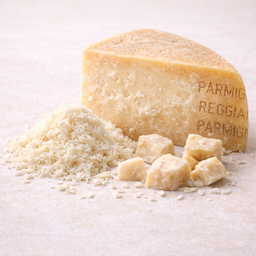 Parmesan (Parmigiano-Reggiano)
 Umami + polyphenols for satiety and glycemic response
Technical: Parmesan contains 1,680mg free glutamate per 100g — the highest concentration of any food. Glutamate activates umami receptors (T1R1/T1R3) that send signals via vagus nerve to hypothalamus → early satiety. Balsamic contains polyphenols from grapes (50-100mg/100ml) that activate AMPK. Acetic acid (6% in balsamic) inhibits α-amylase, lowering glycemic response by 20-30%.
What does this mean for you? Drizzle parmesan with traditional balsamic — not just a taste sensation, but also a satiety trick. The umami + acidity ensure you feel full sooner.
Balsamic Vinegar 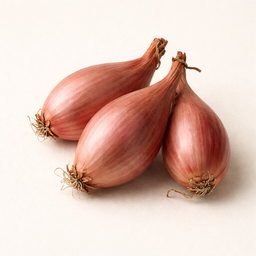 Shallot
 Quercetin + acetic acid: double glycemic modulation
Technical: Shallots contain 32mg quercetin per 100g — a flavonoid that inhibits α-glucosidase, slowing carbohydrate breakdown. Balsamic vinegar contains 6% acetic acid that delays gastric emptying and modulates postprandial glycemic response by 20-30%. Together they influence glycemic response via two complementary routes.
What does this mean for you? Use a balsamic-shallot dressing with carb-rich meals. Quercetin slows carbohydrate breakdown, acetic acid delays gastric emptying — double glycemic modulation in one dressing.
Recipes with Balsamic Vinegar
Discover delicious recipes featuring balsamic vinegar:
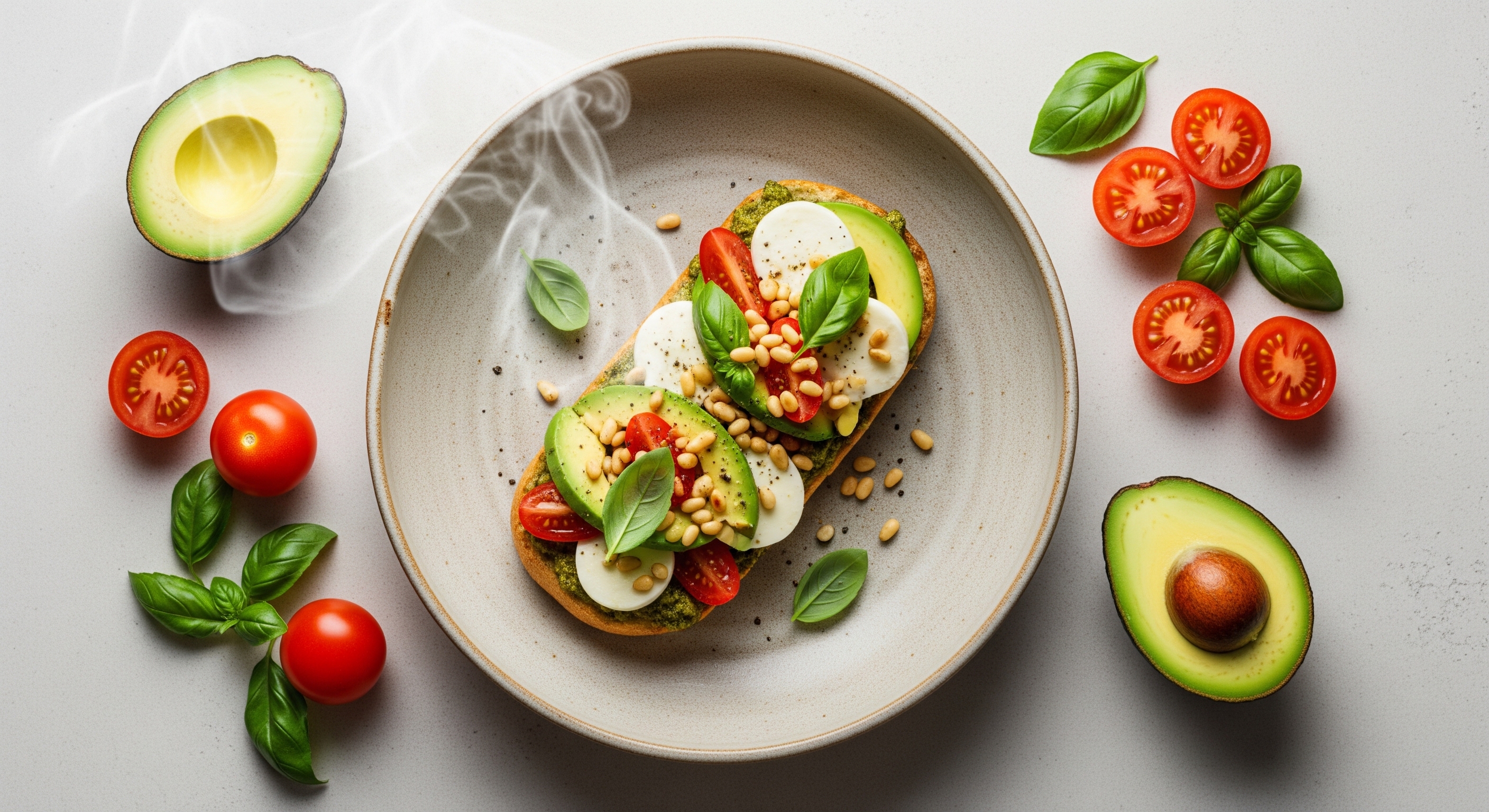 Caprese Pesto Panini with Avocado & Pine Nuts 18 min Warm panini with mozzarella, pesto and avocado
  688 kcal
  24g protein 2 synergies
 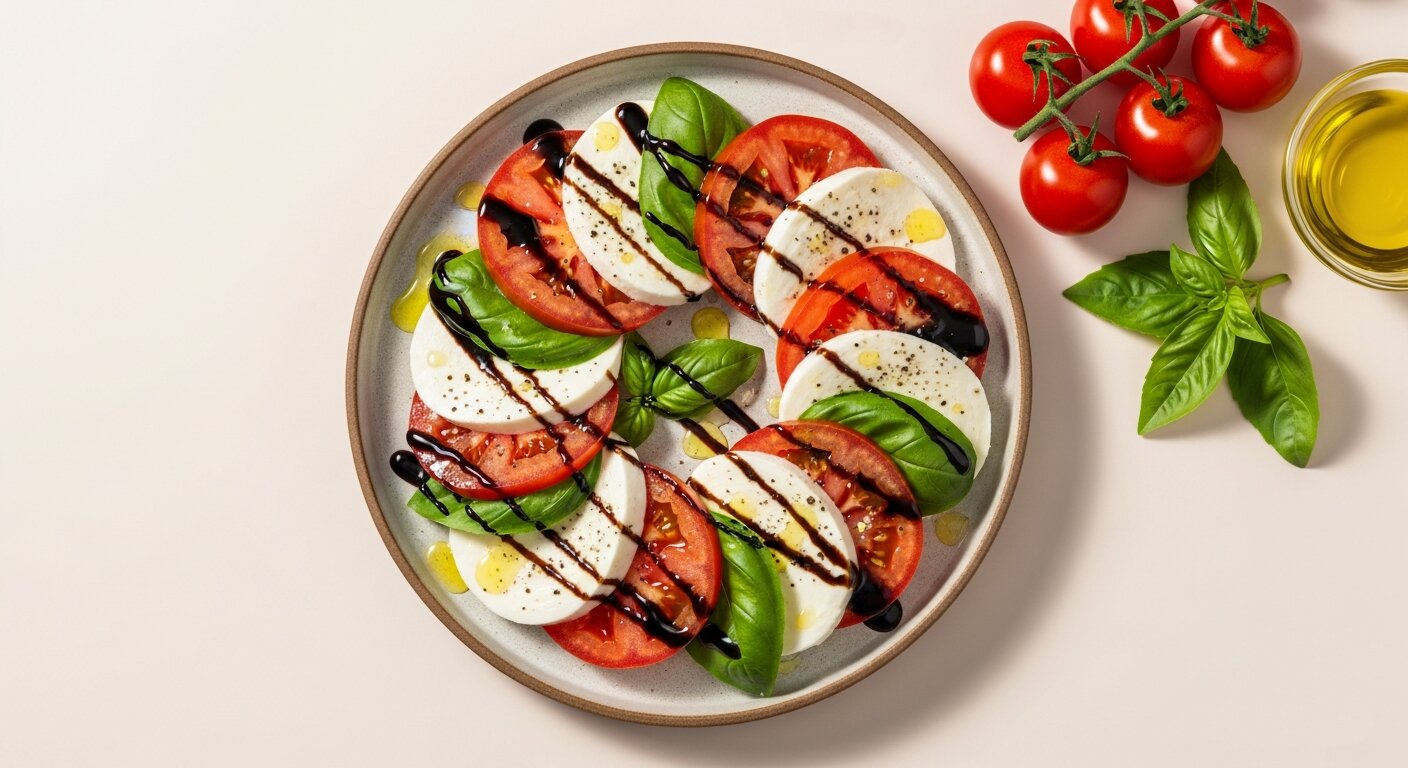 Caprese Salad 10 min Italian classic with tomato, mozzarella and basil 260 kcal 14g protein 1 synergies
 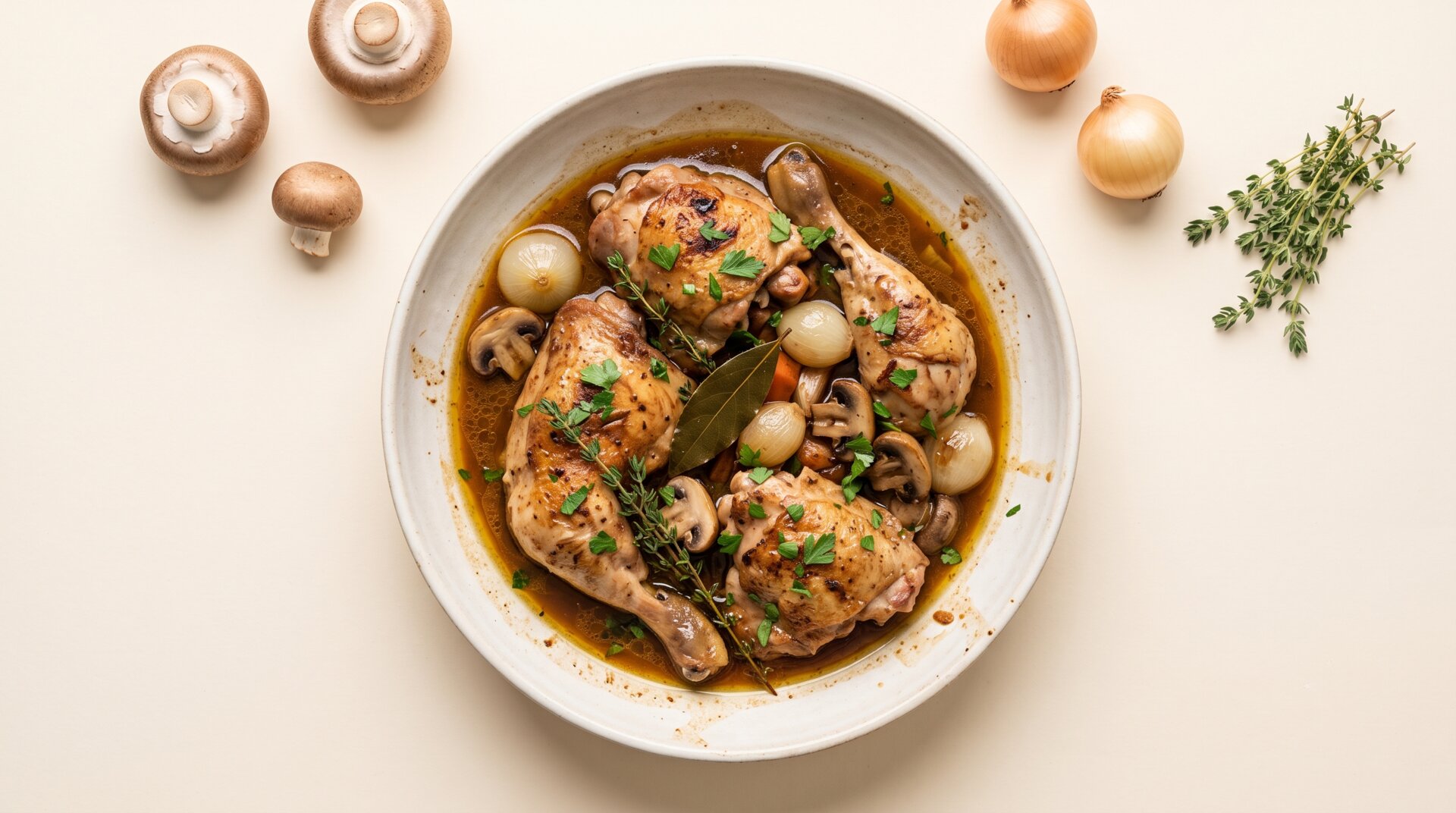 Chicken in Grape Juice 100 min Slow-braised chicken with herbs, vegetables and a rich sauce 410 kcal 45g protein 1 synergies
 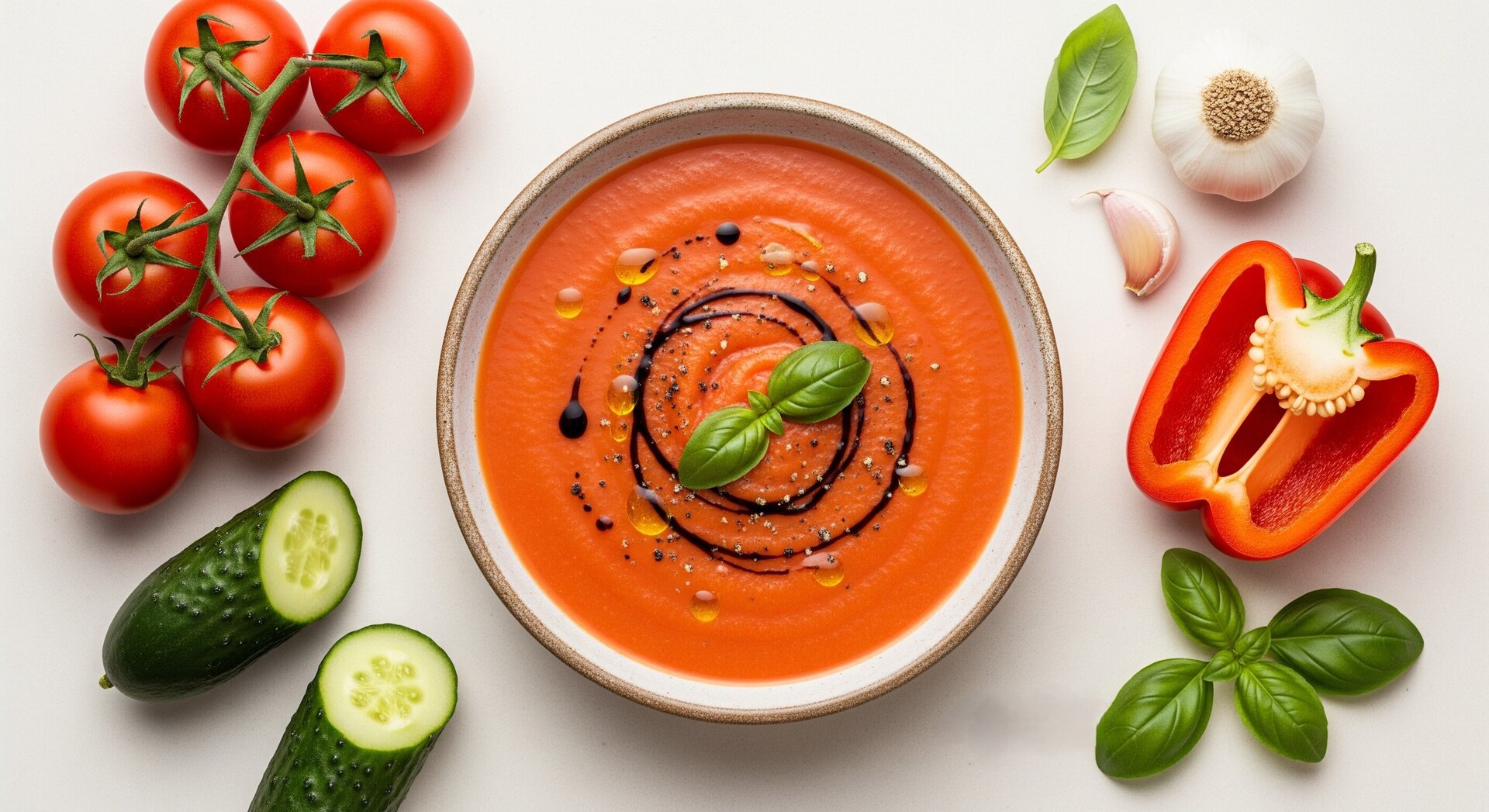 Gazpacho Andaluz 15 min Cold Andalusian tomato soup with bell pepper, cucumber and basil 170 kcal 3g protein 2 synergies
 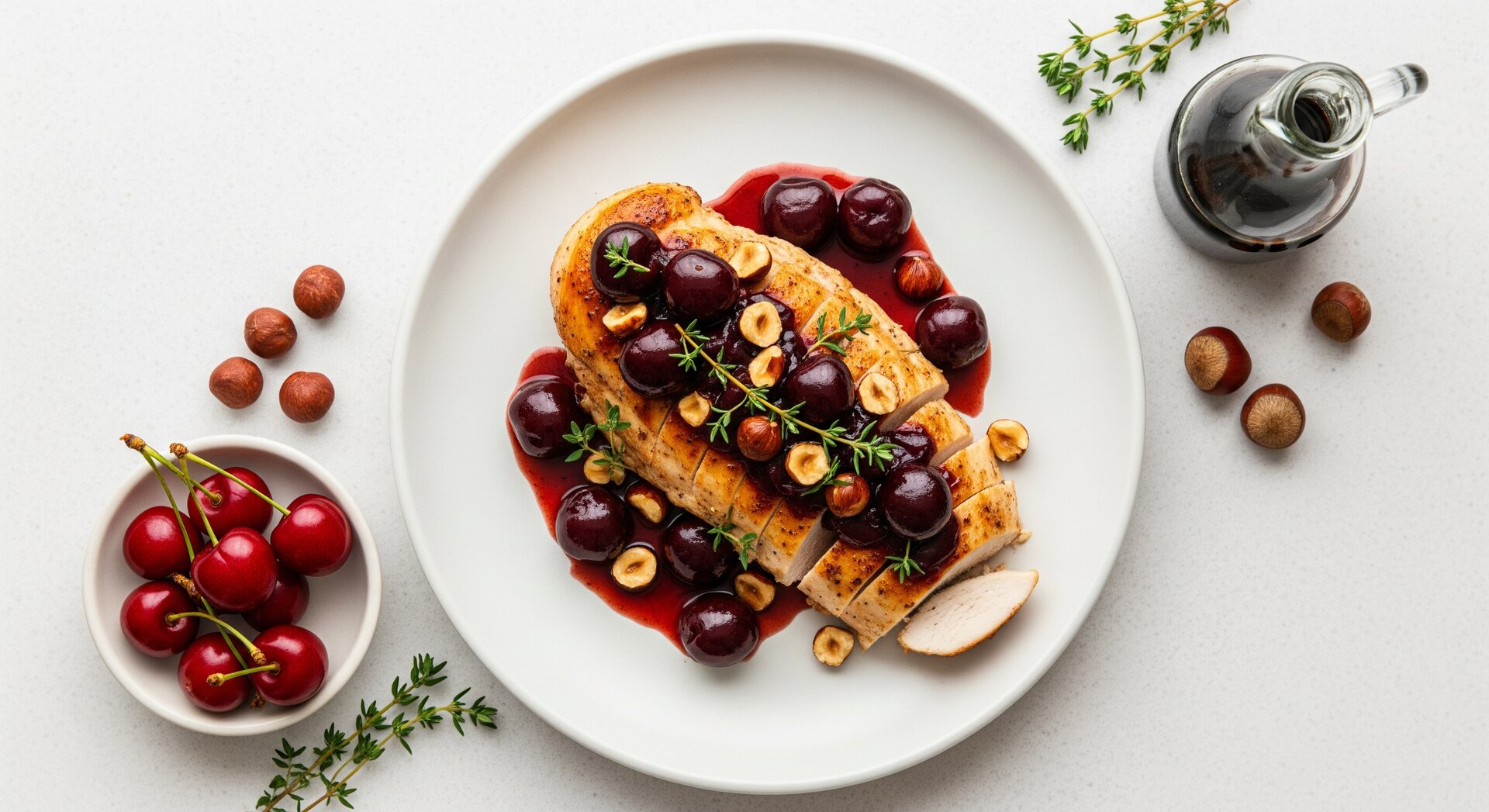 Chicken with Cherries and Hazelnuts 45 min Sweet-savory chicken with cherry sauce and toasted hazelnuts 420 kcal 42g protein 2 synergies
 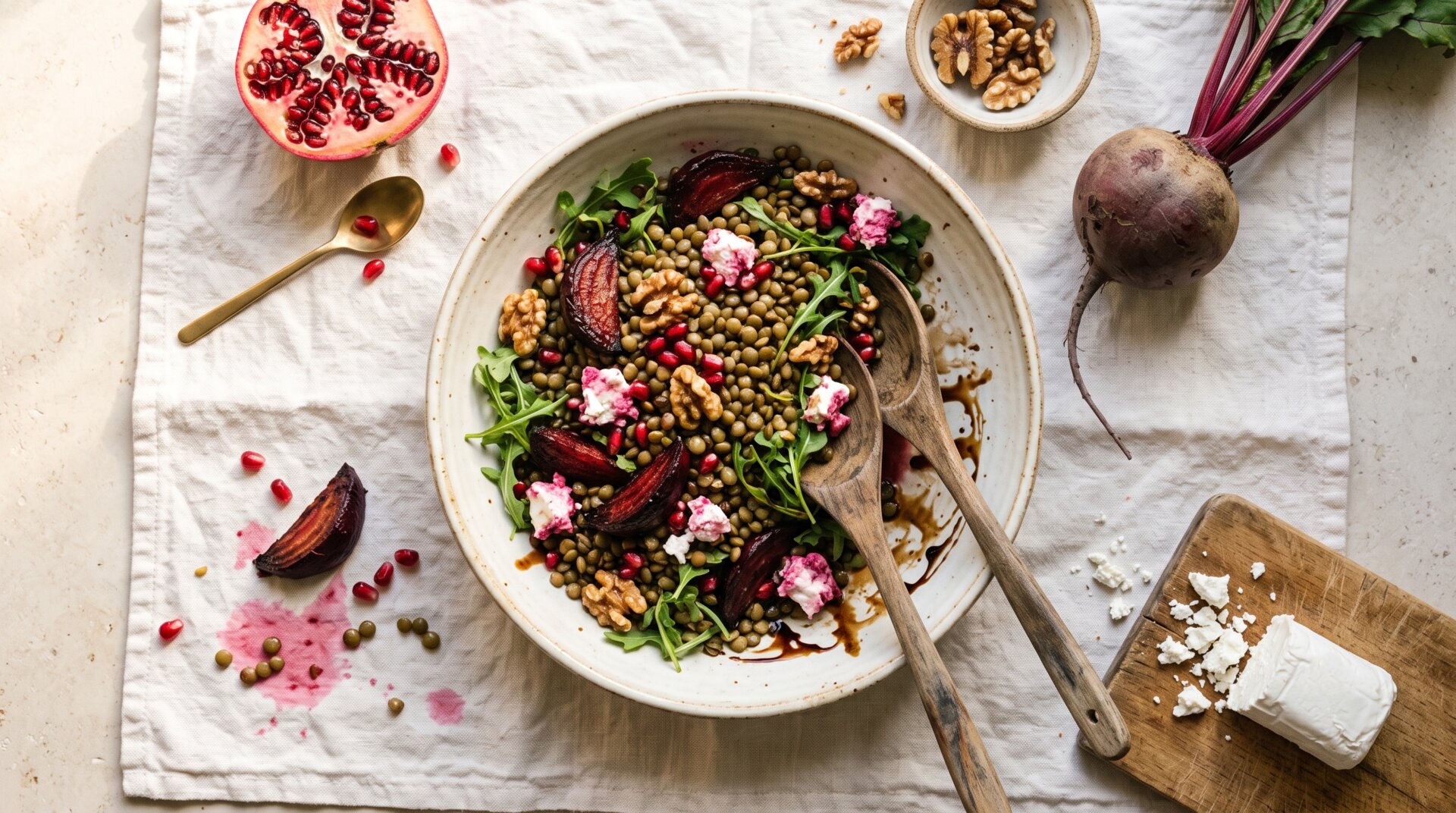 Mediterranean Lentil Salad with Goat Cheese 40 min Hearty salad with beetroot and walnuts 793 kcal 31g protein 1 synergies
  In the Kitchen
Storage
Location:Pantry
Shelf life:Onbeperkt
Store balsamic vinegar cool, dark, and tightly closed. With aging and evaporation, older balsamic can taste more syrupy, rounded, and sweet.
Preparation
Use young balsamic in dressings, marinades, sauces, and reductions. Use expensive, long-aged balsamic raw as a finishing touch so its wood-aged aromas and syrupy texture stay intact.
Substitutes
Smart preparation
1Reduce simple balsamic briefly into a syrup for a more intense, glossy sauce.
Why?
Reducing concentrates the sweet-sour flavor and creates a thick, syrupy consistency that clings well to vegetables, cheese, and fruit.
2Drizzle expensive, long-aged balsamic raw over dishes instead of cooking it.
3Store balsamic vinegar at room temperature, tightly closed, and away from direct light.
Caution / Warnings
Balsamic Vinegar is very safe, but there are scientific considerations:
Tooth erosion Moderate
Advice:
Because of its acidity, it is better not to drink balsamic vinegar neat. Use it diluted in dishes or dressings and rinse your mouth with water after consuming it.
Traditional use
Mediterranean
Balsamic in Italian tradition
Traditional balsamic vinegar has been produced in Modena and Reggio Emilia since the Middle Ages. Families aged grape must for years in wooden barrels, giving each batch its own aroma, thickness, and sweet-sour balance.
Summary
Balsamic vinegar is a luxurious Italian condiment with sweet-sour, wood-aged depth. Use young balsamic for vinaigrettes, marinades, and glazes; save long-aged balsamic for a few drops over tomato, arugula, parmesan, strawberry, or grilled vegetables.