- Easy
- 10 min
- 4 serv.
- 8 synergies
- Now at its best: Tomato
The iconic Italian salad with ripe tomatoes, fresh mozzarella and basil — simplicity at its best.
No dish is as mercilessly honest as a caprese. Four ingredients, nothing to hide behind. The tomato must be red to the core — full of summer juice, with that soft aroma you smell before you take a bite. The mozzarella di bufala must yield when you set your knife into it, with a milky creaminess that counterbalances the fresh tomato.
Between each layer a basil leaf you only truly smell when you tear it. Above: a generous drizzle of extra virgin olive oil and a zigzag of balsamic glaze that slides dark and syrupy along the edges. This is the salad that made Capri world-famous. No additions needed — just patience to bring everything to room temperature.
- 10
- min prep
- 0
- min cook
- 10
- min total
Nutritional Synergies
This recipe combines ingredients that enhance each other:
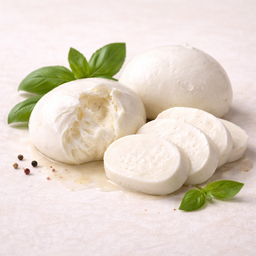 Mozzarella di bufala
 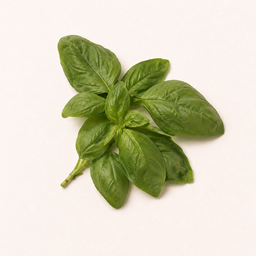 Basil
Basil Caprese trio: calcium + eugenol + oleocanthal — bioactive compounds optimally absorbed
Technical: Mozzarella provides calcium (403mg/100g) and CLA (conjugated linoleic acid, 0.4-0.6%). Basil contains eugenol (12-18mg/g dry weight) and olive oil provides oleocanthal (0.2mg/ml) — bioactive compounds studied in research in connection with NF-κB and COX signaling. Fat from mozzarella and olive oil dissolves eugenol better, aiding absorption.
What does this mean for you? Caprese salad (mozzarella + basil + olive oil + tomato) is the epitome of functional Italian cuisine. Each ingredient enhances the other — the combination contains bioactive compounds working via three different biochemical pathways.
Anti-inflammatoryJointsHeart
Mozzarella di bufala 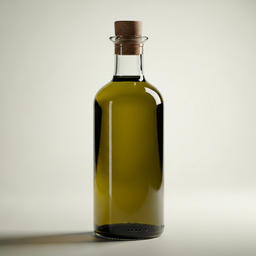 Olive Oil
 Caprese trio: calcium + eugenol + oleocanthal — bioactive compounds optimally absorbed
Technical: Mozzarella provides calcium (403mg/100g) and CLA (conjugated linoleic acid, 0.4-0.6%). Basil contains eugenol (12-18mg/g dry weight) and olive oil provides oleocanthal (0.2mg/ml) — bioactive compounds studied in research in connection with NF-κB and COX signaling. Fat from mozzarella and olive oil dissolves eugenol better, aiding absorption.
What does this mean for you? Caprese salad (mozzarella + basil + olive oil + tomato) is the epitome of functional Italian cuisine. Each ingredient enhances the other — the combination contains bioactive compounds working via three different biochemical pathways.
Anti-inflammatoryJointsHeart
Mozzarella di bufala 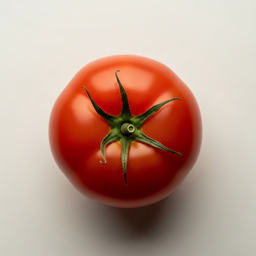 Tomato
 Caprese: fat + lycopene + eugenol synergy
Technical: Mozzarella contains 22g fat per 100g that dissolves lycopene from tomato — lycopene is fat-soluble and poorly absorbed without fat (absorption increases up to 4x). Basil adds eugenol, a COX-2 modulator, plus vitamin K. The Caprese salad combines three synergistic pathways in one dish.
What does this mean for you? A Caprese salad (mozzarella + tomato + basil + olive oil) is scientifically smart. The cheese helps absorb lycopene, the basil adds bioactive terpenes — Italian food at its best.
HeartAnti-inflammatory
Olive Oil 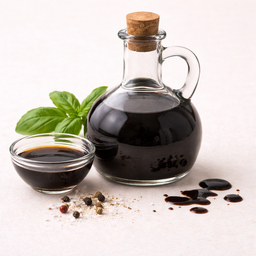 Balsamic Vinegar
 Italian vinaigrette: polyphenols + acetic acid influence glycemic response
Technical: Olive oil contains oleocanthal and hydroxytyrosol (polyphenols with antioxidant action). Balsamic contains polyphenols from grapes plus acetic acid that can influence glycemic response to meals through delayed gastric emptying. Together they offer antioxidant protection via complementary phenol compounds.
What does this mean for you? Use the classic 3:1 olive oil:balsamic ratio as salad dressing. This is not only delicious but also combines two sources of polyphenols with acetic acid that influences the glucose response after the meal.
Blood SugarHeartAnti-inflammatory
Olive Oil Tomato Mediterranean golden rule: fat increases lycopene absorption 4x
Fat significantly increases lycopene bioavailability (PMID: 15927929)
Technical: Tomatoes contain lycopene (3-7mg per 100g), a carotenoid with strong antioxidant action. Lycopene is fat-soluble with only 10-15% absorption without fat. Olive oil increases this to 40-60% (2.5-4x improvement). Cooking further increases lycopene bioavailability.
What does this mean for you? Always add olive oil to tomato dishes — sauces, salads, bruschetta. This is why Mediterranean cuisine is so healthy. Cooked tomatoes with olive oil = maximum lycopene.
HeartSkin & Hair
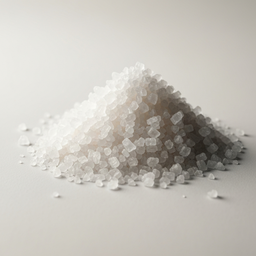 Sea Salt Tomato
 Minerals improve flavor perception and electrolyte balance
Technical: Sea salt contains trace minerals (magnesium, potassium, calcium) besides sodium. Tomato is rich in potassium (237mg/100g) and lycopene. Avocado adds magnesium (29mg) and potassium (485mg). Together they form a broad electrolyte profile: sodium (salt) + potassium (tomato/avocado) + magnesium (avocado) — essential for fluid balance and nerve function.
What does this mean for you? Sprinkle tomato and avocado with a pinch of sea salt. This is more than flavor — the minerals complement each other for a complete electrolyte balance.
HeartEnergy
Sea Salt Olive Oil Minerals + polyphenols for cellular balance
Technical: Sea salt's sodium is essential for the sodium-potassium pump (Na+/K+-ATPase) that regulates every body cell. Olive oil's oleuropein and hydroxytyrosol provide antioxidant protection for cell membranes. The combination supports cell integrity: sea salt regulates ion balance, olive oil protects the membrane. In Mediterranean cuisine, coarse sea salt + olive oil is the most basic flavor profile.
What does this mean for you? Freshly ground sea salt with extra virgin olive oil is the simplest and most nutritious finishing of any dish. The combination provides the basic needs of your cells: minerals for function, polyphenols for protection.
HeartGeneral Wellness
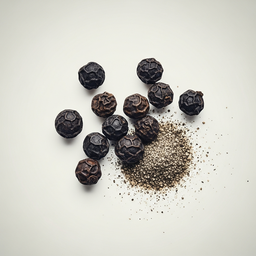 Black Pepper Olive Oil
 Fat increases piperine absorption and enhances polyphenols
Technical: Piperine is fat-soluble and absorbed 2-3x better with dietary fat. Olive oil's oleocanthal and piperine both modulate COX signal transduction through different mechanisms, providing additive bioactive effect.
What does this mean for you? Grind fresh pepper over salads with olive oil dressing. The combination enhances both pepper absorption and bioactive action.
Anti-inflammatoryHeartDigestion
Ingredients (7)
+5 more ingredientsInstructions
- 1 Let tomatoes and mozzarella come to room temperature for at least 30 minutes.
- 2 Slice tomatoes and mozzarella into 1 cm slices.
Nutrition per serving
Indicative values per serving.
Timing & Suitability
Tags & Diet
Allergens: Dairy