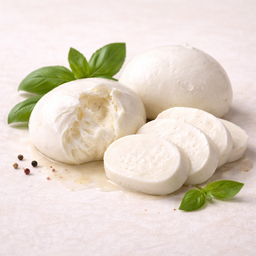
Mozzarella
Soft Italian pulled curd cheese
What is this ingredient?
Mozzarella is a fresh cheese made using the pasta filata technique: curd is heated to 60-80°C and stretched ('filata' = spun) in hot water, creating an elastic, fibrous texture. It is traditionally made from buffalo milk (mozzarella di bufala, fuller and creamier) or cow's milk (fior di latte). The stretching process aligns casein proteins into parallel strands, explaining its characteristic meltability. Its high moisture content (50-60%) makes mozzarella a fresh cheese without long aging. Per 100 g, mozzarella contains calcium (300-500 mg), phosphorus, zinc, vitamin A and about 20-25 g of protein. Buffalo mozzarella usually contains more milk fat and CLA (conjugated linoleic acid) than cow's milk versions. Its low sodium content (10-100 mg/100 g) sets it apart from many aged cheeses. Use it raw in caprese, melt it on pizza, or combine it with tomato, basil and olive oil.
How does it taste?
Soft, milky and delicate with an elastic, juicy texture.
Pairs well with:
Pairs well with tomatobasilolive oilbalsamic and pesto.
Did you know...?
- True mozzarella di bufala is made from water buffalo milk, not from cows.
- The word 'mozzarella' comes from the Italian 'mozzare', meaning 'to cut off'.
Nutritional Value & Energy
Per 100g
Mozzarella provides energy thanks to natural nutrients .
Per 100g
Minerals
Vitamins
Omega-3 fatty acids
More nutrients
B-Vitamins
Trace Minerals
What's in a serving?
1 serving
Mozzarella naturally contains calcium (505 mg per 100 g).
Mozzarella naturally contains selenium (17 mcg per 100 g).
Mozzarella naturally contains vitamin a (676 mcg per 100 g).
Mozzarella naturally contains vitamin B12 (2.28 mcg per 100 g).
Mozzarella naturally contains zinc (2.92 mg per 100 g).
Mozzarella naturally contains iodine (40 mcg per 100 g).
% of daily reference intake (DRI)
EU-approved nutrition claims
This ingredient contains nutrients for which EFSA-authorized health claims exist (at nutrient level, not ingredient-specific).
Approved health claims (EU)
Vitamin_b12 EU 432/2012
Vitamin B12 contributes to the normal function of the immune system
Contains 2.28mcg/100g (threshold: ≥0.375mcg/100g)
Vitamin_b12 EU 432/2012
Vitamin B12 contributes to the reduction of tiredness and fatigue
Contains 2.28mcg/100g (threshold: ≥0.375mcg/100g)
Vitamin_b12 EU 432/2012
Vitamin B12 contributes to the normal functioning of the nervous system
Contains 2.28mcg/100g (threshold: ≥0.375mcg/100g)
Zinc EU 432/2012
Zinc contributes to the normal function of the immune system
Contains 2.92mg/100g (threshold: ≥1.5mg/100g)
Zinc EU 432/2012
Zinc contributes to the maintenance of normal skin
Contains 2.92mg/100g (threshold: ≥1.5mg/100g)
Calcium EU 432/2012
Calcium is needed for the maintenance of normal bones
Contains 505mg/100g (threshold: ≥120mg/100g)
Vitamin_a EU 432/2012
Vitamin A contributes to the normal function of the immune system
Contains 676mcg/100g (threshold: ≥120mcg/100g)
Vitamin_a EU 432/2012
Vitamin A contributes to the maintenance of normal skin
Contains 676mcg/100g (threshold: ≥120mcg/100g)
Vitamin_a EU 432/2012
Vitamin A contributes to the maintenance of normal mucous membranes
Contains 676mcg/100g (threshold: ≥120mcg/100g)
Vitamin_a EU 432/2012
Vitamin A contributes to the maintenance of normal vision
Contains 676mcg/100g (threshold: ≥120mcg/100g)
Vitamin_a EU 432/2012
Vitamin A contributes to normal iron metabolism
Contains 676mcg/100g (threshold: ≥120mcg/100g)
Vitamin_a EU 432/2012
Vitamin A has a role in the process of cell specialisation
Contains 676mcg/100g (threshold: ≥120mcg/100g)
Vitamin_b12 EU 432/2012
Vitamin B12 contributes to normal energy-yielding metabolism
Contains 2.28mcg/100g (threshold: ≥0.375mcg/100g)
Vitamin_b12 EU 432/2012
Vitamin B12 contributes to normal homocysteine metabolism
Contains 2.28mcg/100g (threshold: ≥0.375mcg/100g)
Vitamin_b12 EU 432/2012
Vitamin B12 contributes to normal psychological function
Contains 2.28mcg/100g (threshold: ≥0.375mcg/100g)
Vitamin_b12 EU 432/2012
Vitamin B12 contributes to normal red blood cell formation
Contains 2.28mcg/100g (threshold: ≥0.375mcg/100g)
Vitamin_b12 EU 432/2012
Vitamin B12 has a role in the process of cell division
Contains 2.28mcg/100g (threshold: ≥0.375mcg/100g)
Calcium EU 432/2012
Calcium is needed for the maintenance of normal teeth
Contains 505mg/100g (threshold: ≥120mg/100g)
Calcium EU 432/2012
Calcium contributes to normal blood clotting
Contains 505mg/100g (threshold: ≥120mg/100g)
Calcium EU 432/2012
Calcium contributes to normal energy-yielding metabolism
Contains 505mg/100g (threshold: ≥120mg/100g)
Calcium EU 432/2012
Calcium contributes to normal muscle function
Contains 505mg/100g (threshold: ≥120mg/100g)
Calcium EU 432/2012
Calcium contributes to normal neurotransmission
Contains 505mg/100g (threshold: ≥120mg/100g)
Calcium EU 432/2012
Calcium contributes to the normal function of digestive enzymes
Contains 505mg/100g (threshold: ≥120mg/100g)
Calcium EU 432/2012
Calcium has a role in the process of cell division and specialisation
Contains 505mg/100g (threshold: ≥120mg/100g)
Zinc EU 432/2012
Zinc contributes to normal acid-base metabolism
Contains 2.92mg/100g (threshold: ≥1.5mg/100g)
Zinc EU 432/2012
Zinc contributes to normal carbohydrate metabolism
Contains 2.92mg/100g (threshold: ≥1.5mg/100g)
Zinc EU 432/2012
Zinc contributes to normal cognitive function
Contains 2.92mg/100g (threshold: ≥1.5mg/100g)
Zinc EU 432/2012
Zinc contributes to normal DNA synthesis
Contains 2.92mg/100g (threshold: ≥1.5mg/100g)
Zinc EU 432/2012
Zinc contributes to normal fertility and reproduction
Contains 2.92mg/100g (threshold: ≥1.5mg/100g)
Zinc EU 432/2012
Zinc contributes to normal macronutrient metabolism
Contains 2.92mg/100g (threshold: ≥1.5mg/100g)
Zinc EU 432/2012
Zinc contributes to normal metabolism of fatty acids
Contains 2.92mg/100g (threshold: ≥1.5mg/100g)
Zinc EU 432/2012
Zinc contributes to normal metabolism of vitamin A
Contains 2.92mg/100g (threshold: ≥1.5mg/100g)
Zinc EU 432/2012
Zinc contributes to normal protein synthesis
Contains 2.92mg/100g (threshold: ≥1.5mg/100g)
Zinc EU 432/2012
Zinc contributes to the maintenance of normal bones
Contains 2.92mg/100g (threshold: ≥1.5mg/100g)
Zinc EU 432/2012
Zinc contributes to the maintenance of normal hair
Contains 2.92mg/100g (threshold: ≥1.5mg/100g)
Zinc EU 432/2012
Zinc contributes to the maintenance of normal nails
Contains 2.92mg/100g (threshold: ≥1.5mg/100g)
Zinc EU 432/2012
Zinc contributes to the maintenance of normal testosterone levels in the blood
Contains 2.92mg/100g (threshold: ≥1.5mg/100g)
Zinc EU 432/2012
Zinc contributes to the maintenance of normal vision
Contains 2.92mg/100g (threshold: ≥1.5mg/100g)
Zinc EU 432/2012
Zinc contributes to the protection of cells from oxidative stress
Contains 2.92mg/100g (threshold: ≥1.5mg/100g)
Zinc EU 432/2012
Zinc has a role in the process of cell division
Contains 2.92mg/100g (threshold: ≥1.5mg/100g)
Selenium EU 432/2012
Selenium contributes to the maintenance of normal hair
Contains 17mcg/100g (threshold: ≥8.25mcg/100g)
Selenium EU 432/2012
Selenium contributes to the maintenance of normal nails
Contains 17mcg/100g (threshold: ≥8.25mcg/100g)
Selenium EU 432/2012
Selenium contributes to the normal function of the immune system
Contains 17mcg/100g (threshold: ≥8.25mcg/100g)
Selenium EU 432/2012
Selenium contributes to normal thyroid function
Contains 17mcg/100g (threshold: ≥8.25mcg/100g)
Selenium EU 432/2012
Selenium contributes to normal spermatogenesis
Contains 17mcg/100g (threshold: ≥8.25mcg/100g)
Selenium EU 432/2012
Selenium contributes to the protection of cells from oxidative stress
Contains 17mcg/100g (threshold: ≥8.25mcg/100g)
Iodine EU 432/2012
Iodine contributes to normal cognitive function
Contains 40mcg/100g (threshold: ≥22.5mcg/100g)
Iodine EU 432/2012
Iodine contributes to normal energy-yielding metabolism
Contains 40mcg/100g (threshold: ≥22.5mcg/100g)
Iodine EU 432/2012
Iodine contributes to normal functioning of the nervous system
Contains 40mcg/100g (threshold: ≥22.5mcg/100g)
Iodine EU 432/2012
Iodine contributes to the maintenance of normal skin
Contains 40mcg/100g (threshold: ≥22.5mcg/100g)
Iodine EU 432/2012
Iodine contributes to the normal production of thyroid hormones and normal thyroid function
Contains 40mcg/100g (threshold: ≥22.5mcg/100g)
Iodine EU 432/2012
Iodine contributes to the normal growth of children
Contains 40mcg/100g (threshold: ≥22.5mcg/100g)
Comparison
vsmelk
Mozzarella contains about 4× more calcium per 100 g than milk.
What's being researched?
Mozzarella and calcium absorption
Mozzarella as a calcium source is studied within broader dairy research. Its calcium content and digestibility are comparable to other soft cheeses, making it a relevant calcium source in mixed dietary patterns.
Supported by: [2] Méndez-Sánchez L (2023) , [1] Huncharek M (2008)
Good Combinations (Synergy)
Combine mozzarella smartly to enhance the effect:
Mozzarella 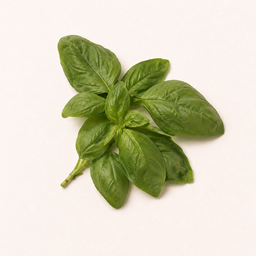 Basil
Basil Caprese trio: calcium + eugenol + oleocanthal — bioactive compounds optimally absorbed
Technical: Mozzarella provides calcium (403mg/100g) and CLA (conjugated linoleic acid, 0.4-0.6%). Basil contains eugenol (12-18mg/g dry weight) and olive oil provides oleocanthal (0.2mg/ml) — bioactive compounds studied in research in connection with NF-κB and COX signaling. Fat from mozzarella and olive oil dissolves eugenol better, aiding absorption.
What does this mean for you? Caprese salad (mozzarella + basil + olive oil + tomato) is the epitome of functional Italian cuisine. Each ingredient enhances the other — the combination contains bioactive compounds working via three different biochemical pathways.
Mozzarella 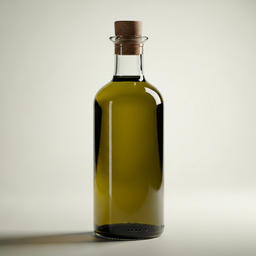 Olive Oil
 Caprese trio: calcium + eugenol + oleocanthal — bioactive compounds optimally absorbed
Technical: Mozzarella provides calcium (403mg/100g) and CLA (conjugated linoleic acid, 0.4-0.6%). Basil contains eugenol (12-18mg/g dry weight) and olive oil provides oleocanthal (0.2mg/ml) — bioactive compounds studied in research in connection with NF-κB and COX signaling. Fat from mozzarella and olive oil dissolves eugenol better, aiding absorption.
What does this mean for you? Caprese salad (mozzarella + basil + olive oil + tomato) is the epitome of functional Italian cuisine. Each ingredient enhances the other — the combination contains bioactive compounds working via three different biochemical pathways.
Mozzarella 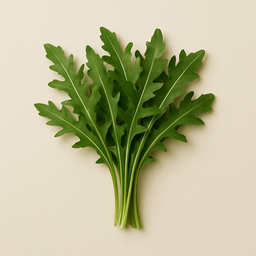 Arugula
 Mozzarella fat increases arugula nitrate and vitamin K absorption
Technical: Arugula contains 480mg nitrates per 100g converted to NO (nitric oxide) via nitrate→nitrite→NO pathway. NO dilates blood vessels through vasodilation. Mozzarella's fat (16-24g/100g) improves absorption of fat-soluble vitamin K from arugula (108.6μg/100g = 90% RDI). Studies show nitrates with fat are absorbed 20-30% better through improved intestinal transit and micelle formation.
What does this mean for you? Arugula-mozzarella salad is a smart combination. The arugula provides nitrates that relax blood vessels via NO, the mozzarella ensures you absorb vitamin K — vitamin K contributes to normal blood clotting (EFSA). Classic Italian combination with scientific foundation.
Mozzarella 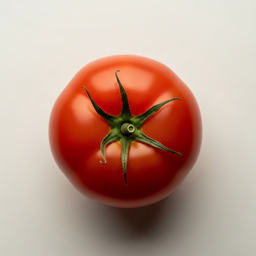 Tomato
 Caprese: fat + lycopene + eugenol synergy
Technical: Mozzarella contains 22g fat per 100g that dissolves lycopene from tomato — lycopene is fat-soluble and poorly absorbed without fat (absorption increases up to 4x). Basil adds eugenol, a COX-2 modulator, plus vitamin K. The Caprese salad combines three synergistic pathways in one dish.
What does this mean for you? A Caprese salad (mozzarella + tomato + basil + olive oil) is scientifically smart. The cheese helps absorb lycopene, the basil adds bioactive terpenes — Italian food at its best.
Recipes with Mozzarella
Discover delicious recipes featuring mozzarella:
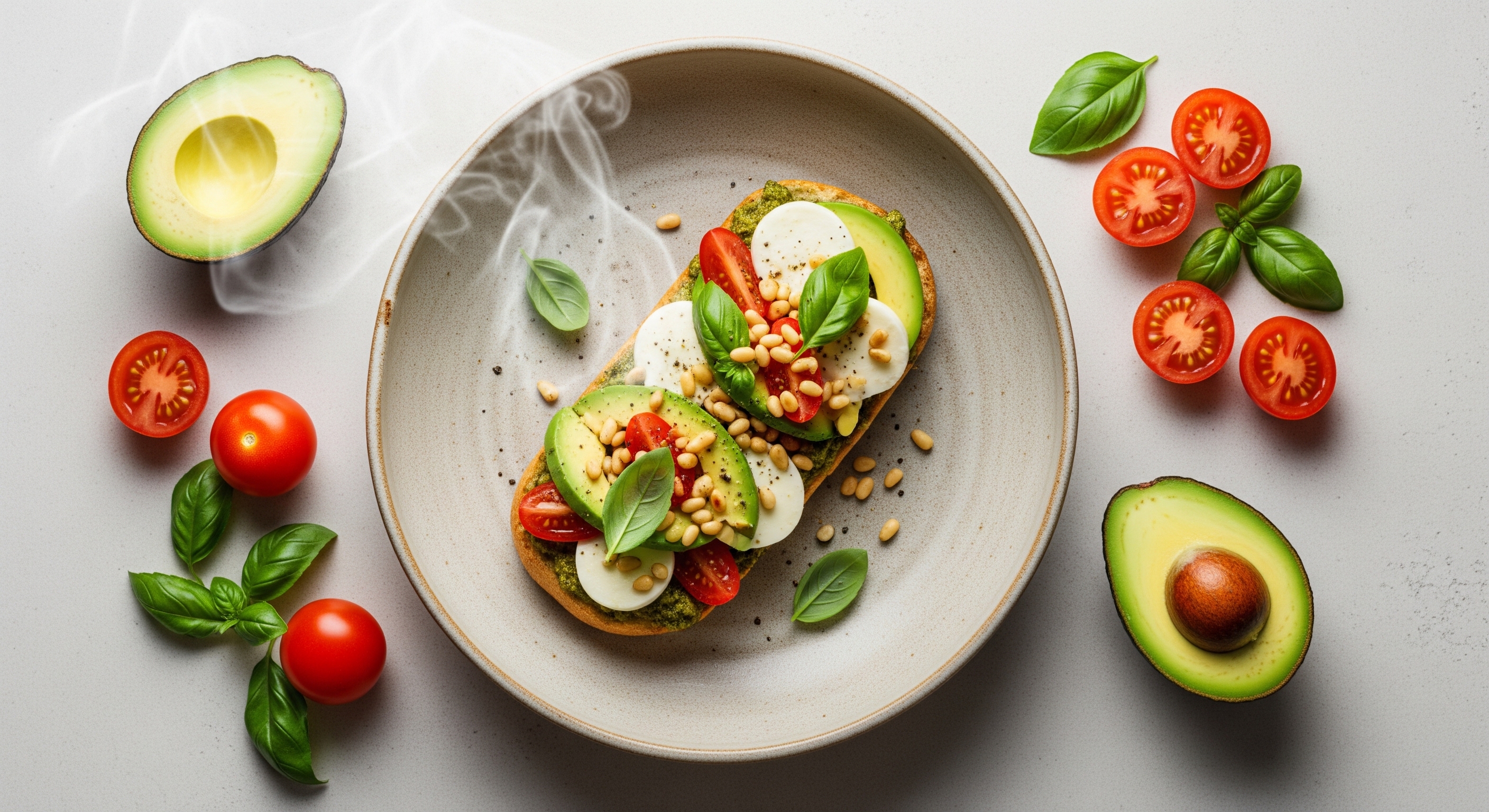 Caprese Pesto Panini with Avocado & Pine Nuts 18 min Warm panini with mozzarella, pesto and avocado
  688 kcal
  24g protein 2 synergies
 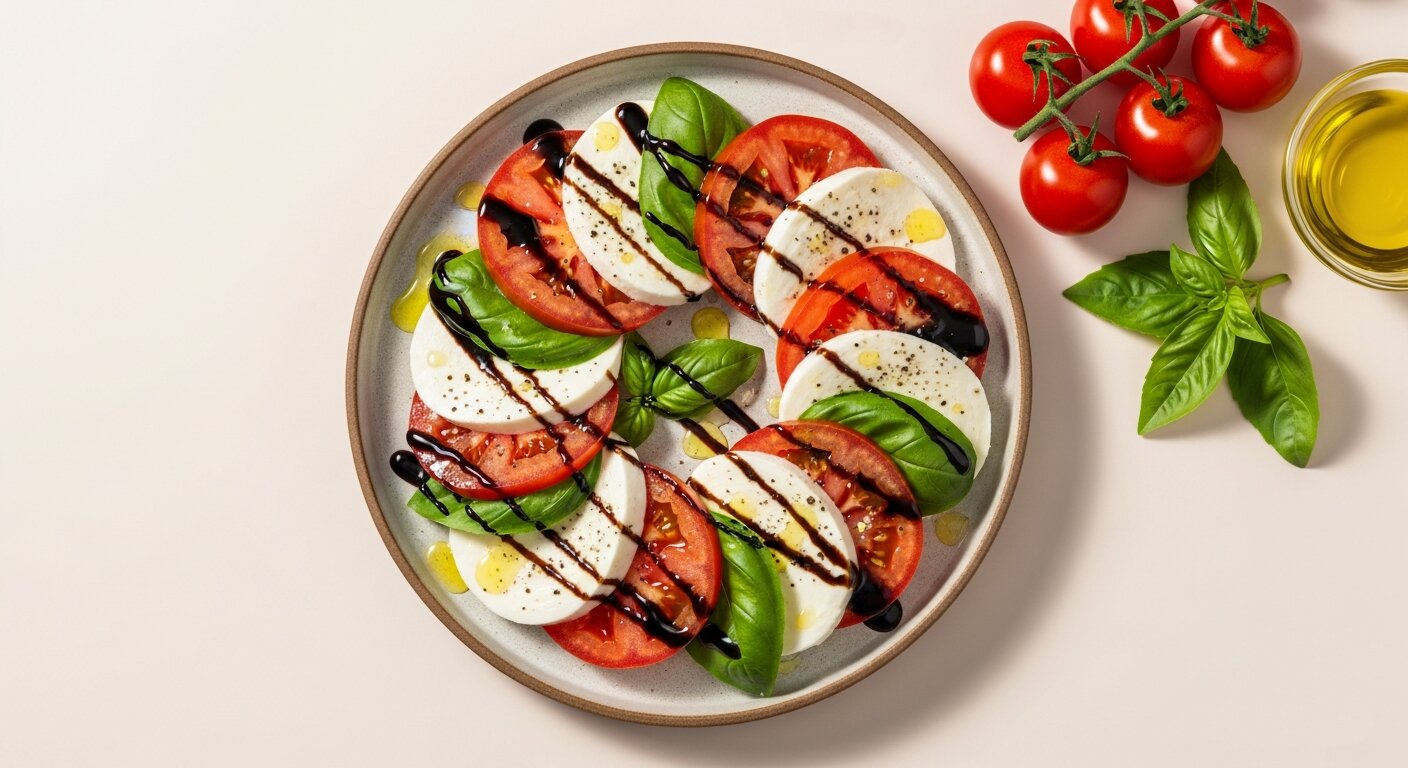 Caprese Salad 10 min Italian classic with tomato, mozzarella and basil 260 kcal 14g protein 1 synergies
 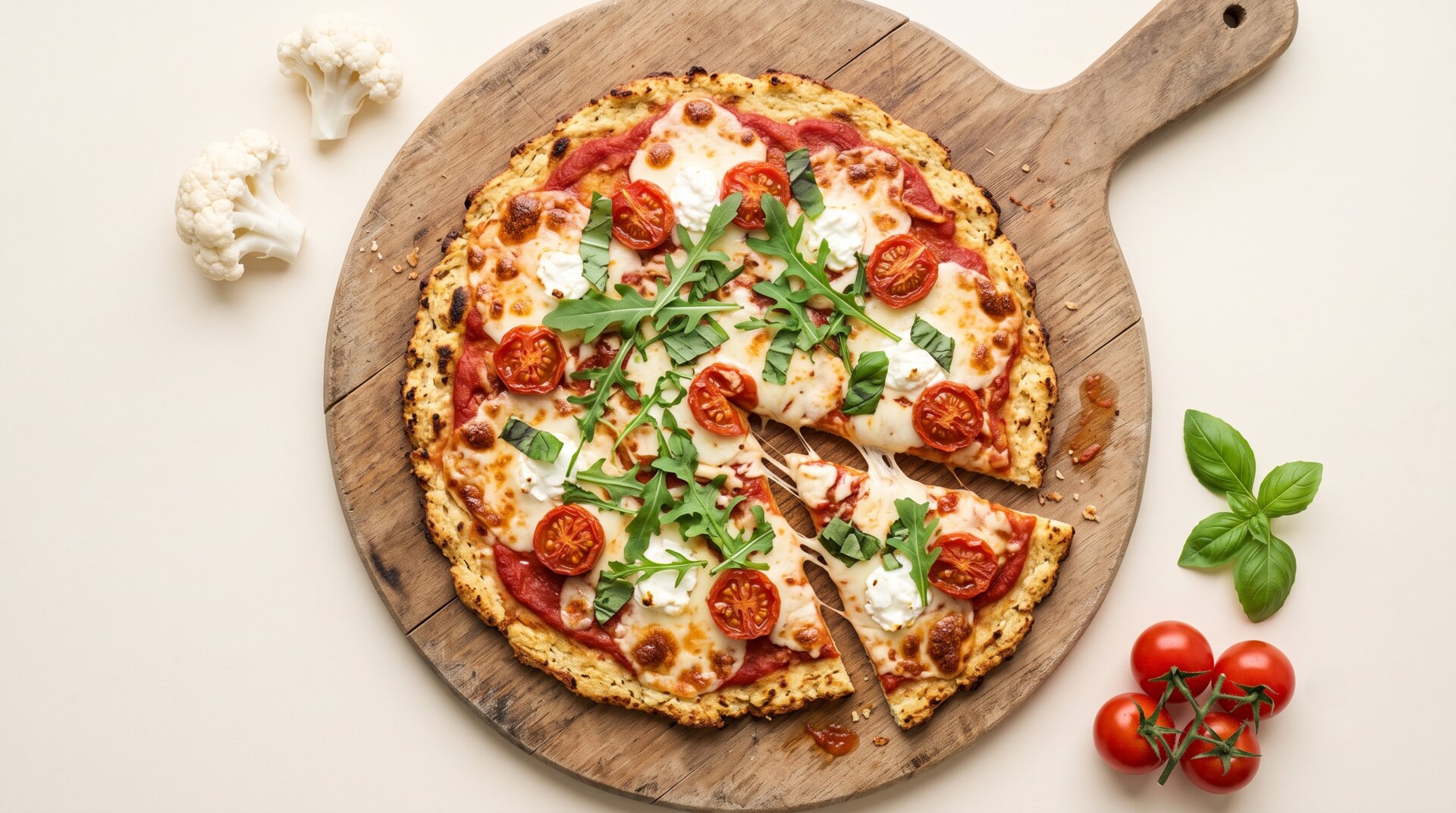 Crispy Cauliflower Pizza 65 min Gluten-free pizza crust with cauliflower and mozzarella 555 kcal 33g protein 2 synergies
  In the Kitchen
Storage
Location:Refrigerator
Substitutes
Smart preparation
1Store fresh mozzarella in the liquid from the package.
Why?
Without liquid, fresh mozzarella dries out within a day.
2Tear fresh mozzarella with your hands, do not cut it.
Why?
When torn, it has more surface area and a looser texture.
3Pat mozzarella dry for pizza to prevent a soggy base.
Caution / Warnings
Mozzarella is very safe, but there are scientific considerations:
High calorie and saturated fat content Moderate
Full-fat mozzarella contains 280 kcal and 21 g fat (13 g saturated) per 100 g.
Advice:
With cardiovascular risk factors, obesity or calorie restriction: consider a light version (15-18% fat, 180-220 kcal) or keep the portion around 30-50 g. Buffalo mozzarella is fattier (30-35% fat), but also contains more CLA and omega-3 than many cow's milk versions. Recent nutrition literature discusses full-fat dairy within the broader dairy matrix; consider your overall dietary pattern and portion size.
Dairy allergy Severe
Mozzarella contains milk proteins such as casein and whey proteins.
Advice:
With an IgE-mediated milk protein allergy (casein/whey), mozzarella should be avoided completely. The pasta filata process does not change the protein structure enough for people with a true allergy. Possible symptoms include urticaria, angioedema, gastrointestinal complaints, bronchospasm or, rarely, anaphylaxis. Cross-reactivity with sheep's or goat's milk may occur. Alternatives include cashew 'mozzarella' or rice-based cheese. This differs from lactose intolerance: mozzarella is usually lower in lactose because whey is drained away.
Histamine intolerance Mild
Mozzarella is a low-histamine cheese (<20 mg/kg) because it is fresh and unaged. Histamine can increase during aging through bacterial decarboxylase enzymes.
Advice:
With severe histamine intolerance or DAO deficiency, even small amounts may cause symptoms such as headache, rash or gastrointestinal discomfort. Test with small portions and choose fresh mozzarella, preferably within 7 days after opening. Store at 4°C. Aged cheeses such as cheddar and parmesan contain much more histamine and are often less suitable with intolerance.
Summary
Mozzarella is a calcium-rich fresh cheese: 100 g provides 505 mg calcium and 22 g protein. Buffalo mozzarella has a fuller flavor and usually contains more CLA and vitamin A than cow's milk versions. The pasta filata technique gives mozzarella its elastic texture and good melting behavior. With its low sodium content (16 mg per 100 g in this file), it is much less salty than many aged cheeses. Pair it with tomato, basil and olive oil for classic caprese, or pat it dry for pizza. Watch calories with full-fat versions: 280 kcal per 100 g. Eat fresh mozzarella preferably within 7 days after opening.