- Medium
- 40 min
- 2 serv.
- 9 synergies
- Now at its best: Beetroot
A hearty salad with green lentils, creamy goat cheese and crunchy walnuts. Beetroot and pomegranate add colour and freshness. Perfect as a main meal or light lunch.
Green lentils with an earthy bite, creamy goat cheese softly melting on the warm bed, and crunchy walnuts surprising with every bite. In between: cubes of beetroot giving the salad a deep crimson glow and pomegranate seeds providing tangy bursts. The arugula adds peppery sharpness — just enough to balance the creaminess of the cheese. With a simple olive oil and balsamic dressing: a salad that works just as well as a quick weekday lunch as at an elaborate Sunday table.
- 15
- min prep
- 25
- min cook
- 40
- min total
Nutritional Synergies
This recipe combines ingredients that enhance each other:
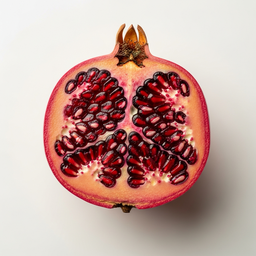 pomegranate
 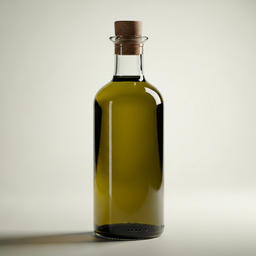 olive oil
 Mediterranean polyphenol combination: punicalagins + oleocanthal
Technical: Pomegranate contains punicalagins and punicalins — unique ellagitannins that work via multiple biochemical pathways, including modulation of NF-kB signaling. Olive oil contains oleocanthal — a bioactive phenolic compound that influences COX enzymes. Together they offer complementary polyphenol pathways: ellagitannins via urolithin conversion, oleocanthal via direct enzyme interaction.
What does this mean for you? Drizzle extra virgin olive oil over pomegranate seeds in a salad. This Middle Eastern combination offers two powerful polyphenol sources working via different biochemical pathways. Always use extra virgin olive oil — oleocanthal is lost during refining.
HeartAnti-inflammatory
pomegranate 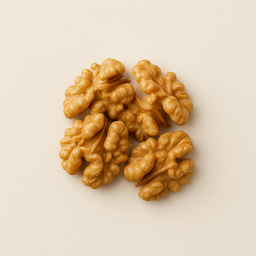 walnuts
 Complementary polyphenols and omega-3
Technical: Pomegranate contains punicalagins studied in research in connection with LDL oxidation. Walnuts provide ALA omega-3 (9g per 100g); alpha-linolenic acid contributes to the maintenance of normal blood cholesterol levels (EFSA). Both contain unique polyphenols (pomegranate: ellagitannins, walnuts: ellagic acid + pedunculagin) with complementary bioactive pathways.
What does this mean for you? Sprinkle pomegranate seeds and chopped walnuts over your salad or yogurt. This combination provides complementary plant compounds through two routes: polyphenols (pomegranate) + omega-3 fatty acids (walnuts).
Heart
olive oil 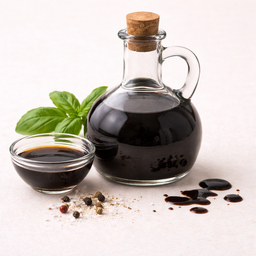 balsamic vinegar
 Italian vinaigrette: polyphenols + acetic acid influence glycemic response
Technical: Olive oil contains oleocanthal and hydroxytyrosol (polyphenols with antioxidant action). Balsamic contains polyphenols from grapes plus acetic acid that can influence glycemic response to meals through delayed gastric emptying. Together they offer antioxidant protection via complementary phenol compounds.
What does this mean for you? Use the classic 3:1 olive oil:balsamic ratio as salad dressing. This is not only delicious but also combines two sources of polyphenols with acetic acid that influences the glucose response after the meal.
Blood SugarHeartAnti-inflammatory
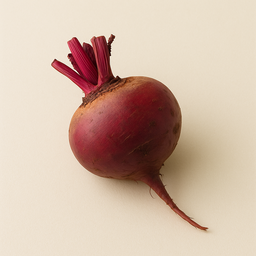 beetroot
 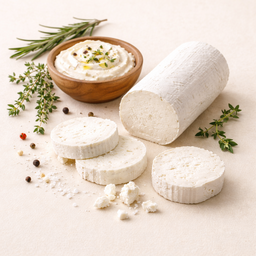 goat cheese
 Protein + minerals complement betalains
Technical: Goat cheese provides 22g protein and 500mg calcium per 100g. The fats (21g) in cheese increase absorption of fat-soluble betalains from beetroot. The salty taste also balances the earthy sweetness of the beet.
What does this mean for you? Combine roasted beetroot with crumbled goat cheese or feta, walnuts and some balsamic. A classic salad that's also nutritionally well-composed — cheese fat makes betalains more absorbable.
HeartMuscle Gain
beetroot walnuts Nitrates + ALA omega-3: complementary vascular pathways
Technical: Beetroot provides nitrates converted via the nitrate-nitrite-NO pathway to nitric oxide (NO), involved in vasodilation. Walnuts contain 9g ALA omega-3 per 100g — an essential fatty acid. Together they influence vascular physiology via two routes: NO signaling and omega-3 fatty acid metabolism.
What does this mean for you? Make a salad of roasted beetroot with walnuts, goat cheese and arugula. Beetroot for NO production, walnuts for omega-3 — two complementary vascular pathways in one salad.
HeartAnti-inflammatory
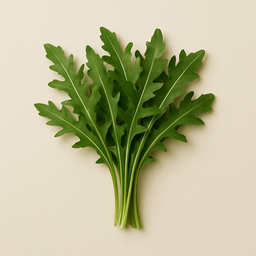 arugula olive oil
 Fat increases absorption of arugula's beta-carotene and vitamin K
Technical: Arugula contains 3747μg beta-carotene and 109μg vitamin K per 100g — both fat-soluble. Olive oil forms mixed micelles increasing absorption 3-5x. Arugula also contains glucosinolates (glucoerucin) converted to sulforaphane — a hydrophobic molecule also better absorbed with fat.
What does this mean for you? Arugula with olive oil dressing isn't just tasty for its peppery character — the oil is necessary to properly absorb fat-soluble vitamins and glucosinolates.
Skin & HairImmune System
arugula beetroot Double nitrate source for maximum NO production
Technical: Arugula contains 480mg nitrate per 100g (highest of all leafy greens) and beetroot 250-300mg/100g. Nitrate is converted by oral bacteria to nitrite then nitric oxide (NO) via the nitrate-nitrite-NO pathway. NO is involved in vasodilation. The double nitrate dose delivers substantial NO production.
What does this mean for you? Arugula-beet salad is one of the richest nitrate combinations you can eat. Arugula actually contains more nitrate than beetroot! Popular in sports nutrition, ideal 2-3 hours before exercise.
HeartEnergy
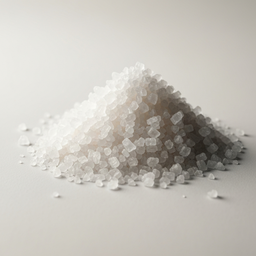 sea salt olive oil
 Minerals + polyphenols for cellular balance
Technical: Sea salt's sodium is essential for the sodium-potassium pump (Na+/K+-ATPase) that regulates every body cell. Olive oil's oleuropein and hydroxytyrosol provide antioxidant protection for cell membranes. The combination supports cell integrity: sea salt regulates ion balance, olive oil protects the membrane. In Mediterranean cuisine, coarse sea salt + olive oil is the most basic flavor profile.
What does this mean for you? Freshly ground sea salt with extra virgin olive oil is the simplest and most nutritious finishing of any dish. The combination provides the basic needs of your cells: minerals for function, polyphenols for protection.
HeartGeneral Wellness
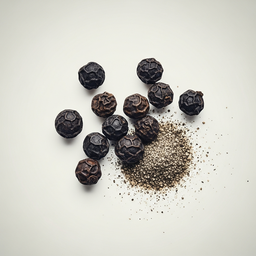 black pepper olive oil
 Fat increases piperine absorption and enhances polyphenols
Technical: Piperine is fat-soluble and absorbed 2-3x better with dietary fat. Olive oil's oleocanthal and piperine both modulate COX signal transduction through different mechanisms, providing additive bioactive effect.
What does this mean for you? Grind fresh pepper over salads with olive oil dressing. The combination enhances both pepper absorption and bioactive action.
Anti-inflammatoryHeartDigestion
Ingredients (10)
+8 more ingredients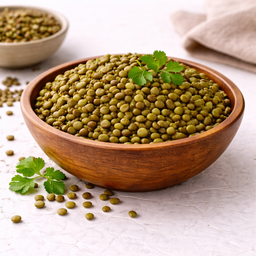
Instructions
- 1 Cook the green lentils according to package instructions (approx. 20-25 minutes). Drain and let cool.
- 2 Toast the walnuts in a dry pan over medium heat for 3-4 minutes until fragrant. Let cool and chop roughly.
Nutrition per serving
Indicative values per serving.
Timing & Suitability
Shelf life: 2 days in fridge
Tags & Diet
Allergens: Dairy, Nuts