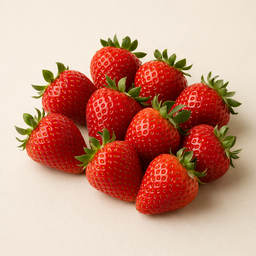
Strawberries
Vitamin C-rich summer fruit with fresh sweetness
What is this ingredient?
Although strawberries are botanically not true berries, but accessory fruits where the small dots on the outside are the actual fruits, they are among the best-known summer fruits in the kitchen. Their fresh sweetness, juicy texture, and bright red color make them suitable for breakfast, desserts, salads, smoothies, and simple snacks.
## Vitamin C and polyphenols
Strawberries naturally contain plenty of vitamin C (89 mg per 100 g) and also provide polyphenols such as anthocyanins and ellagitannins. The red color mainly comes from anthocyanins, plant pigments that are often studied in nutrition research in relation to oxidative stress and cardiovascular biomarkers. The combination of vitamin C, fiber, and aromatic acids gives strawberries a fresh profile without feeling heavy.
## Glycemic index and meal context
With a glycemic index around 40 and a low glycemic load, strawberries fit well into light meals and snacks. Research examines strawberries and strawberry powder in relation to glucose and lipid markers after meals, but those findings depend on dietary context and are not the same as an ingredient-specific health claim.
## Practical use
Eat strawberries preferably fresh and ripe, wash them just before use, and remove the crown only afterward. They pair well with yogurt, oats, mint, basil, dark chocolate, and balsamic vinegar. Because the fruit is delicate, flavor and texture are best preserved when stored cool and cut shortly before serving.
How does it taste?
Sweet and juicy with a subtle floral undertone and bright acidity.
Pairs well with:
Pairs well with chocolatebasilcreambalsamic vinegarand mint.
Varieties
Elsanta
Widely grown in the Netherlands and Belgium; firm, juicy, and balanced in sweet-tart flavor.
Charlotte
Smaller, aromatic variety with fragrant notes reminiscent of woodland strawberry.
Sonata
Glossy red, sweet, and juicy; popular for its even shape and good shelf life.
Did you know...?
- Strawberries are the only well-known fruit with seeds on the outside — about 200 per strawberry on average.
- Botanically, strawberries are not true berries, while bananas are.
Nutritional Value & Energy
Per 100g
Strawberries is low in calories thanks to natural nutrients .
Per 100g
Minerals
Vitamins
Omega-3 fatty acids
More nutrients
B-Vitamins
Trace Minerals
Low GI means blood sugar doesn't spike quickly.
Low GL means minimal impact on your blood sugar per serving.
What's in a serving?
1 serving
Strawberries naturally contain vitamin C (89 mg per 100 g).
% of daily reference intake (DRI)
EU-approved nutrition claims
This ingredient contains nutrients for which EFSA-authorized health claims exist (at nutrient level, not ingredient-specific).
Approved health claims (EU)
Vitamin_c EU 432/2012
Vitamin C contributes to the normal function of the immune system
Contains 89mg/100g (threshold: ≥12mg/100g)
Vitamin_c EU 432/2012
Vitamin C contributes to the reduction of tiredness and fatigue
Contains 89mg/100g (threshold: ≥12mg/100g)
Vitamin_c EU 432/2012
Vitamin C contributes to normal collagen formation for the normal function of skin
Contains 89mg/100g (threshold: ≥12mg/100g)
Vitamin_c EU 432/2012
Vitamin C contributes to normal collagen formation for the normal function of blood vessels
Contains 89mg/100g (threshold: ≥12mg/100g)
Vitamin_c EU 432/2012
Vitamin C contributes to normal collagen formation for the normal function of bones
Contains 89mg/100g (threshold: ≥12mg/100g)
Vitamin_c EU 432/2012
Vitamin C contributes to normal collagen formation for the normal function of cartilage
Contains 89mg/100g (threshold: ≥12mg/100g)
Vitamin_c EU 432/2012
Vitamin C contributes to normal collagen formation for the normal function of gums
Contains 89mg/100g (threshold: ≥12mg/100g)
Vitamin_c EU 432/2012
Vitamin C contributes to normal collagen formation for the normal function of teeth
Contains 89mg/100g (threshold: ≥12mg/100g)
Vitamin_c EU 432/2012
Vitamin C contributes to normal energy-yielding metabolism
Contains 89mg/100g (threshold: ≥12mg/100g)
Vitamin_c EU 432/2012
Vitamin C contributes to normal functioning of the nervous system
Contains 89mg/100g (threshold: ≥12mg/100g)
Vitamin_c EU 432/2012
Vitamin C contributes to normal psychological function
Contains 89mg/100g (threshold: ≥12mg/100g)
Vitamin_c EU 432/2012
Vitamin C contributes to the protection of cells from oxidative stress
Contains 89mg/100g (threshold: ≥12mg/100g)
Vitamin_c EU 432/2012
Vitamin C contributes to the regeneration of the reduced form of vitamin E
Contains 89mg/100g (threshold: ≥12mg/100g)
Vitamin_c EU 432/2012
Vitamin C increases iron absorption
Contains 89mg/100g (threshold: ≥12mg/100g)
Vitamin_c EU 432/2012
Vitamin C contributes to maintain the normal function of the immune system during and after intense physical exercise
Contains 89mg/100g (threshold: ≥12mg/100g)
Comparison
vssinaasappel
Strawberries contain about twice as much vitamin C per 100 g as orange.
What's being researched?
Ellagitannins and oxidative stress markers
Ellagitannins and ellagic acid in strawberries are studied for their role as plant polyphenols. Clinical studies examine, among other things, changes in oxidative stress markers after regular consumption within a broader dietary pattern.
Supported by: [3] Burton-Freeman (2016)
Anthocyanins and cardiovascular nutrition markers
Anthocyanins in strawberries are studied in relation to cardiovascular biomarkers, such as blood lipids and oxidation-related measurements. The available interventions are interesting, but interpretation depends on dose, study duration, and the overall dietary pattern.
Supported by: [3] Burton-Freeman (2016) , [1] Del Bo' C (2015)
Polyphenols and post-meal glucose response
Polyphenols in strawberries are studied in relation to glucose and insulin responses after meals. Early clinical studies often use specific portions or freeze-dried products, so larger and longer studies remain needed for firm conclusions.
Supported by: [2] Basu A (2019) , [4] Zunino SJ (2012)
Good Combinations (Synergy)
Combine strawberries smartly to enhance the effect:
Strawberries 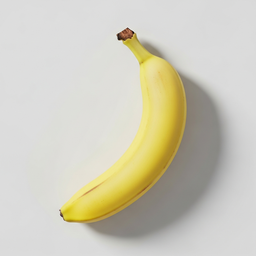 Banana
 Vitamin C + B6 for energy and immune system
Technical: Strawberries contain 59mg vitamin C per 100g (98% RDI) for immune function. Banana provides vitamin B6 (0.4mg/100g) — vitamin B6 contributes to the normal functioning of the nervous system (EFSA). Vitamin C also improves iron absorption from strawberries.
What does this mean for you? The classic strawberry-banana smoothie is a rich combination for energy and immunity. Perfect as breakfast or snack.
Strawberries 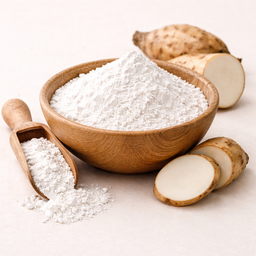 Arrowroot
 Clear thickener that preserves fruit colors
Technical: Arrowroot (Maranta arundinacea) starch gels at lower temperature (65-70°C) than cornstarch (75-80°C). It forms clear, neutral gels that don't mask color or flavor, unlike cornstarch which creates a cloudy, slightly starchy texture. Additionally, arrowroot is stable at acidic pH values (fruit), where cornstarch loses its binding power.
What does this mean for you? Use arrowroot as a thickener for fruit pies, compotes and fruit sauces. The lower gelling temperature means heat-sensitive vitamins (like vitamin C in berries) are better preserved. Your fruit retains its vibrant color and fresh flavor.
Strawberries 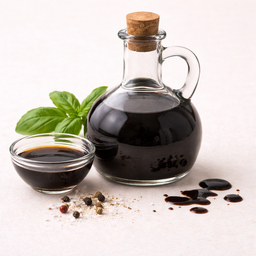 Balsamic Vinegar
 Classic Italian combination that enhances polyphenols
Technical: Balsamic vinegar contains acetic acid that slows glucose uptake in muscles and lowers glycemic response. Strawberries contain ellagic acid and anthocyanins (polyphenols). The combination of acetic acid + polyphenols provides dual glycemic support.
What does this mean for you? Strawberries with balsamic — an Italian dessert that is scientifically smart. The acetic acid reinforces the action of the polyphenols in the strawberries.
Strawberries 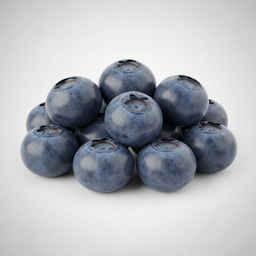 Blueberries
 Double antioxidant power: different anthocyanins
Technical: Blueberries contain malvidin and delphinidin (blue-purple), strawberries contain pelargonidin (red). These different anthocyanins work complementarily and provide broader antioxidant protection. Together they have a higher ORAC value than either alone.
What does this mean for you? Mix blueberries and strawberries in smoothies, yogurt or as toppings. The color combination is not only beautiful but also functional - more colors = more protection.
Strawberries 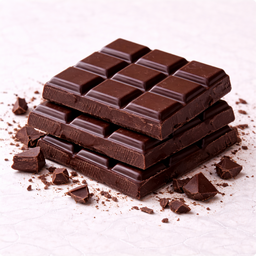 Dark Chocolate (>70%)
 Enhanced antioxidant action through combination
Technical: Dark chocolate contains flavonoids (epicatechin, procyanidins) and berries contain anthocyanins — two different polyphenol classes working via complementary mechanisms. Flavonoids protect LDL from oxidation, anthocyanins support endothelial function. Together they provide a broader antioxidant spectrum than either alone.
What does this mean for you? Dip raspberries, strawberries or blueberries in melted dark chocolate. Two types of antioxidants in one bite — delicious and nutritious at the same time.
Recipes with Strawberries
Discover delicious recipes featuring strawberries:
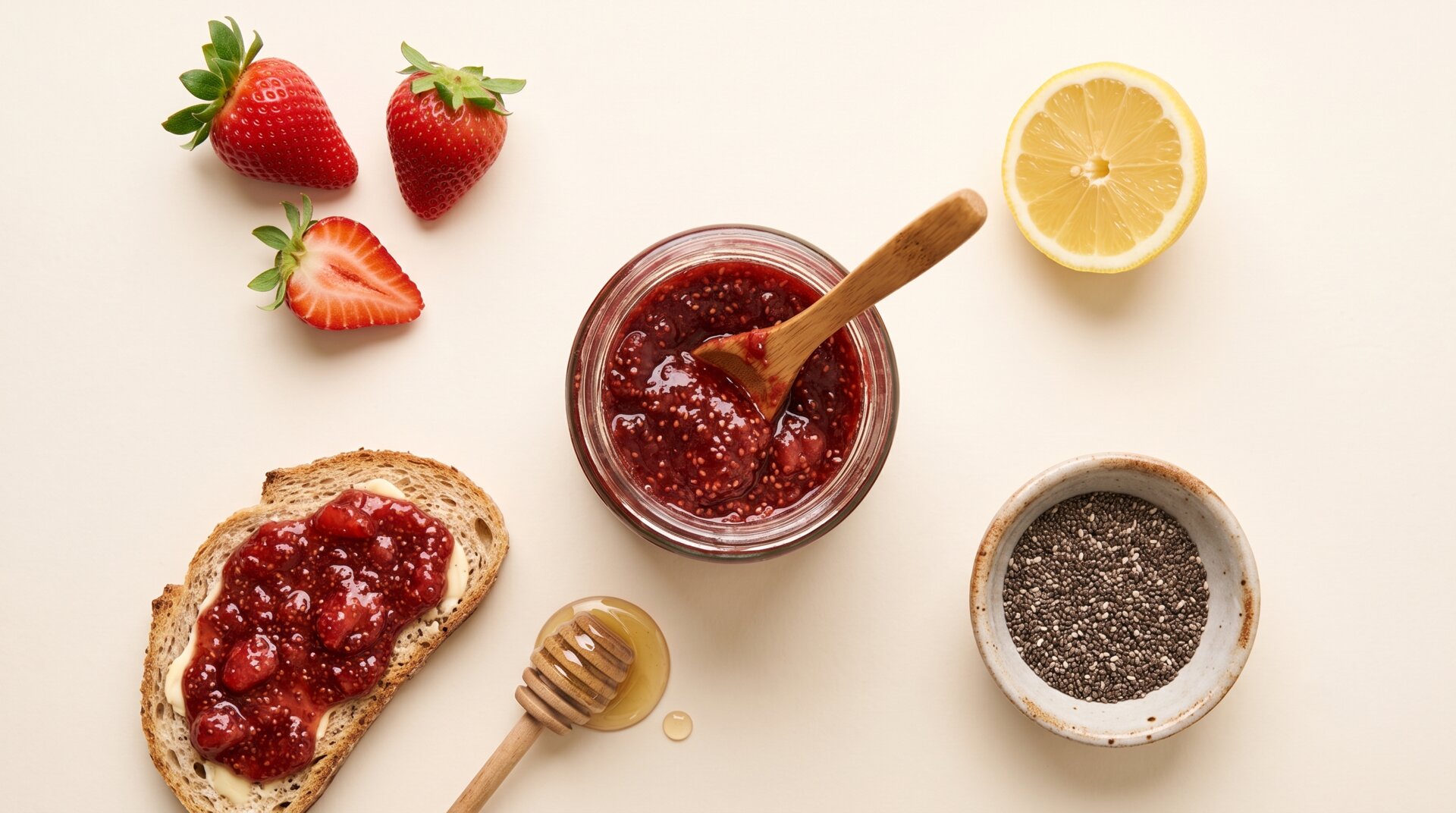 Strawberry chia jam 13 min Homemade jam from strawberries and chia seeds, sweetened only with honey
  34 kcal
  1g protein
 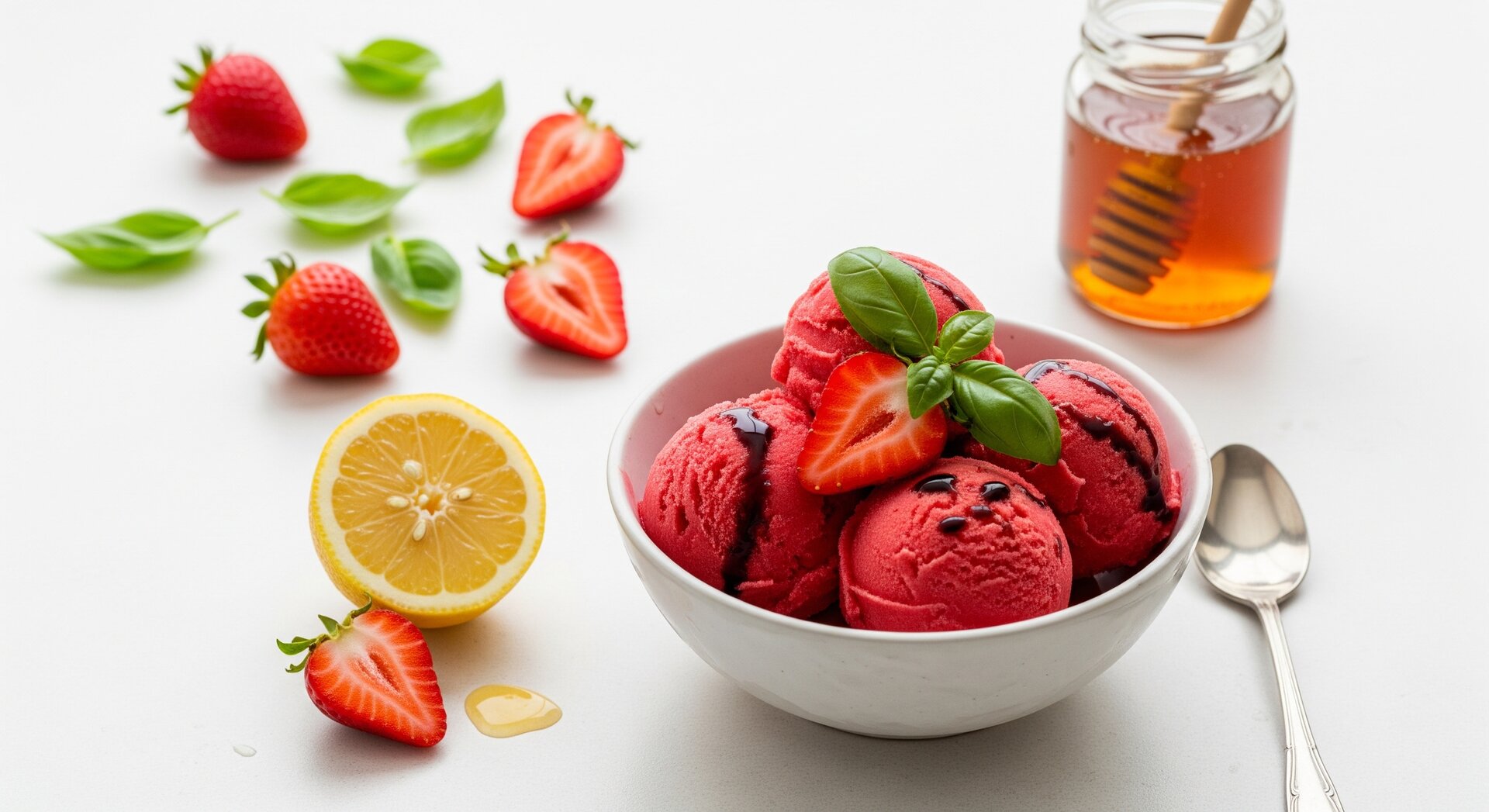 Strawberry-Basil Sorbet with Balsamic 255 min Refreshing sorbet with strawberries, basil and balsamic drizzle 76 kcal 1g protein 2 synergies
 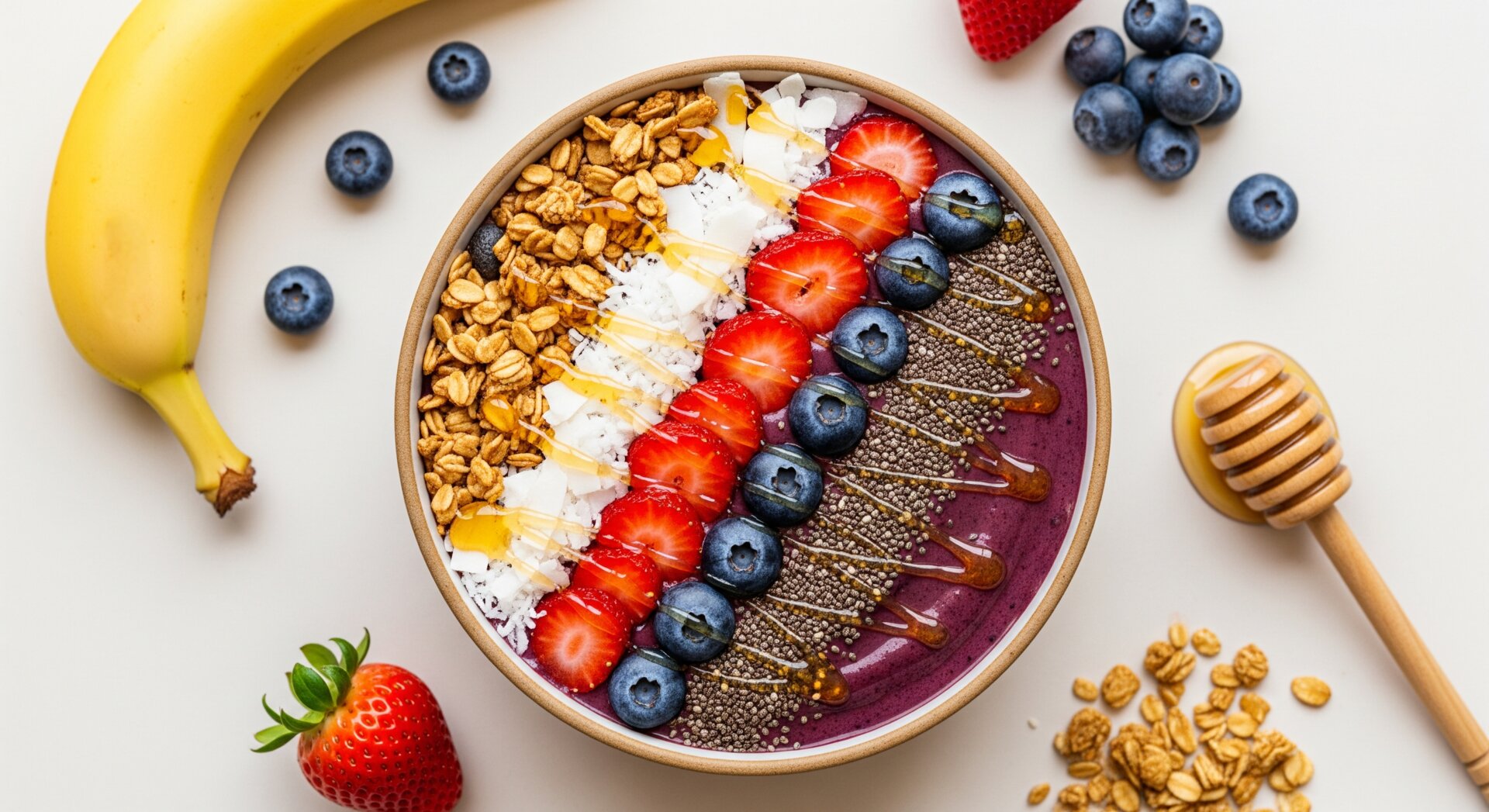 Acai Bowl with Banana, Berries and Oats 10 min Fresh berry bowl for fresh mornings 431 kcal 8g protein 2 synergies
 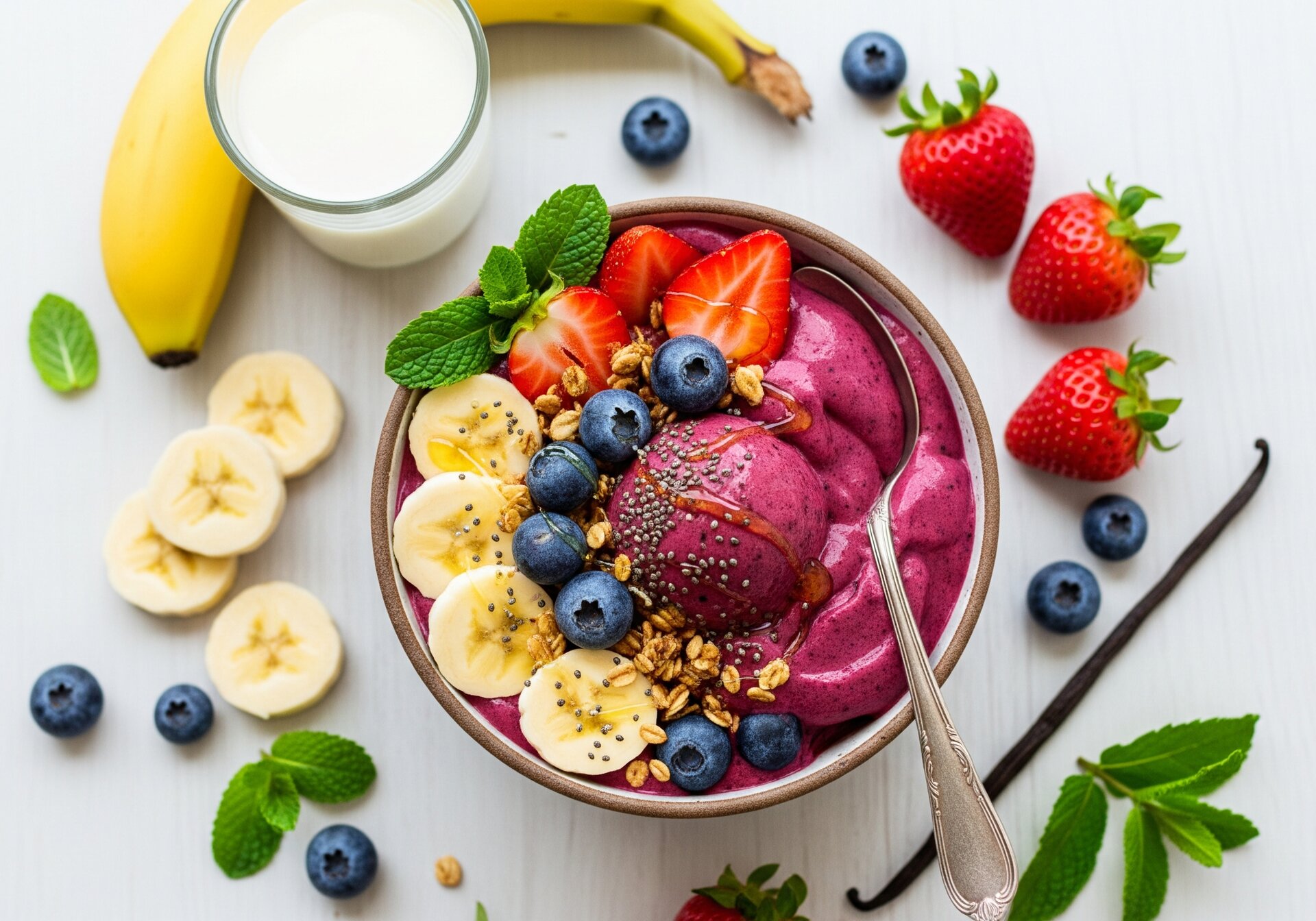 Banana-Berry Nice Cream 5 min Nice cream built on frozen banana, blueberries and strawberries with a splash of oat milk — without added sugars and ready in 5 minutes 140 kcal 2g protein 2 synergies
 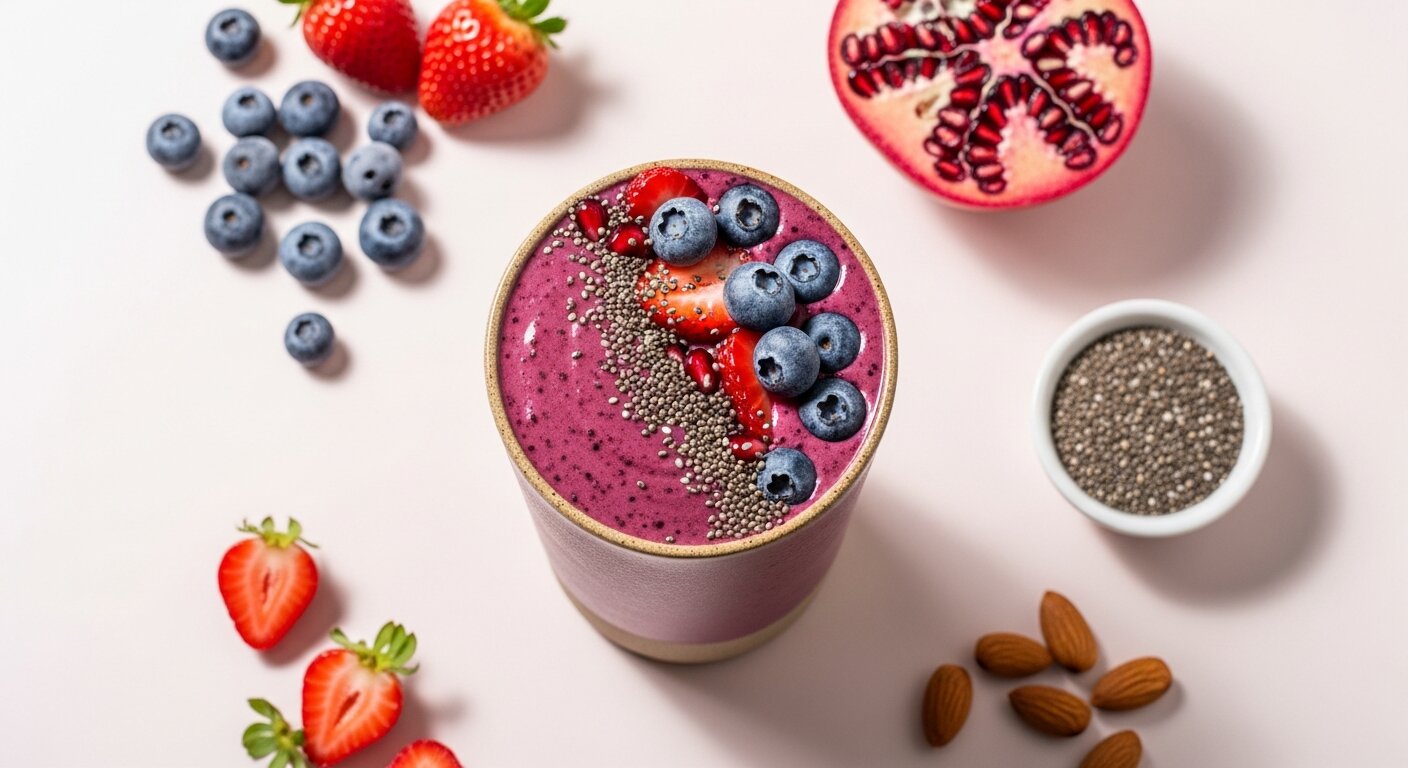 Berry Antioxidant Blast 5 min Deep purple smoothie with blueberries, strawberries and pomegranate 320 kcal 6g protein 2 synergies
 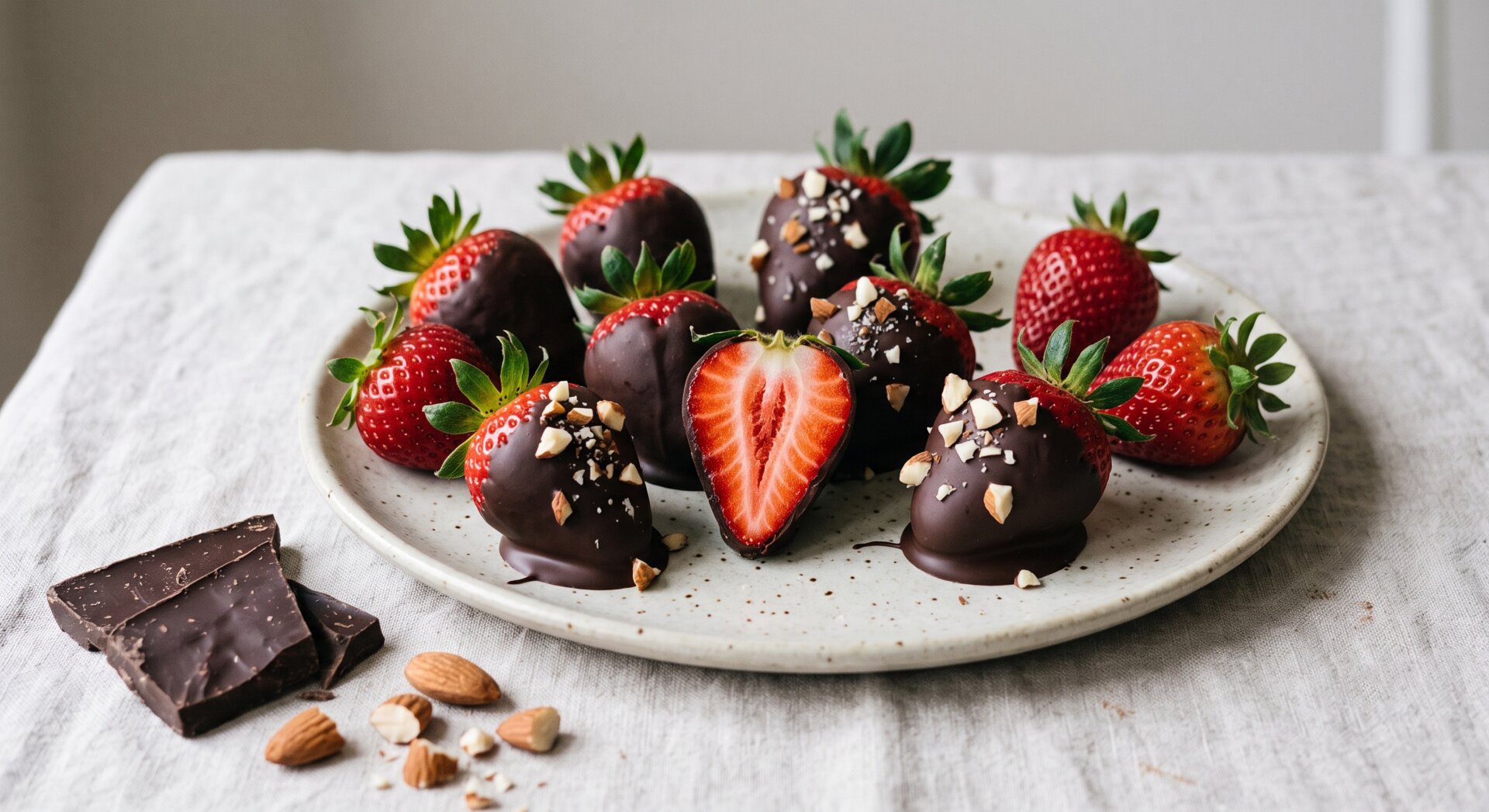 Chocolate Strawberries with Dark Chocolate 50 min Fresh strawberries dipped in melted dark chocolate with sea salt 220 kcal 3g protein 1 synergies
  In the Kitchen
Storage
Location:Refrigerator
Shelf life:3-5 dagen (koelkast)
Do not wash strawberries before storage, because extra moisture can speed up mold growth. Store them cool, dry, and with crowns intact. Wash just before use under cold water and remove damaged berries immediately so the rest keeps better.
Preparation
Use strawberries preferably raw and ripe for their fresh flavor and juicy texture. Wash them first, remove the crown afterward, and cut them only shortly before serving. For smoothies, combine them with yogurt, nut butter, or oats for a creamier, fuller texture.
Conversions
Substitutes
Smart preparation
1Wash strawberries before hulling; otherwise they can absorb extra water.
2Cut strawberries only shortly before serving; this keeps them juicier and more aromatic.
3Bring strawberries to room temperature for the fullest flavor.
Why?
Cold suppresses the volatile aromas that help determine how sweet and fragrant they taste.
Caution / Warnings
Strawberries is very safe, but there are scientific considerations:
Birch pollen allergy (OAS) Moderate
Strawberries can trigger a cross-reaction in some people with birch pollen allergy, such as itching or swelling in the mouth and throat.
Advice:
Heated preparations such as compote or jam are sometimes better tolerated because heat changes certain proteins. Avoid strawberries if you have had severe reactions before.
Kidney stones (oxalate) Moderate
Strawberries contain oxalic acid (about 15 mg per 100 g), which may be relevant for people who are sensitive to calcium oxalate stones.
Advice:
If you have a history of calcium oxalate stones, individual guidance may be useful. You can pair portions with calcium-rich foods as part of a normal meal.
Histamine sensitivity Mild
Strawberries are often described as histamine liberators and may trigger symptoms in sensitive people.
Advice:
Test your personal tolerance with small amounts and choose fresh, not overripe strawberries.
Traditional use
Other
European culinary and herbal traditions
In medieval European households, wild strawberries and strawberry leaves were used in simple preparations, herbal infusions, and seasonal dishes. The fruit was especially known for its fragrant, fresh taste and later became a beloved ingredient in desserts, preserves, and festive dishes.
Summary
Strawberries are fresh, juicy summer fruits with plenty of vitamin C (89 mg per 100 g), fiber, and natural polyphenols such as anthocyanins and ellagitannins. They fit well with breakfast, yogurt, oats, salads, and desserts. Because of their low glycemic load, they are also practical as a sweet addition to a balanced meal. Wash them only just before use, remove the crown after washing, and cut them shortly before serving for the best flavor and texture. Be mindful with birch pollen allergy, histamine sensitivity, or a history of calcium oxalate stones.