Cardamom
Queen of spices
What is this ingredient?
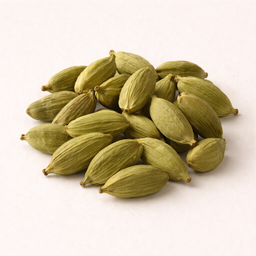
Cardamom (Elettaria cardamomum) is known as the ‘queen of spices’ and, together with saffron and vanilla, is among the world’s most precious spices. The green pods contain small black seeds with an intensely aromatic, sweet-spicy profile that brings together citrus, eucalyptus, floral notes and warm spice.
In South Asian, Arabic, Persian and Scandinavian culinary traditions, cardamom has been used for centuries in warm drinks, rice dishes, breads, pastries and desserts. In Indian chai it adds freshness and depth; in Arabic coffee it brings a recognizable fragrant layer; in Scandinavian baking it gives an elegant, warm spice note.
For the best flavor, store cardamom as whole pods. Crush the pods just before use or grind the seeds fresh, because ground cardamom loses its volatile aroma more quickly.
How does it taste?
Warm, aromatic and slightly eucalyptus-like with sweet, floral and citrusy tones.
Pairs well with:
Pairs well with cinnamoncoffeesaffronrose and almond.
Did you know...?
- Cardamom is one of the world’s most expensive spices by weight, after saffron and vanilla.
- The Vikings encountered cardamom in Constantinople and brought it to Scandinavia.
Nutritional Value & Energy
Per 100g
Cardamom provides energy thanks to natural nutrients , buffered by fiber.
Per 100g
Minerals
Vitamins
More nutrients
Trace Minerals
What's in a serving?
Cardamom naturally contains manganese (28 mg per 100 g dried powder). At typical spice usage (3–9 g), the contribution is limited.
Cardamom naturally contains iron (14 mg per 100 g dried powder). At typical spice usage (3–9 g), the contribution is limited.
Cardamom naturally contains manganese (28 mg per 100 g dried powder). At typical spice usage (3–9 g), the contribution is limited.
Cardamom naturally contains iron (14 mg per 100 g dried powder). At typical spice usage (3–9 g), the contribution is limited.
Cardamom naturally contains magnesium (229 mg per 100 g dried powder). At typical spice usage (3–9 g), the contribution is limited.
Cardamom naturally contains zinc (7.5 mg per 100 g dried powder). At typical spice usage (3–9 g), the contribution is limited.
Cardamom naturally contains calcium (383 mg per 100 g dried powder). At typical spice usage (3–9 g), the contribution is limited.
Cardamom naturally contains potassium (1119 mg per 100 g dried powder). At typical spice usage (3–9 g), the contribution is limited.
% of daily reference intake (DRI)
EU-approved nutrition claims
This ingredient contains nutrients for which EFSA-authorized health claims exist (at nutrient level, not ingredient-specific).
Approved health claims (EU)
Manganese EU 432/2012
Manganese contributes to normal energy-yielding metabolism
Contains 28mg/100g (threshold: ≥0.3mg/100g)
Manganese EU 432/2012
Manganese contributes to the maintenance of normal bones
Contains 28mg/100g (threshold: ≥0.3mg/100g)
Manganese EU 432/2012
Manganese contributes to the normal formation of connective tissue
Contains 28mg/100g (threshold: ≥0.3mg/100g)
Manganese EU 432/2012
Manganese contributes to the protection of cells from oxidative stress
Contains 28mg/100g (threshold: ≥0.3mg/100g)
Comparison
vsspinazie
Cardamom contains about 5× more iron per 100g than spinach — but you use much less cardamom per serving.
vsmelk
Cardamom contains about 3× more calcium per 100g than milk — but you use much less cardamom per serving.
vsbanaan
Cardamom contains about 3× more potassium per 100g than banana — but you use much less cardamom per serving.
What's being researched?
Cardamom and the meal experience
Cardamom is studied in relation to aromatic compounds, gastrointestinal comfort and use around meals. The available research consists mainly of preclinical studies and small human studies.
Supported by: [1] Azimi (2016) , [2] Daneshi-Maskooni (2019)
Cardamom and cardiometabolic markers
Some small clinical studies examine cardamom in relation to cardiometabolic markers. The results are interesting, but not sufficient for ingredient-specific health claims.
Supported by: [1] Azimi (2016)
Good Combinations (Synergy)
Combine cardamom smartly to enhance the effect:
Cardamom 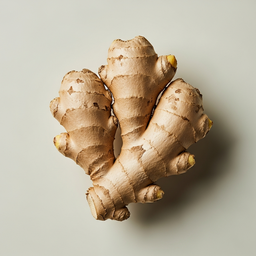 Ginger
 Traditional Ayurvedic combination for digestion
Technical: Cardamom contains 1,8-cineole and a-terpinyl acetate that promote digestive enzymes and relax intestinal smooth muscles. Ginger's gingerol accelerates gastric motility (prokinetic) and suppresses nausea.
What does this mean for you? Cardamom + ginger in chai or desserts is a classic Ayurvedic combination. Two spices that each support your digestion in their own way.
Cardamom 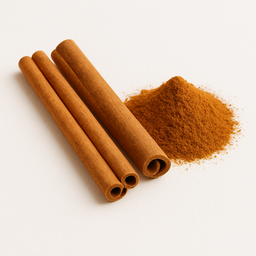 Cinnamon
 Glycemic support through spice mix
Technical: Cinnamon's MHCP increases insulin activity up to 20x by sensitizing insulin receptors. Cardamom's 1,8-cineole supports glucose tolerance via an independent mechanism (pancreatic beta-cell function). Together they support the glycemic response via two pathways.
What does this mean for you? Cinnamon + cardamom in oatmeal or chai provides dual glycemic support. Both spices support the glycemic response — together via two independent pathways.
Cardamom 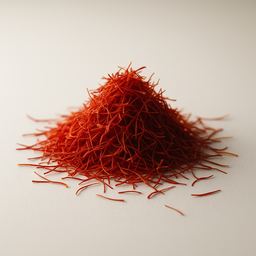 Saffron
 Persian mood enhancer: double GABA modulation
Technical: Both safranal (saffron) and 1,8-cineole (cardamom) modulate GABA-A receptors, the main calming neurotransmitter system. Saffron also increases serotonin. This combination is traditional in Persian cuisine (rice dishes, desserts) and has synergistic calming effects.
What does this mean for you? Add a pinch of saffron and cardamom to rice or warm milk for a calming evening drink. Ideal for stress or sleep issues.
Recipes with Cardamom
Discover delicious recipes featuring cardamom:
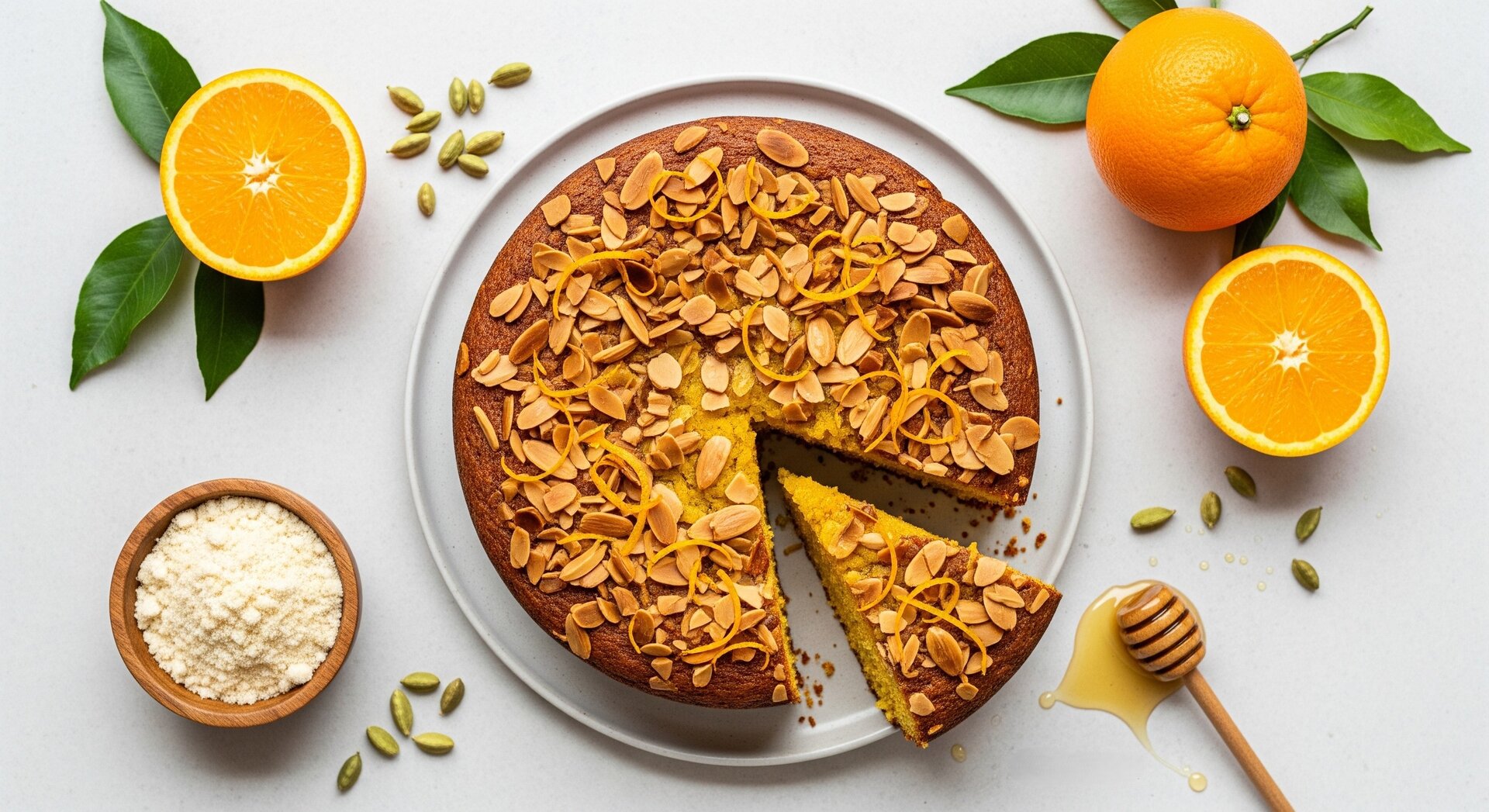 Almond Flour Orange Cake with Cardamom 55 min Fluffy gluten-free cake with fresh orange and aromatic cardamom
  241 kcal
  7g protein 1 synergies
 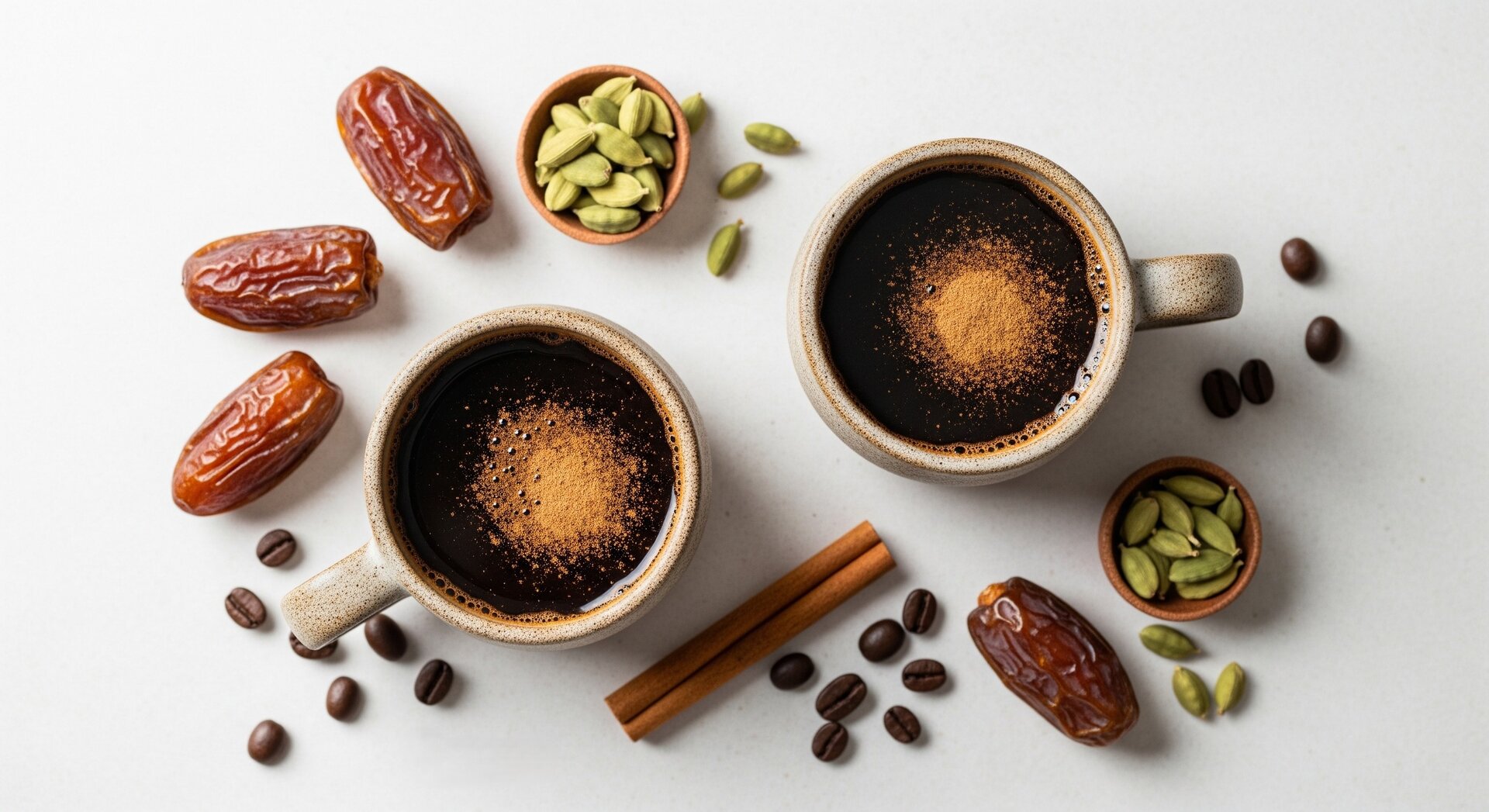 Arabic Cardamom Date Coffee 10 min Traditional Arabic coffee with cardamom and dates 142 kcal 1g protein 1 synergies
 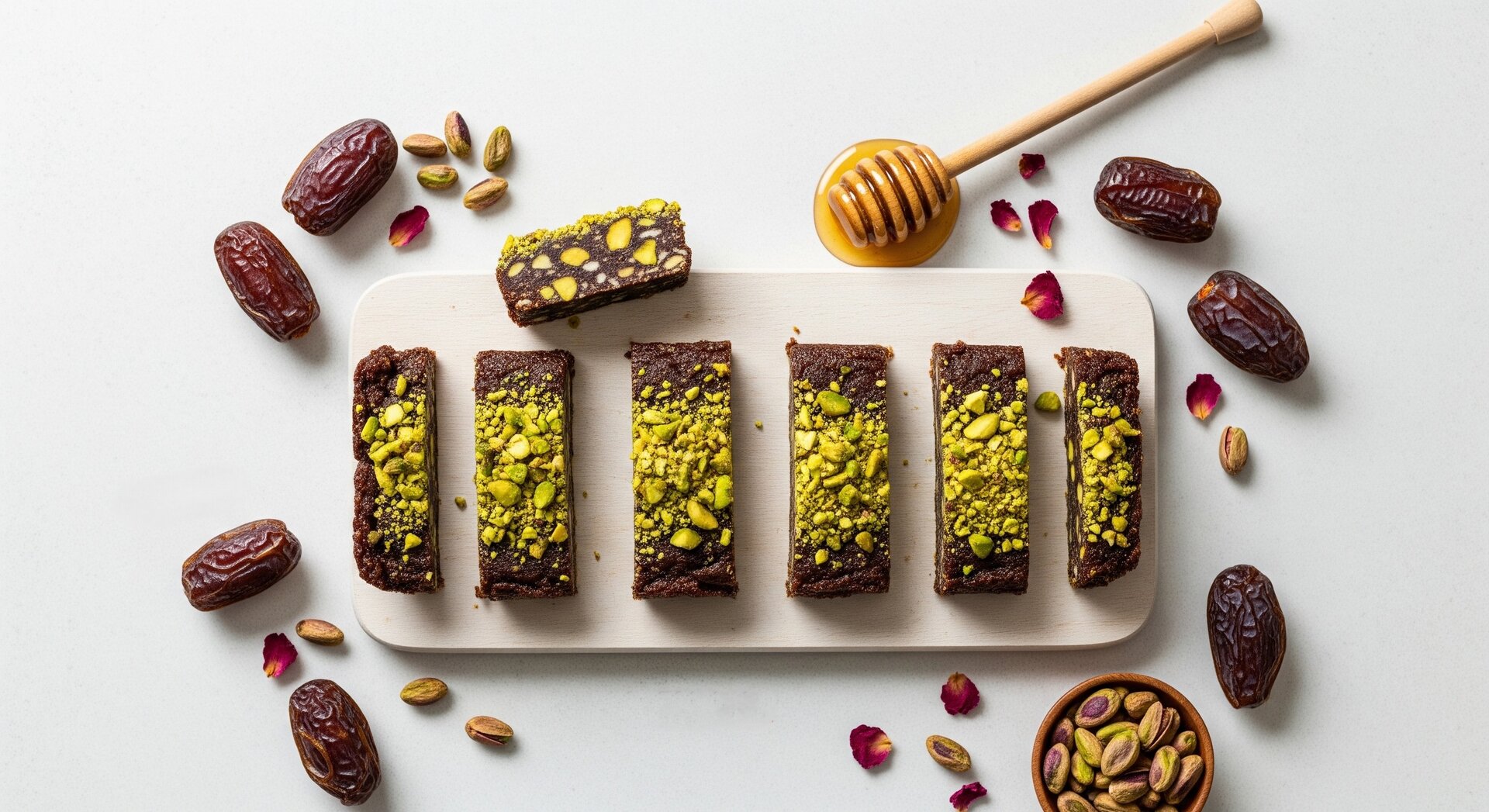 Baklava-Style Bars with Pistachio 135 min No-bake bars with pistachio, dates, honey and rose water 133 kcal 3g protein 1 synergies
 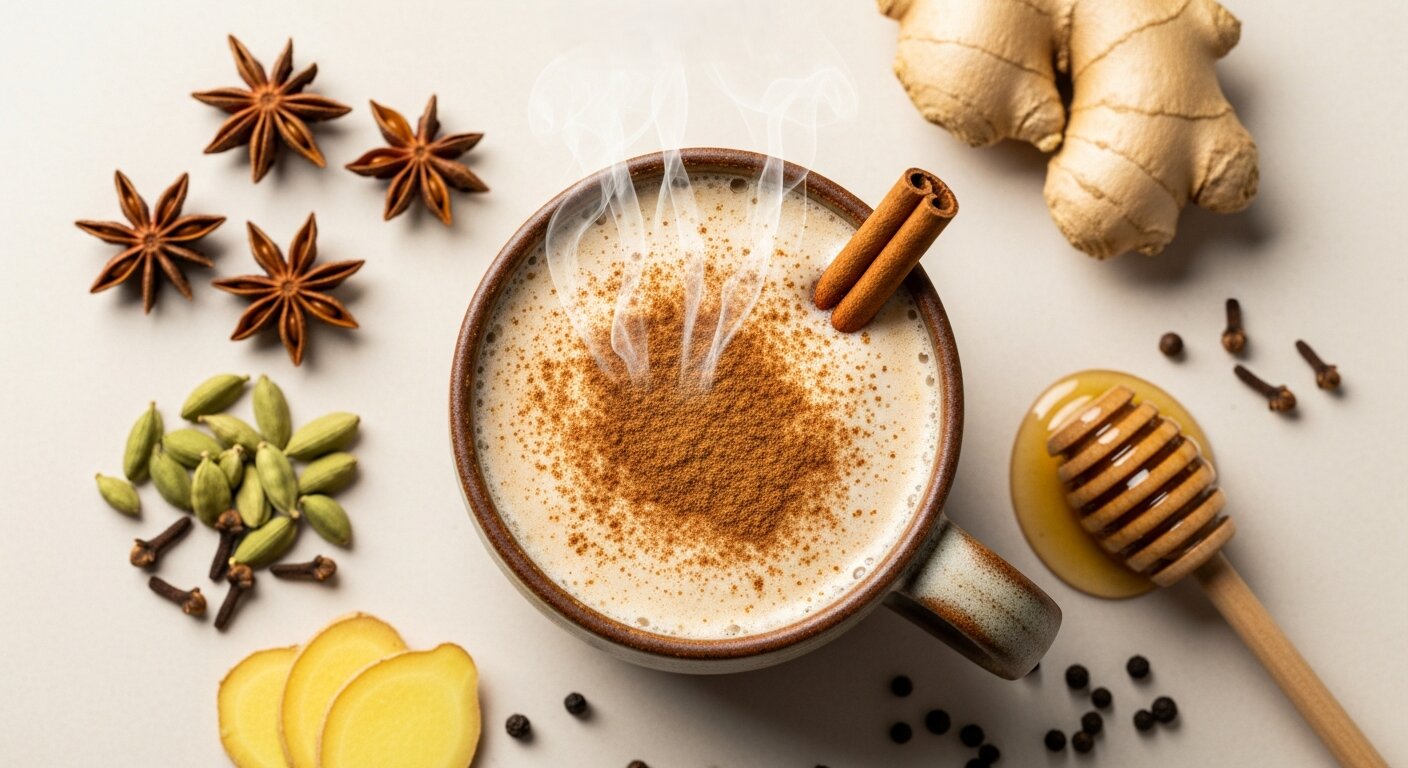 Spiced Chai Latte 20 min Indian spiced tea with black tea and warming spices 120 kcal 2g protein 2 synergies
 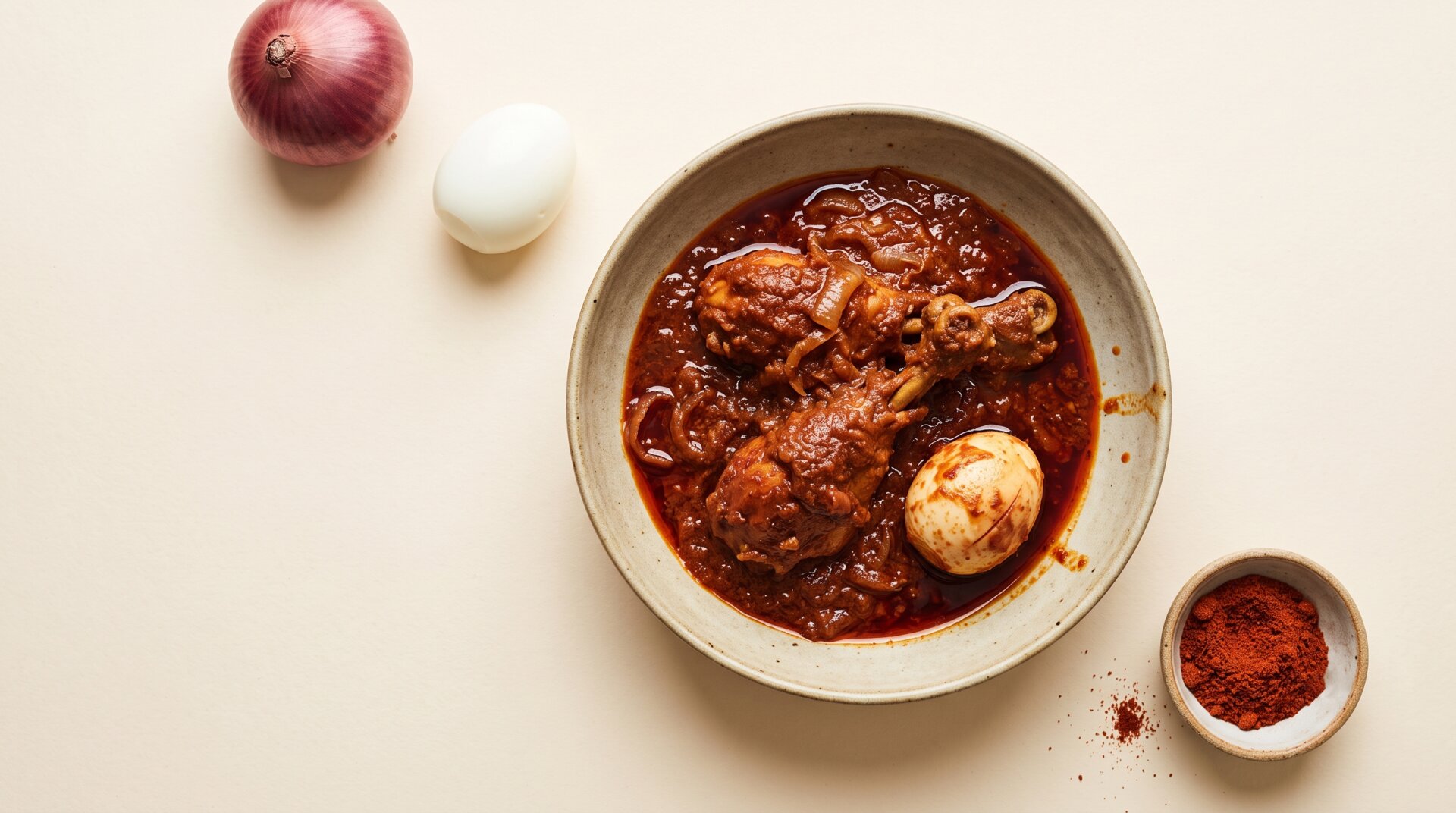 Ethiopian Doro Wat 105 min Spicy chicken stew with berbere spices and hard-boiled eggs 480 kcal 42g protein 2 synergies
 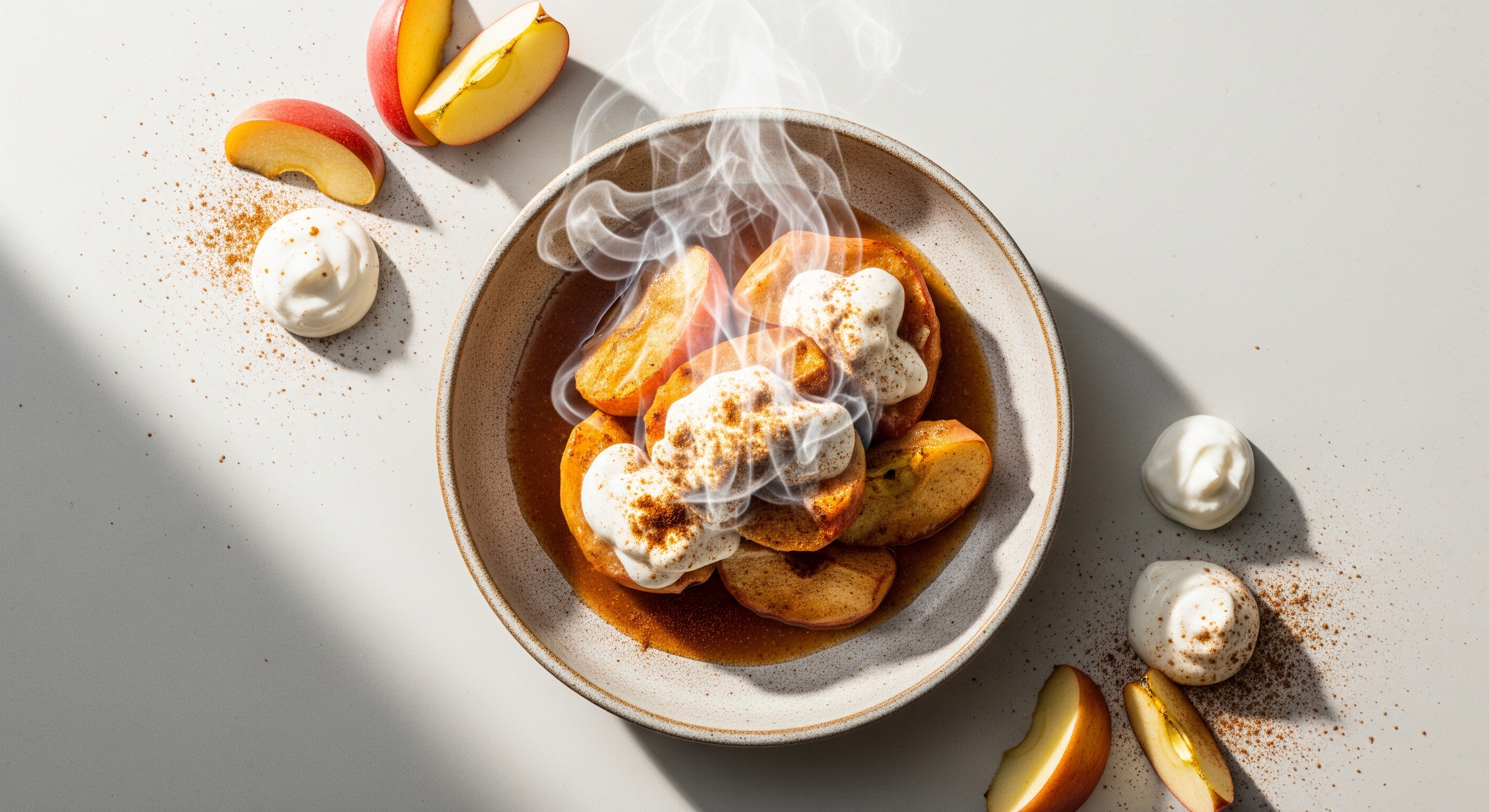 Baked Cinnamon Apple with Coconut Cream 45 min Warm paleo dessert with spiced apple and creamy coconut cream 215 kcal 3g protein 1 synergies
  In the Kitchen
Storage
Location:Pantry
Shelf life:2-3 jaar (hele peulen), 6 maanden (gemalen)
Store whole pods in an airtight jar in a cool, dry and dark place. Grind just before use because ground cardamom quickly loses its fresh, floral aroma.
Preparation
Add whole pods to rice, stews, coffee or chai and remove them before serving. For desserts and baked goods, remove the seeds from the pod and grind them finely just before use.
Conversions
Substitutes
Smart preparation
1Lightly crush cardamom pods before adding them to dishes.
Why?
Most of the flavor is in the seeds inside the pod.
2Remove cardamom pods before serving; the shell is tough.
3Grind the seeds fresh in a mortar for the strongest aroma.
Caution / Warnings
Cardamom is very safe, but there are scientific considerations:
Gallstones Moderate
Cardamom may affect bile flow in some people, especially with concentrated or frequent use.
Advice:
Use culinary amounts in moderation and consult a doctor if you have gallstone issues.
Traditional use
Ayurveda
Queen of spices in Ayurveda
Cardamom is often called the ‘queen of spices’ in Ayurveda and has appeared since the Vedic period in warm drinks, spice blends, rice dishes and sweet preparations.
Islamic tradition
Arabic coffee tradition
Cardamom has been an essential ingredient in Arabic coffee (qahwa) for centuries and gives the drink its recognizable fragrant character. In many Arabic cultures, this coffee is part of hospitality and ceremonial serving.
Summary
Cardamom is one of the most precious spices, loved for its unique fragrance, fresh citrus-like notes and warm spice. Add whole pods to chai, coffee or rice, or grind the seeds fresh for desserts and baking.