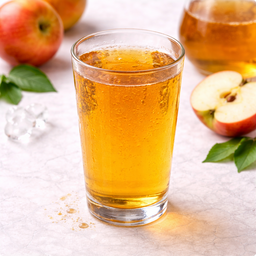
Apple Juice
Fruity drink with apple polyphenols
What is this ingredient?
Apple juice comes in two main styles: cloudy juice, where fine pulp particles remain, and clear juice, which is filtered further. This choice mainly affects texture, depth of flavor and the amount of apple polyphenols.
## Cloudy vs clear
Will et al. (2008) in LWT - Food Science and Technology reported that cloudy apple juice can contain up to 4x more polyphenols than clear varieties. These are mainly apple polyphenols such as procyanidins, also found in apple peel and flesh.
## Research on LDL oxidation
Hyson et al. (2000) studied apple juice consumption in healthy adults in relation to markers of LDL oxidation. This type of research gives useful context about apple polyphenols, but it is not an ingredient-specific EU health claim for apple juice.
Note: apple juice has less fiber structure than whole apples and provides concentrated fruit sugars in liquid form. Choose 100% apple juice without added sugars and use it as a drink or culinary ingredient with an appropriate portion size.
How does it taste?
Fresh-sweet with a natural apple flavor and mild acidity.
Pairs well with:
Pairs well with cinnamongingercarrotcelery and mint.
Did you know...?
- It takes an average of 36 apples to make 4 liters of apple juice.
- China is the world's largest producer of apple juice concentrate.
Nutritional Value & Energy
Per 100ml
Apple Juice is low in calories thanks to natural nutrients .
Per 100g
Minerals
Vitamins
Omega-3 fatty acids
More nutrients
B-Vitamins
Trace Minerals
Low GI means blood sugar doesn't spike quickly.
EU-approved nutrition claims
There are currently no EFSA-authorized health claims specific to apple juice.
What's being researched?
Polyphenols in apple juice
Polyphenols in cloudy apple juice are studied for antioxidant properties. Cloudy juice contains more pulp particles and generally more bioactive compounds than clear juice.
Supported by: [1] Godycki-Cwirko M (2010) , [3] Le Bourvellec C (2004) , [2] Hyson D (2000)
Good Combinations (Synergy)
Combine apple juice smartly to enhance the effect:
Apple Juice 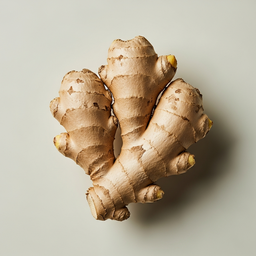 Ginger
 Apple polyphenols + gingerols for digestion and immunity
Technical: Apple juice contains pectin (soluble fiber, 0.5g/100ml) that acts as a prebiotic and binds bile acids. Ginger's gingerols promote gastric motility and enzyme production. Pectin + gingerols support intestinal transit time and feed beneficial gut bacteria (Bifidobacterium). Apple juice's vitamin C (10mg) protects ginger's volatile oils from oxidation.
What does this mean for you? Apple juice with fresh ginger (juiced or smoothie) is a refreshing drink. The ginger activates your digestion, the apple pectin feeds your gut bacteria.
Apple Juice 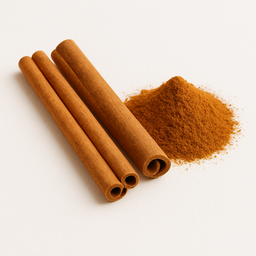 Cinnamon
 Quercetin + cinnamaldehyde for blood sugar and antioxidant
Technical: Apple juice contains quercetin and chlorogenic acid from apples, but also fructose (6g/100ml) that can raise blood sugar. Cinnamon's cinnamaldehyde activates AMPK and supports insulin signaling, tempering the fructose impact. Cinnamon also inhibits alpha-glucosidase slowing carbohydrate breakdown.
What does this mean for you? Add a cinnamon stick to your apple juice or smoothie. The cinnamon tempers the glycemic effect of the fructose in the apple juice.
Apple Juice 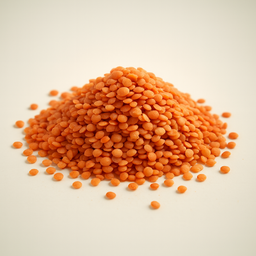 Red Lentils
 Vitamin C increases iron absorption 3-6x
Technical: Apple juice contains vitamin C that reduces non-heme iron (Fe³⁺) from plant sources to Fe²⁺, the better absorbable form. Red lentils contain 6.5mg iron per 100g, spinach 2.7mg. Without vitamin C absorption is only 2-5%; with vitamin C it rises to 10-20% — a 3-6x improvement.
What does this mean for you? Drink a glass of apple juice with meals containing lentils or spinach, or use it in the sauce. Especially crucial for vegetarians: you absorb 3-6x more iron.
Apple Juice 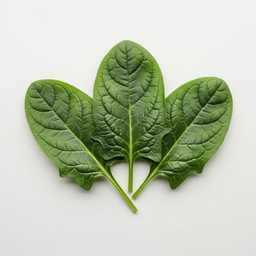 Spinach
 Vitamin C increases iron absorption 3-6x
Technical: Apple juice contains vitamin C that reduces non-heme iron (Fe³⁺) from plant sources to Fe²⁺, the better absorbable form. Red lentils contain 6.5mg iron per 100g, spinach 2.7mg. Without vitamin C absorption is only 2-5%; with vitamin C it rises to 10-20% — a 3-6x improvement.
What does this mean for you? Drink a glass of apple juice with meals containing lentils or spinach, or use it in the sauce. Especially crucial for vegetarians: you absorb 3-6x more iron.
Recipes with Apple Juice
Discover delicious recipes featuring apple juice:
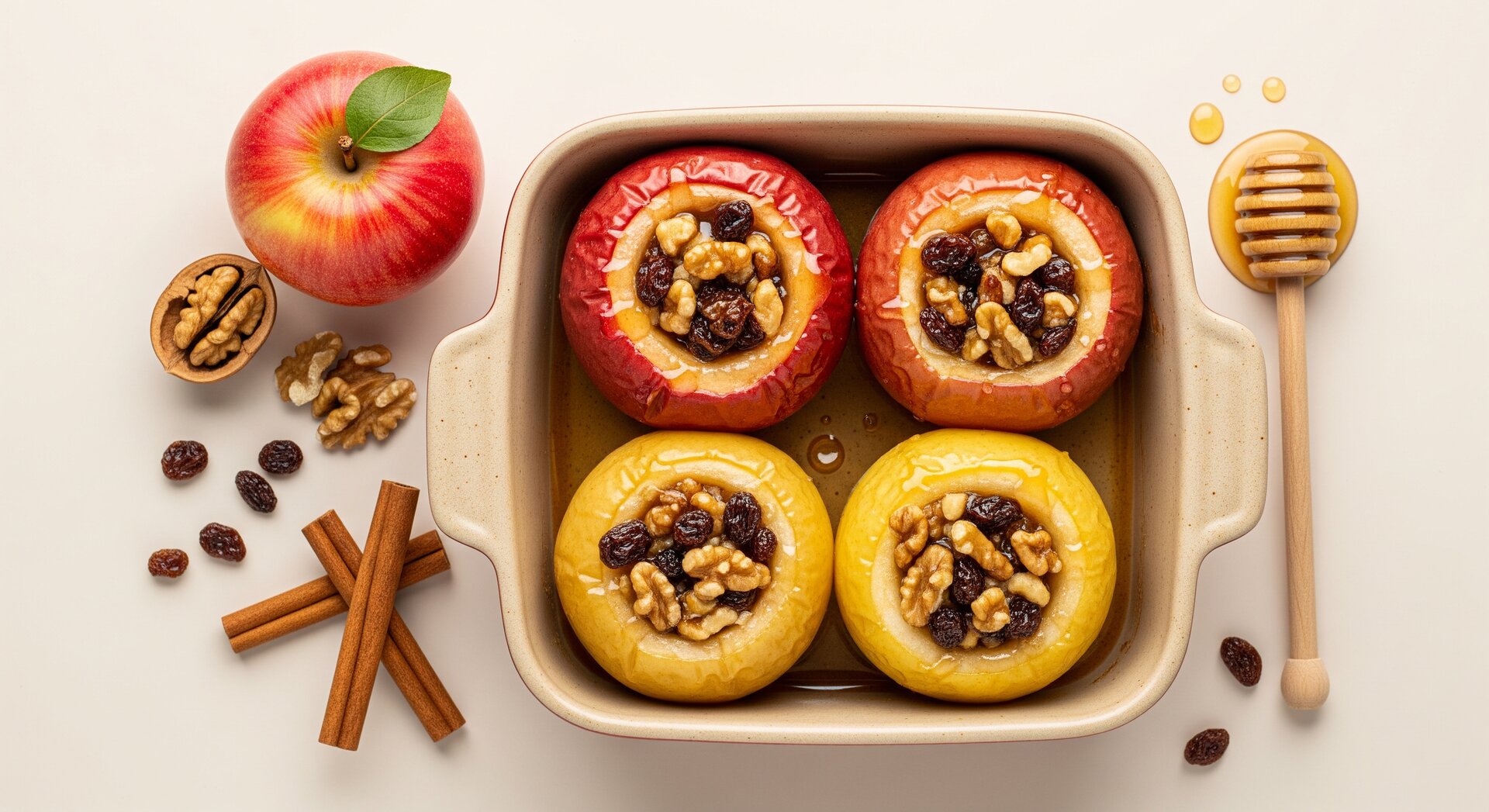 Baked Apples with Cinnamon and Nuts 60 min Warm baked apples filled with nuts, honey and cinnamon
  280 kcal
  4g protein 2 synergies
  In the Kitchen
Storage
Location:Refrigerator
Shelf life:Ongeopend: zie verpakking, geopend: 7-10 dagen in koelkast
Always refrigerate after opening and consume within a week.
Preparation
Use in marinades, glazes, smoothies or as a fruity sweetener in baking.
Conversions
Substitutes
Smart preparation
1Use cloudy apple juice for more flavor depth in sauces and marinades.
2Reduce apple juice to a syrup for concentrated sweetness.
Why?
Reducing concentrates the sugars and gives a more caramel-like taste.
3Add a splash of lemon juice to balance the sweetness of apple juice.
Caution / Warnings
Apple Juice is very safe, but there are scientific considerations:
Diabetes / sugar intake Moderate
Apple juice lacks the fiber structure of whole apples and provides fruit sugars in liquid form.
Advice:
Use small portions, preferably choose cloudy 100% apple juice, and include the carbohydrates in your daily total.
Summary
Apple juice is a fresh, fruity drink and a useful culinary ingredient, but whole apples remain more nutrient-dense because of their fiber structure. Choose cloudy varieties for more apple polyphenols and watch portion size, especially with concentrated fruit sugars.