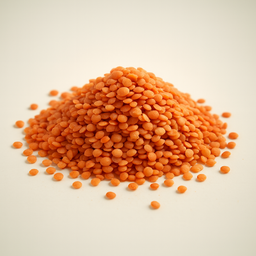
Red Lentils
Quick-cooking plant protein source
What is this ingredient?
Red lentils are hulled, split lentils that cook quickly and naturally break down into a creamy base. This makes them useful for dal, soups, curries and soft purées. Unlike many other legumes, red lentils usually do not need soaking: rinsing well and cooking briefly is enough.
## Quick in the kitchen
Red lentils are practical for weekday meals because they cook in about 10-20 minutes. They hold their shape less than green or brown lentils, but they add body and creaminess to sauces and soups.
## Nourishing base
Dried red lentils naturally contain plant protein, fibre, iron, potassium and folate. Folate contributes to maternal tissue growth during pregnancy. Pair red lentils with tomato, lemon or bell pepper for freshness and balance in plant-based meals.
## Flavour and use
The flavour is mild, slightly sweet and earthy. Spices such as cumin, turmeric, ginger and coriander pair well with red lentils, as do coconut milk or tomato for a smooth curry base.
How does it taste?
Soft and mildly sweet; quickly break down into a velvety purée.
Pairs well with:
Pairs well with cuminlemongingertomato and coconut milk.
Did you know...?
- Red lentils break apart when cooked, making them useful for soups and dals.
- Turkey is one of the largest exporters of red lentils in the world.
Nutritional Value & Energy
Per 100g
Red Lentils provides energy thanks to natural nutrients , buffered by fiber.
Per 100g
Minerals
Vitamins
Omega-3 fatty acids
More nutrients
B-Vitamins
Trace Minerals
Low GI means blood sugar doesn't spike quickly.
What's in a serving?
1 serving (dry)
Red lentils naturally contain folate (120 mcg per 100 g).
Red lentils naturally contain iron (3.33 mg per 100 g).
Red lentils naturally contain potassium (369 mg per 100 g).
% of daily reference intake (DRI)
EU-approved nutrition claims
This ingredient contains nutrients for which EFSA-authorized health claims exist (at nutrient level, not ingredient-specific).
Approved health claims (EU)
Iron EU 432/2012
Iron contributes to normal energy-yielding metabolism
Contains 3.33mg/100g (threshold: ≥2.1mg/100g)
Iron EU 432/2012
Iron contributes to the reduction of tiredness and fatigue
Contains 3.33mg/100g (threshold: ≥2.1mg/100g)
Potassium EU 432/2012
Potassium contributes to the maintenance of normal blood pressure
Contains 369mg/100g (threshold: ≥300mg/100g)
Folate EU 432/2012
Folate contributes to normal blood formation
Contains 120mcg/100g (threshold: ≥30mcg/100g)
Folate EU 432/2012
Folate contributes to normal amino acid synthesis
Contains 120mcg/100g (threshold: ≥30mcg/100g)
Folate EU 432/2012
Folate contributes to normal homocysteine metabolism
Contains 120mcg/100g (threshold: ≥30mcg/100g)
Folate EU 432/2012
Folate contributes to normal psychological function
Contains 120mcg/100g (threshold: ≥30mcg/100g)
Folate EU 432/2012
Folate contributes to the normal function of the immune system
Contains 120mcg/100g (threshold: ≥30mcg/100g)
Folate EU 432/2012
Folate has a role in the process of cell division
Contains 120mcg/100g (threshold: ≥30mcg/100g)
Folate EU 432/2012
Folate contributes to maternal tissue growth during pregnancy
Contains 120mcg/100g (threshold: ≥30mcg/100g)
Iron EU 432/2012
Iron contributes to normal cognitive function
Contains 3.33mg/100g (threshold: ≥2.1mg/100g)
Iron EU 432/2012
Iron contributes to normal formation of red blood cells and haemoglobin
Contains 3.33mg/100g (threshold: ≥2.1mg/100g)
Iron EU 432/2012
Iron contributes to normal oxygen transport in the body
Contains 3.33mg/100g (threshold: ≥2.1mg/100g)
Iron EU 432/2012
Iron contributes to the normal function of the immune system
Contains 3.33mg/100g (threshold: ≥2.1mg/100g)
Iron EU 432/2012
Iron has a role in the process of cell division
Contains 3.33mg/100g (threshold: ≥2.1mg/100g)
Potassium EU 432/2012
Potassium contributes to normal functioning of the nervous system
Contains 369mg/100g (threshold: ≥300mg/100g)
Potassium EU 432/2012
Potassium contributes to normal muscle function
Contains 369mg/100g (threshold: ≥300mg/100g)
What's being researched?
Red lentils and iron bioavailability
The iron content of red lentils and preparation methods that may influence bioavailability, such as soaking and sprouting, are being studied. Red lentils are relevant in plant-based eating patterns, but phytate may limit mineral absorption.
Supported by: [2] Livesey G (2019)
Good Combinations (Synergy)
Combine red lentils smartly to enhance the effect:
Red Lentils 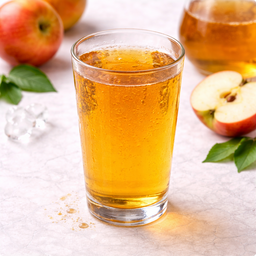 Apple Juice
 Vitamin C increases iron absorption 3-6x
Technical: Apple juice contains vitamin C that reduces non-heme iron (Fe³⁺) from plant sources to Fe²⁺, the better absorbable form. Red lentils contain 6.5mg iron per 100g, spinach 2.7mg. Without vitamin C absorption is only 2-5%; with vitamin C it rises to 10-20% — a 3-6x improvement.
What does this mean for you? Drink a glass of apple juice with meals containing lentils or spinach, or use it in the sauce. Especially crucial for vegetarians: you absorb 3-6x more iron.
Red Lentils 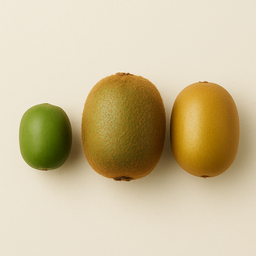 Kiwi
Kiwi Kiwi's vitamin C makes the iron from lentils much more absorbable
Vitamin C overcomes phytate inhibition of iron absorption (PMID: 2507689)
Technical: Lentils are an iron powerhouse (6-8mg per 100g cooked), but also contain phytate that blocks iron absorption. Kiwi's extremely high vitamin C (93mg/100g) overcomes this problem: it reduces Fe³⁺ to Fe²⁺ and forms soluble chelates that bypass phytate binding. The combination increases iron absorption by 300-600%.
What does this mean for you? Eat a kiwi as dessert after your lentil soup or salad. This is a simple trick to get much more iron from your meal — without supplements. Ideal if you eat vegetarian or often feel tired.
Red Lentils 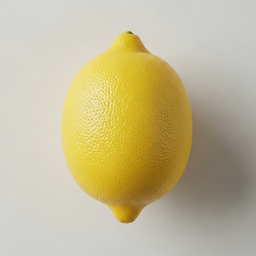 Lemon
Lemon Vitamin C increases iron absorption from lentils up to 6x
Technical: Red lentils contain 3.3mg iron per 100g (cooked) — about 40% of the recommended daily intake. This is non-heme iron in Fe³⁺ form with low bioavailability (5-12%). Lemon juice's vitamin C (53mg per 100g) reduces Fe³⁺ to Fe²⁺ which is directly absorbed by DMT1 transporters in the gut wall. Red lentils cook faster than other lentils, retaining less phytic acid.
What does this mean for you? Squeeze half a lemon over your red lentil soup just before serving. Vitamin C works best fresh and raw — don't add it during cooking. This simple gesture triples to quadruples your iron absorption.
Red Lentils 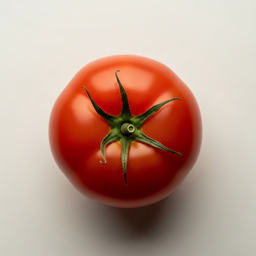 Tomato
 Tomato increases iron absorption from lentils
Technical: Red lentils contain 3.3mg non-heme iron per 100g. Tomatoes provide vitamin C (14mg per 100g) plus citric acid and malic acid that promote iron absorption. When slow-cooked (stew/dal), tomatoes concentrate, increasing organic acid content. This is the basis of Indian dal — one of the most nutritious plant-based dishes.
What does this mean for you? Cook red lentils with fresh or canned tomatoes for a nutritious dal. The tomatoes increase iron absorption, and cooking the lentils makes them softer and more digestible. Add turmeric and cumin for an authentic Indian result.
Recipes with Red Lentils
Discover delicious recipes featuring red lentils:
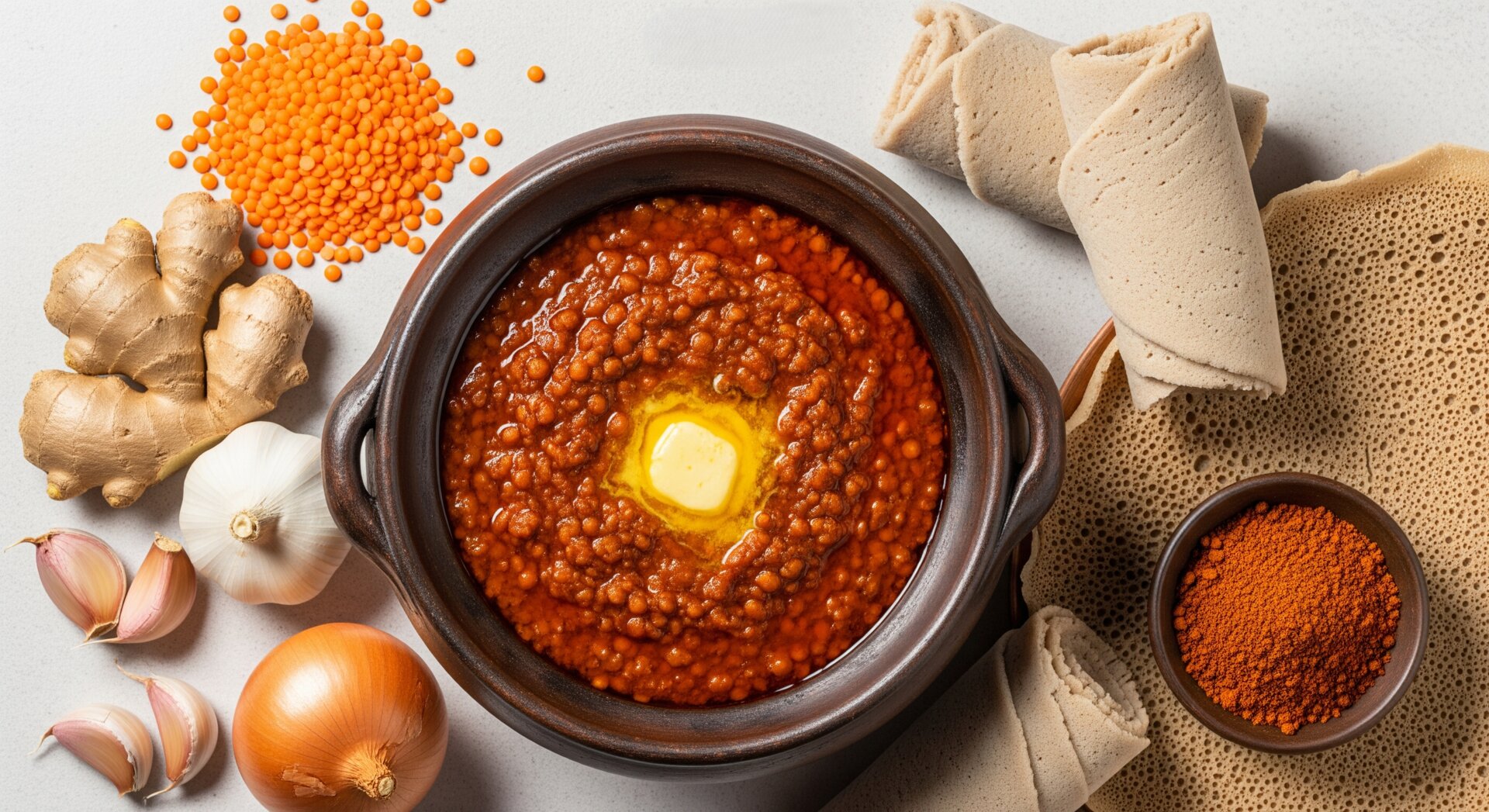 Ethiopian Misir Wot 65 min Spicy red lentil stew with berbere and niter kibbeh
  380 kcal
  18g protein 3 synergies
 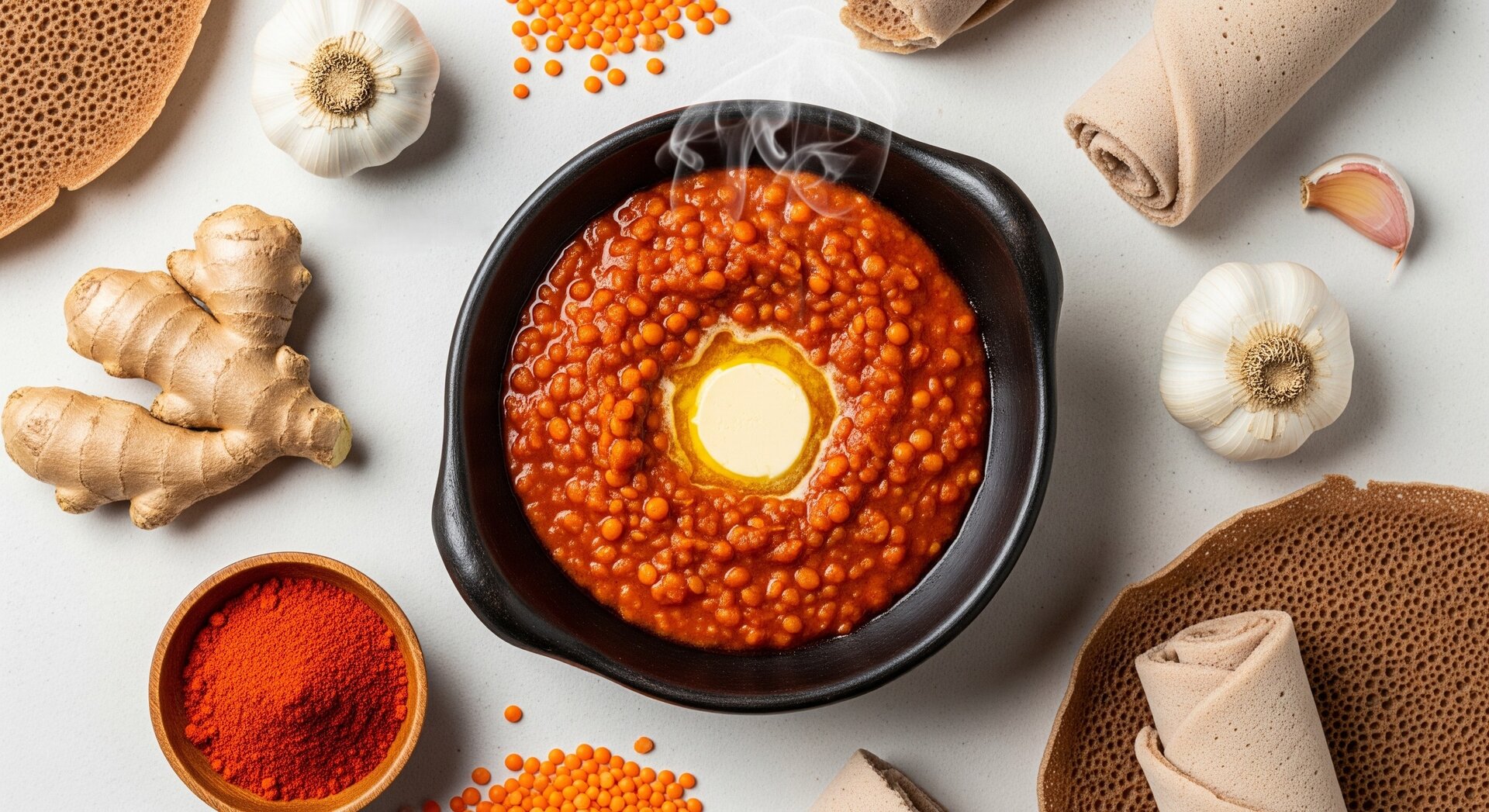 Ethiopian Misir Wot with Teff Pancakes 60 min Spicy red lentil stew with berbere on teff pancakes 1025 kcal 48g protein 2 synergies
 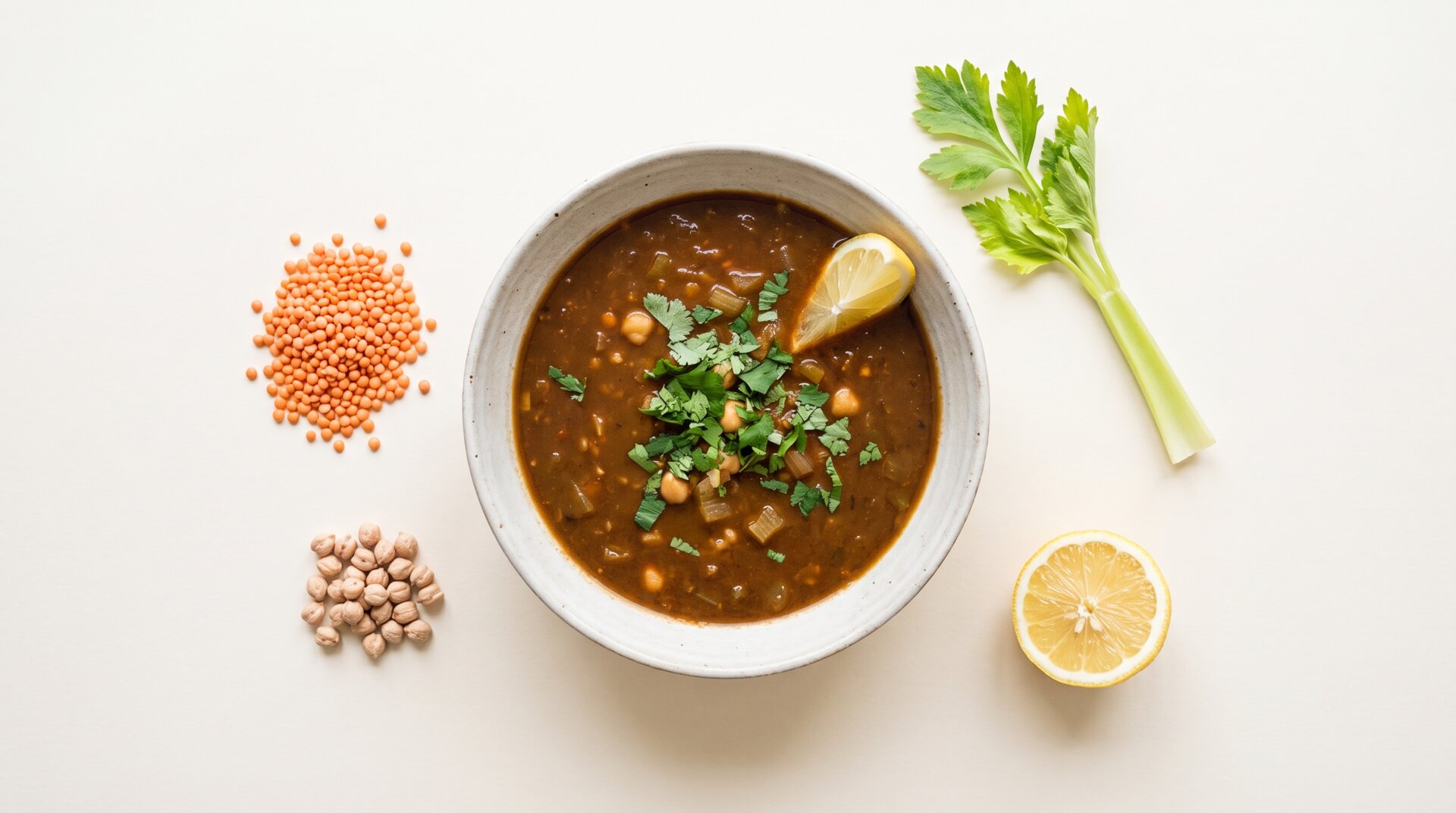 Harira - Traditional Moroccan Soup 55 min Classic Ramadan soup with lentils, chickpeas, tomato and fresh herbs 245 kcal 12g protein 3 synergies
 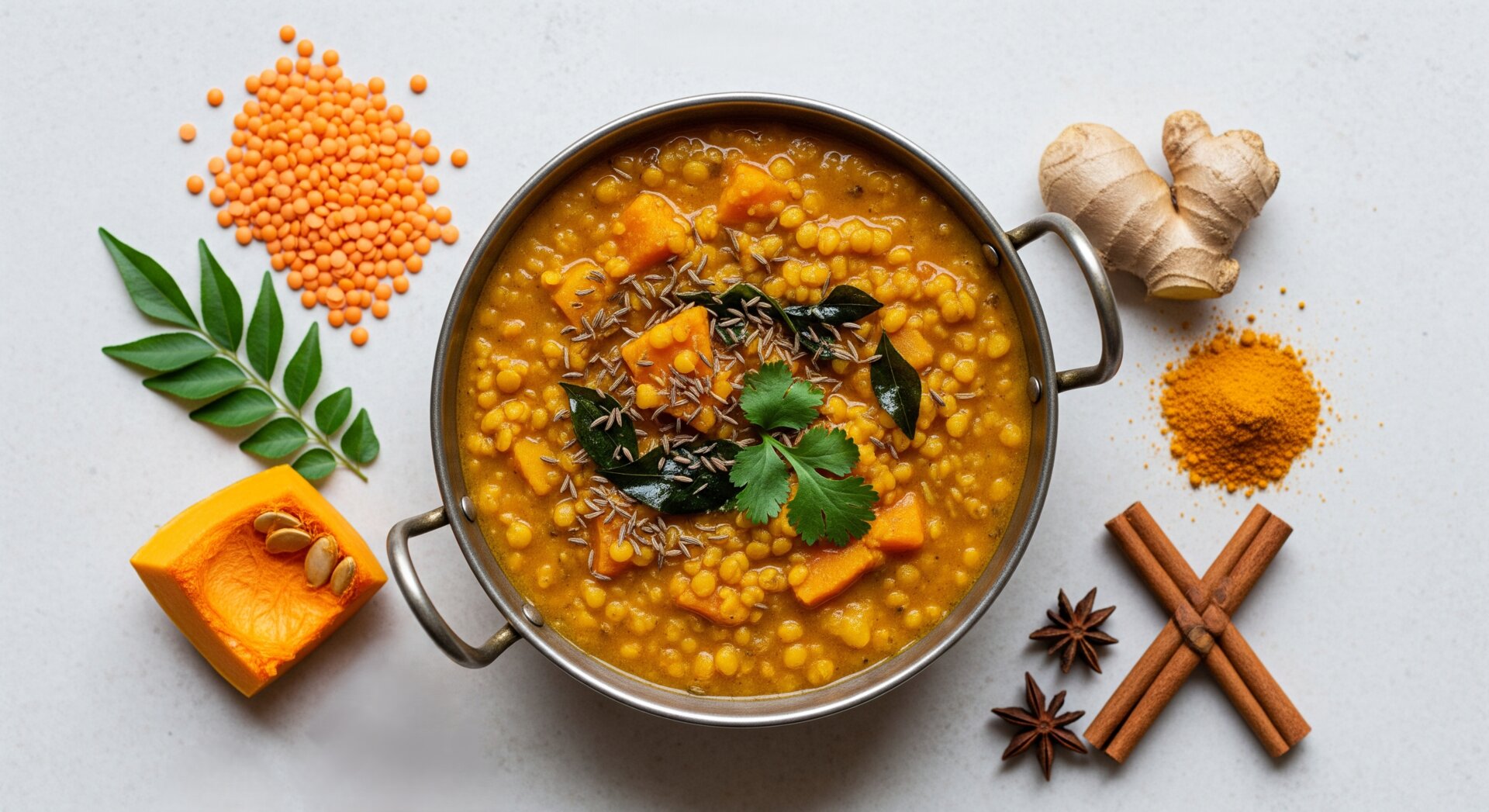 Indian Dal with Pumpkin and Ginger 50 min Creamy red lentil dal with pumpkin and fresh tadka 380 kcal 16g protein 3 synergies
 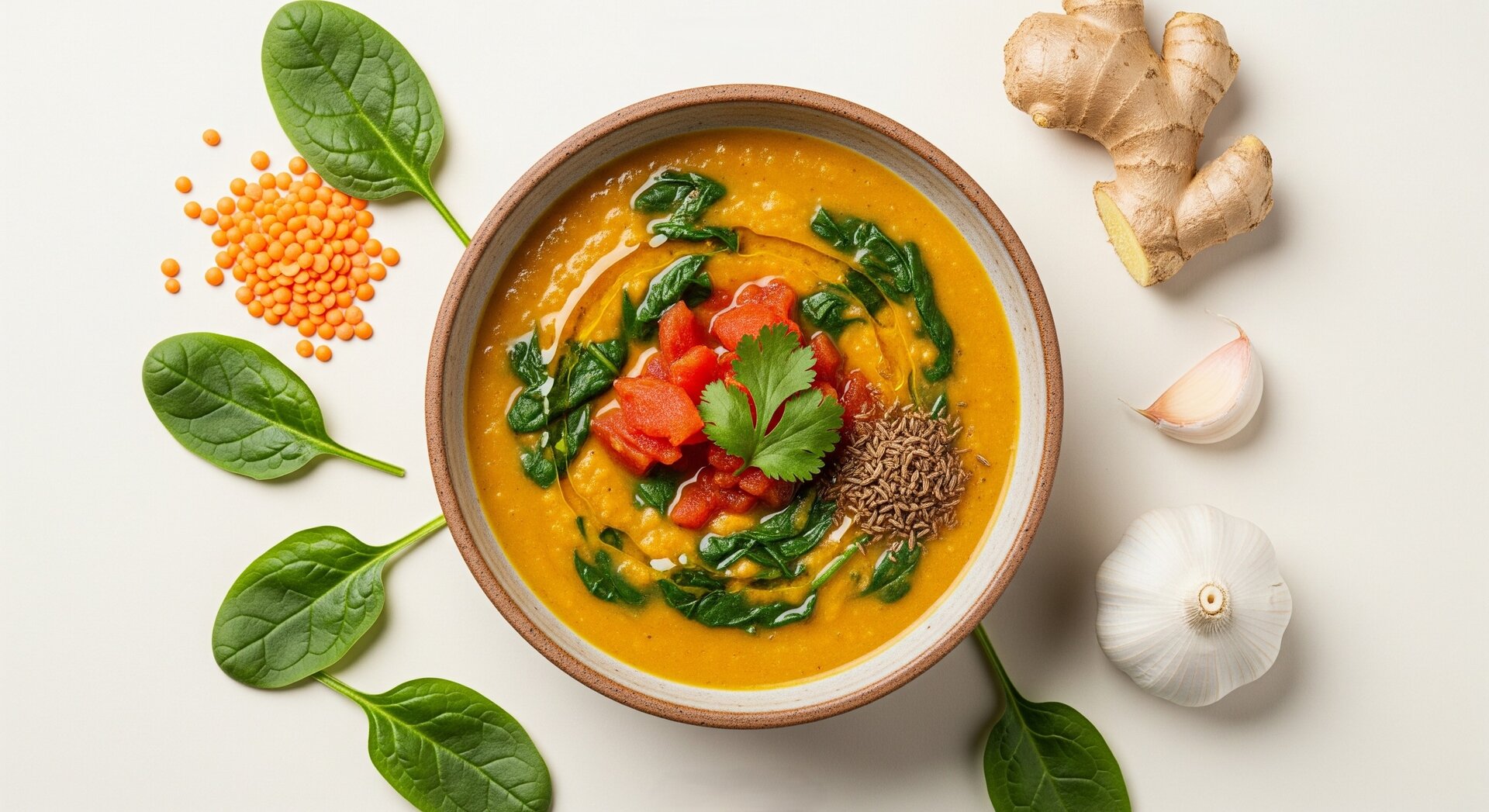 Indian Dal Soup with Spinach and Turmeric 35 min Spiced lentil soup with spinach, tomato, ginger and cumin 334 kcal 18g protein 2 synergies
 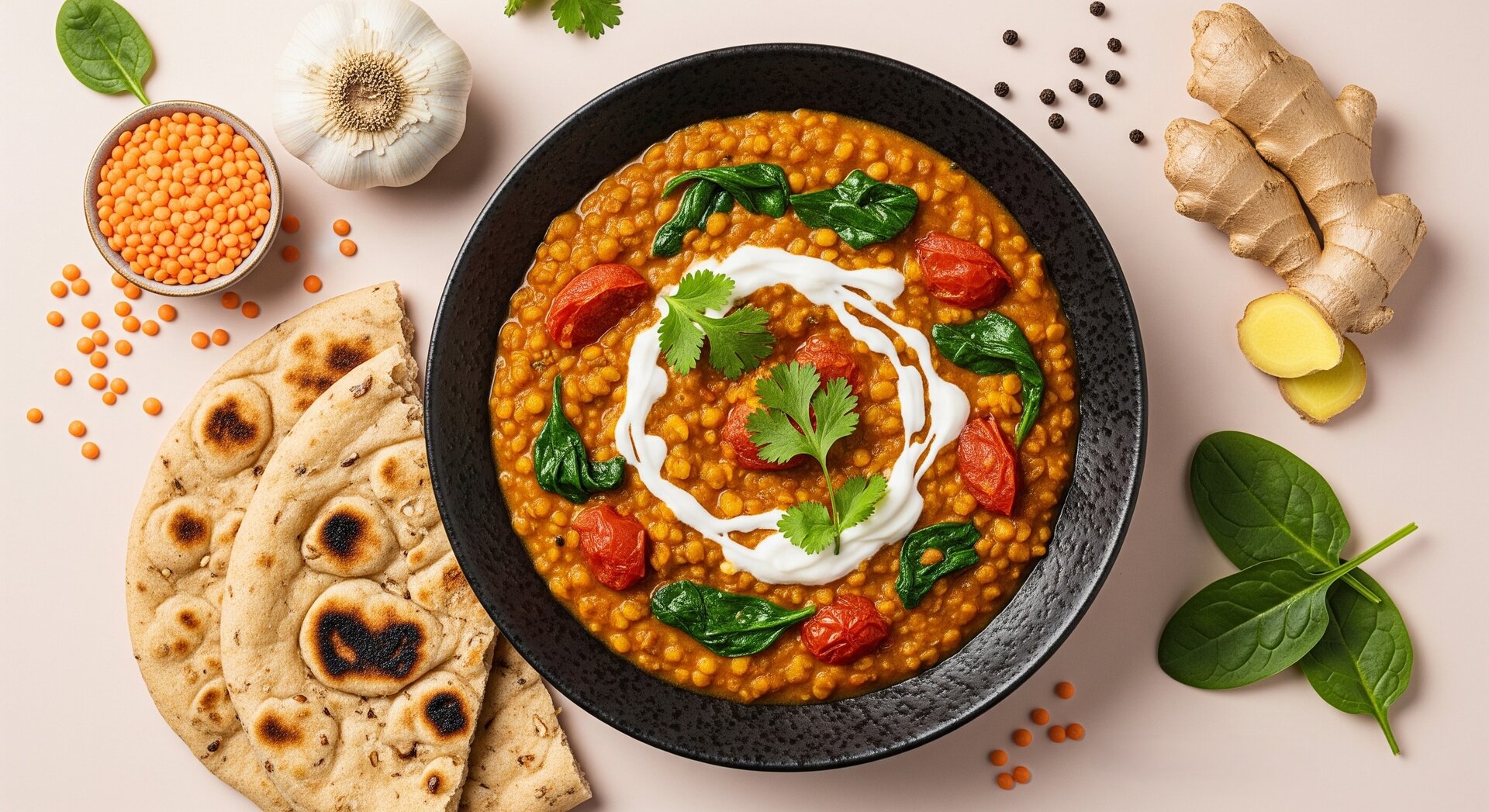 Indian Dhal with Spinach and Whole Grain Naan 35 min Creamy lentil soup with turmeric and fresh spinach 725 kcal 41g protein 2 synergies
  In the Kitchen
Storage
Location:Pantry
Shelf life:1-2 jaar droog, 5 dagen gekookt in koelkast
Store dry and dark. Cooked: keep in a sealed container in the fridge for up to 5 days, or freeze for up to 3 months.
Preparation
No soaking needed. Rinse and cook for 10-20 minutes in about 3 parts water to 1 part lentils. They break down naturally and are suitable for dal, soups, curries and purée. Preferably add salt to taste at the end.
Substitutes
Smart preparation
1Rinse red lentils well before cooking.
2Red lentils are done in 10-15 minutes and become purée on their own.
Why?
They are hulled and therefore cook much faster than other lentils.
3Regularly skim the foam during cooking.
Caution / Warnings
Red Lentils is very safe, but there are scientific considerations:
Irritable bowel syndrome (IBS) Mild
Legumes contain FODMAPs (galacto-oligosaccharides) that can cause gas in sensitive people.
Advice:
Start with small portions (2-3 tbsp). Cooking thoroughly reduces FODMAP content. Build up slowly.
Gout Mild
Lentils contain moderate amounts of purines that may affect uric acid levels.
Advice:
With gout: limit to 1-2 servings per week and drink plenty of water.
Traditional use
Mediterranean
Biblical and Mesopotamian staple food
Lentils are among the oldest cultivated crops in the world and have been eaten for over 8000 years. In the biblical story, Esau sold his birthright for a bowl of lentil soup.
Ayurveda
Ayurvedic masoor dal
In Ayurveda, red lentils (masoor dal) are seen as warming and nourishing. They are often used in simple dal dishes and soft meals.
Summary
Red lentils cook quickly and are useful for dal, soups and curries. They provide plant protein, fibre, iron, potassium and folate, and they break down into a creamy purée as they cook. Pair them with tomato, lemon or bell pepper for freshness and balance. Rinse them well first; soaking is usually not needed.