- Medium
- 60 min
- 2 serv.
- 16 synergies
- Now at its best: Onion
Ethiopian red lentil stew seasoned with berbere, turmeric and ginger, served on thin pancakes made from teff flour. With fresh spinach and a squeeze of lime juice. Ready in one hour.
Misir Wot is the dish that's on the table across all of Ethiopia — from street stalls in Addis Ababa to family gatherings in the countryside. Red lentils gently breaking down into a deep red sauce of berbere, that warm, complex heat of coriander, cumin and a hint of fenugreek. Turmeric gives colour, ginger gives sharpness, and the onions — slowly cooked until they almost caramelise — give body and sweetness. You spoon it onto a thin teff pancake that you tear with your hands, and the soft, slightly sour dough catches the sauce like a sponge. Spinach folds in at the last moment, still just green and fresh. It's the kind of food that makes you happy without knowing exactly why.
- 20
- min prep
- 40
- min cook
- 60
- min total
Nutritional Synergies
This recipe combines ingredients that enhance each other:
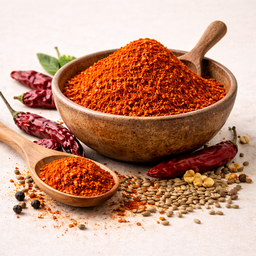 Berbere
  Olive Oil
 Fat-soluble spice polyphenols more absorbable with olive oil
Technical: Berbere contains curcumin (from turmeric), capsaicin (from red pepper) and eugenol (from cloves) — all fat-soluble with low bioavailability without fat. Olive oil forms micelles that transport these compounds through the intestinal wall, increasing absorption 2-4x. The Ethiopian tradition of niter kibbeh (spiced butter) is based on this, but olive oil offers the same benefit with better fatty acid composition.
What does this mean for you? Bloom berbere in warm olive oil as the first step of your Ethiopian dish. The spices dissolve in the fat making them more bioavailable — this is the authentic preparation method.
Anti-inflammatoryImmune System
 Vegetable Broth
 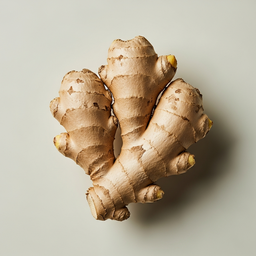 Ginger
 Warm broth + gingerols for digestion and hydration
Technical: Vegetable broth provides electrolytes (sodium 350-500mg/L, potassium 200-400mg/L) for hydration and osmotic balance. Ginger's gingerols promote gastric motility and bile production. Warm fluids accelerate gastric transit.
What does this mean for you? Vegetable broth with fresh ginger is an ideal warm drink during recovery. The electrolytes hydrate, the gingerols support digestion.
DigestionImmune System
Vegetable Broth 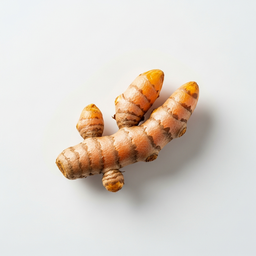 Turmeric
 Mineral-rich broth + curcumin for immune and recovery
Technical: Vegetable broth contains leached minerals (potassium, magnesium, sodium) and glutamate (umami flavor). Turmeric's curcumin (3-5%) modulates NF-kB and COX-2 signaling pathways. The warm broth increases curcumin bioavailability by improving solubility (heat + aqueous matrix). Glutamate in broth also activates T-cell receptors.
What does this mean for you? Add turmeric (plus black pepper) to vegetable broth for a powerful recovery soup. Ideal when you're feeling unwell or recovering from exertion.
Immune SystemAnti-inflammatory
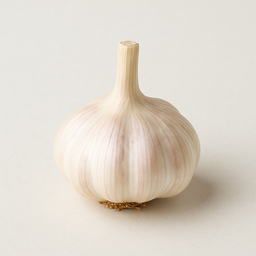 Garlic Ginger
 Allicin + gingerols: complementary bioactive action
Technical: Garlic's allicin works via thiol enzyme inhibition — effective against gram-positive bacteria (Staphylococcus, Streptococcus). Ginger's gingerols and shogaols influence viral replication and stimulate interferon production. Together they cover both bacterial and viral pathways.
What does this mean for you? Garlic-ginger tea is a classic combination. Garlic works via thiol enzymes, ginger via interferon pathways. Cut both fresh for maximum active compounds — allicin only forms after 10 minutes of air exposure.
Immune System
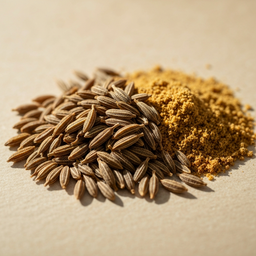 Cumin Garlic
 Double digestive support: enzymes + bioactive compounds
Technical: Cumin promotes digestive enzyme activity (amylase, lipase, protease) and increases bile flow. Garlic's allicin has broad bioactivity targeting pathogenic gut bacteria while sparing beneficial ones.
What does this mean for you? Fry garlic and cumin together as base for curries, soups and stews. Classic combination in virtually every cuisine in the world.
DigestionImmune System
Cumin Turmeric Classic curry base with enhanced digestion
Technical: Cumin promotes production of digestive enzymes (amylase, lipase, protease) and increases bile flow. Turmeric's curcumin modulates NF-κB and COX-2 signal transduction and supports hepatobiliary activity via bile stimulation. Together they provide enhanced digestion + bioactive action.
What does this mean for you? Cumin + turmeric is the base of every curry. The cumin promotes your digestion, the turmeric adds bioactive action — the perfect combination for a nutritious curry.
DigestionAnti-inflammatory
Cumin Olive Oil Fat activates volatile oils and increases cuminaldehyde absorption
Technical: Cumin's active compounds (cuminaldehyde, cymene, terpinene) are volatile, fat-soluble compounds. Frying in olive oil extracts and stabilizes these compounds, and the fat improves their gut absorption.
What does this mean for you? Briefly fry cumin in olive oil before adding other ingredients (tadka/tempering). This is why Indian and Middle Eastern cuisines always fry cumin in oil.
DigestionAnti-inflammatoryBlood Sugar
Turmeric Ginger Enhanced bioactive action via two pathways
Technical: Turmeric and ginger belong to the same plant family (Zingiberaceae). Curcumin (turmeric) modulates NF-kB, while gingerol (ginger) modulates COX-2 and LOX (lipoxygenase). Because they target different signaling pathways, they enhance each other's bioactive action.
What does this mean for you? Turmeric + ginger in curry, soup or tea — two related spices that work bioactively via different pathways. Broader together than alone.
Anti-inflammatoryJoints
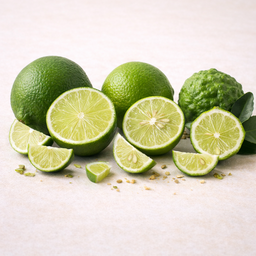 Lime Olive Oil
 Vitamin C + olive oil fats for iron absorption and antioxidant action
Technical: Lime's vitamin C (ascorbic acid) improves absorption of non-heme iron from plant sources. Olive oil's fat-soluble polyphenols (hydroxytyrosol) are better absorbed in combination with vitamin C, which acts as an antioxidant keeping the polyphenols stable.
What does this mean for you? Lime-olive oil dressing is a classic combination that helps your body absorb more iron and antioxidants from your salad.
Immune SystemEnergySkin & Hair
Olive Oil Garlic Aglio e olio: allicin + oleocanthal via complementary biochemical pathways
Technical: Garlic contains allicin (formed when cutting/crushing) that influences HMG-CoA reductase (involved in lipid metabolism). Olive oil contains oleocanthal that modulates COX-1/2 enzymes. Together they influence lipid metabolism and prostaglandin cascade via complementary biochemical pathways. The fat also helps absorb fat-soluble garlic compounds.
What does this mean for you? Gently warm garlic in olive oil (don't burn!) as the base for many dishes. This is why 'aglio e olio' pasta is so beloved — two bioactive compounds that reinforce each other.
HeartImmune System
Olive Oil 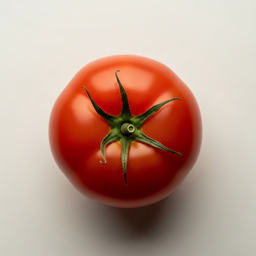 Tomato
 Mediterranean golden rule: fat increases lycopene absorption 4x
Fat significantly increases lycopene bioavailability (PMID: 15927929)
Technical: Tomatoes contain lycopene (3-7mg per 100g), a carotenoid with strong antioxidant action. Lycopene is fat-soluble with only 10-15% absorption without fat. Olive oil increases this to 40-60% (2.5-4x improvement). Cooking further increases lycopene bioavailability.
What does this mean for you? Always add olive oil to tomato dishes — sauces, salads, bruschetta. This is why Mediterranean cuisine is so healthy. Cooked tomatoes with olive oil = maximum lycopene.
HeartSkin & Hair
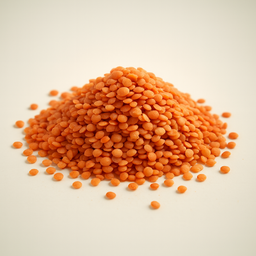 Red Lentils Tomato
 Tomato increases iron absorption from lentils
Technical: Red lentils contain 3.3mg non-heme iron per 100g. Tomatoes provide vitamin C (14mg per 100g) plus citric acid and malic acid that promote iron absorption. When slow-cooked (stew/dal), tomatoes concentrate, increasing organic acid content. This is the basis of Indian dal — one of the most nutritious plant-based dishes.
What does this mean for you? Cook red lentils with fresh or canned tomatoes for a nutritious dal. The tomatoes increase iron absorption, and cooking the lentils makes them softer and more digestible. Add turmeric and cumin for an authentic Indian result.
Energy
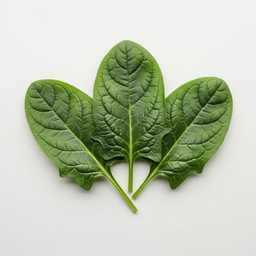 Spinach Olive Oil
 Makes fat-soluble vitamins and antioxidants available
Technical: Spinach contains 483μg vitamin K (403% RDI), 5626μg beta-carotene, 2mg vitamin E and 12.2mg lutein — all fat-soluble. Without fat only 5-10% is absorbed. Olive oil's monounsaturated fats (73% oleic acid) form micelles that increase absorption 2-5x.
What does this mean for you? Always eat spinach with olive oil or another fat source. Without fat you waste most of spinach's impressive vitamin profile. A drizzle of olive oil is essential for proper absorption.
Skin & HairJoints
 Teff Flour Spinach
 Complementary iron sources with folate for blood cell formation
Teff has high iron bioavailability due to low phytate:iron ratio, folate is essential for erythropoiesis (PMID: 15743017)
Technical: Teff contains 7.6mg non-heme iron per 100g (one of the highest grains) with uniquely high bioavailability due to low phytate concentration. Spinach provides 2.7mg iron plus 194μg folate per 100g. Folate (vitamin B9) is essential for erythropoiesis — without folate, iron cannot be effectively incorporated into hemoglobin. Iron contributes to the normal formation of red blood cells and haemoglobin, and folate contributes to normal blood formation (EFSA-approved).
What does this mean for you? Teff injera with spinach is an iron-rich combination. Teff provides the iron, spinach the folate needed to build that iron into red blood cells — crucial for vegetarians.
EnergyImmune System
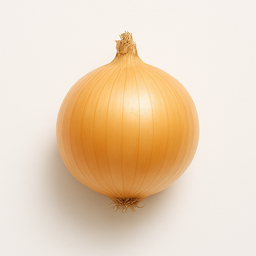 Onion Garlic
 More than 20 organosulfur compounds in one soffritto
Technical: Onion contains diallyl disulfide and quercetin (20-40mg/100g). Garlic contains allicin, ajoene and S-allylcysteine. Together they provide more than 20 different organosulfur compounds that modulate NF-κB. Allium crops are intensively studied in nutrition science for their unique sulfur chemistry.
What does this mean for you? Start every dish with sautéed onion and garlic — not just for flavor, but for the unique concentration of organosulfur compounds. Cut garlic 10 minutes before heating to allow allicin formation.
DigestionImmune System
Onion Tomato Quercetin + lycopene: synergistic polyphenol-carotenoid combination
Technical: Quercetin from onion (20-40mg/100g) and lycopene from tomato (2573μg/100g) work through different mechanisms. Quercetin chelates metal ions and modulates lipid peroxidation, lycopene quenches singlet oxygen. Combined polyphenols and carotenoids work synergistically — the combination works through complementary mechanisms.
What does this mean for you? Tomato sauce with onion is the base of nearly every Mediterranean cuisine — and rightly so. Quercetin and lycopene enhance each other's action through complementary biochemical pathways. Cooking in olive oil makes carotenoids more absorbable.
HeartAnti-inflammatory
Ingredients (13)
+10 more ingredientsInstructions
- 1 Make the teff pancakes: mix the teff flour with 250 ml water into a smooth batter. Rest for 15 minutes and fry thin pancakes in a lightly greased pan.
- 2 Sauté the onion for 5 minutes in olive oil over medium heat until soft and lightly golden.
Nutrition per serving
Indicative values per serving.
Timing & Suitability
Shelf life: 4 days in fridge