Berbere
The fiery heart of Ethiopia
What is this ingredient?
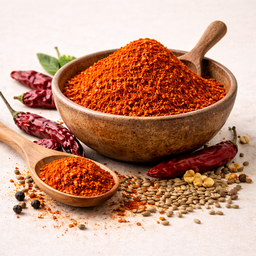
Berbere is not just chili powder; it is cultural heritage from Ethiopian and Eritrean cuisine. This deep red blend combines the heat of dried peppers with the warm, aromatic notes of korarima (Ethiopian cardamom), fenugreek, ginger, and garlic. Traditional blends often contain more than 15 ingredients, giving each family and region its own balance of spicy, aromatic, earthy, and lightly sweet flavors.
In Ethiopia and Eritrea, berbere is used every day in wats (stews), marinades, lentil dishes, and spiced butters. When the spices are gently cooked first with onion, oil, or niter kibbeh, their fat-soluble aromas open up and give the dish more depth. The blend mainly brings culinary intensity: warmth, color, fragrance, and a long, rounded finish typical of dishes such as doro wat and misir wat.
How does it taste?
Warm, complex and spicy with notes of fenugreek, cardamom and chili.
Pairs well with:
Pairs well with lentilslambbutteronion and tomato.
Did you know...?
- Berbere is the Amharic word for 'hot' and can contain more than 15 spices.
- Every Ethiopian family traditionally has their own secret berbere recipe.
Nutritional Value & Energy
Per 100g
Berbere provides energy thanks to natural nutrients , buffered by fiber.
Per 100g
Minerals
Vitamins
More nutrients
B-Vitamins
Trace Minerals
What's in a serving?
Berbere naturally contains iron (19.03 mg per 100 g dried powder). At typical spice usage (2–9 g), the contribution is limited.
Berbere naturally contains potassium (1541.9 mg per 100 g dried powder). At typical spice usage (2–9 g), the contribution is limited.
Berbere naturally contains vitamin a (1019.92 mcg per 100 g dried powder). At typical spice usage (2–9 g), the contribution is limited.
Berbere naturally contains vitamin b6 (1.2 mg per 100 g dried powder). At typical spice usage (2–9 g), the contribution is limited.
Berbere naturally contains manganese (4.3 mg per 100 g dried powder). At typical spice usage (2–9 g), the contribution is limited.
Berbere naturally contains iron (19.03 mg per 100 g dried powder). At typical spice usage (2–9 g), the contribution is limited.
Berbere naturally contains potassium (1541.9 mg per 100 g dried powder). At typical spice usage (2–9 g), the contribution is limited.
Berbere naturally contains vitamin a (1019.92 mcg per 100 g dried powder). At typical spice usage (2–9 g), the contribution is limited.
Berbere naturally contains magnesium (189.89 mg per 100 g dried powder). At typical spice usage (2–9 g), the contribution is limited.
Berbere naturally contains zinc (3.26 mg per 100 g dried powder). At typical spice usage (2–9 g), the contribution is limited.
Berbere naturally contains vitamin c (24.42 mg per 100 g dried powder). At typical spice usage (2–9 g), the contribution is limited.
Berbere naturally contains vitamin b6 (1.2 mg per 100 g dried powder). At typical spice usage (2–9 g), the contribution is limited.
Berbere naturally contains manganese (4.3 mg per 100 g dried powder). At typical spice usage (2–9 g), the contribution is limited.
Berbere naturally contains phosphorus (266.52 mg per 100 g dried powder). At typical spice usage (2–9 g), the contribution is limited.
Berbere naturally contains copper (0.65 mg per 100 g dried powder). At typical spice usage (2–9 g), the contribution is limited.
% of daily reference intake (DRI)
EU-approved nutrition claims
This ingredient contains nutrients for which EFSA-authorized health claims exist (at nutrient level, not ingredient-specific).
Approved health claims (EU)
Vitamin_a EU 432/2012
Vitamin A contributes to the normal function of the immune system
Contains 1019.92mcg/100g (threshold: ≥120mcg/100g)
Vitamin_a EU 432/2012
Vitamin A contributes to the maintenance of normal skin
Contains 1019.92mcg/100g (threshold: ≥120mcg/100g)
Vitamin_a EU 432/2012
Vitamin A contributes to the maintenance of normal mucous membranes
Contains 1019.92mcg/100g (threshold: ≥120mcg/100g)
Vitamin_a EU 432/2012
Vitamin A contributes to the maintenance of normal vision
Contains 1019.92mcg/100g (threshold: ≥120mcg/100g)
Vitamin_a EU 432/2012
Vitamin A contributes to normal iron metabolism
Contains 1019.92mcg/100g (threshold: ≥120mcg/100g)
Vitamin_a EU 432/2012
Vitamin A has a role in the process of cell specialisation
Contains 1019.92mcg/100g (threshold: ≥120mcg/100g)
Manganese EU 432/2012
Manganese contributes to normal energy-yielding metabolism
Contains 4.3mg/100g (threshold: ≥0.3mg/100g)
Manganese EU 432/2012
Manganese contributes to the maintenance of normal bones
Contains 4.3mg/100g (threshold: ≥0.3mg/100g)
Manganese EU 432/2012
Manganese contributes to the normal formation of connective tissue
Contains 4.3mg/100g (threshold: ≥0.3mg/100g)
Manganese EU 432/2012
Manganese contributes to the protection of cells from oxidative stress
Contains 4.3mg/100g (threshold: ≥0.3mg/100g)
Comparison
vsbanaan
Berbere contains about 6× more potassium per 100 g than banana — but you use much less berbere per serving.
vsspinazie
Berbere contains about 5× more iron per 100 g than spinach — but you use much less berbere per serving.
vsmelk
Berbere contains about 2× more calcium per 100 g than milk — but you use much less berbere per serving.
What's being researched?
Aromatic composition of berbere
The combination of chili, fenugreek, korarima, ginger and garlic in berbere is being studied to better understand aroma, color and plant compounds such as capsaicin and polyphenols. Research on berbere as a complete spice blend is still early and mainly ingredient- and laboratory-focused.
Supported by: [2] Westerterp-Plantenga (2006) , [3] Tadesse (2012)
Good Combinations (Synergy)
Combine berbere smartly to enhance the effect:
Berbere 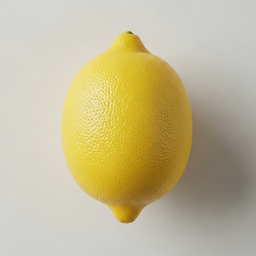 Lemon
Lemon Ethiopian spice blend + vitamin C for iron absorption and immunity
Technical: Berbere contains fenugreek (iron 33.5mg/100g), coriander (iron 16.3mg), cumin (iron 66mg) — spices exceptionally rich in non-heme iron. Lemon's vitamin C reduces Fe³⁺ to Fe²⁺ and increases absorption 3-6x. Capsaicin in berbere's red pepper also improves blood flow to intestinal villi, enlarging the absorption surface. Studies show vitamin C + spice iron is nearly as effective as supplements.
What does this mean for you? Add lemon juice to your Ethiopian dishes with berbere. The spices contain surprisingly much iron that only becomes truly available to your body through the lemon.
Berbere 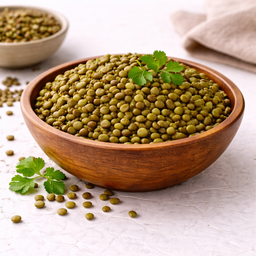 Green Lentils
 Ethiopian misir wot with optimal nutrient absorption
Technical: Berbere is an Ethiopian spice blend with turmeric (curcumin), ginger (gingerol) and chili pepper (capsaicin). Turmeric and ginger modulate NF-kB signaling pathways. Green lentils contain 6.5mg non-heme iron per 100g. Capsaicin increases gastrointestinal blood flow, promoting iron absorption.
What does this mean for you? Misir wot (lentil stew with berbere) is one of the most nutritious dishes worldwide. The spices improve iron absorption from the lentils — authentically Ethiopian and nutritionally smart.
Berbere 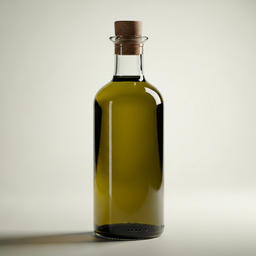 Olive Oil
 Fat-soluble spice polyphenols more absorbable with olive oil
Technical: Berbere contains curcumin (from turmeric), capsaicin (from red pepper) and eugenol (from cloves) — all fat-soluble with low bioavailability without fat. Olive oil forms micelles that transport these compounds through the intestinal wall, increasing absorption 2-4x. The Ethiopian tradition of niter kibbeh (spiced butter) is based on this, but olive oil offers the same benefit with better fatty acid composition.
What does this mean for you? Bloom berbere in warm olive oil as the first step of your Ethiopian dish. The spices dissolve in the fat making them more bioavailable — this is the authentic preparation method.
Recipes with Berbere
Discover delicious recipes featuring berbere:
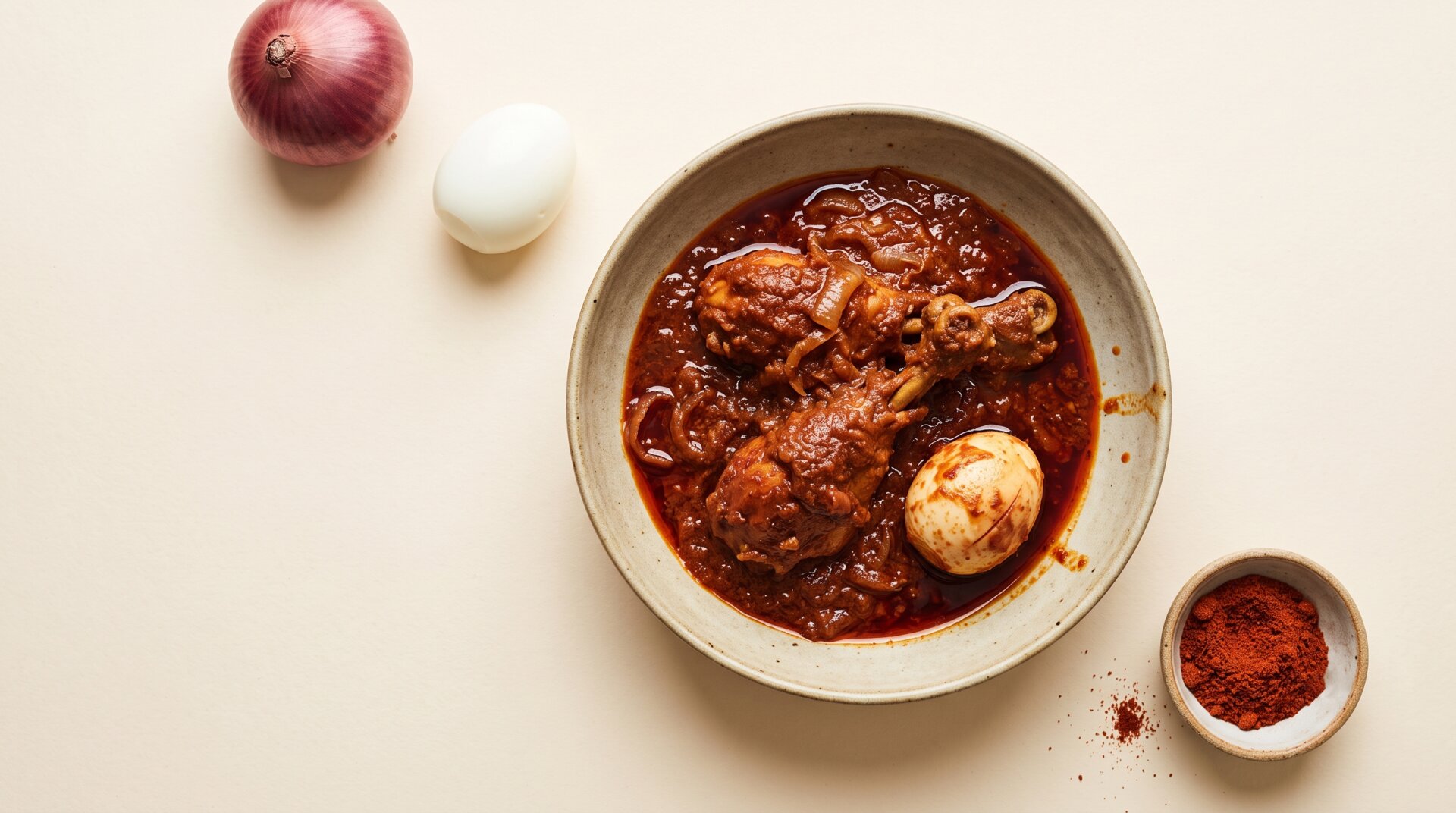 Ethiopian Doro Wat 105 min Spicy chicken stew with berbere spices and hard-boiled eggs
  480 kcal
  42g protein 2 synergies
 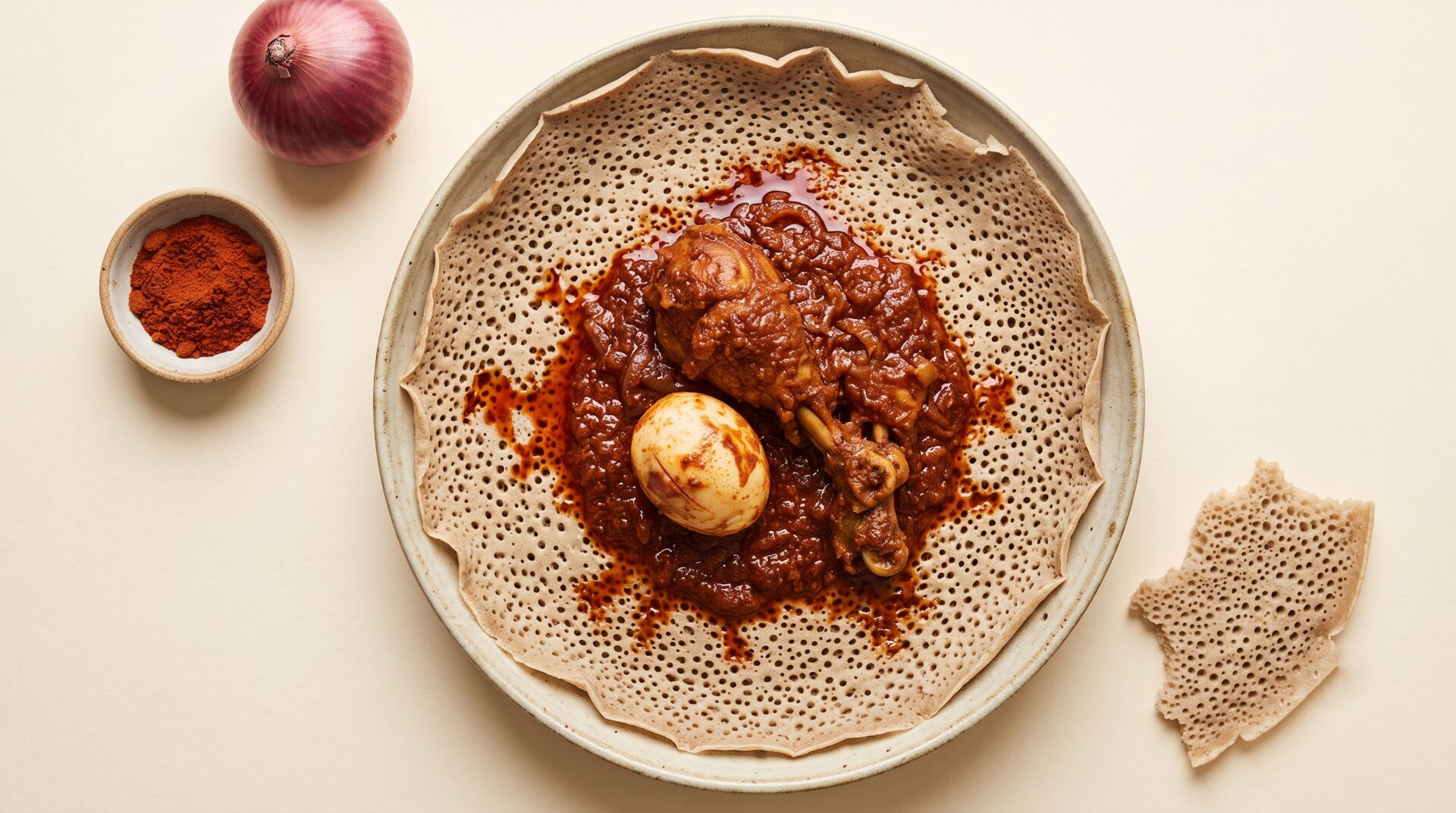 Ethiopian Doro Wat with Injera-Style Flatbread 80 min Festive chicken stew with berbere and homemade buckwheat flatbread 712 kcal 44g protein 2 synergies
 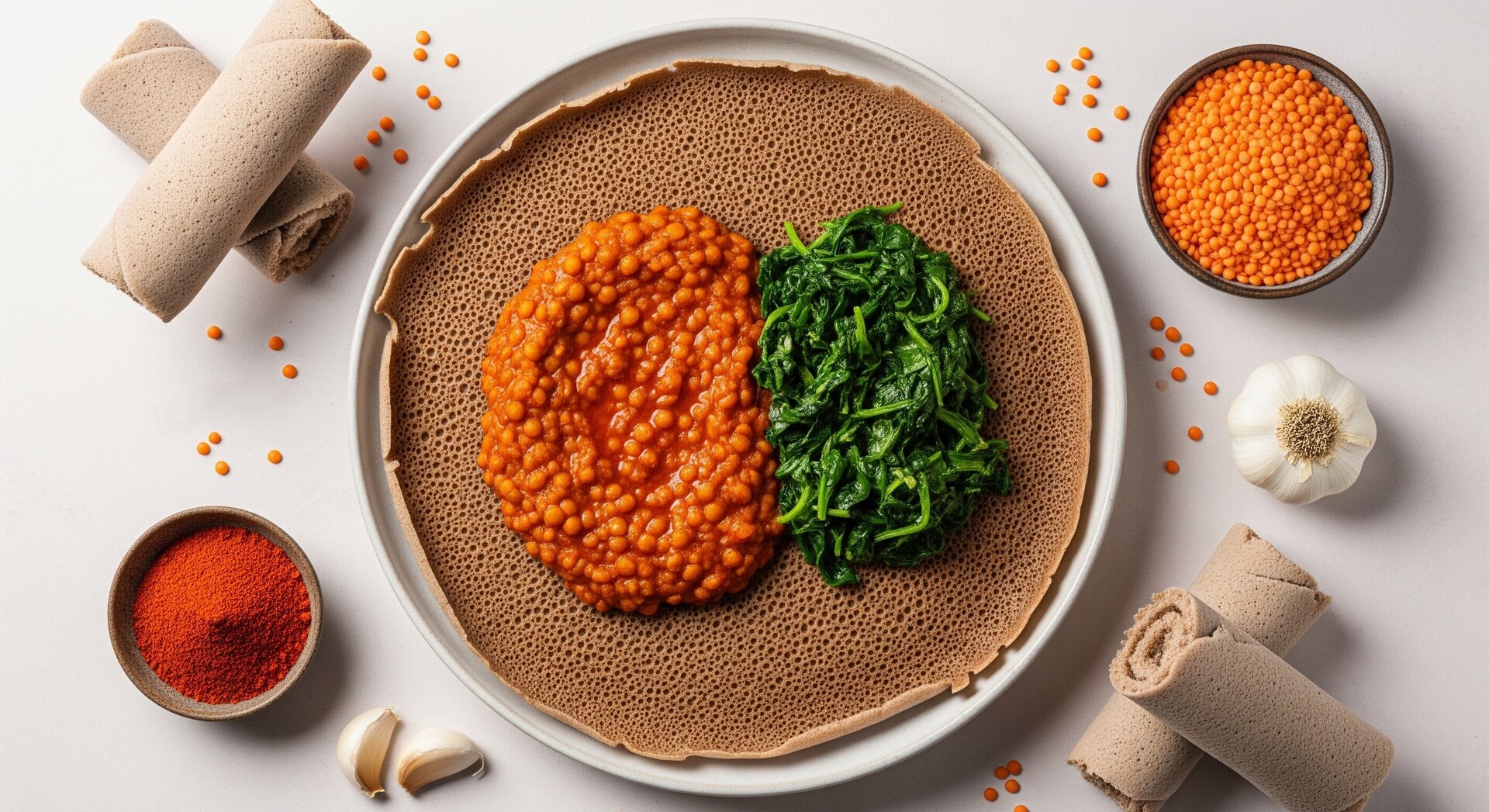 Ethiopian Injera Bowl with Lentils 40 min Teff pancake with spicy red lentils and vegetables 614 kcal 30g protein 1 synergies
 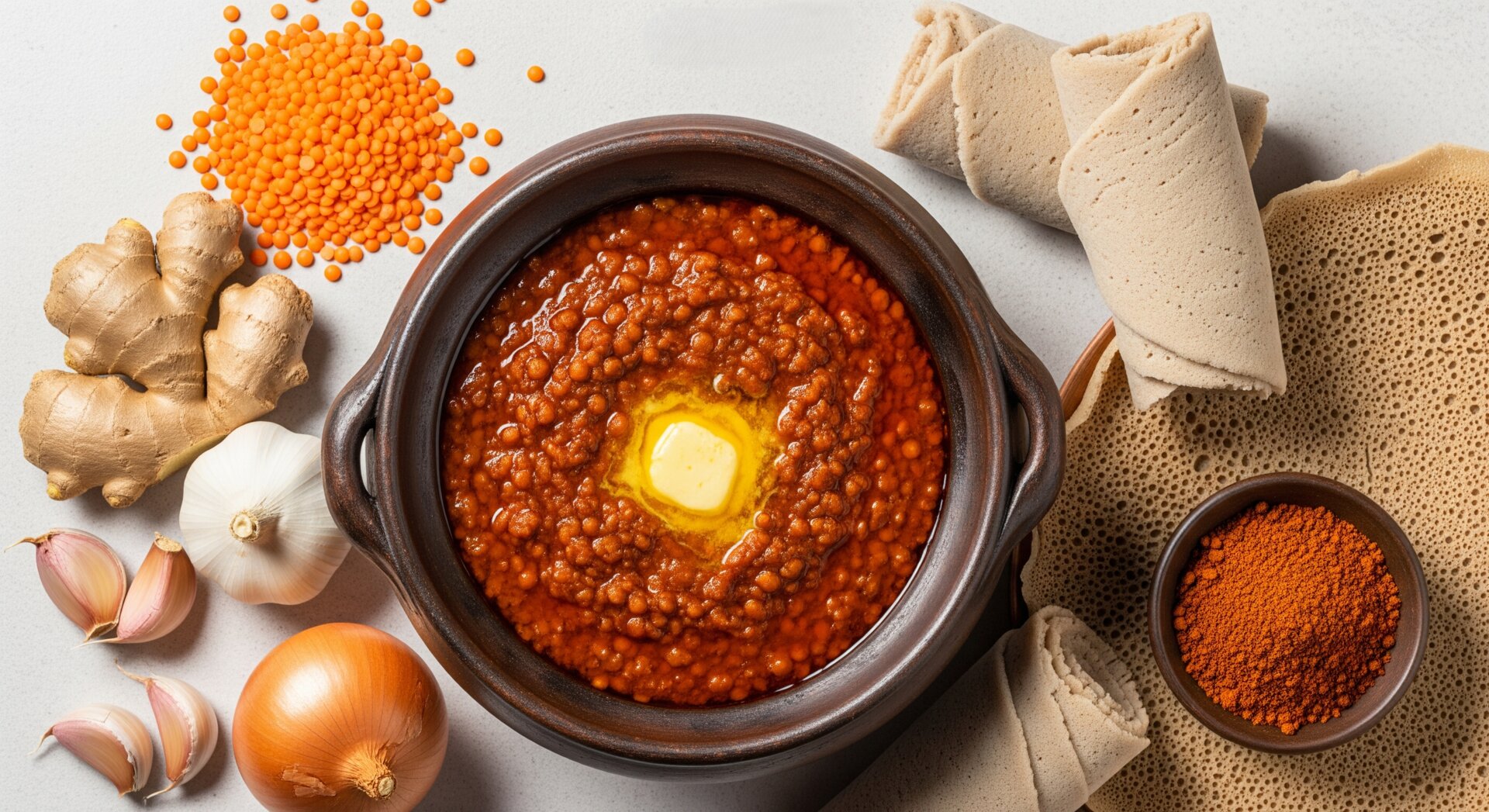 Ethiopian Misir Wot 65 min Spicy red lentil stew with berbere and niter kibbeh 380 kcal 18g protein 3 synergies
 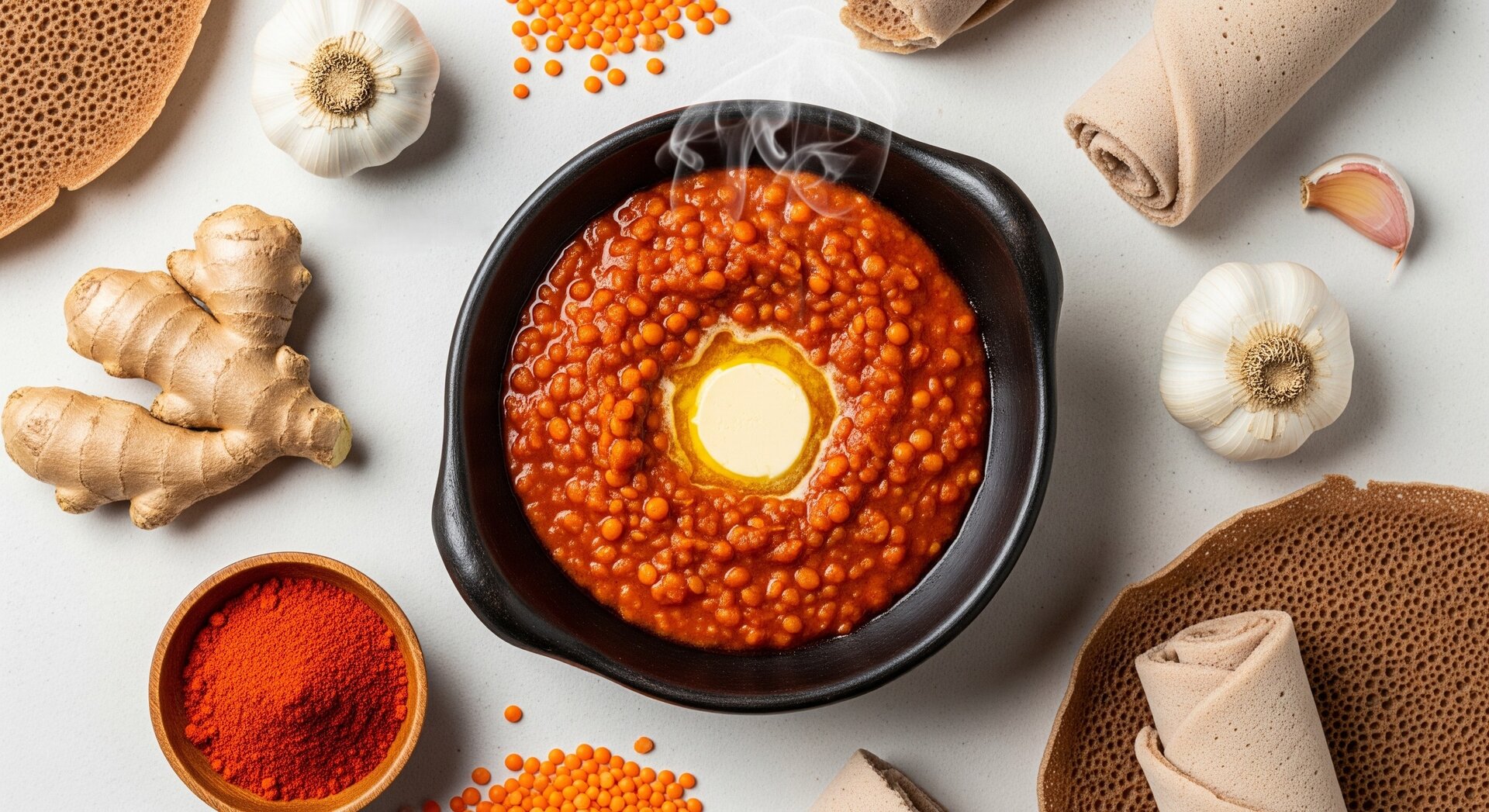 Ethiopian Misir Wot with Teff Pancakes 60 min Spicy red lentil stew with berbere on teff pancakes 1025 kcal 48g protein 2 synergies
  In the Kitchen
Storage
Location:Pantry
Shelf life:1 jaar
Store airtight and dark to better preserve the volatile aromas and deep red color.
Preparation
Fry the blend briefly with onions at the start of cooking ('kulet') for maximum depth and a rounder flavor.
Substitutes
Smart preparation
1Briefly toast berbere in oil or butter to open up the flavors.
Why?
Fat-soluble aromatics are released with gentle heating in fat.
2Add berbere early in the cooking process for stews.
3Store berbere in an airtight jar away from light.
Why?
Light and air break down the volatile oils faster.
Caution / Warnings
Berbere is very safe, but there are scientific considerations:
Heartburn / reflux Severe
Advice:
May worsen discomfort in sensitive individuals; use small amounts and avoid extra-spicy preparations if you notice they do not sit well.
Traditional use
African
Ethiopian spice blend
Berbere is an ancient spice blend from Ethiopian and Eritrean cuisine, traditionally prepared with hand-ground spices and inseparable from dishes such as doro wat, misir wat and spiced butter.
Summary
Berbere is the defining flavor of the Horn of Africa: a deep red, spicy blend with chili, korarima, fenugreek, ginger and garlic. Use it early in stews, lentils, marinades or spiced butter for warmth, color and deep Ethiopian and Eritrean flavor.