Almond Flour
Fine nut flour for gluten-free and carb-conscious baking
What is this ingredient?
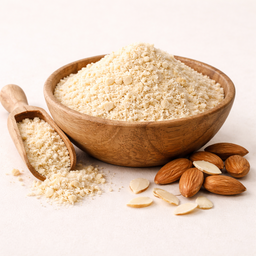
Almond flour is made by grinding blanched or unblanched almonds into a flour-like texture. Because it contains no gluten, it behaves differently from wheat flour: dough becomes less elastic, while baked goods get a soft, rich crumb and a full nutty flavor.
## Nutrition profile
Per 100 g, almond flour contains a high amount of fats from almonds, about 21 g protein, 10 g fiber and naturally occurring vitamin E, magnesium, calcium, phosphorus, potassium, zinc, iron and folate. Vitamin E contributes to the protection of cells from oxidative stress; magnesium contributes to normal muscle function and calcium is needed for the maintenance of normal bones. These are nutrient-level claims based on the nutrients present, not claims unique to almond flour.
## Baking with almond flour
Almond flour absorbs moisture differently from wheat flour and does not rise on its own. Use a little less flour, add a binding agent such as egg or ground flaxseed, and bake at a slightly lower temperature. It works especially well in cookies, muffins, brownies, tart crusts and pancakes.
How does it taste?
Soft, mildly sweet and distinctly nutty with a fine, almost buttery finish.
Pairs well with:
Pairs well with honeyvanillacitrusraspberrieschocolatecinnamon and cardamom.
Varieties
Blanched Almond Flour
Made from almonds without skins. It is light in color, fine in texture and suitable for delicate pastry, macarons and light cakes.
Unblanched Almond Flour
Made from almonds with skins. It has a slightly darker color, a more rustic texture and a pronounced almond flavor.
Did you know...?
- Almond flour was already used in medieval kitchens for rich pastries, fillings and festive sweet preparations.
- About 900 almonds are needed to produce one kilogram of almond flour, depending on the size and moisture content of the nuts.
Nutritional Value & Energy
Per 100g
Almond Flour provides energy thanks to natural nutrients , buffered by fiber.
Per 100g
Minerals
Vitamins
More nutrients
B-Vitamins
Trace Minerals
What's in a serving?
1 serving (dry)
Almond flour naturally contains calcium (250 mg per 100 g).
Almond flour naturally contains iron (3.5 mg per 100 g).
Almond flour naturally contains magnesium (270 mg per 100 g).
Almond flour naturally contains phosphorus (480 mg per 100 g).
Almond flour naturally contains potassium (710 mg per 100 g).
Almond flour naturally contains zinc (3.1 mg per 100 g).
Almond flour naturally contains vitamin E (26 mg per 100 g).
Almond flour naturally contains folate (50 mcg per 100 g).
% of daily reference intake (DRI)
EU-approved nutrition claims
This ingredient contains nutrients for which EFSA-authorized health claims exist. These claims apply at nutrient level and are not unique to almond flour.
Approved health claims (EU)
Magnesium EU 432/2012
Magnesium contributes to normal muscle function
Contains 270mg/100g (threshold: ≥56.25mg/100g)
Magnesium EU 432/2012
Magnesium contributes to the reduction of tiredness and fatigue
Contains 270mg/100g (threshold: ≥56.25mg/100g)
Magnesium EU 432/2012
Magnesium contributes to normal functioning of the nervous system
Contains 270mg/100g (threshold: ≥56.25mg/100g)
Zinc EU 432/2012
Zinc contributes to the normal function of the immune system
Contains 3.1mg/100g (threshold: ≥1.5mg/100g)
Zinc EU 432/2012
Zinc contributes to the maintenance of normal skin
Contains 3.1mg/100g (threshold: ≥1.5mg/100g)
Iron EU 432/2012
Iron contributes to normal energy-yielding metabolism
Contains 3.5mg/100g (threshold: ≥2.1mg/100g)
Iron EU 432/2012
Iron contributes to the reduction of tiredness and fatigue
Contains 3.5mg/100g (threshold: ≥2.1mg/100g)
Calcium EU 432/2012
Calcium is needed for the maintenance of normal bones
Contains 250mg/100g (threshold: ≥120mg/100g)
Potassium EU 432/2012
Potassium contributes to the maintenance of normal blood pressure
Contains 710mg/100g (threshold: ≥300mg/100g)
Folate EU 432/2012
Folate contributes to normal blood formation
Contains 50mcg/100g (threshold: ≥30mcg/100g)
Folate EU 432/2012
Folate contributes to normal amino acid synthesis
Contains 50mcg/100g (threshold: ≥30mcg/100g)
Folate EU 432/2012
Folate contributes to normal homocysteine metabolism
Contains 50mcg/100g (threshold: ≥30mcg/100g)
Folate EU 432/2012
Folate contributes to normal psychological function
Contains 50mcg/100g (threshold: ≥30mcg/100g)
Folate EU 432/2012
Folate contributes to the normal function of the immune system
Contains 50mcg/100g (threshold: ≥30mcg/100g)
Folate EU 432/2012
Folate has a role in the process of cell division
Contains 50mcg/100g (threshold: ≥30mcg/100g)
Folate EU 432/2012
Folate contributes to maternal tissue growth during pregnancy
Contains 50mcg/100g (threshold: ≥30mcg/100g)
Vitamin_e EU 432/2012
Vitamin E contributes to the protection of cells from oxidative stress
Contains 26mg/100g (threshold: ≥1.8mg/100g)
Calcium EU 432/2012
Calcium is needed for the maintenance of normal teeth
Contains 250mg/100g (threshold: ≥120mg/100g)
Calcium EU 432/2012
Calcium contributes to normal blood clotting
Contains 250mg/100g (threshold: ≥120mg/100g)
Calcium EU 432/2012
Calcium contributes to normal energy-yielding metabolism
Contains 250mg/100g (threshold: ≥120mg/100g)
Calcium EU 432/2012
Calcium contributes to normal muscle function
Contains 250mg/100g (threshold: ≥120mg/100g)
Calcium EU 432/2012
Calcium contributes to normal neurotransmission
Contains 250mg/100g (threshold: ≥120mg/100g)
Calcium EU 432/2012
Calcium contributes to the normal function of digestive enzymes
Contains 250mg/100g (threshold: ≥120mg/100g)
Calcium EU 432/2012
Calcium has a role in the process of cell division and specialisation
Contains 250mg/100g (threshold: ≥120mg/100g)
Phosphorus EU 432/2012
Phosphorus contributes to normal energy-yielding metabolism
Contains 480mg/100g (threshold: ≥105mg/100g)
Phosphorus EU 432/2012
Phosphorus contributes to the normal function of cell membranes
Contains 480mg/100g (threshold: ≥105mg/100g)
Phosphorus EU 432/2012
Phosphorus contributes to the maintenance of normal bones
Contains 480mg/100g (threshold: ≥105mg/100g)
Phosphorus EU 432/2012
Phosphorus contributes to the maintenance of normal teeth
Contains 480mg/100g (threshold: ≥105mg/100g)
Magnesium EU 432/2012
Magnesium contributes to normal energy-yielding metabolism
Contains 270mg/100g (threshold: ≥56.25mg/100g)
Magnesium EU 432/2012
Magnesium contributes to electrolyte balance
Contains 270mg/100g (threshold: ≥56.25mg/100g)
Magnesium EU 432/2012
Magnesium contributes to normal protein synthesis
Contains 270mg/100g (threshold: ≥56.25mg/100g)
Magnesium EU 432/2012
Magnesium contributes to normal psychological function
Contains 270mg/100g (threshold: ≥56.25mg/100g)
Magnesium EU 432/2012
Magnesium contributes to the maintenance of normal bones
Contains 270mg/100g (threshold: ≥56.25mg/100g)
Magnesium EU 432/2012
Magnesium contributes to the maintenance of normal teeth
Contains 270mg/100g (threshold: ≥56.25mg/100g)
Magnesium EU 432/2012
Magnesium has a role in the process of cell division
Contains 270mg/100g (threshold: ≥56.25mg/100g)
Iron EU 432/2012
Iron contributes to normal cognitive function
Contains 3.5mg/100g (threshold: ≥2.1mg/100g)
Iron EU 432/2012
Iron contributes to normal formation of red blood cells and haemoglobin
Contains 3.5mg/100g (threshold: ≥2.1mg/100g)
Iron EU 432/2012
Iron contributes to normal oxygen transport in the body
Contains 3.5mg/100g (threshold: ≥2.1mg/100g)
Iron EU 432/2012
Iron contributes to the normal function of the immune system
Contains 3.5mg/100g (threshold: ≥2.1mg/100g)
Iron EU 432/2012
Iron has a role in the process of cell division
Contains 3.5mg/100g (threshold: ≥2.1mg/100g)
Zinc EU 432/2012
Zinc contributes to normal acid-base metabolism
Contains 3.1mg/100g (threshold: ≥1.5mg/100g)
Zinc EU 432/2012
Zinc contributes to normal carbohydrate metabolism
Contains 3.1mg/100g (threshold: ≥1.5mg/100g)
Zinc EU 432/2012
Zinc contributes to normal cognitive function
Contains 3.1mg/100g (threshold: ≥1.5mg/100g)
Zinc EU 432/2012
Zinc contributes to normal DNA synthesis
Contains 3.1mg/100g (threshold: ≥1.5mg/100g)
Zinc EU 432/2012
Zinc contributes to normal fertility and reproduction
Contains 3.1mg/100g (threshold: ≥1.5mg/100g)
Zinc EU 432/2012
Zinc contributes to normal macronutrient metabolism
Contains 3.1mg/100g (threshold: ≥1.5mg/100g)
Zinc EU 432/2012
Zinc contributes to normal metabolism of fatty acids
Contains 3.1mg/100g (threshold: ≥1.5mg/100g)
Zinc EU 432/2012
Zinc contributes to normal metabolism of vitamin A
Contains 3.1mg/100g (threshold: ≥1.5mg/100g)
Zinc EU 432/2012
Zinc contributes to normal protein synthesis
Contains 3.1mg/100g (threshold: ≥1.5mg/100g)
Zinc EU 432/2012
Zinc contributes to the maintenance of normal bones
Contains 3.1mg/100g (threshold: ≥1.5mg/100g)
Zinc EU 432/2012
Zinc contributes to the maintenance of normal hair
Contains 3.1mg/100g (threshold: ≥1.5mg/100g)
Zinc EU 432/2012
Zinc contributes to the maintenance of normal nails
Contains 3.1mg/100g (threshold: ≥1.5mg/100g)
Zinc EU 432/2012
Zinc contributes to the maintenance of normal testosterone levels in the blood
Contains 3.1mg/100g (threshold: ≥1.5mg/100g)
Zinc EU 432/2012
Zinc contributes to the maintenance of normal vision
Contains 3.1mg/100g (threshold: ≥1.5mg/100g)
Zinc EU 432/2012
Zinc contributes to the protection of cells from oxidative stress
Contains 3.1mg/100g (threshold: ≥1.5mg/100g)
Zinc EU 432/2012
Zinc has a role in the process of cell division
Contains 3.1mg/100g (threshold: ≥1.5mg/100g)
Potassium EU 432/2012
Potassium contributes to normal functioning of the nervous system
Contains 710mg/100g (threshold: ≥300mg/100g)
Potassium EU 432/2012
Potassium contributes to normal muscle function
Contains 710mg/100g (threshold: ≥300mg/100g)
Comparison
vsmelk
Almond flour contains about 2× more calcium per 100 g than milk.
vsbanaan
Almond flour contains about 2× more potassium per 100 g than banana.
What's being researched?
Almonds, almond flour and fatty acid profile
Almonds and almond-based products are studied for their fatty acid profile, fiber and micronutrients. Research on whole almonds is broader than research on almond flour as a separate form.
Supported by: [2] Zomegni G (2022) , [1] Cohen (2011)
Almond flour as an alternative to wheat flour
Almond flour is studied as a baking alternative because of its combination of fiber, protein, fats from almonds and a different carbohydrate composition than wheat flour. Results depend strongly on recipe, serving size and overall meal context.
Supported by: [2] Zomegni G (2022) , [1] Cohen (2011)
Good Combinations (Synergy)
Combine almond flour smartly to enhance the effect:
Almond Flour  Raw cacao
 Double magnesium boost for energy and muscles
Technical: Almond flour (270mg magnesium/100g) and cacao (230mg/100g) together provide 500mg magnesium. Magnesium is essential for 300+ enzymatic reactions, including energy production (ATP synthesis) and muscle contraction.
What does this mean for you? Make brownies or protein balls with almond flour and cacao for maximum magnesium intake. Perfect for athletes, muscle cramps or fatigue.
Almond Flour  Honey
Honey Vitamin E protects honey's antioxidants from oxidation
Technical: Almond flour contains 25mg vitamin E per 100g. Honey contains flavonoids and phenolic acids sensitive to oxidation. Vitamin E acts as an antioxidant protecting these compounds, especially during baking — the vitamin E preserves honey's bioactive compounds even after heating.
What does this mean for you? Use almond flour in your honey baked goods — the vitamin E from the almond protects honey's antioxidants during baking.
Almond Flour 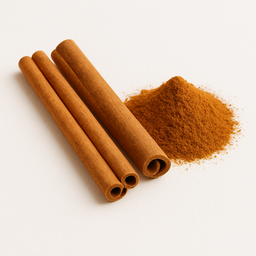 Cinnamon
 Magnesium + chromium for glycemic balance
Technical: Almond flour contains 270mg magnesium per 100g that activates insulin receptors. Cinnamon provides chromium and MHCP polymers that increase insulin sensitivity. Together they stabilize blood sugar levels more effectively than either alone.
What does this mean for you? Use almond flour with cinnamon in pancakes, muffins or smoothies for stable energy without sugar spikes. Perfect for diabetics or weight loss.
Almond Flour 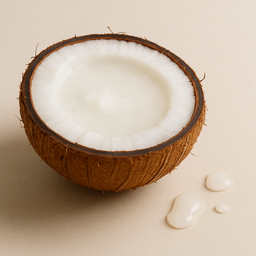 Coconut Oil
 Almond protein + coconut MCTs for sustained energy and satiety
Technical: Almond flour provides plant protein and vitamin E, while coconut oil's MCTs (medium-chain triglycerides) are quickly converted to ketones for immediate energy. The combination of slow protein + fast MCT energy provides both immediate and sustained fuel.
What does this mean for you? Almond flour with coconut oil in cookies or pancakes provides more stable energy than regular flour with butter.
Recipes with Almond Flour
Discover delicious recipes featuring almond flour:
 Almond Cinnamon Cookies (Keto) 22 min Crispy cookies with almond flour and warm cinnamon, ready in 20 minutes
  120 kcal
  4g protein 1 synergies
  Almond Cinnamon Cookies with Coconut 22 min Crisp at the edges, soft inside 165 kcal 5g protein 2 synergies
  Almond Flour Orange Cake with Cardamom 55 min Fluffy gluten-free cake with fresh orange and aromatic cardamom 241 kcal 7g protein 1 synergies
  Almond Flour Vanilla Cookies 27 min Simple crumbly cookies made with almond flour, without gluten or dairy 95 kcal 2g protein 2 synergies
  Broccoli Cheddar Soup 40 min Creamy soup with broccoli, aged cheddar and a hint of nutmeg 430 kcal 20g protein 2 synergies
  Egg-Free Keto Waffles with Coconut and Flaxseed 20 min Crispy on the outside, soft on the inside, warm with cinnamon 330 kcal 9g protein 2 synergies
  In the Kitchen
Storage
Location:Refrigerator
Shelf life:3-6 maanden in koelkast, 1 jaar in vriezer
Store airtight in the refrigerator or freezer due to the high fat content; this keeps the nutty flavor fresh for longer.
Preparation
Often use 25% less than wheat flour. Add extra binding, such as egg, chia or ground flaxseed. Bake at a lower temperature (160–170°C), because almond flour browns faster.
Conversions
Substitutes
Smart preparation
1Sift almond flour before use to remove clumps.
Why?
A fine, loose texture gives baked goods a more even crumb.
2Store in an airtight container in the fridge or freezer.
Why?
This helps the natural oils in almonds keep their fresh nutty flavor for longer.
3In existing recipes, first replace only part of the wheat flour with almond flour.
Why?
Almond flour contains no gluten, so it provides less elasticity and structure than wheat flour.
Caution / Warnings
Almond Flour is very safe, but there are scientific considerations:
Nut Allergy Severe
Almond flour is an almond product and may contain allergens for people with a nut allergy.
Advice:
Avoid with a confirmed almond or nut allergy. Choose a suitable alternative, such as coconut flour or certified gluten-free oat flour, depending on your recipe.
Summary
Almond flour is a rich, nutty baking flour made from finely ground almonds. It is naturally gluten-free, high in fiber and suitable for cookies, cakes, pancakes and tart crusts. Usually use a little less than wheat flour and add extra binding, such as egg or ground flaxseed.