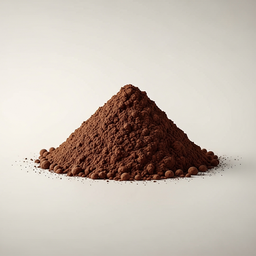
Raw cacao
Bitter cacao bean with magnesium, fiber and deep chocolate flavor
What is this ingredient?
Cacao (Theobroma cacao, literally “food of the gods”) refers to the cacao bean before it is turned into sweet chocolate. Raw cacao is usually sold as powder or nibs and has a distinctly bitter, earthy chocolate flavor without added sugar.
## Nutritional profile
Per 100 g, raw cacao contains plenty of fiber (33.2 g), protein (19.6 g) and minerals such as magnesium (499 mg), iron (13.86 mg), potassium (1524 mg), zinc (6.81 mg), phosphorus (734 mg) and copper (3.79 mg). This makes it especially useful as a small, flavor-rich addition to porridge, smoothies, dairy-free yogurt, baked goods and warm drinks.
## Plant compounds
Cacao contains cacao flavanols such as epicatechin and catechin, alongside theobromine, a mild naturally occurring compound related to caffeine. These compounds are often studied in relation to vascular function, circulation, alertness and polyphenol availability, while its everyday kitchen value remains its deep chocolate flavor and bitter-aromatic character.
## Culinary use
Use raw cacao in small amounts: the flavor is strong and can easily dominate. It pairs well with banana, dates, vanilla, cinnamon, chili, coconut, oat drink and nuts. For a smooth hot chocolate-style drink, first whisk cacao powder with a little hot water, then add plant-based milk. Dairy-free combinations are popular when you want to keep the pure cacao taste and polyphenol-rich character at the center.
How does it taste?
Intensely bitter with a deep, complex chocolate flavor and mildly fruity tones.
Pairs well with:
Pairs well with chilicinnamonvanillabanana and coconut.
Did you know...?
- The Aztecs used cacao beans as currency: about 100 beans could represent the value of a turkey.
- The botanical name Theobroma cacao literally means ‘food of the gods’.
- Ivory Coast and Ghana together produce more than 60% of all cacao worldwide.
Nutritional Value & Energy
Per 100g
Raw cacao provides energy thanks to natural nutrients , buffered by fiber.
Per 100g
Minerals
Vitamins
Omega-3 fatty acids
More nutrients
B-Vitamins
Trace Minerals
What's in a serving?
1 serving
Raw cacao naturally contains magnesium (499 mg per 100 g).
Raw cacao naturally contains iron (13.86 mg per 100 g).
Raw cacao naturally contains potassium (1524 mg per 100 g).
Raw cacao naturally contains zinc (6.81 mg per 100 g).
Raw cacao naturally contains calcium (128 mg per 100 g).
Raw cacao naturally contains folate (32 mcg per 100 g).
Raw cacao naturally contains selenium (14.3 mcg per 100 g).
Raw cacao naturally contains phosphorus (734 mg per 100 g).
Raw cacao naturally contains copper (3.79 mg per 100 g).
% of daily reference intake (DRI)
EU-approved nutrition claims
This ingredient contains nutrients for which EFSA-authorized health claims exist (at nutrient level, not ingredient-specific).
Approved health claims (EU)
Magnesium EU 432/2012
Magnesium contributes to normal muscle function
Contains 499mg/100g (threshold: ≥56.25mg/100g)
Magnesium EU 432/2012
Magnesium contributes to the reduction of tiredness and fatigue
Contains 499mg/100g (threshold: ≥56.25mg/100g)
Magnesium EU 432/2012
Magnesium contributes to normal functioning of the nervous system
Contains 499mg/100g (threshold: ≥56.25mg/100g)
Zinc EU 432/2012
Zinc contributes to the normal function of the immune system
Contains 6.81mg/100g (threshold: ≥1.5mg/100g)
Zinc EU 432/2012
Zinc contributes to the maintenance of normal skin
Contains 6.81mg/100g (threshold: ≥1.5mg/100g)
Iron EU 432/2012
Iron contributes to normal energy-yielding metabolism
Contains 13.86mg/100g (threshold: ≥2.1mg/100g)
Iron EU 432/2012
Iron contributes to the reduction of tiredness and fatigue
Contains 13.86mg/100g (threshold: ≥2.1mg/100g)
Calcium EU 432/2012
Calcium is needed for the maintenance of normal bones
Contains 128mg/100g (threshold: ≥120mg/100g)
Potassium EU 432/2012
Potassium contributes to the maintenance of normal blood pressure
Contains 1524mg/100g (threshold: ≥300mg/100g)
Folate EU 432/2012
Folate contributes to normal blood formation
Contains 32mcg/100g (threshold: ≥30mcg/100g)
Folate EU 432/2012
Folate contributes to normal amino acid synthesis
Contains 32mcg/100g (threshold: ≥30mcg/100g)
Folate EU 432/2012
Folate contributes to normal homocysteine metabolism
Contains 32mcg/100g (threshold: ≥30mcg/100g)
Folate EU 432/2012
Folate contributes to normal psychological function
Contains 32mcg/100g (threshold: ≥30mcg/100g)
Folate EU 432/2012
Folate contributes to the normal function of the immune system
Contains 32mcg/100g (threshold: ≥30mcg/100g)
Folate EU 432/2012
Folate has a role in the process of cell division
Contains 32mcg/100g (threshold: ≥30mcg/100g)
Folate EU 432/2012
Folate contributes to maternal tissue growth during pregnancy
Contains 32mcg/100g (threshold: ≥30mcg/100g)
Calcium EU 432/2012
Calcium is needed for the maintenance of normal teeth
Contains 128mg/100g (threshold: ≥120mg/100g)
Calcium EU 432/2012
Calcium contributes to normal blood clotting
Contains 128mg/100g (threshold: ≥120mg/100g)
Calcium EU 432/2012
Calcium contributes to normal energy-yielding metabolism
Contains 128mg/100g (threshold: ≥120mg/100g)
Calcium EU 432/2012
Calcium contributes to normal muscle function
Contains 128mg/100g (threshold: ≥120mg/100g)
Calcium EU 432/2012
Calcium contributes to normal neurotransmission
Contains 128mg/100g (threshold: ≥120mg/100g)
Calcium EU 432/2012
Calcium contributes to the normal function of digestive enzymes
Contains 128mg/100g (threshold: ≥120mg/100g)
Calcium EU 432/2012
Calcium has a role in the process of cell division and specialisation
Contains 128mg/100g (threshold: ≥120mg/100g)
Phosphorus EU 432/2012
Phosphorus contributes to normal energy-yielding metabolism
Contains 734mg/100g (threshold: ≥105mg/100g)
Phosphorus EU 432/2012
Phosphorus contributes to the normal function of cell membranes
Contains 734mg/100g (threshold: ≥105mg/100g)
Phosphorus EU 432/2012
Phosphorus contributes to the maintenance of normal bones
Contains 734mg/100g (threshold: ≥105mg/100g)
Phosphorus EU 432/2012
Phosphorus contributes to the maintenance of normal teeth
Contains 734mg/100g (threshold: ≥105mg/100g)
Magnesium EU 432/2012
Magnesium contributes to normal energy-yielding metabolism
Contains 499mg/100g (threshold: ≥56.25mg/100g)
Magnesium EU 432/2012
Magnesium contributes to electrolyte balance
Contains 499mg/100g (threshold: ≥56.25mg/100g)
Magnesium EU 432/2012
Magnesium contributes to normal protein synthesis
Contains 499mg/100g (threshold: ≥56.25mg/100g)
Magnesium EU 432/2012
Magnesium contributes to normal psychological function
Contains 499mg/100g (threshold: ≥56.25mg/100g)
Magnesium EU 432/2012
Magnesium contributes to the maintenance of normal bones
Contains 499mg/100g (threshold: ≥56.25mg/100g)
Magnesium EU 432/2012
Magnesium contributes to the maintenance of normal teeth
Contains 499mg/100g (threshold: ≥56.25mg/100g)
Magnesium EU 432/2012
Magnesium has a role in the process of cell division
Contains 499mg/100g (threshold: ≥56.25mg/100g)
Iron EU 432/2012
Iron contributes to normal cognitive function
Contains 13.86mg/100g (threshold: ≥2.1mg/100g)
Iron EU 432/2012
Iron contributes to normal formation of red blood cells and haemoglobin
Contains 13.86mg/100g (threshold: ≥2.1mg/100g)
Iron EU 432/2012
Iron contributes to normal oxygen transport in the body
Contains 13.86mg/100g (threshold: ≥2.1mg/100g)
Iron EU 432/2012
Iron contributes to the normal function of the immune system
Contains 13.86mg/100g (threshold: ≥2.1mg/100g)
Iron EU 432/2012
Iron has a role in the process of cell division
Contains 13.86mg/100g (threshold: ≥2.1mg/100g)
Zinc EU 432/2012
Zinc contributes to normal acid-base metabolism
Contains 6.81mg/100g (threshold: ≥1.5mg/100g)
Zinc EU 432/2012
Zinc contributes to normal carbohydrate metabolism
Contains 6.81mg/100g (threshold: ≥1.5mg/100g)
Zinc EU 432/2012
Zinc contributes to normal cognitive function
Contains 6.81mg/100g (threshold: ≥1.5mg/100g)
Zinc EU 432/2012
Zinc contributes to normal DNA synthesis
Contains 6.81mg/100g (threshold: ≥1.5mg/100g)
Zinc EU 432/2012
Zinc contributes to normal fertility and reproduction
Contains 6.81mg/100g (threshold: ≥1.5mg/100g)
Zinc EU 432/2012
Zinc contributes to normal macronutrient metabolism
Contains 6.81mg/100g (threshold: ≥1.5mg/100g)
Zinc EU 432/2012
Zinc contributes to normal metabolism of fatty acids
Contains 6.81mg/100g (threshold: ≥1.5mg/100g)
Zinc EU 432/2012
Zinc contributes to normal metabolism of vitamin A
Contains 6.81mg/100g (threshold: ≥1.5mg/100g)
Zinc EU 432/2012
Zinc contributes to normal protein synthesis
Contains 6.81mg/100g (threshold: ≥1.5mg/100g)
Zinc EU 432/2012
Zinc contributes to the maintenance of normal bones
Contains 6.81mg/100g (threshold: ≥1.5mg/100g)
Zinc EU 432/2012
Zinc contributes to the maintenance of normal hair
Contains 6.81mg/100g (threshold: ≥1.5mg/100g)
Zinc EU 432/2012
Zinc contributes to the maintenance of normal nails
Contains 6.81mg/100g (threshold: ≥1.5mg/100g)
Zinc EU 432/2012
Zinc contributes to the maintenance of normal testosterone levels in the blood
Contains 6.81mg/100g (threshold: ≥1.5mg/100g)
Zinc EU 432/2012
Zinc contributes to the maintenance of normal vision
Contains 6.81mg/100g (threshold: ≥1.5mg/100g)
Zinc EU 432/2012
Zinc contributes to the protection of cells from oxidative stress
Contains 6.81mg/100g (threshold: ≥1.5mg/100g)
Zinc EU 432/2012
Zinc has a role in the process of cell division
Contains 6.81mg/100g (threshold: ≥1.5mg/100g)
Copper EU 432/2012
Copper contributes to the maintenance of normal connective tissues
Contains 3.79mg/100g (threshold: ≥0.15mg/100g)
Copper EU 432/2012
Copper contributes to normal energy-yielding metabolism
Contains 3.79mg/100g (threshold: ≥0.15mg/100g)
Copper EU 432/2012
Copper contributes to normal functioning of the nervous system
Contains 3.79mg/100g (threshold: ≥0.15mg/100g)
Copper EU 432/2012
Copper contributes to normal hair pigmentation
Contains 3.79mg/100g (threshold: ≥0.15mg/100g)
Copper EU 432/2012
Copper contributes to normal iron transport in the body
Contains 3.79mg/100g (threshold: ≥0.15mg/100g)
Copper EU 432/2012
Copper contributes to normal skin pigmentation
Contains 3.79mg/100g (threshold: ≥0.15mg/100g)
Copper EU 432/2012
Copper contributes to the normal function of the immune system
Contains 3.79mg/100g (threshold: ≥0.15mg/100g)
Copper EU 432/2012
Copper contributes to the protection of cells from oxidative stress
Contains 3.79mg/100g (threshold: ≥0.15mg/100g)
Selenium EU 432/2012
Selenium contributes to the maintenance of normal hair
Contains 14.3mcg/100g (threshold: ≥8.25mcg/100g)
Selenium EU 432/2012
Selenium contributes to the maintenance of normal nails
Contains 14.3mcg/100g (threshold: ≥8.25mcg/100g)
Selenium EU 432/2012
Selenium contributes to the normal function of the immune system
Contains 14.3mcg/100g (threshold: ≥8.25mcg/100g)
Selenium EU 432/2012
Selenium contributes to normal thyroid function
Contains 14.3mcg/100g (threshold: ≥8.25mcg/100g)
Selenium EU 432/2012
Selenium contributes to normal spermatogenesis
Contains 14.3mcg/100g (threshold: ≥8.25mcg/100g)
Selenium EU 432/2012
Selenium contributes to the protection of cells from oxidative stress
Contains 14.3mcg/100g (threshold: ≥8.25mcg/100g)
Potassium EU 432/2012
Potassium contributes to normal functioning of the nervous system
Contains 1524mg/100g (threshold: ≥300mg/100g)
Potassium EU 432/2012
Potassium contributes to normal muscle function
Contains 1524mg/100g (threshold: ≥300mg/100g)
Comparison
vsspinazie
Raw cacao contains about 5× more iron per 100 g than spinach.
vsbanaan
Raw cacao contains about 4× more potassium per 100 g than banana.
vsamandelen
Raw cacao contains about 2× more magnesium per 100 g than almonds.
What's being researched?
Cacao flavanols in vascular-function research
Flavanols in cacao are studied in research on vascular function, nitric-oxide-related responses and circulation markers. Findings are interesting, but depend on dose, product type and study design.
Supported by: [1] Khan N (2014) , [3] Schroeter (2006)
Cacao and cognitive research markers
Cacao flavanols are studied in relation to cerebral perfusion and cognitive test outcomes. Clinical studies usually use specific flavanol doses and standardized cacao products.
Supported by: [2] Sorond (2008)
Good Combinations (Synergy)
Combine raw cacao smartly to enhance the effect:
Raw cacao 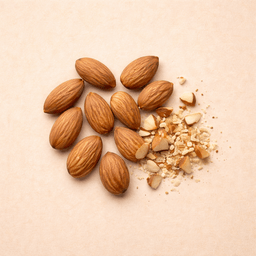 Almonds
 Double magnesium boost: 500mg per 100g combined
Technical: Almonds (270mg magnesium/100g) and cacao (230mg/100g) together provide 500mg magnesium - more than the daily recommendation. Magnesium is crucial for 300+ enzymes, muscle contraction and ATP energy. Cacao also adds theobromine for mild stimulation.
What does this mean for you? Make trail mix with almonds and cacao nibs, or bake chocolate-almond snacks. Ideal for muscle cramps, stress or fatigue.
Raw cacao 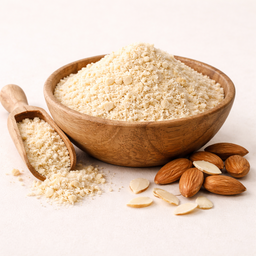 Almond Flour
 Double magnesium boost for energy and muscles
Technical: Almond flour (270mg magnesium/100g) and cacao (230mg/100g) together provide 500mg magnesium. Magnesium is essential for 300+ enzymatic reactions, including energy production (ATP synthesis) and muscle contraction.
What does this mean for you? Make brownies or protein balls with almond flour and cacao for maximum magnesium intake. Perfect for athletes, muscle cramps or fatigue.
Raw cacao  Banana
 Perfect smoothie combination for energy and mood
Technical: Cacao contains theobromine (mild stimulant, 250mg/100g) and 230mg magnesium. Banana provides tryptophan (serotonin precursor) and fast carbohydrates that improve tryptophan uptake in the brain. Magnesium supports conversion of tryptophan to serotonin. The result: a natural mood and energy boost.
What does this mean for you? Make a smoothie with cacao and banana for a natural energy shot. The banana gives instant energy, the cacao adds focus and a good feeling.
Raw cacao  Coconut Milk
 Ideal base for hot chocolate
Technical: Cacao's flavanols (epicatechin) are partially fat-soluble. Coconut milk's MCTs significantly improve absorption of these polyphenols. Importantly: dairy proteins (casein) bind to flavanols and block uptake. Coconut milk doesn't have this problem, resulting in higher flavanol bioavailability than with cow's milk.
What does this mean for you? Make hot chocolate with coconut milk instead of cow's milk. The coconut fat helps you absorb more antioxidants from cacao — cow's milk actually blocks this.
Raw cacao 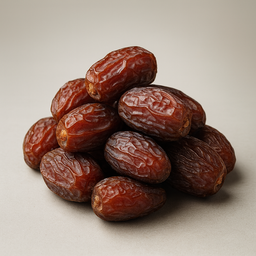 Dates
Dates Quick energy + antioxidants for brain and muscles
Technical: Dates contain 63g natural sugars per 100g for immediate energy. Cacao contains flavanols (epicatechin) that improve blood flow to the brain and theobromine for mild stimulation. The sugars from dates accelerate absorption of cacao's bioactive compounds.
What does this mean for you? The perfect base for energy balls: dates for binding and energy, cacao for flavor and brain power. Natural pre-workout or afternoon pick-me-up.
Raw cacao 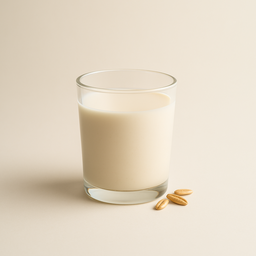 Oat Milk
 Perfect combination - creaminess without magnesium inhibition
Technical: Dairy proteins (casein) bind magnesium in the gastrointestinal tract and significantly diminish absorption. Oat milk contains no casein, so magnesium from cacao (230mg per 100g) remains freely available for absorption. Additionally, oat milk provides prebiotic beta-glucans.
What does this mean for you? Make your hot chocolate with oat milk instead of cow's milk. You get the same creaminess but absorb much more magnesium from the cacao.
Raw cacao 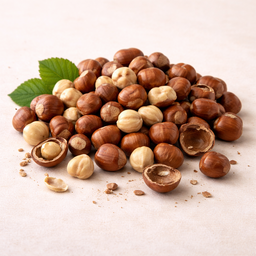 Hazelnuts
 Vitamin E + flavanols: complementary pathways via LDL oxidation inhibition and endothelial function
Technical: Hazelnuts contain 15mg vitamin E per 100g (100% RDI) — the highest concentration of all nuts. Cacao provides epicatechin and catechin (flavanols, 43mg/g in raw cacao). Vitamin E inhibits oxidation of LDL particles, while flavanols influence endothelial function via NO production (+30% flow-mediated dilation). Together: vitamin E inhibits ox-LDL formation, flavanols influence vascular function. Vitamin E also increases flavanol stability.
What does this mean for you? Hazelnut-cacao combination (like Nutella but pure) works through two complementary biochemical pathways. Use raw cacao and unroasted hazelnuts for maximum effect. 30g hazelnuts + 10g cacao per day.
Raw cacao 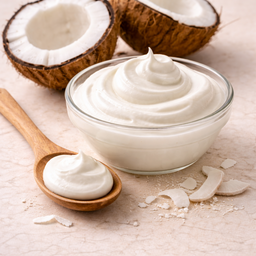 Coconut Cream
 MCT fats improve absorption of cocoa flavanols
Technical: Cocoa contains epicatechin and catechin, polyphenols with low bioavailability. Coconut cream's MCT fats (medium-chain triglycerides) form mixed micelles that improve intestinal absorption of these flavanols. Additionally, the creamy coconut fat gives the mousse a velvety texture.
What does this mean for you? Chocolate mousse from cocoa + coconut cream is more than a dessert — the coconut fat improves absorption of cocoa's bioactive polyphenols. A tasty combination with biochemical added value.
Raw cacao 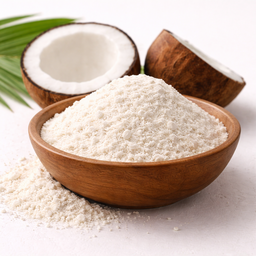 Coconut Flour
 MCTs + flavonoids for cognitive support and energy
Technical: MCTs in coconut flour are directly converted to ketones, an alternative fuel for the brain. Cacao's flavonoids influence cerebral blood flow. Together they provide both rapid energy (ketones) and bioactive flavonoids.
What does this mean for you? Baking with coconut flour and cacao gives you more than a tasty brownie — the MCTs provide rapid energy, the flavonoids from cacao are powerful bioactive compounds.
Raw cacao 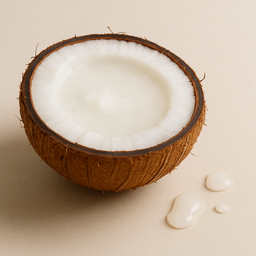 Coconut Oil
 MCTs increase flavonoid absorption from cacao
Fats increase bioavailability of cocoa flavanols (PMID: 19628108)
Technical: Cacao contains flavanols (epicatechin, catechin) that are fat-soluble. Coconut oil contains 60% MCTs (Medium Chain Triglycerides) that are quickly absorbed and increase the absorption of polyphenols from cacao. MCTs go directly to the liver and are converted to ketones, while flavanols remain available.
What does this mean for you? Add a teaspoon of coconut oil to your hot cocoa or use it in chocolate recipes. This increases not only the creamy texture but also the bioavailability of cacao flavonoids.
Raw cacao 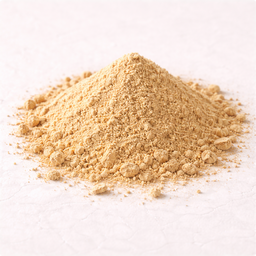 Maca Powder
 Adaptogens + theobromine for energy without stress
Technical: Maca contains macamides and macaenes — unique compounds supporting adrenal function and modulating the endocannabinoid system (adaptogenic effect). Cacao provides theobromine (mild stimulant without cortisol spike) and anandamide ('bliss molecule'). Honey adds quick glucose. Together: adaptogenic energy + gentle stimulation + mood.
What does this mean for you? Make a smoothie or latte with maca, cacao and honey. Energy without stress — the maca calms your adrenals while cacao gives gentle alertness.
Raw cacao 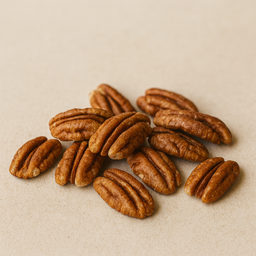 Pecans
 Ellagitannins + flavanols: complementary antioxidant pathways via urolithins and BDNF signaling
Technical: Pecans contain 17,940 μmol TE/100g ORAC (highest of all nuts) from ellagitannins and gamma-tocopherol. Cacao provides epicatechin and catechin (43mg/g raw cacao) that influence BDNF (brain-derived neurotrophic factor) via ERK/CREB signaling. Ellagitannins from pecans are converted by gut bacteria to urolithins — metabolites crossing the blood-brain barrier. Gamma-tocopherol (24mg/100g pecans) specifically protects neuronal membranes against reactive nitrogen species (RNS).
What does this mean for you? Pecans with raw cacao in trail mix or as oatmeal topping. The combination influences neuronal processes on two levels: pecans via urolithins, cacao via BDNF signaling.
Raw cacao 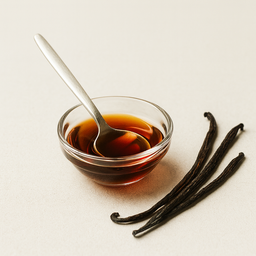 Vanilla Extract
 Vanillin enhances chocolate flavor perception
Technical: Vanillin (the main aroma molecule in vanilla) binds to the same olfactory receptors as chocolate aromatics (pyrazines, Maillard compounds). This enhances perceived chocolate flavor without extra sugar or cocoa. Research shows vanillin increases sweetness perception by 10-15%, requiring less sugar.
What does this mean for you? Add vanilla extract to chocolate baking or hot chocolate. You need less sugar because vanilla enhances the chocolate flavor and sweetness.
Recipes with Raw cacao
Discover delicious recipes featuring raw cacao:
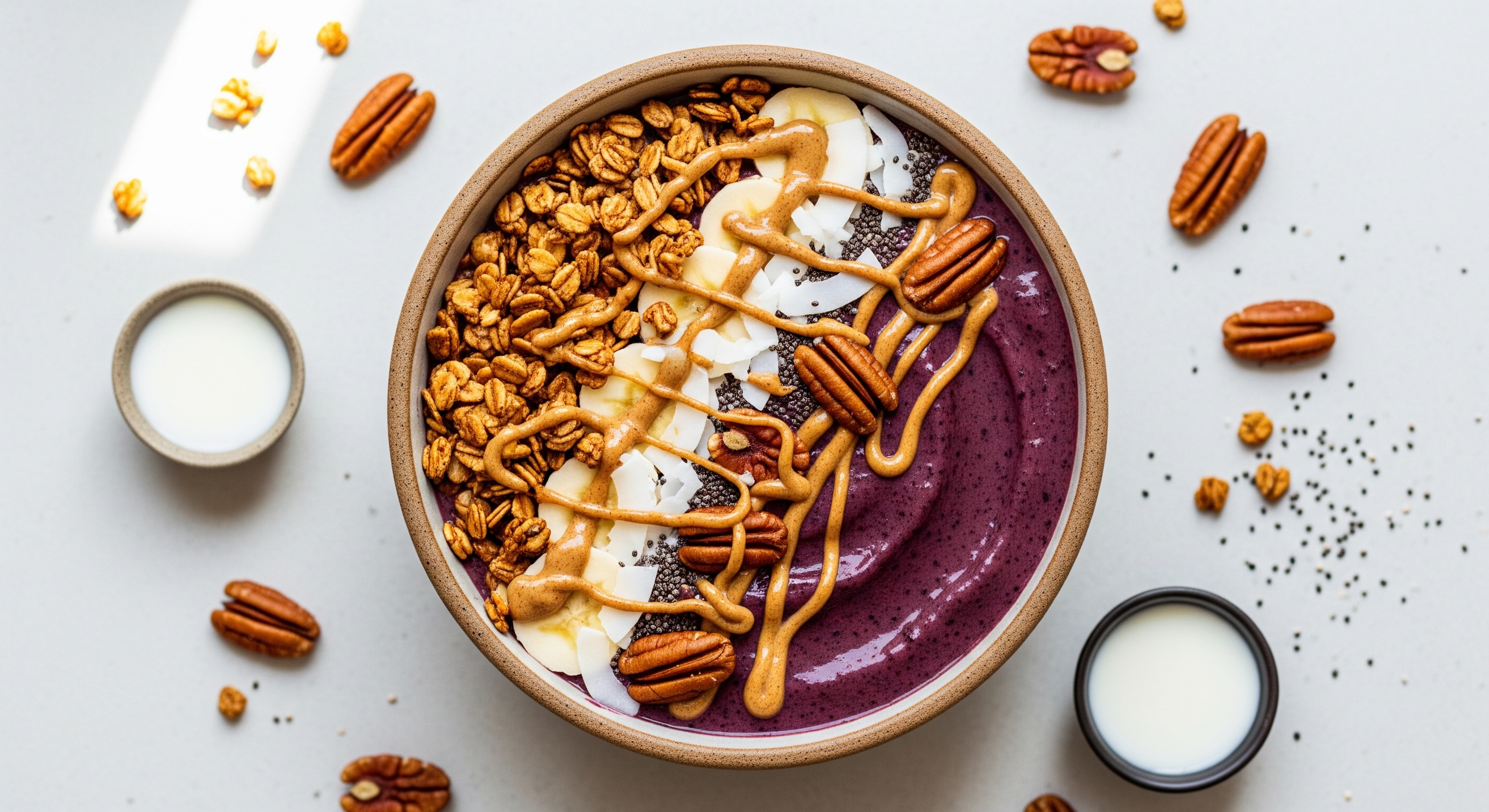 Açaí Bowl with Nuts, Granola & Coconut Base 10 min Colorful bowl with açaí, nuts and seeds on a creamy coconut-banana base
  745 kcal
  16g protein 2 synergies
 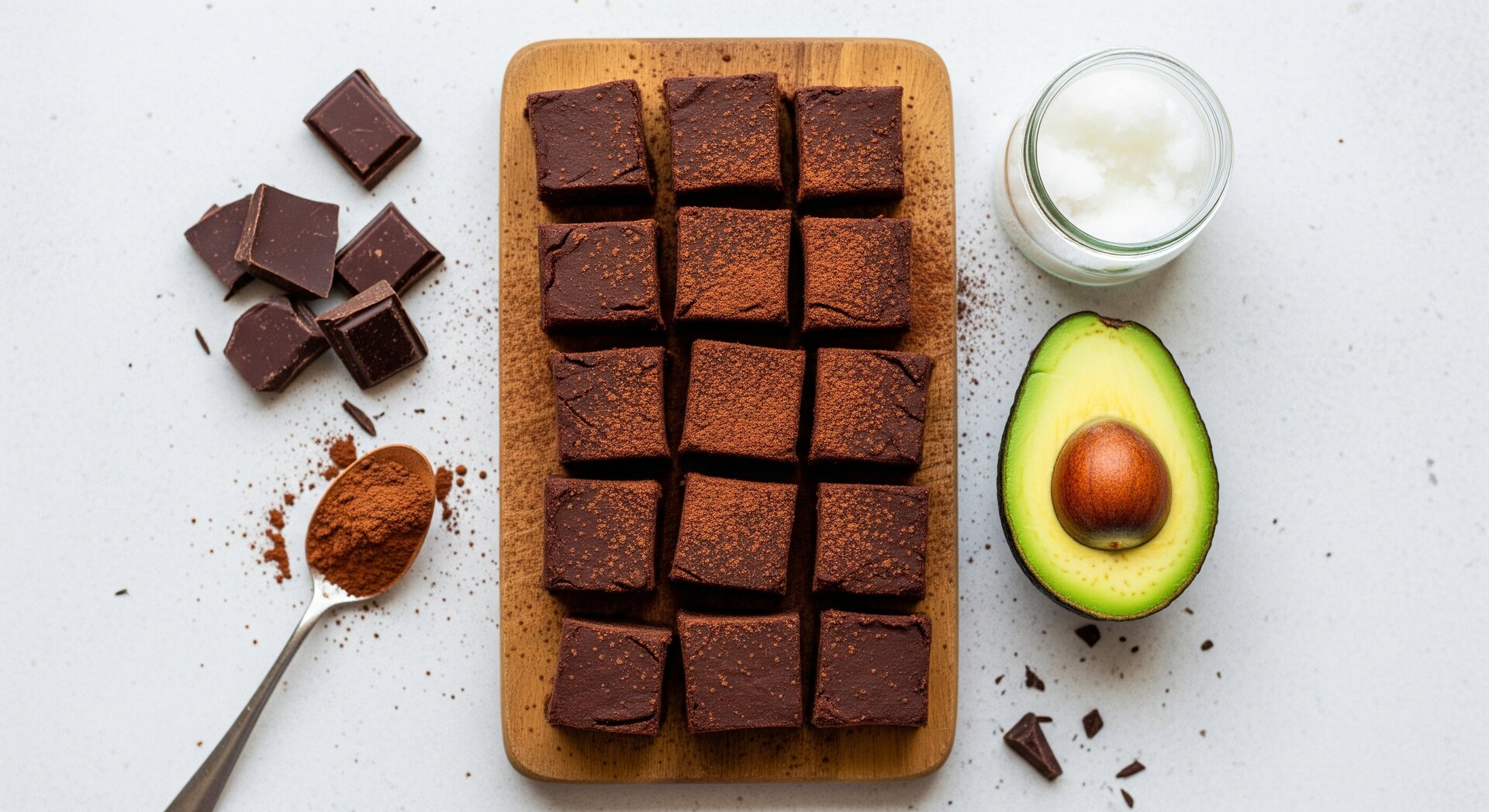 Avocado-Cacao Fudge 130 min Ultra-creamy chocolate fudge without butter or refined sugar — built on ripe avocado, raw cacao and honey 85 kcal 1g protein 2 synergies
 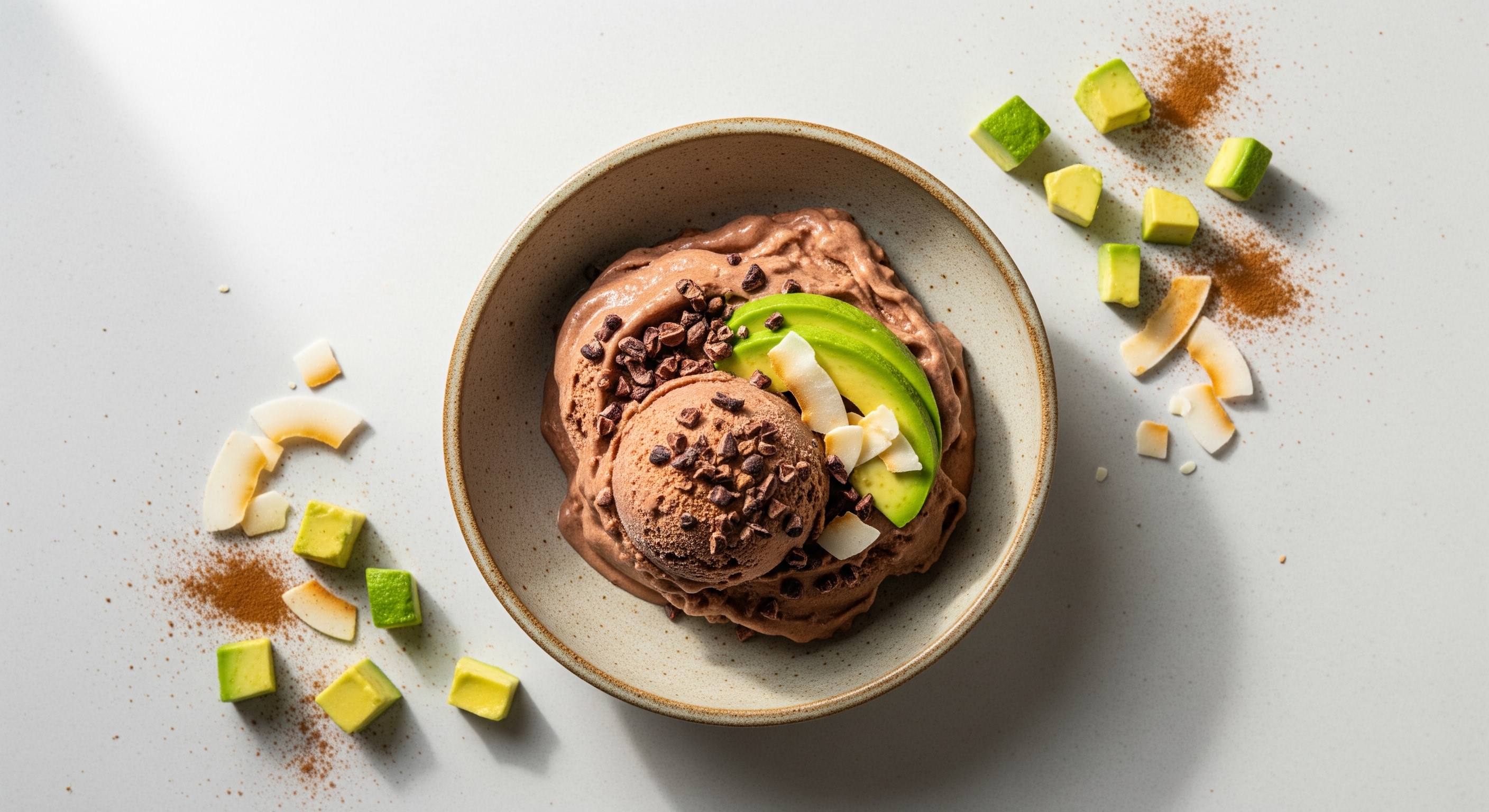 Avocado Cacao Ice Cream (Keto) 190 min Creamy chocolate ice cream with avocado as the secret base 230 kcal 4g protein 2 synergies
 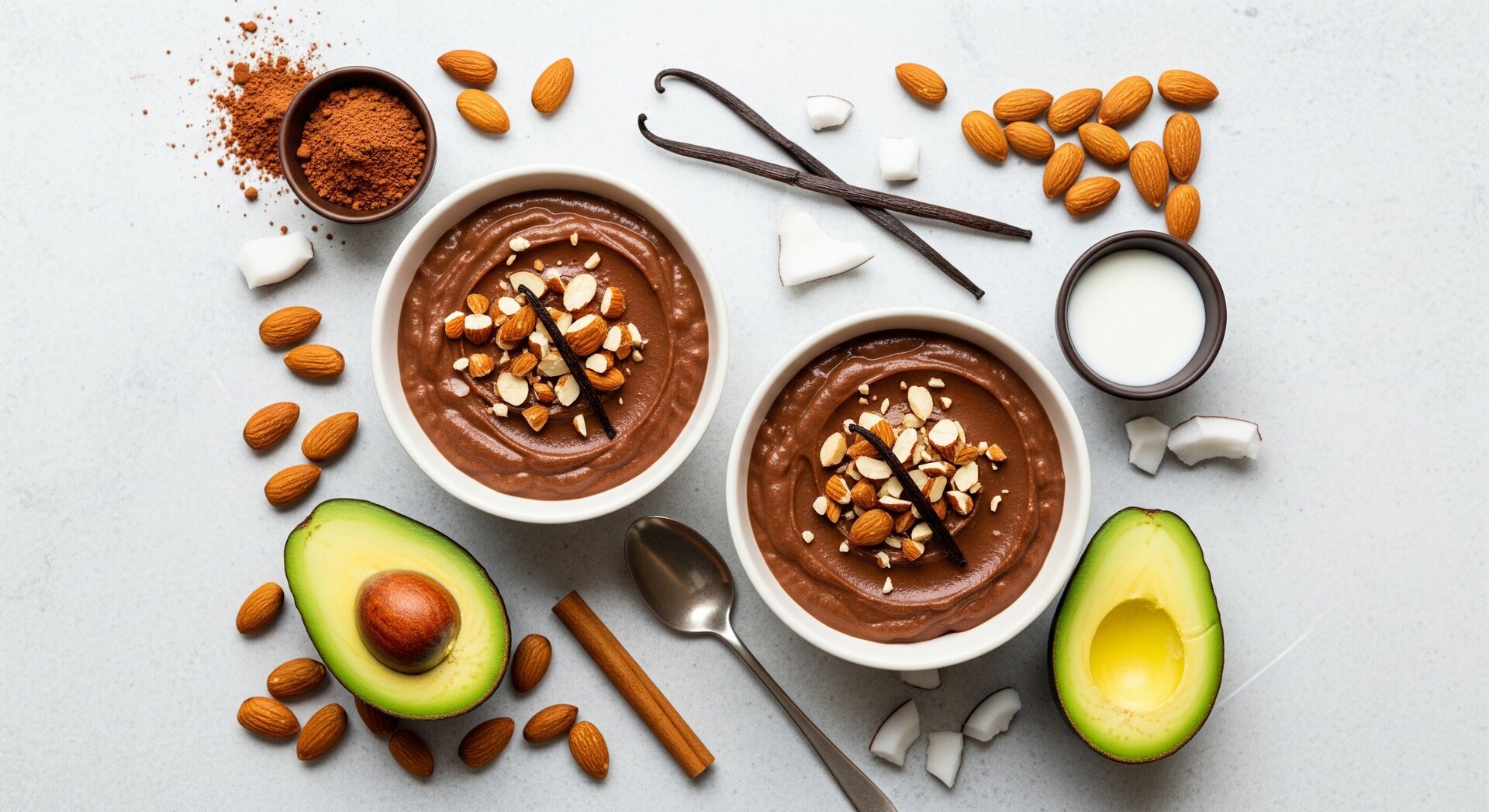 Avocado Cacao Pudding with Almonds 40 min Velvety with deep cacao notes 285 kcal 6g protein 2 synergies
 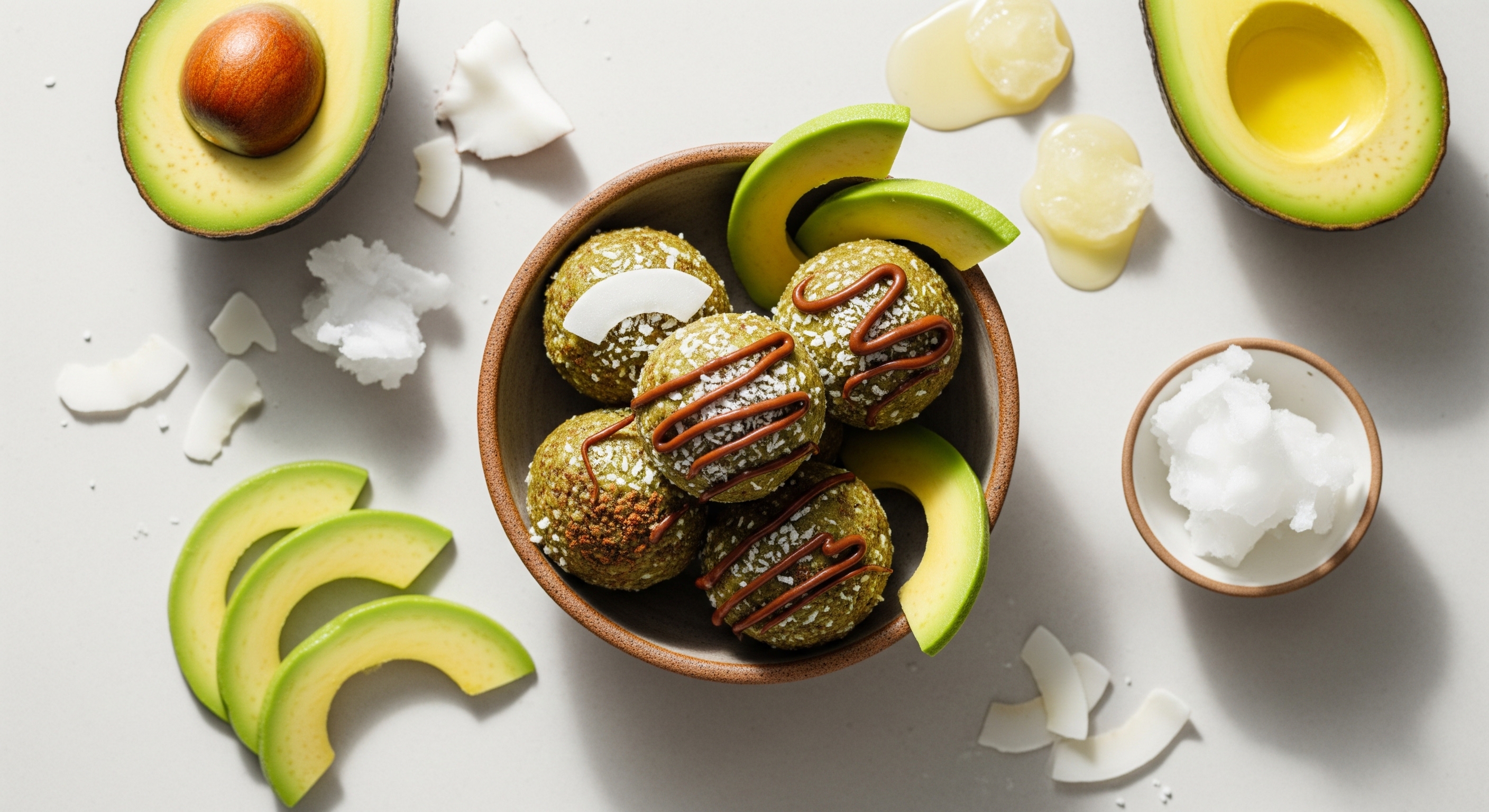 Avocado Coconut Fat Bombs 15 min Creamy, chocolatey and low in carbs 380 kcal 4g protein 1 synergies
 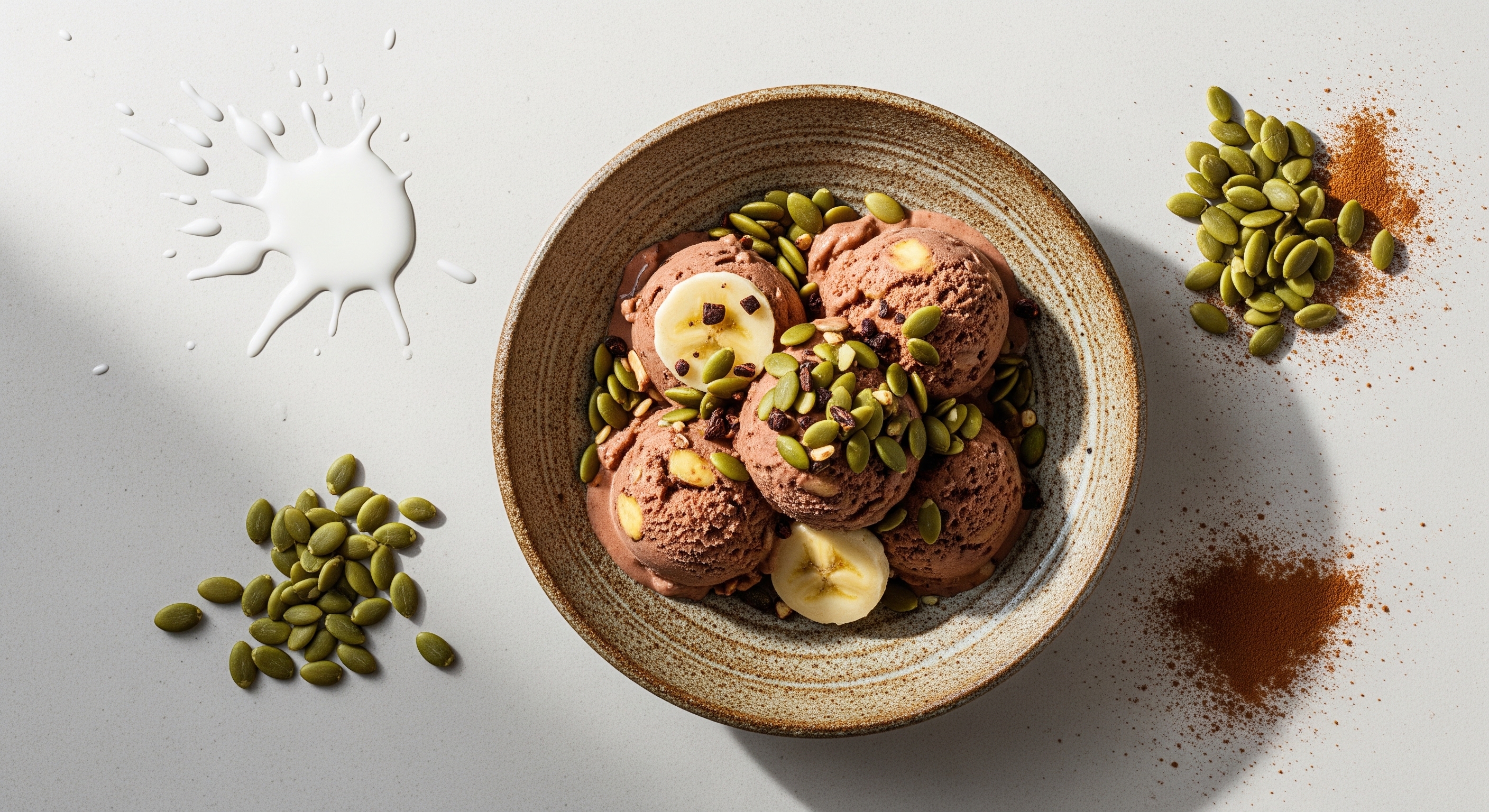 Banana Cacao Ice Cream with Pumpkin Seeds 10 min Creamy paleo ice cream with cacao, coconut milk and roasted pumpkin seeds 195 kcal 5g protein 1 synergies
  In the Kitchen
Storage
Location:Pantry
Shelf life:2 jaar
Store cacao powder or nibs airtight in a cool, dry place, away from direct sunlight. Seal the package well to limit moisture, clumping and odor absorption.
Conversions
Substitutes
Smart preparation
1Always sift cacao powder before use to prevent lumps.
2Bloom cacao powder in hot water or warm fat for a deeper chocolate flavor.
Why?
This step helps distribute cacao’s fat-soluble aroma compounds evenly.
3Use Dutch, alkalized cacao for a smoother and darker result.
Caution / Warnings
Raw cacao is very safe, but there are scientific considerations:
Dairy combinations Moderate
Research on chocolate has shown that milk proteins may influence the measured availability of cacao polyphenols.
Advice:
Use plant-based milk such as oat or coconut drink when you want to keep the pure cacao flavor and polyphenol-rich character at the center.
Migraine sensitivity Moderate
Cacao contains tyramine and phenylethylamine, compounds to which some migraine-sensitive people may personally react.
Advice:
If chocolate is a clear trigger for you, use raw cacao cautiously and track your personal response.
MAO inhibitors Severe
Cacao contains tyramine and phenylethylamine; these compounds require extra caution when using MAO inhibitors.
Advice:
Discuss cacao use with your doctor or pharmacist if you take MAO inhibitors.
Traditional use
Indigenous
Cacao among the Maya and Aztecs
Cacao had an important ritual, social and economic role among the Maya and Aztecs. The beans were prepared as a bitter ceremonial drink and could also serve as currency.
Summary
Raw cacao gives smoothies, oats, desserts and warm drinks a deep, bitter chocolate flavor. It naturally contains plenty of fiber and minerals such as magnesium, iron, potassium, zinc, phosphorus and copper. Pair it with banana, dates, cinnamon or coconut for balance.