Maca Powder
Peruvian Root Vegetable from the Andes
What is this ingredient?
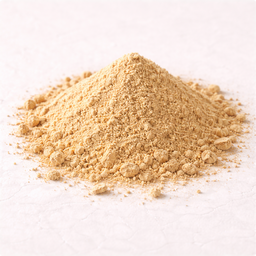
Maca (Lepidium meyenii), also called Peruvian ginseng, is a cruciferous plant that grows at high altitude in the Andes (above 4000m). The root tuber is dried and ground into a light brown powder with a slightly nutty, caramel-like taste. It contains unique compounds like macamides and macaenes not found in other plants, as well as vitamin C, iron, copper and potassium.
How does it taste?
Nutty and malty with a slight caramel-like, earthy flavor.
Pairs well with:
Pairs well with cacaobananahoneycinnamon and peanut butter.
Did you know...?
- Maca grows at altitudes above 4,000 meters in the Peruvian Andes.
- Inca warriors reportedly ate maca before battle for extra energy.
Nutritional Value & Energy
Per 100g
Maca Powder provides energy thanks to natural nutrients , buffered by fiber.
Per 100g
Minerals
Vitamins
More nutrients
Trace Minerals
What's in a serving?
Maca Powder naturally contains vitamin C (285 mg per 100 g dried powder). At typical usage (3–9 g), the contribution is limited.
Maca Powder naturally contains iron (14.8 mg per 100 g dried powder). At typical usage (3–9 g), the contribution is limited.
Maca Powder naturally contains potassium (2050 mg per 100 g dried powder). At typical usage (3–9 g), the contribution is limited.
Maca Powder naturally contains copper (6 mg per 100 g dried powder). At typical usage (3–9 g), the contribution is limited.
Maca Powder naturally contains vitamin C (285 mg per 100 g dried powder). At typical usage (3–9 g), the contribution is limited.
Maca Powder naturally contains iron (14.8 mg per 100 g dried powder). At typical usage (3–9 g), the contribution is limited.
Maca Powder naturally contains potassium (2050 mg per 100 g dried powder). At typical usage (3–9 g), the contribution is limited.
Maca Powder naturally contains copper (6 mg per 100 g dried powder). At typical usage (3–9 g), the contribution is limited.
Maca Powder naturally contains vitamin B6 (1.1 mg per 100 g dried powder). At typical usage (3–9 g), the contribution is limited.
Maca Powder naturally contains manganese (0.8 mg per 100 g dried powder). At typical usage (3–9 g), the contribution is limited.
% of daily reference intake (DRI)
EU-approved nutrition claims
This ingredient contains nutrients for which EFSA-authorized health claims exist (at nutrient level, not ingredient-specific).
Approved health claims (EU)
Vitamin_c EU 432/2012
Vitamin C contributes to the normal function of the immune system
Contains 285mg/100g (threshold: ≥12mg/100g)
Vitamin_c EU 432/2012
Vitamin C contributes to the reduction of tiredness and fatigue
Contains 285mg/100g (threshold: ≥12mg/100g)
Vitamin_c EU 432/2012
Vitamin C contributes to normal collagen formation for the normal function of skin
Contains 285mg/100g (threshold: ≥12mg/100g)
Vitamin_c EU 432/2012
Vitamin C contributes to normal collagen formation for the normal function of blood vessels
Contains 285mg/100g (threshold: ≥12mg/100g)
Vitamin_c EU 432/2012
Vitamin C contributes to normal collagen formation for the normal function of bones
Contains 285mg/100g (threshold: ≥12mg/100g)
Vitamin_c EU 432/2012
Vitamin C contributes to normal collagen formation for the normal function of cartilage
Contains 285mg/100g (threshold: ≥12mg/100g)
Vitamin_c EU 432/2012
Vitamin C contributes to normal collagen formation for the normal function of gums
Contains 285mg/100g (threshold: ≥12mg/100g)
Vitamin_c EU 432/2012
Vitamin C contributes to normal collagen formation for the normal function of teeth
Contains 285mg/100g (threshold: ≥12mg/100g)
Vitamin_c EU 432/2012
Vitamin C contributes to normal energy-yielding metabolism
Contains 285mg/100g (threshold: ≥12mg/100g)
Vitamin_c EU 432/2012
Vitamin C contributes to normal functioning of the nervous system
Contains 285mg/100g (threshold: ≥12mg/100g)
Vitamin_c EU 432/2012
Vitamin C contributes to normal psychological function
Contains 285mg/100g (threshold: ≥12mg/100g)
Vitamin_c EU 432/2012
Vitamin C contributes to the protection of cells from oxidative stress
Contains 285mg/100g (threshold: ≥12mg/100g)
Vitamin_c EU 432/2012
Vitamin C contributes to the regeneration of the reduced form of vitamin E
Contains 285mg/100g (threshold: ≥12mg/100g)
Vitamin_c EU 432/2012
Vitamin C increases iron absorption
Contains 285mg/100g (threshold: ≥12mg/100g)
Vitamin_c EU 432/2012
Vitamin C contributes to maintain the normal function of the immune system during and after intense physical exercise
Contains 285mg/100g (threshold: ≥12mg/100g)
Copper EU 432/2012
Copper contributes to the maintenance of normal connective tissues
Contains 6mg/100g (threshold: ≥0.15mg/100g)
Copper EU 432/2012
Copper contributes to normal energy-yielding metabolism
Contains 6mg/100g (threshold: ≥0.15mg/100g)
Copper EU 432/2012
Copper contributes to normal functioning of the nervous system
Contains 6mg/100g (threshold: ≥0.15mg/100g)
Copper EU 432/2012
Copper contributes to normal hair pigmentation
Contains 6mg/100g (threshold: ≥0.15mg/100g)
Copper EU 432/2012
Copper contributes to normal iron transport in the body
Contains 6mg/100g (threshold: ≥0.15mg/100g)
Copper EU 432/2012
Copper contributes to normal skin pigmentation
Contains 6mg/100g (threshold: ≥0.15mg/100g)
Copper EU 432/2012
Copper contributes to the normal function of the immune system
Contains 6mg/100g (threshold: ≥0.15mg/100g)
Copper EU 432/2012
Copper contributes to the protection of cells from oxidative stress
Contains 6mg/100g (threshold: ≥0.15mg/100g)
Comparison
vsbanaan
Maca Powder contains about 6× more potassium per 100g than banana — but you use much less maca powder per serving.
vssinaasappel
Maca Powder contains about 5× more vitamin C per 100g than orange — but you use much less maca powder per serving.
vsspinazie
Maca Powder contains about 5× more iron per 100g than spinach — but you use much less maca powder per serving.
What's being researched?
Maca and hormonal balance
Maca is researched for influence on hormonal balance and libido. Clinical studies show variable results, more research is needed.
Supported by: [1] Gonzales (2002) , [2] Zenico (2009) , [3] Meissner (2006)
Maca and energy/mood
Research explores whether maca can influence fatigue and mood. Preliminary clinical data are promising.
Supported by: [4] Dording (2008)
Good Combinations (Synergy)
Combine maca powder smartly to enhance the effect:
Maca Powder  Banana
 Adaptogen + potassium for energy and hormonal balance
Technical: Maca (Lepidium meyenii) contains macamides and macaenes that regulate the hypothalamic-pituitary-adrenal/gonadal axis without containing hormones themselves. Banana provides 358mg potassium and quick carbohydrates (22g sugars) as energy source. Potassium supports adrenal function that maca modulates. Studies show 1.5-3g maca per day improves energy, libido and mood after 6-8 weeks. The banana enhances the energetic effect.
What does this mean for you? Add a teaspoon of maca powder to your banana smoothie. The banana masks maca's earthy taste and provides immediate energy, while maca supports your hormonal balance long-term.
Maca Powder 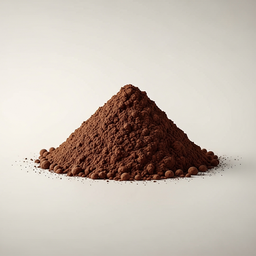 Raw cacao
 Adaptogens + theobromine for energy without stress
Technical: Maca contains macamides and macaenes — unique compounds supporting adrenal function and modulating the endocannabinoid system (adaptogenic effect). Cacao provides theobromine (mild stimulant without cortisol spike) and anandamide ('bliss molecule'). Honey adds quick glucose. Together: adaptogenic energy + gentle stimulation + mood.
What does this mean for you? Make a smoothie or latte with maca, cacao and honey. Energy without stress — the maca calms your adrenals while cacao gives gentle alertness.
Maca Powder 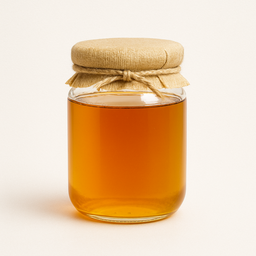 Honey
Honey Adaptogens + theobromine for energy without stress
Technical: Maca contains macamides and macaenes — unique compounds supporting adrenal function and modulating the endocannabinoid system (adaptogenic effect). Cacao provides theobromine (mild stimulant without cortisol spike) and anandamide ('bliss molecule'). Honey adds quick glucose. Together: adaptogenic energy + gentle stimulation + mood.
What does this mean for you? Make a smoothie or latte with maca, cacao and honey. Energy without stress — the maca calms your adrenals while cacao gives gentle alertness.
Maca Powder 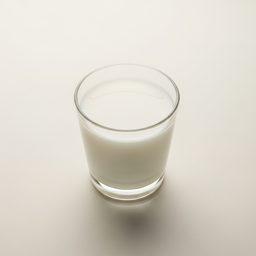 Coconut Milk
 MCT fats increase bioavailability of maca glucosinolates
Technical: Maca's active compounds — glucosinolates, macamides and sterols — are partially fat-soluble. Coconut milk's MCTs (medium-chain triglycerides, 15% of fats) quickly pass the intestinal wall and act as transporters for fat-soluble compounds. Studies show fat increases glucosinolate bioavailability by 2-3x. Coconut milk's lauric acid also offers bioactive support.
What does this mean for you? Make a maca latte with warm coconut milk and a pinch of cinnamon. The fats in coconut milk ensure your body absorbs more of maca's active compounds.
Recipes with Maca Powder
Discover delicious recipes featuring maca powder:
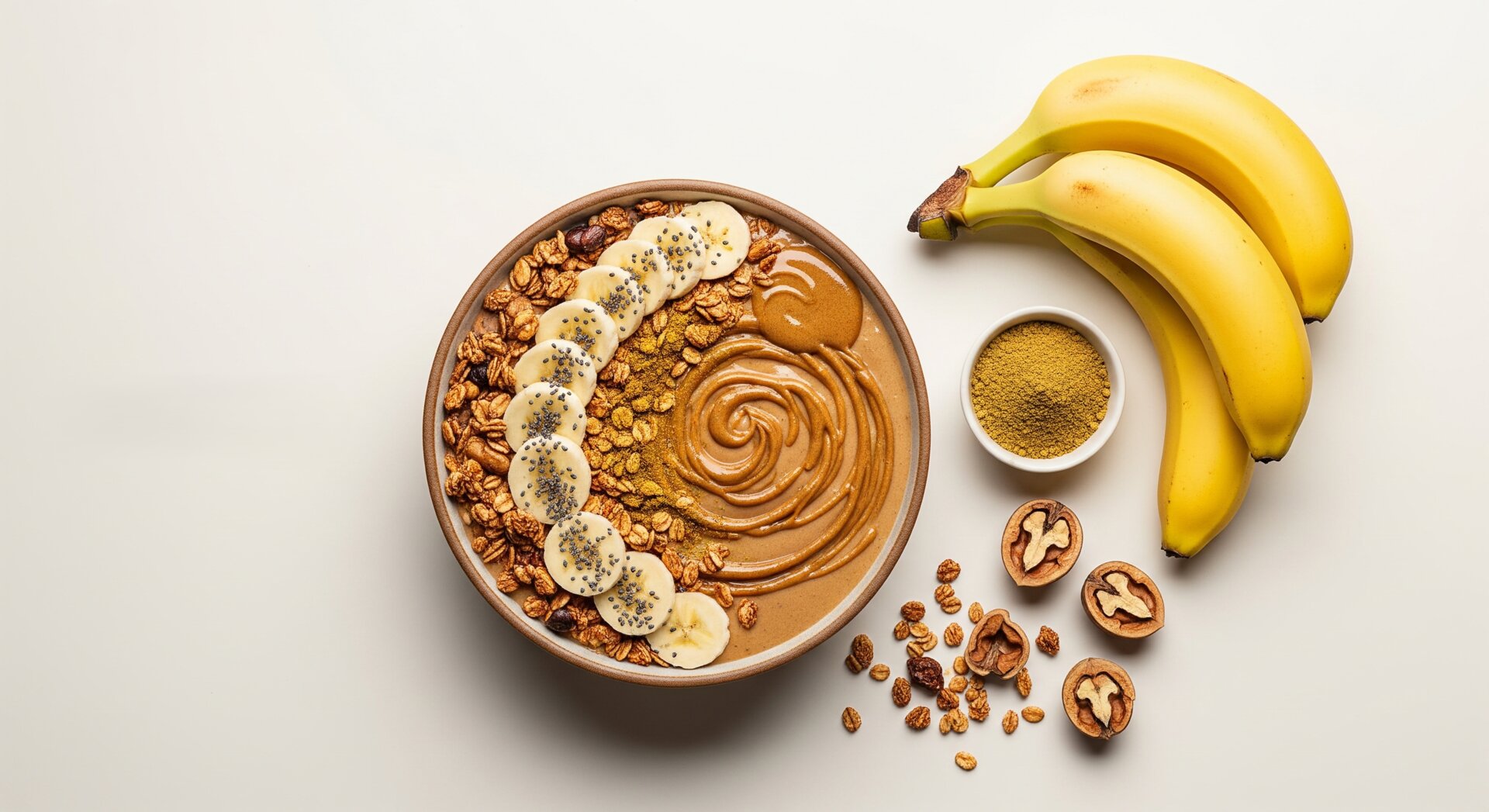 Maca Banana Smoothie Bowl 5 min Creamy smoothie bowl with cacao, banana and flaxseed
  485 kcal
  12g protein 2 synergies
 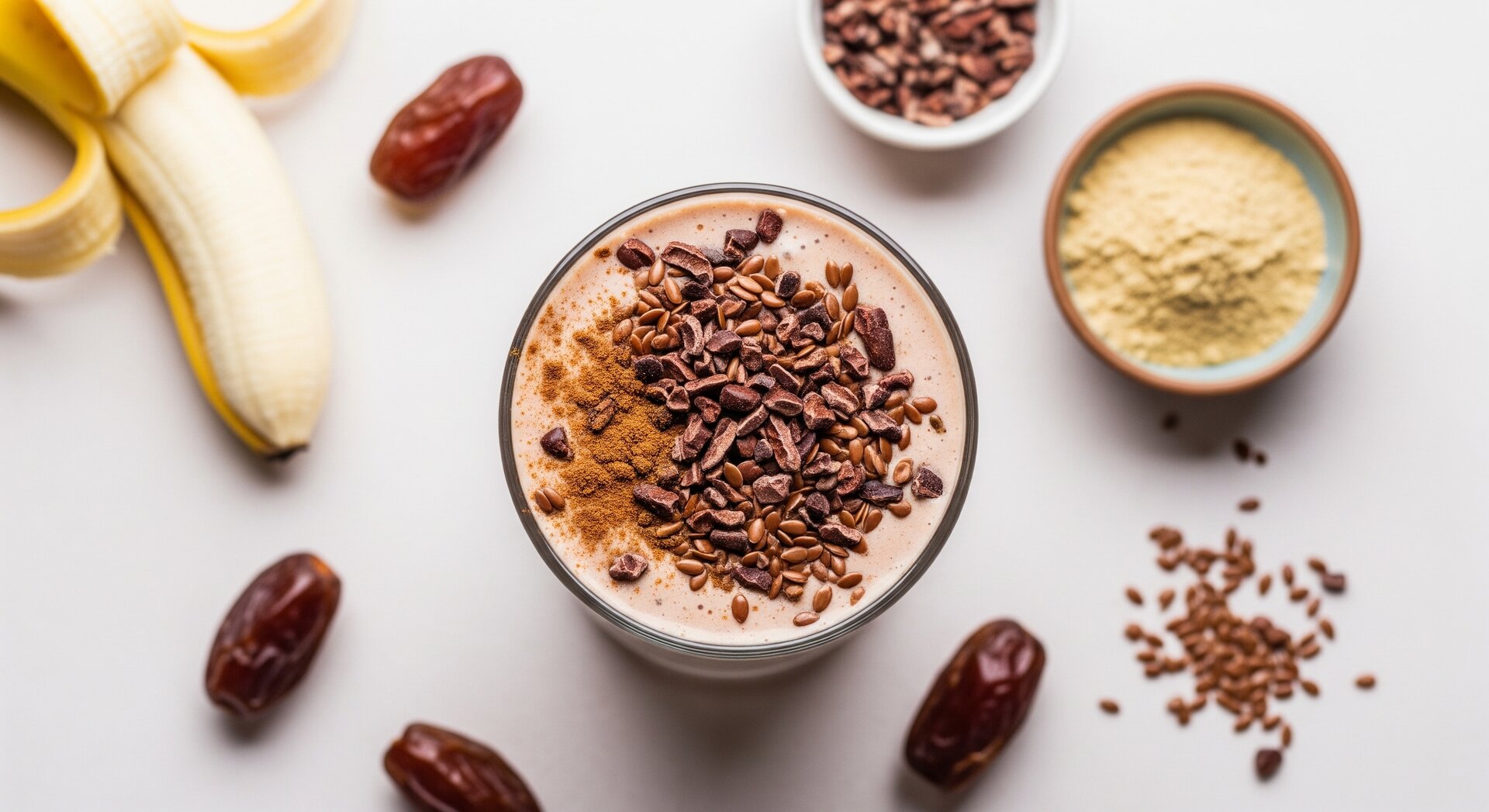 Maca Chocolate Smoothie with Flaxseed 5 min Creamy smoothie with Peruvian maca, cacao and dates 397 kcal 21g protein 1 synergies
 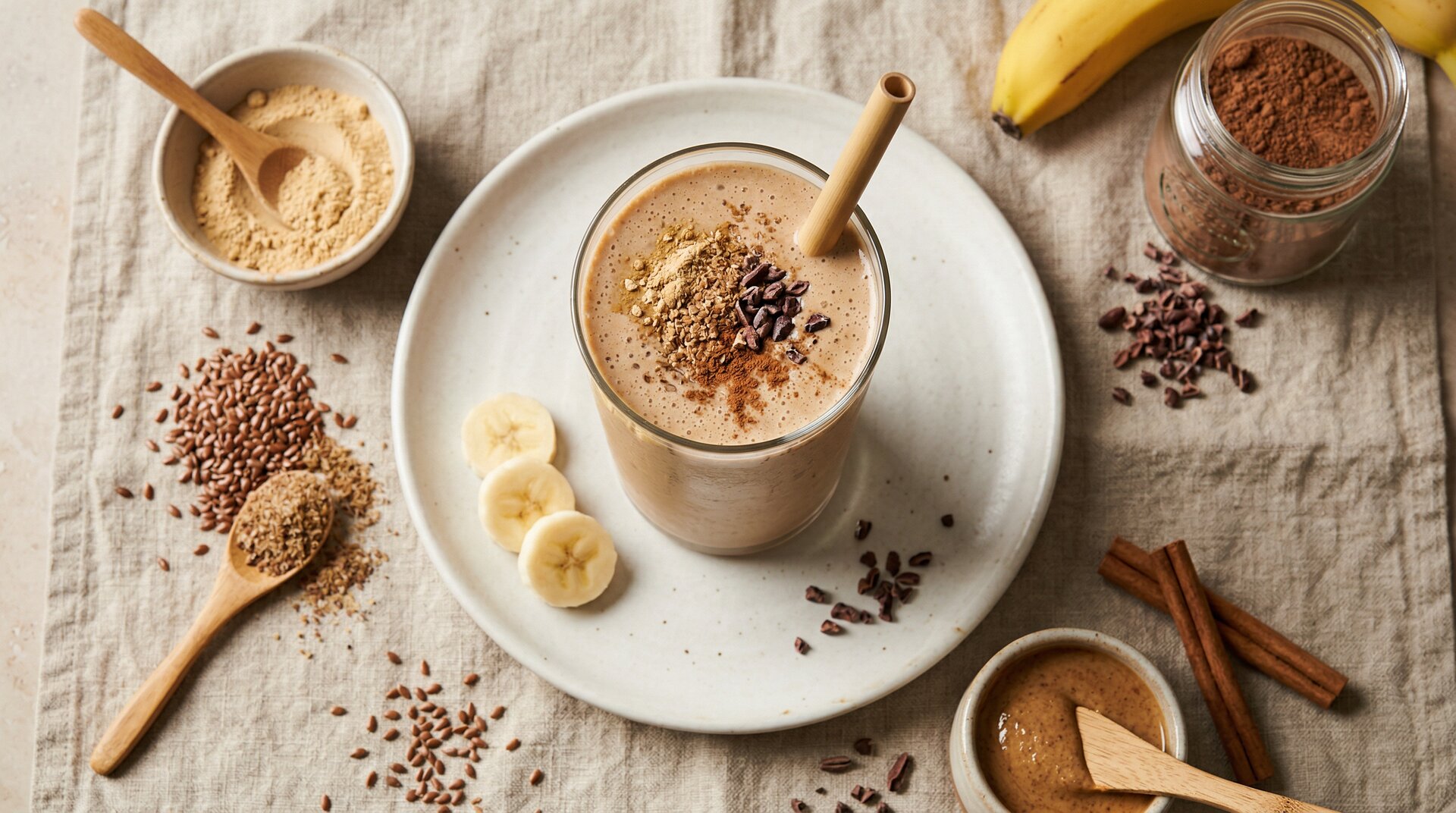 Creamy Cacao Smoothie with Maca and Flaxseed 5 min Creamy, cacao-rich and softly spiced 338 kcal 8g protein 2 synergies
 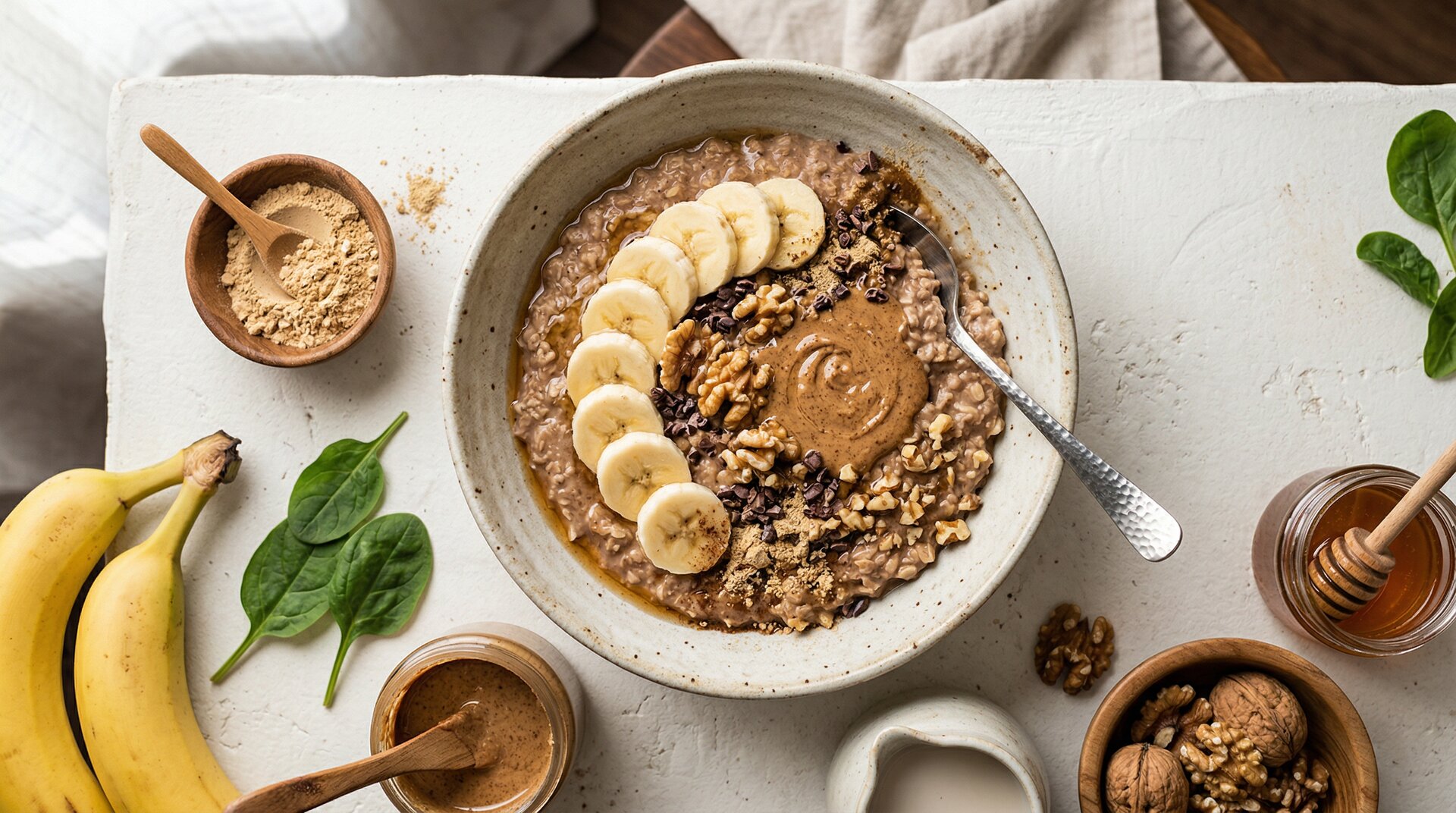 Warm Maca Cacao Oatmeal Bowl 15 min Creamy chocolate oatmeal with banana and crunchy walnuts 495 kcal 16g protein 2 synergies
  In the Kitchen
Storage
Location:Pantry
Substitutes
Smart preparation
1Start with 1 teaspoon daily and slowly build up to 1 tablespoon
2Mix in smoothies, oatmeal or warm drinks
3Don't heat above 60°C — this better preserves the nutrients
4Gelatinized maca is easier to digest than raw maca
Caution / Warnings
Maca Powder is very safe, but there are scientific considerations:
Moderate
Moderate
Traditional use
Indigenous
Inca food from the Andes
Maca has been cultivated at high altitudes in the Peruvian Andes for over 2,000 years. The Incas consumed it as traditional food and it was part of the daily diet.
Summary
Maca powder is a Peruvian root vegetable traditionally consumed in the Andes. It contains unique macamides and macaenes not found in other plants, as well as vitamin C, iron and copper. Start with 1 teaspoon and build up. Perfect for smoothies and breakfast.