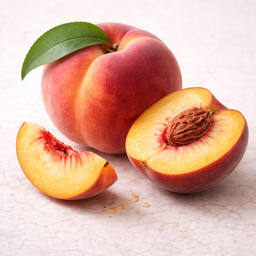
Peach
The Summer Stone Fruit
What is this ingredient?
Peaches originated in China where they have been cultivated for over 8000 years. The velvety skin contains many antioxidants - so eat it too. There are two main types: clingstone (flesh adheres to pit) for canning and freestone (flesh releases easily) for fresh eating. Nectarines are peaches with smooth skin due to a recessive gene.
How does it taste?
Juicy sweet with a floral aroma and velvety, gentle acidity.
Pairs well with:
Pairs well with vanillaalmondbasilprosecco and cream.
Did you know...?
- Peaches originate from China, not Persia, despite the scientific name 'Prunus persica'.
- Nectarines are not a separate fruit but a genetic variant of the peach without fuzz.
Nutritional Value & Energy
Per 100g
Peach is low in calories thanks to natural nutrients .
Per 100g
Minerals
Vitamins
Omega-3 fatty acids
More nutrients
B-Vitamins
Trace Minerals
Low GI means blood sugar doesn't spike quickly.
Low GL means minimal impact on your blood sugar per serving.
What's in a serving?
1 serving
% of daily reference intake (DRI)
EU-approved nutrition claims
There are currently no EFSA-authorized health claims specific for Peach.
What's being researched?
Chlorogenic acid and phenolic compounds
Chlorogenic acid and other phenolic compounds in peaches are being studied for antioxidant activity. Content varies by variety and degree of ripeness.
Supported by: [1] Noratto G (2009)
Carotenoids and skin protection
Carotenoids in peaches are being studied for potential contribution to skin protection against UV damage. Observational studies show associations with carotenoid-rich diets.
Supported by: [4] Baswan (2021)
Good Combinations (Synergy)
Combine peach smartly to enhance the effect:
Peach 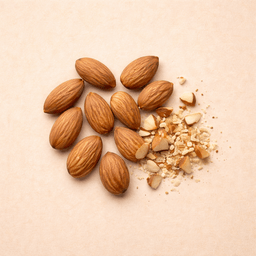 Almonds
 Vitamin E + fat increase beta-cryptoxanthin absorption by 350%
Technical: Peach contains 67μg beta-cryptoxanthin per 100g — a provitamin A carotenoid with 2x higher bioavailability than beta-carotene. Almonds provide 25.6mg vitamin E (171% RDI) and 49g fat dissolving carotenoids into micelles. Vitamin E protects beta-cryptoxanthin from gastric oxidation (unstable at low pH). Studies show 250-400% higher plasma carotenoids when consumed with nuts.
What does this mean for you? Eat a peach with a handful of almonds as summer snack. The vitamin E and fat from almonds ensure you absorb 3.5x more beta-cryptoxanthin. Simple and effective.
Peach 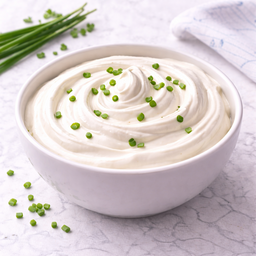 Crème Fraîche
 Fats increase beta-carotene absorption from peach
Technical: Peaches contain beta-carotene (162 ug per 100g) and lutein/zeaxanthin (91 ug) — fat-soluble carotenoids that contribute to the maintenance of normal vision (EFSA-recognized for vitamin A). Fats from creme fraîche or almonds (25mg vitamin E per 100g) form micelles increasing absorption of these carotenoids by 3-5x. Vitamin E also protects carotenoids from oxidation.
What does this mean for you? Serve peaches with a dollop of creme fraîche or roasted almonds. Peach Melba, peach crumble with almonds — all these desserts are nutritionally smarter than they seem. The fat ensures you actually absorb the vitamin A precursors from the peach.
Peach 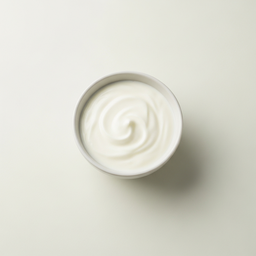 Yogurt
 Pectin + chlorogenic acid + probiotics for microbiome support
Technical: Peach contains 1.5g pectin per 100g and 14mg chlorogenic acid (polyphenol). Pectin ferments to butyrate (short-chain fatty acid) feeding colonocytes and strengthening the gut barrier. Chlorogenic acid inhibits alpha-glucosidase, dampening the postprandial glucose response. Yogurt provides probiotics that improve pectin fermentation and accelerate polyphenol conversion. Choose ripe peaches (more pectin) and full-fat yogurt.
What does this mean for you? Slice a ripe peach into yogurt — the creaminess of the yogurt and the juiciness of the peach make a perfect summer combination. The probiotics in the yogurt optimally utilize the prebiotic fibers and polyphenols from the peach.
Recipes with Peach
Discover delicious recipes featuring peach:
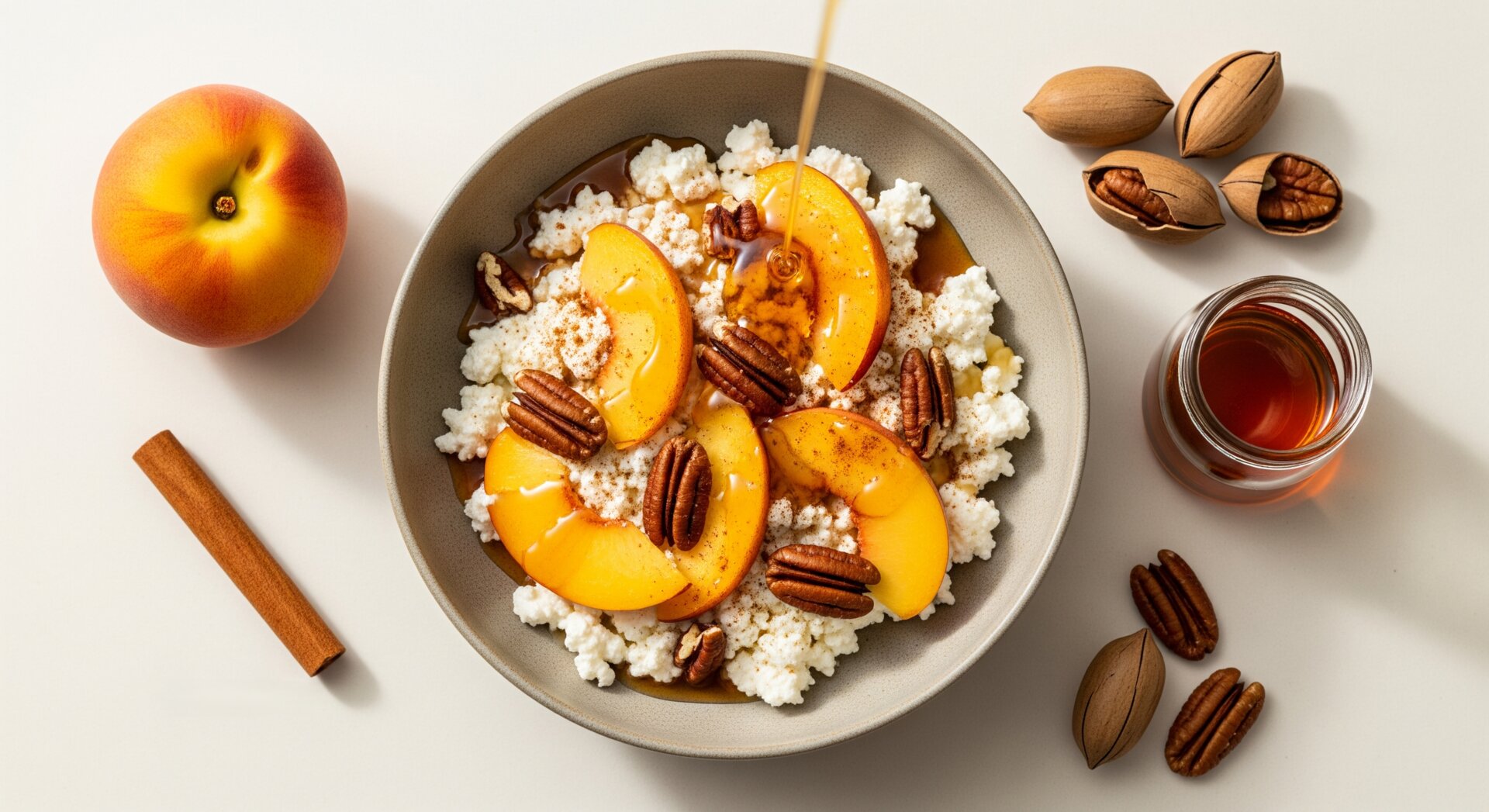 Cottage Cheese Bowl with Peach and Pecans 5 min Creamy morning bowl with fruit and cinnamon
  450 kcal
  28g protein 2 synergies
 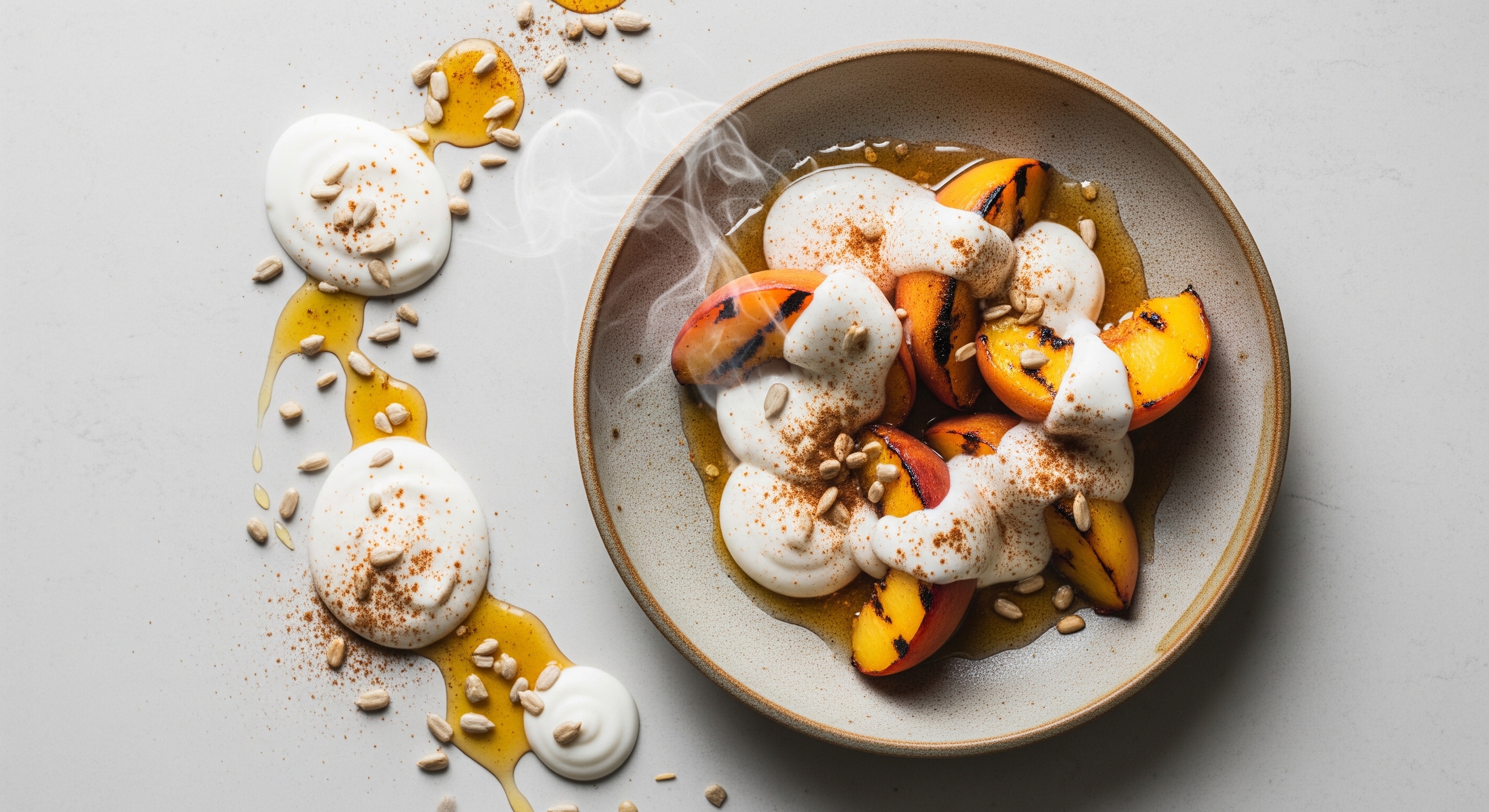 Grilled Peach with Coconut Cream & Honey 13 min Simple paleo dessert with ingredients that may contribute to digestive health and general wellness 185 kcal 3g protein 1 synergies
  In the Kitchen
Storage
Location:Pantry
Shelf life:3-5 dagen op kamertemperatuur, 1 week in koelkast
Let unripe peaches ripen at room temperature. Once ripe, store in refrigerator.
Preparation
Eat fresh, grill, in salads, bake in pies or preserve. Peel by briefly dipping in boiling water.
Conversions
Substitutes
Smart preparation
1Blanch peaches 30 seconds and plunge in ice water to peel them.
2Cut along the seam, twist the halves apart, and remove the pit.
3Grill peaches cut-side down for a caramel effect.
Why?
The sugars in the peach caramelize on direct contact with the heat.
Caution / Warnings
Peach is very safe, but there are scientific considerations:
Stone Fruit Allergy Moderate
Cross-reaction possible with birch pollen or apple allergy
Advice:
With OAS (oral allergy syndrome), heating can deactivate allergens
Traditional use
Traditional Chinese Medicine
Chinese fruit of immortality
In Chinese mythology, the peach symbolizes immortality. The peach tree was cultivated in China over 4000 years ago and is considered a protector against evil spirits.
Summary
Peaches are a perfect summer snack: low in calories, rich in vitamins and with a low glycemic index. Eat the skin for extra antioxidants and choose ripe, fragrant specimens for best flavor and nutrition.