- Medium
- 50 min
- 2 serv.
- 12 synergies
- Now at its best: Red Bell Pepper
A Spanish one-pan meal with golden saffron rice, juicy chicken thighs, tomato, red pepper and green beans. The rice cooks in stock and absorbs all the flavours from the pan.
This is the kind of rice dish that becomes more beautiful as it gently simmers. First, the chicken gets a golden edge in the pan. Then onion, pepper, garlic and tomato pick up that deep flavour and become the base for the rice. Saffron colours everything warm gold and adds a subtle floral aroma that immediately evokes Spain. The green beans stay just firm enough for bite, while the rice softens and absorbs the stock. Serve straight from the pan, so everyone can spoon up the same fragrant, sunny meal.
- 15
- min prep
- 35
- min cook
- 50
- min total
Nutritional Synergies
This recipe combines ingredients that enhance each other:
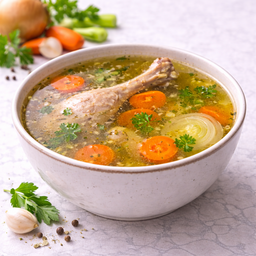 Chicken stock
  Garlic
 Traditional recovery soup with immune support
Technical: Chicken broth's glycine and cysteine support glutathione production (master antioxidant). Garlic's allicin has bioactive action. Together they provide amino acids and bioactive sulfur compounds.
What does this mean for you? Make chicken broth with extra garlic for a comforting, nourishing soup. Glycine + allicin provide bioactive compounds.
Immune SystemAnti-inflammatoryDigestion
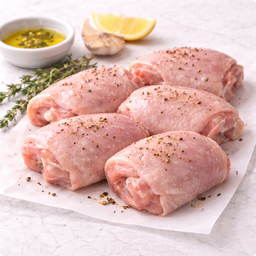 Chicken thighs Garlic
 Classic combination: allicin for flavor and health
Technical: Chicken thighs contain more fat and flavor than breast, plus extra iron and zinc from dark meat. Garlic contains allicin that influences lipid metabolism. The sulfur compounds in garlic also help digest the fat in thighs.
What does this mean for you? Cook chicken thighs with lots of garlic — this is the basis of dishes like 'chicken with 40 cloves of garlic' and Moroccan tajines. The fat in thighs makes chicken juicier and garlic softer.
HeartImmune System
 Olive oil Garlic
 Aglio e olio: allicin + oleocanthal via complementary biochemical pathways
Technical: Garlic contains allicin (formed when cutting/crushing) that influences HMG-CoA reductase (involved in lipid metabolism). Olive oil contains oleocanthal that modulates COX-1/2 enzymes. Together they influence lipid metabolism and prostaglandin cascade via complementary biochemical pathways. The fat also helps absorb fat-soluble garlic compounds.
What does this mean for you? Gently warm garlic in olive oil (don't burn!) as the base for many dishes. This is why 'aglio e olio' pasta is so beloved — two bioactive compounds that reinforce each other.
HeartImmune System
Olive oil 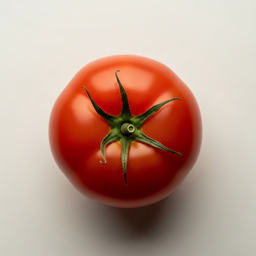 Tomato
 Mediterranean golden rule: fat increases lycopene absorption 4x
Fat significantly increases lycopene bioavailability (PMID: 15927929)
Technical: Tomatoes contain lycopene (3-7mg per 100g), a carotenoid with strong antioxidant action. Lycopene is fat-soluble with only 10-15% absorption without fat. Olive oil increases this to 40-60% (2.5-4x improvement). Cooking further increases lycopene bioavailability.
What does this mean for you? Always add olive oil to tomato dishes — sauces, salads, bruschetta. This is why Mediterranean cuisine is so healthy. Cooked tomatoes with olive oil = maximum lycopene.
HeartSkin & Hair
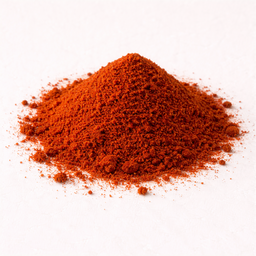 Paprika Olive oil
 3x better carotenoid absorption with fats
Technical: Paprika powder is extremely rich in carotenoids: beta-carotene, capsanthin and cryptoxanthin. These are all fat-soluble with only 5-10% absorption without fat. Olive oil or butter create micelles increasing absorption up to 3x. Additionally, vitamin E from olive oil protects carotenoids from oxidation.
What does this mean for you? Always briefly fry paprika powder in oil or butter before adding liquid. This activates the color and increases vitamin absorption up to 3x — the basis of Hungarian goulash.
Skin & HairImmune System
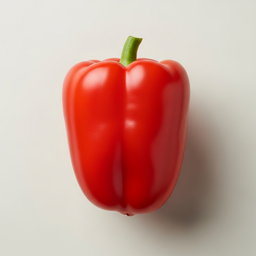 Red pepper Olive oil
 Fat improves carotenoid absorption
Technical: Red pepper contains 3131μg beta-carotene per 100g — significantly more than green (208μg). Carotenoids are absorbed via passive transport with mixed micelles. Oleic acid (73% of olive oil) forms these micelles and increases beta-carotene absorption up to 5x (American Journal of Clinical Nutrition).
What does this mean for you? Roasted pepper with olive oil isn't just tasty but increases beta-carotene absorption up to 5x. Your body can barely absorb it without fat.
Immune SystemSkin & Hair
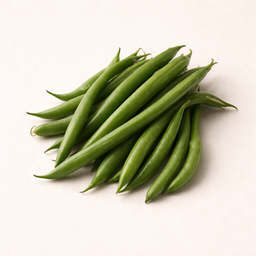 Green beans Olive oil
 Fat essential for vitamin K absorption from green beans
Technical: Green beans contain 43μg vitamin K per 100g (36% RDI) — vitamin K contributes to normal blood clotting and the maintenance of normal bones (EFSA-approved). Vitamin K is fat-soluble and absorbed via bile salt micelles. Olive oil influences bile release and provides fats for micelle formation, increasing K absorption 3x.
What does this mean for you? Sauté green beans in olive oil or serve with dressing. Without fat you barely absorb vitamin K.
JointsGeneral Wellness
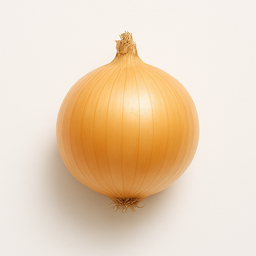 Onion Garlic
 More than 20 organosulfur compounds in one soffritto
Technical: Onion contains diallyl disulfide and quercetin (20-40mg/100g). Garlic contains allicin, ajoene and S-allylcysteine. Together they provide more than 20 different organosulfur compounds that modulate NF-κB. Allium crops are intensively studied in nutrition science for their unique sulfur chemistry.
What does this mean for you? Start every dish with sautéed onion and garlic — not just for flavor, but for the unique concentration of organosulfur compounds. Cut garlic 10 minutes before heating to allow allicin formation.
DigestionImmune System
Onion Tomato Quercetin + lycopene: synergistic polyphenol-carotenoid combination
Technical: Quercetin from onion (20-40mg/100g) and lycopene from tomato (2573μg/100g) work through different mechanisms. Quercetin chelates metal ions and modulates lipid peroxidation, lycopene quenches singlet oxygen. Combined polyphenols and carotenoids work synergistically — the combination works through complementary mechanisms.
What does this mean for you? Tomato sauce with onion is the base of nearly every Mediterranean cuisine — and rightly so. Quercetin and lycopene enhance each other's action through complementary biochemical pathways. Cooking in olive oil makes carotenoids more absorbable.
HeartAnti-inflammatory
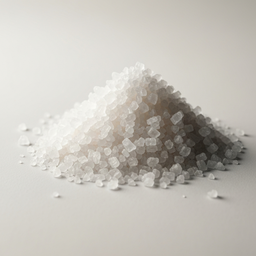 Sea salt Tomato
 Minerals improve flavor perception and electrolyte balance
Technical: Sea salt contains trace minerals (magnesium, potassium, calcium) besides sodium. Tomato is rich in potassium (237mg/100g) and lycopene. Avocado adds magnesium (29mg) and potassium (485mg). Together they form a broad electrolyte profile: sodium (salt) + potassium (tomato/avocado) + magnesium (avocado) — essential for fluid balance and nerve function.
What does this mean for you? Sprinkle tomato and avocado with a pinch of sea salt. This is more than flavor — the minerals complement each other for a complete electrolyte balance.
HeartEnergy
Sea salt Olive oil Minerals + polyphenols for cellular balance
Technical: Sea salt's sodium is essential for the sodium-potassium pump (Na+/K+-ATPase) that regulates every body cell. Olive oil's oleuropein and hydroxytyrosol provide antioxidant protection for cell membranes. The combination supports cell integrity: sea salt regulates ion balance, olive oil protects the membrane. In Mediterranean cuisine, coarse sea salt + olive oil is the most basic flavor profile.
What does this mean for you? Freshly ground sea salt with extra virgin olive oil is the simplest and most nutritious finishing of any dish. The combination provides the basic needs of your cells: minerals for function, polyphenols for protection.
HeartGeneral Wellness
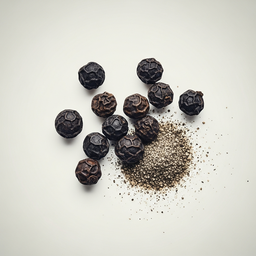 Black pepper Olive oil
 Fat increases piperine absorption and enhances polyphenols
Technical: Piperine is fat-soluble and absorbed 2-3x better with dietary fat. Olive oil's oleocanthal and piperine both modulate COX signal transduction through different mechanisms, providing additive bioactive effect.
What does this mean for you? Grind fresh pepper over salads with olive oil dressing. The combination enhances both pepper absorption and bioactive action.
Anti-inflammatoryHeartDigestion
Ingredients (13)
- Chicken thighs — 350 g boneless, cut into large pieces
-
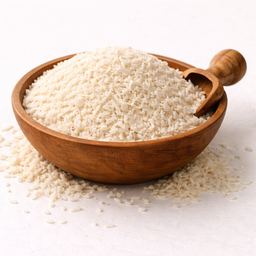 Rice — 180 g preferably paella or short-grain rice, well rinsed
 -
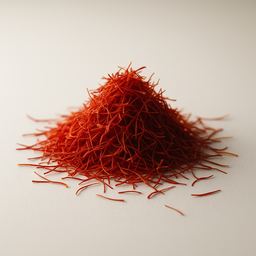 Saffron — 0.1 g small pinch
Instructions
- 1 Soak the saffron for at least 10 minutes in 2 tablespoons of warm stock. Pat the chicken thighs dry and season with paprika, salt and black pepper.
- 2 Cut the pepper into strips, dice the onion, finely chop the garlic, chop or grate the tomato and halve the green beans. Rinse the rice until the water runs almost clear.
Nutrition per serving
Indicative values per serving.
Timing & Suitability
Shelf life: 3 days in fridge