- Medium
- 45 min
- 3 serv.
- 11 synergies
- Now at its best: Eggplant
Thai red curry with tender chicken breast, coconut milk, eggplant, red bell pepper and green beans. Served over fragrant jasmine rice with fresh kaffir lime and basil.
The deep red curry paste dissolves into creamy coconut milk, turning the sauce a warm orange. Tender cubes of chicken breast simmer along until they absorb the spicy flavors, while eggplant turns silky soft and green beans retain their bite. Kaffir lime leaves add a citrusy freshness that sings through the entire dish. A scoop of fragrant jasmine rice catches the rich sauce.
- 15
- min prep
- 30
- min cook
- 45
- min total
Nutritional Synergies
This recipe combines ingredients that enhance each other:
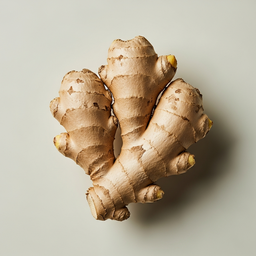 Ginger
 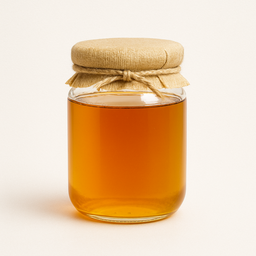 Honey
Honey Classic combination: warming herbal drink with honey
Technical: Ginger's gingerol modulates COX-2 and has antiemetic action (suppresses nausea via 5-HT3 receptor blockade). Honey's glucose oxidase produces hydrogen peroxide with bioactive action, while honey physically coats and soothes the throat. Together: bioactive modulation + throat protection.
What does this mean for you? Ginger tea with honey is a classic, warming combination. The ginger provides gingerol, the honey a smooth, sweet layer.
Immune System
Honey 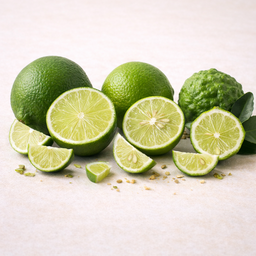 Lime
Lime Honey enzymes + vitamin C for dual immune support
Technical: Honey's glucose oxidase generates hydrogen peroxide with bioactive action. Lime's vitamin C (ascorbic acid) is a powerful antioxidant that directly supports immune cells. Together they provide both direct bioactive action and immune cell activation.
What does this mean for you? Honey-lime drink is a classic combination for good reason — it works through two different pathways for your immune support.
Immune SystemEnergyAnti-inflammatory
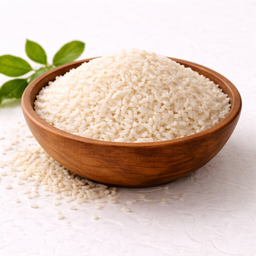 Jasmine Rice Ginger
 Asian staple combo: ginger improves rice digestion
Technical: Jasmine rice has a relatively high glycemic index (GI 68-80). Ginger contains gingerols that speed gastric emptying and can reduce glycemic response by 10-15%. Ginger also stimulates amylase activity, improving starch digestion.
What does this mean for you? Cook rice with ginger slices (remove before serving) or serve with ginger stir-fry. This is why ginger is so central to Asian cuisine with rice dishes.
DigestionBlood Sugar
Jasmine Rice 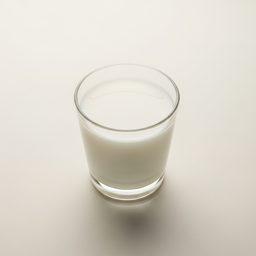 Coconut Milk
 Coconut milk lowers glycemic response of rice
Technical: MCTs (medium-chain triglycerides) in coconut milk slow gastric emptying and reduce the glycemic index of rice by 20-30%. The fat also improves absorption of fat-soluble nutrients in the meal.
What does this mean for you? Cook your rice in coconut milk (1:1 water:coconut milk ratio) for creamier, healthier rice. This is the basis of many Thai and Indonesian rice dishes.
Blood SugarEnergy
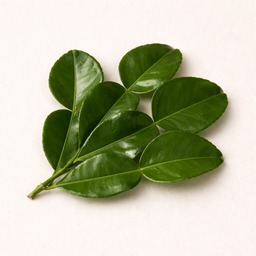 Makrut Lime Leaf Ginger
 Citronellol + gingerols for aromatic digestion
Technical: Kaffir lime leaf contains citronellol (30-40%) and limonene (20%) — terpenes with bioactive and anxiolytic action. Ginger's gingerols promote gastric motility and bile flow. The combination offers multi-level digestive support: kaffir lime's terpenes calm the gut nervous system (enteric nervous system), ginger activates mechanical digestion. This is the scientific basis behind Tom Kha Gai (coconut soup).
What does this mean for you? Use kaffir lime leaf with ginger in Thai soups and curries. Tear the leaf for maximum aromatic release. The combination makes fatty coconut dishes easier to digest.
DigestionStress Relief
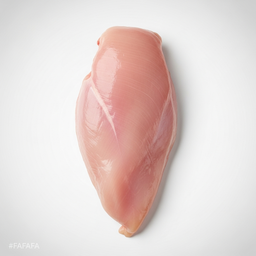 Chicken Breast Ginger
 Gingerols improve protein digestion and modulate the inflammatory response
Technical: Chicken breast contains 31g high-quality protein per 100g. Ginger contains gingerols that stimulate proteolytic enzymes (pepsin, trypsin), breaking down proteins more efficiently. Ginger also reduces formation of AGEs (Advanced Glycation End-products) when cooking meat.
What does this mean for you? Marinate chicken with fresh ginger or add ginger when cooking. This is the basis of many Asian chicken dishes (ginger chicken, congee) and improves both flavor and digestibility.
Muscle GainDigestionAnti-inflammatory
Coconut Milk Honey MCTs + prebiotics for gut flora and energy
Technical: Coconut milk contains lauric acid (MCT) that is quickly converted to energy. Honey contains prebiotic oligosaccharides (FOS) feeding beneficial gut bacteria. The combination offers quick energy plus gut flora support.
What does this mean for you? Add honey to coconut milk-based smoothies, chia puddings or warm drinks. The MCTs provide quick energy while the prebiotics feed your gut flora.
EnergyDigestionImmune System
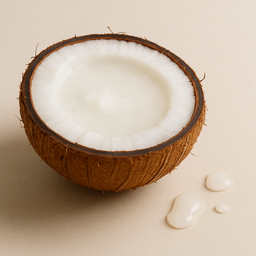 Coconut Oil Honey
 MCTs protect honey enzymes — complementary bioactive compounds
Technical: Coconut oil contains lauric acid (48%), a medium-chain fatty acid (MCT). Honey contains glucose oxidase producing hydrogen peroxide. Together they provide complementary bioactive compounds. MCTs also help preserve fat-soluble compounds in honey.
What does this mean for you? Combine coconut oil with honey in energy balls, granola or as coating for snacks. The combination is both flavorful and functional.
Immune SystemEnergyDigestion
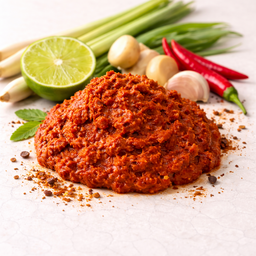 Red Curry Paste Ginger
 Red chili spices + gingerols for synergistic digestion
Technical: Red curry paste's galangal and ginger belong to the same Zingiberaceae family but contain complementary bioactive compounds. Galangal's ACA (acetoxychavicol acetate) modulates NF-kB, ginger's gingerols modulate COX-2 — different signaling pathways. Together with capsaicin (TRPV1 activation) they offer three-way bioactive action. Ginger's prokinetic action also helps digest the fatty curry dish.
What does this mean for you? Add extra fresh ginger to red curry alongside the galangal already in the paste. They're family but complement each other — stronger together than apart.
Anti-inflammatoryDigestion
Red Curry Paste Coconut Milk Red chili paste + MCT fats for optimal capsaicin absorption
Technical: Red curry paste contains dried red peppers (capsaicin 0.5-2%), galangal (ACA), lemongrass (citral) and shrimp paste (umami + omega-3). Coconut milk's MCTs and lauric acid form micelles that make capsaicin and other fat-soluble compounds 3-5x more absorbable. Coconut fat also buffers capsaicin irritation on the stomach wall through coating. The combination explains why Thai red curry is always made with coconut milk.
What does this mean for you? Red curry without coconut milk is not only less tasty but also less healthy. The coconut milk dissolves active compounds and protects your stomach from the spiciness.
Anti-inflammatoryImmune SystemWeight Loss
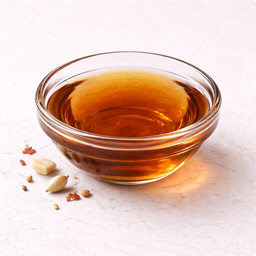 Fish Sauce Lime
 Umami + acid for perfect Thai balance
Technical: Fish sauce contains free glutamate (umami) from prolonged fish fermentation. Lime contains citric acid that lowers pH and enhances umami flavor perception. Citric acid also stimulates saliva and gastric acid production, improving protein digestion from the dish.
What does this mean for you? Combine fish sauce with lime as base for Thai dressings and dipping sauces. The acid from lime intensifies the umami from fish sauce — the core of Thai cuisine.
Digestion
Ingredients (15)
+12 more ingredientsInstructions
- 1 Cook the jasmine rice according to package instructions. Keep warm under a lid.
- 2 Heat the coconut oil in a wok over medium-high heat. Fry the red curry paste with the grated ginger for 1 minute until fragrant.
Nutrition per serving
Indicative values per serving.
Timing & Suitability
Shelf life: 3 days in fridge
Tags & Diet
Allergens: Fish