Red Curry Paste
Homemade Thai spice paste
What is this ingredient?
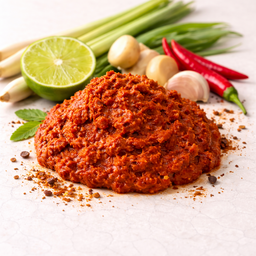
Red curry paste combines dried red chilies with aromatic ingredients such as lemongrass, galangal, garlic, shallots and coriander seed. The paste is concentrated: a small amount already adds color, heat, citrus-like freshness and spicy depth to curries, soups, marinades and stir-fries.
## Capsaicin & spicy warmth
Red chilies contain capsaicin, the compound responsible for their recognizable heat. Whiting et al. (2014) discussed capsaicinoids in research on energy expenditure and weight management. In cooking, capsaicin mainly brings warmth, a tingling mouthfeel and a long finish.
## Citral & aromatic freshness
Lemongrass and galangal provide citrus-like and ginger-like aromas. Citral is an important aroma compound in lemongrass and is studied in laboratory and food research as an aromatic plant compound. In red curry paste it adds freshness alongside the deep, warm flavor of chili and spices.
## Spice balance
The strength of curry paste lies in balance: chili gives heat, lemongrass brings freshness, galangal adds spicy sharpness, garlic and shallots bring savory depth, and coriander seed adds a round, lightly floral note. Briefly frying the paste in oil helps release fat-soluble aromas before adding coconut milk, stock or vegetables.
How does it taste?
Warm and spicy with a full aromatic chili flavor, citrus-like freshness and herbal depth.
Pairs well with:
Pairs well with coconut milkshrimpbamboo shootspumpkin and basil.
Did you know...?
- Red curry paste gets its color from dried red chili peppers, not tomatoes.
- In Thailand, curry paste is traditionally prepared with a mortar and pestle, not in a blender.
Nutritional Value & Energy
Per 100g
Red Curry Paste provides energy thanks to natural nutrients .
Per 100g
Minerals
Vitamins
More nutrients
B-Vitamins
Trace Minerals
What's in a serving?
1 serving
Red Curry Paste naturally contains vitamin c (4.85 mg per 100 g paste). At typical spice usage (2–22.5 g), the contribution is limited.
Red Curry Paste naturally contains vitamin a (129.61 mcg per 100 g paste). At typical spice usage (2–22.5 g), the contribution is limited.
% of daily reference intake (DRI)
EU-approved nutrition claims
This ingredient contains nutrients for which EFSA-authorized health claims exist (at nutrient level, not ingredient-specific).
Approved health claims (EU)
Vitamin_a EU 432/2012
Vitamin A contributes to the normal function of the immune system
Contains 129.61mcg/100g (threshold: ≥120mcg/100g)
Vitamin_a EU 432/2012
Vitamin A contributes to the maintenance of normal skin
Contains 129.61mcg/100g (threshold: ≥120mcg/100g)
Vitamin_a EU 432/2012
Vitamin A contributes to the maintenance of normal mucous membranes
Contains 129.61mcg/100g (threshold: ≥120mcg/100g)
Vitamin_a EU 432/2012
Vitamin A contributes to the maintenance of normal vision
Contains 129.61mcg/100g (threshold: ≥120mcg/100g)
Vitamin_a EU 432/2012
Vitamin A contributes to normal iron metabolism
Contains 129.61mcg/100g (threshold: ≥120mcg/100g)
Vitamin_a EU 432/2012
Vitamin A has a role in the process of cell specialisation
Contains 129.61mcg/100g (threshold: ≥120mcg/100g)
What's being researched?
Aromatic compounds in red curry
The combination of red chilies, galangal and lemongrass in red curry paste is studied for capsaicinoids, citral, polyphenols and their role in flavor, aroma and culinary use.
Supported by: [1] Whiting S (2014) , [2] Melo CR (2020) , [3] Platel K (2004)
Good Combinations (Synergy)
Combine red curry paste smartly to enhance the effect:
Red Curry Paste 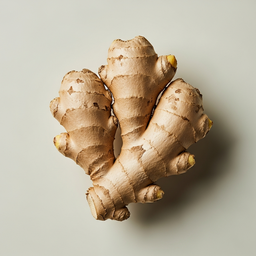 Ginger
 Red chili spices + gingerols for synergistic digestion
Technical: Red curry paste's galangal and ginger belong to the same Zingiberaceae family but contain complementary bioactive compounds. Galangal's ACA (acetoxychavicol acetate) modulates NF-kB, ginger's gingerols modulate COX-2 — different signaling pathways. Together with capsaicin (TRPV1 activation) they offer three-way bioactive action. Ginger's prokinetic action also helps digest the fatty curry dish.
What does this mean for you? Add extra fresh ginger to red curry alongside the galangal already in the paste. They're family but complement each other — stronger together than apart.
Red Curry Paste  Coconut Milk
 Red chili paste + MCT fats for optimal capsaicin absorption
Technical: Red curry paste contains dried red peppers (capsaicin 0.5-2%), galangal (ACA), lemongrass (citral) and shrimp paste (umami + omega-3). Coconut milk's MCTs and lauric acid form micelles that make capsaicin and other fat-soluble compounds 3-5x more absorbable. Coconut fat also buffers capsaicin irritation on the stomach wall through coating. The combination explains why Thai red curry is always made with coconut milk.
What does this mean for you? Red curry without coconut milk is not only less tasty but also less healthy. The coconut milk dissolves active compounds and protects your stomach from the spiciness.
Recipes with Red Curry Paste
Discover delicious recipes featuring red curry paste:
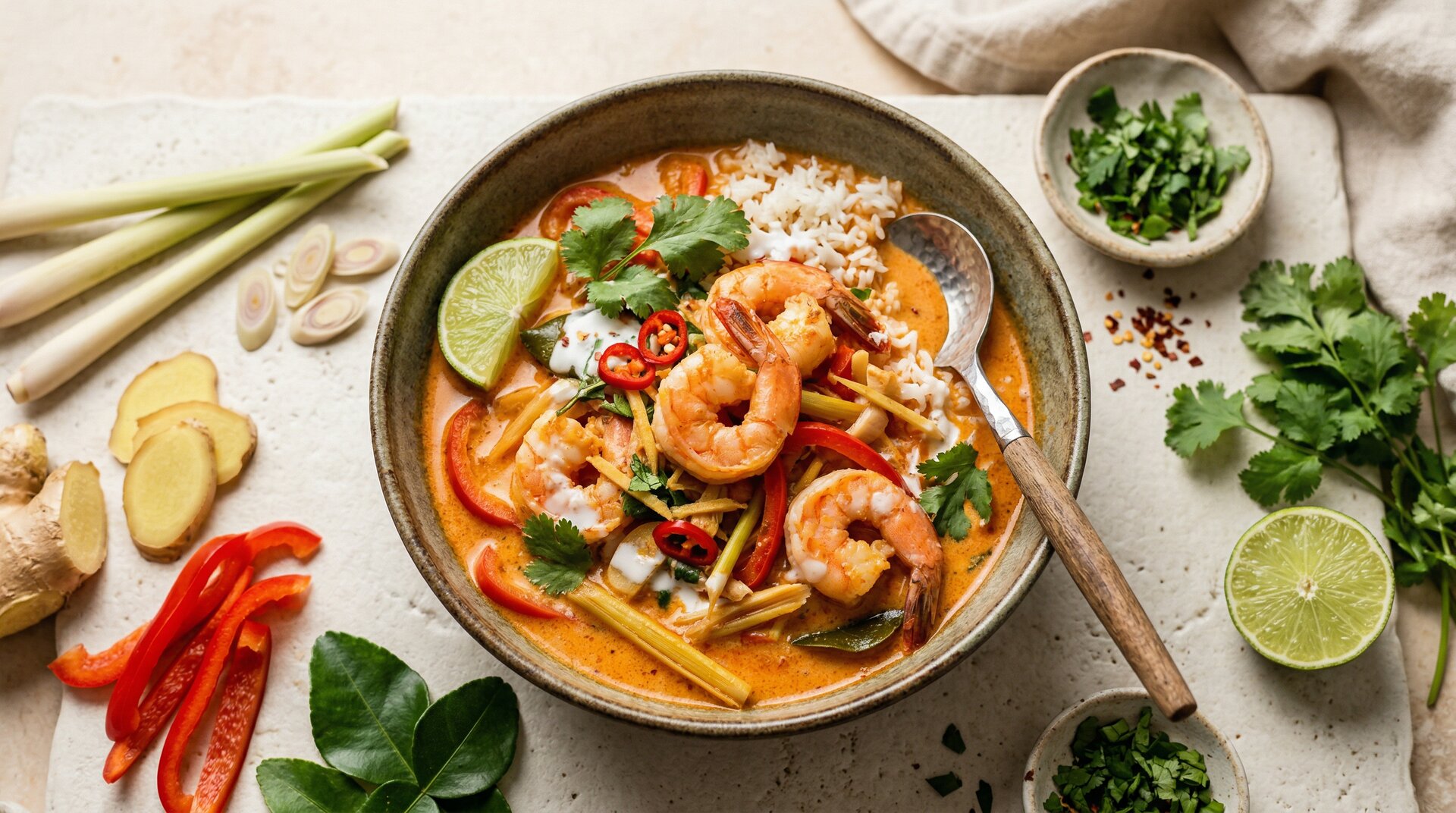 Thai Shrimp Coconut Curry 35 min Creamy red curry with shrimp, lemongrass and ginger
  620 kcal
  34g protein 2 synergies
 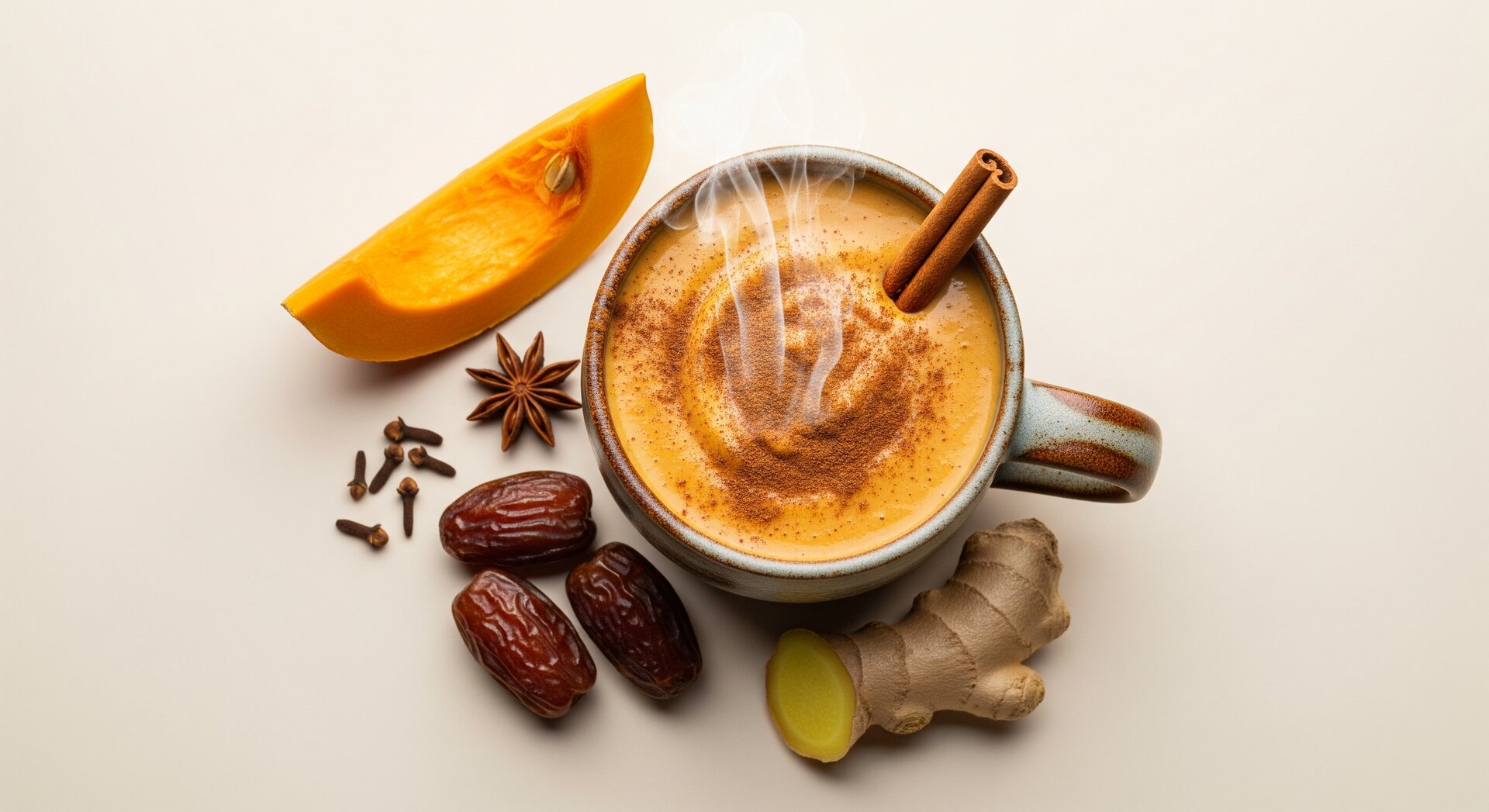 Thai Coconut Curry Soup 45 min Creamy coconut soup with red curry, chicken, mushrooms and lime 540 kcal 22g protein 2 synergies
 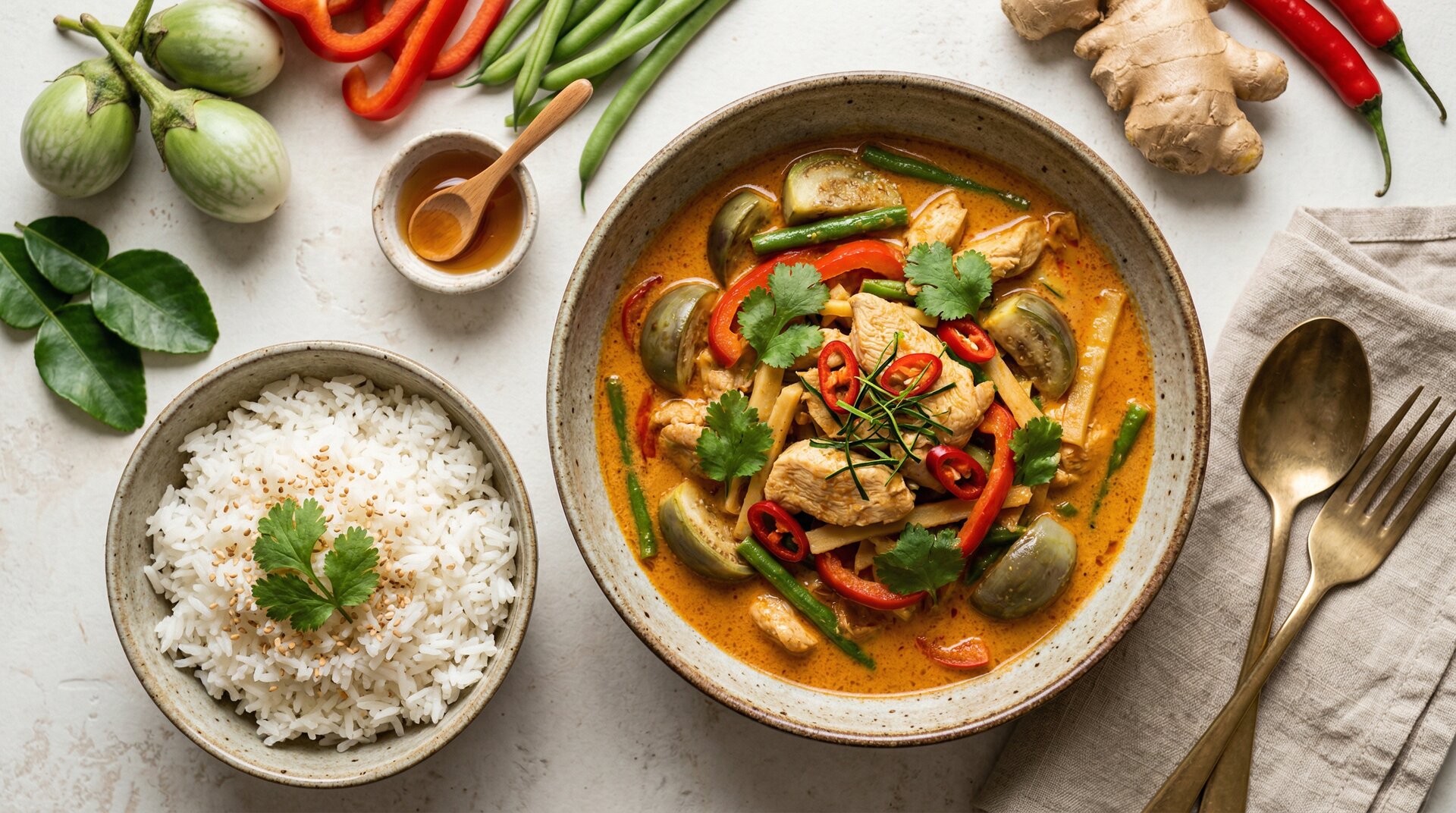 Thai Red Curry with Coconut Milk, Chicken & Jasmine Rice 45 min Creamy red curry with tender chicken, eggplant and green beans 782 kcal 38g protein 1 synergies
  In the Kitchen
Storage
Location:Refrigerator
Shelf life:2 weken in koelkast, maanden in vriezer
Preparation
Fry briefly in oil to release aromas before adding coconut milk, stock or vegetables.
Conversions
Substitutes
Smart preparation
1Fry red curry paste for 1–2 minutes in oil until fragrant.
Why?
This blooms the spices and helps release fat-soluble aromas.
2Add coconut milk in stages to the curry paste for a smooth sauce.
3Store opened curry paste with a thin layer of oil in the fridge.
Caution / Warnings
Red Curry Paste is very safe, but there are scientific considerations:
Ulcers/GERD Moderate
Spicy ingredients may worsen stomach discomfort or reflux in sensitive people.
Traditional use
Southeast Asian
Red curry paste in Thai tradition
Red curry paste is a classic Thai ingredient made with dried red chilies, garlic, shallots, lemongrass, galangal and often shrimp paste, traditionally pounded in a stone mortar.
Summary
Red curry paste is a concentrated Thai flavor base with chili, lemongrass, galangal, garlic and coriander seed. Use a small amount for heat, citrus-like freshness and spicy depth. Fry the paste briefly in oil before adding coconut milk or stock.