Quinoa
Andean seed with a mildly nutty taste, plant protein and magnesium
What is this ingredient?
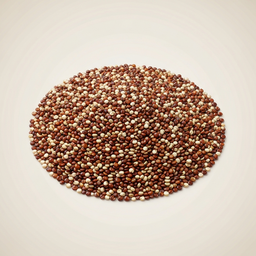
Quinoa (Chenopodium quinoa) is botanically not a grain, but a seed from the amaranth family, related to foods such as spinach and beet. In Andean cooking, quinoa has been used for centuries in porridges, soups, stews, salads and simple everyday meals. The Incas often called it 'chisaya mama', the mother of all grains, a name that mainly reflects the crop's cultural and agricultural value.
In the kitchen, quinoa stands out for its short cooking time, light bite and mildly nutty flavour. It naturally contains protein with all 9 essential amino acids, which is notable for a plant-based staple. Quinoa also provides nutrients such as magnesium, folate, phosphorus, manganese and copper. The outer layer contains saponins: natural plant compounds that can taste bitter and are therefore usually rinsed away before cooking.
How does it taste?
Mildly nutty and grassy, with a subtle bitterness and a small crunchy bite when the grains are cooked fluffy.
Pairs well with:
Pairs well with avocadolimecilantroblack beansroasted vegetablesfeta and fresh yogurt dressings.
Did you know...?
- The Incas called quinoa 'chisaya mama', often translated as 'mother of all grains'.
- Quinoa is botanically not a grain but a seed, related to spinach and beets.
- The United Nations declared 2013 the International Year of Quinoa.
Nutritional Value & Energy
Per 100g
Quinoa provides energy thanks to natural nutrients , buffered by fiber.
Per 100g
Minerals
Vitamins
Omega-3 fatty acids
More nutrients
B-Vitamins
Trace Minerals
Low GI means blood sugar doesn't spike quickly.
What's in a serving?
1 serving (dry)
Quinoa naturally contains folate (42 mcg per 100 g).
Quinoa naturally contains magnesium (64 mg per 100 g).
Quinoa naturally contains vitamin E (2.4 mg per 100 g).
Quinoa naturally contains selenium (8.5 mcg per 100 g).
Quinoa naturally contains phosphorus (152 mg per 100 g).
Quinoa naturally contains manganese (1.09 mg per 100 g).
Quinoa naturally contains copper (0.19 mg per 100 g).
% of daily reference intake (DRI)
EU-approved nutrition claims
This ingredient contains nutrients for which EFSA-authorized health claims exist at nutrient level, not as quinoa-specific claims.
Approved health claims (EU)
Magnesium EU 432/2012
Magnesium contributes to normal muscle function
Contains 64mg/100g (threshold: ≥56.25mg/100g)
Magnesium EU 432/2012
Magnesium contributes to the reduction of tiredness and fatigue
Contains 64mg/100g (threshold: ≥56.25mg/100g)
Magnesium EU 432/2012
Magnesium contributes to normal functioning of the nervous system
Contains 64mg/100g (threshold: ≥56.25mg/100g)
Folate EU 432/2012
Folate contributes to normal blood formation
Contains 42mcg/100g (threshold: ≥30mcg/100g)
Folate EU 432/2012
Folate contributes to normal amino acid synthesis
Contains 42mcg/100g (threshold: ≥30mcg/100g)
Folate EU 432/2012
Folate contributes to normal homocysteine metabolism
Contains 42mcg/100g (threshold: ≥30mcg/100g)
Folate EU 432/2012
Folate contributes to normal psychological function
Contains 42mcg/100g (threshold: ≥30mcg/100g)
Folate EU 432/2012
Folate contributes to the normal function of the immune system
Contains 42mcg/100g (threshold: ≥30mcg/100g)
Folate EU 432/2012
Folate has a role in the process of cell division
Contains 42mcg/100g (threshold: ≥30mcg/100g)
Folate EU 432/2012
Folate contributes to maternal tissue growth during pregnancy
Contains 42mcg/100g (threshold: ≥30mcg/100g)
Vitamin_e EU 432/2012
Vitamin E contributes to the protection of cells from oxidative stress
Contains 2.4mg/100g (threshold: ≥1.8mg/100g)
Phosphorus EU 432/2012
Phosphorus contributes to normal energy-yielding metabolism
Contains 152mg/100g (threshold: ≥105mg/100g)
Phosphorus EU 432/2012
Phosphorus contributes to the normal function of cell membranes
Contains 152mg/100g (threshold: ≥105mg/100g)
Phosphorus EU 432/2012
Phosphorus contributes to the maintenance of normal bones
Contains 152mg/100g (threshold: ≥105mg/100g)
Phosphorus EU 432/2012
Phosphorus contributes to the maintenance of normal teeth
Contains 152mg/100g (threshold: ≥105mg/100g)
Magnesium EU 432/2012
Magnesium contributes to normal energy-yielding metabolism
Contains 64mg/100g (threshold: ≥56.25mg/100g)
Magnesium EU 432/2012
Magnesium contributes to electrolyte balance
Contains 64mg/100g (threshold: ≥56.25mg/100g)
Magnesium EU 432/2012
Magnesium contributes to normal protein synthesis
Contains 64mg/100g (threshold: ≥56.25mg/100g)
Magnesium EU 432/2012
Magnesium contributes to normal psychological function
Contains 64mg/100g (threshold: ≥56.25mg/100g)
Magnesium EU 432/2012
Magnesium contributes to the maintenance of normal bones
Contains 64mg/100g (threshold: ≥56.25mg/100g)
Magnesium EU 432/2012
Magnesium contributes to the maintenance of normal teeth
Contains 64mg/100g (threshold: ≥56.25mg/100g)
Magnesium EU 432/2012
Magnesium has a role in the process of cell division
Contains 64mg/100g (threshold: ≥56.25mg/100g)
Copper EU 432/2012
Copper contributes to the maintenance of normal connective tissues
Contains 0.19mg/100g (threshold: ≥0.15mg/100g)
Copper EU 432/2012
Copper contributes to normal energy-yielding metabolism
Contains 0.19mg/100g (threshold: ≥0.15mg/100g)
Copper EU 432/2012
Copper contributes to normal functioning of the nervous system
Contains 0.19mg/100g (threshold: ≥0.15mg/100g)
Copper EU 432/2012
Copper contributes to normal hair pigmentation
Contains 0.19mg/100g (threshold: ≥0.15mg/100g)
Copper EU 432/2012
Copper contributes to normal iron transport in the body
Contains 0.19mg/100g (threshold: ≥0.15mg/100g)
Copper EU 432/2012
Copper contributes to normal skin pigmentation
Contains 0.19mg/100g (threshold: ≥0.15mg/100g)
Copper EU 432/2012
Copper contributes to the normal function of the immune system
Contains 0.19mg/100g (threshold: ≥0.15mg/100g)
Copper EU 432/2012
Copper contributes to the protection of cells from oxidative stress
Contains 0.19mg/100g (threshold: ≥0.15mg/100g)
Manganese EU 432/2012
Manganese contributes to normal energy-yielding metabolism
Contains 1.09mg/100g (threshold: ≥0.3mg/100g)
Manganese EU 432/2012
Manganese contributes to the maintenance of normal bones
Contains 1.09mg/100g (threshold: ≥0.3mg/100g)
Manganese EU 432/2012
Manganese contributes to the normal formation of connective tissue
Contains 1.09mg/100g (threshold: ≥0.3mg/100g)
Manganese EU 432/2012
Manganese contributes to the protection of cells from oxidative stress
Contains 1.09mg/100g (threshold: ≥0.3mg/100g)
Selenium EU 432/2012
Selenium contributes to the maintenance of normal hair
Contains 8.5mcg/100g (threshold: ≥8.25mcg/100g)
Selenium EU 432/2012
Selenium contributes to the maintenance of normal nails
Contains 8.5mcg/100g (threshold: ≥8.25mcg/100g)
Selenium EU 432/2012
Selenium contributes to the normal function of the immune system
Contains 8.5mcg/100g (threshold: ≥8.25mcg/100g)
Selenium EU 432/2012
Selenium contributes to normal thyroid function
Contains 8.5mcg/100g (threshold: ≥8.25mcg/100g)
Selenium EU 432/2012
Selenium contributes to normal spermatogenesis
Contains 8.5mcg/100g (threshold: ≥8.25mcg/100g)
Selenium EU 432/2012
Selenium contributes to the protection of cells from oxidative stress
Contains 8.5mcg/100g (threshold: ≥8.25mcg/100g)
What's being researched?
Quinoa and bioactive plant compounds
Saponins, flavonoids and other quinoa compounds are studied in laboratory, animal and nutrition research. The literature mainly describes composition, processing, bioavailability and possible roles within a varied diet; well-designed human intervention studies remain more limited.
Supported by: [2] Graf (2015) , [1] Vega-Gálvez (2010)
Quinoa as a source of plant protein
Quinoa's amino acid profile is studied in the context of plant-based nutrition, with attention to lysine, sulphur-containing amino acids, digestibility and comparison with common grains. This makes quinoa interesting for recipes where variety in plant protein sources matters.
Supported by: [2] Graf (2015)
Good Combinations (Synergy)
Combine quinoa smartly to enhance the effect:
Quinoa 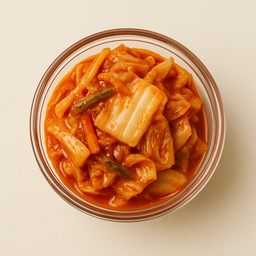 Kimchi
 Probiotics + prebiotic fibers: synbiotic combination
Technical: Kimchi contains live Lactobacillus strains (L. plantarum, L. brevis) with probiotic action. Quinoa contains resistant starch that reaches the large intestine undigested, serving as a prebiotic — food for the probiotic bacteria. This synbiotic combination increases lactobacilli survival in the gut by 2-4x compared to probiotics alone.
What does this mean for you? Serve kimchi over a quinoa bowl — the quinoa literally feeds the good bacteria from kimchi, so they survive longer in your gut.
Quinoa 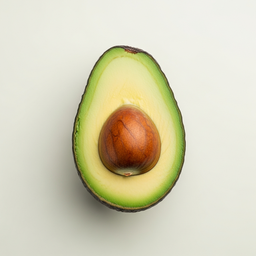 Avocado
 Fat increases absorption of quinoa's fat-soluble vitamins
Technical: Quinoa contains vitamin E (2.4mg/100g), beta-carotene and other carotenoids that are fat-soluble. Avocado contains 15g healthy fats that stimulate micelle formation in the gut and increase absorption of these vitamins by 3-5x. Avocado also provides extra potassium (485mg).
What does this mean for you? Add avocado to your quinoa salad or bowl. This increases not only satiety through the fats but also nutrient absorption.
Quinoa 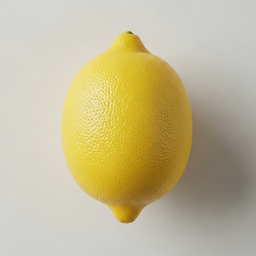 Lemon
Lemon Vitamin C increases iron absorption from quinoa by 3-6x
Technical: Quinoa contains 1.5mg non-heme iron per 100g cooked. Non-heme iron has low bioavailability (5-12%). Vitamin C from lemon (53mg/100g) reduces Fe³⁺ to Fe²⁺ and prevents phytate binding, increasing absorption 3-6x. This is the basis of tabbouleh-style quinoa salads.
What does this mean for you? Make quinoa tabbouleh with fresh lemon juice, parsley, tomato and cucumber. The lemon juice not only makes it fresher but also maximizes iron absorption.
Quinoa 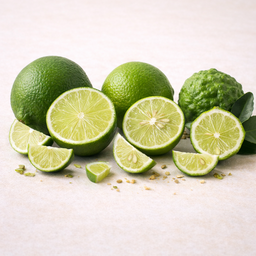 Lime
Lime Vitamin C increases iron absorption from quinoa by 3-6x
Technical: Quinoa contains 1.5mg non-heme iron per 100g cooked. Non-heme iron has low bioavailability (5-12%). Vitamin C from lemon (53mg/100g) reduces Fe³⁺ to Fe²⁺ and prevents phytate binding, increasing absorption 3-6x. This is the basis of tabbouleh-style quinoa salads.
What does this mean for you? Make quinoa tabbouleh with fresh lemon juice, parsley, tomato and cucumber. The lemon juice not only makes it fresher but also maximizes iron absorption.
Quinoa 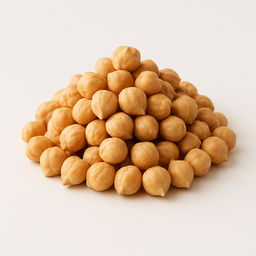 Chickpeas
 Enhanced protein profile: methionine + lysine complete
Technical: Quinoa already contains all essential amino acids but is relatively low in methionine. Chickpeas are rich in lysine but low in methionine. Together they form an optimal complete protein profile with PDCAAS close to 1.0. This combination is traditional in North African and Middle Eastern cuisines.
What does this mean for you? Serve quinoa with roasted chickpeas or hummus. This gives you a complete plant-based protein source comparable to meat or fish.
Quinoa 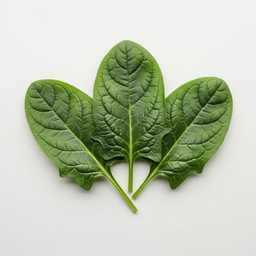 Spinach
 Complete meal with all amino acids and iron
Technical: Quinoa contains all 9 essential amino acids with 14g protein per 100g (dry) — unique for a pseudograin. Spinach provides 2.7mg non-heme iron per 100g plus 28mg vitamin C that increases iron absorption from both quinoa and spinach through Fe³⁺ → Fe²⁺ reduction. Spinach's folic acid (194μg per 100g) complements quinoa's mineral profile.
What does this mean for you? Quinoa-spinach salad is one of the most complete plant-based meals. The vitamin C in spinach ensures you actually absorb the iron from both ingredients. Add lemon juice for even more effect.
Quinoa 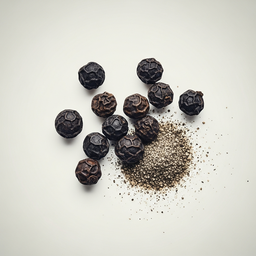 Black Pepper
 Improves quercetin absorption from quinoa
Technical: Quinoa contains quercetin (up to 36mg per 100g) and kaempferol, both powerful flavonoids with low bioavailability (25-50%). Piperine from black pepper inhibits glucuronidation in the gut — the process that inactivates flavonoids for excretion. This increases quercetin bioavailability by 30-50%, comparable to the well-known piperine-curcumin effect.
What does this mean for you? Grind fresh black pepper over your quinoa dishes. Just as pepper activates turmeric, it does the same for quinoa's antioxidants. A simple grind of pepper makes your quinoa significantly healthier.
Recipes with Quinoa
Discover delicious recipes featuring quinoa:
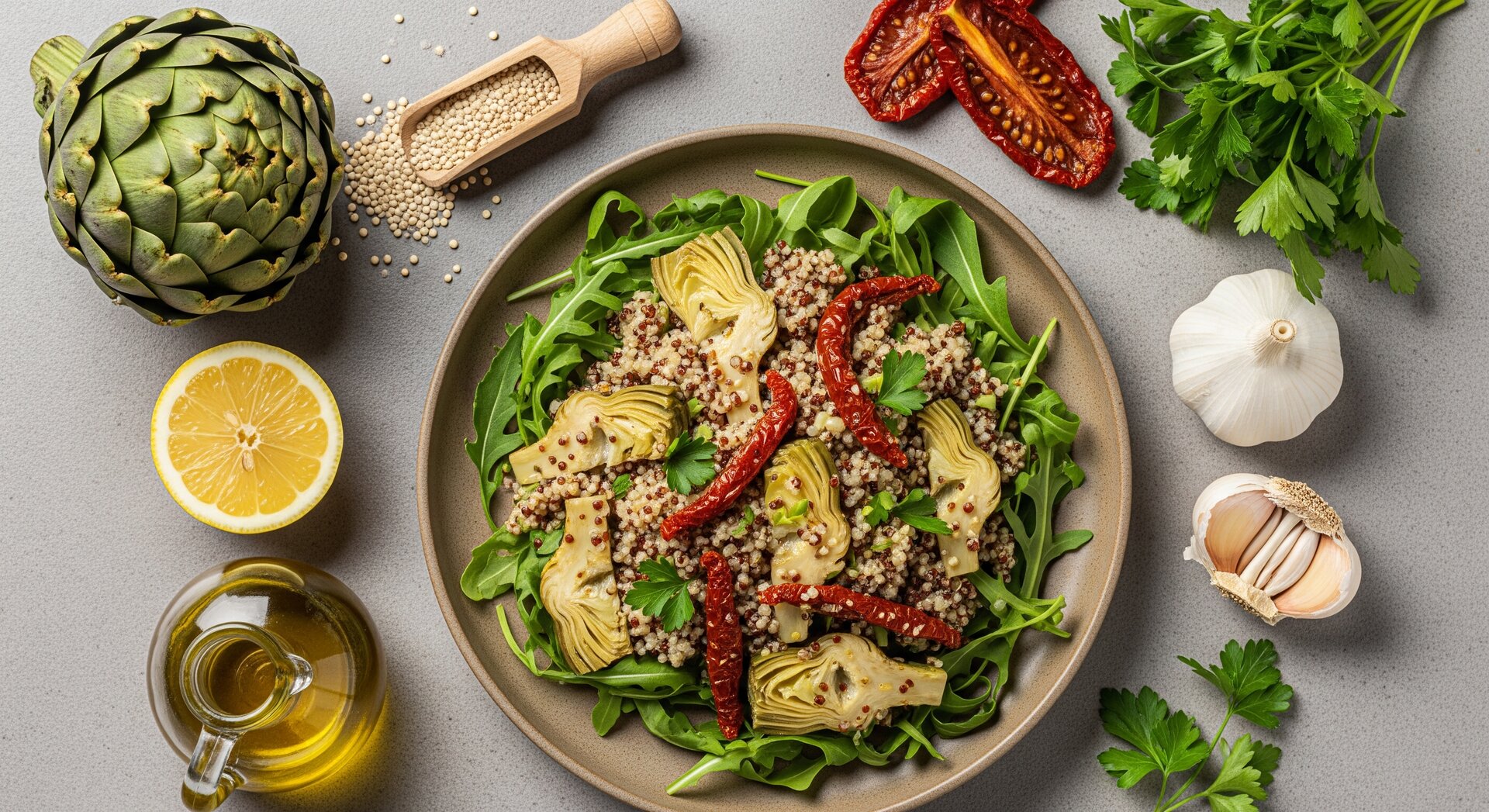 Artichoke Quinoa Lunch 25 min Mediterranean quinoa salad with artichoke
  340 kcal
  10g protein 2 synergies
 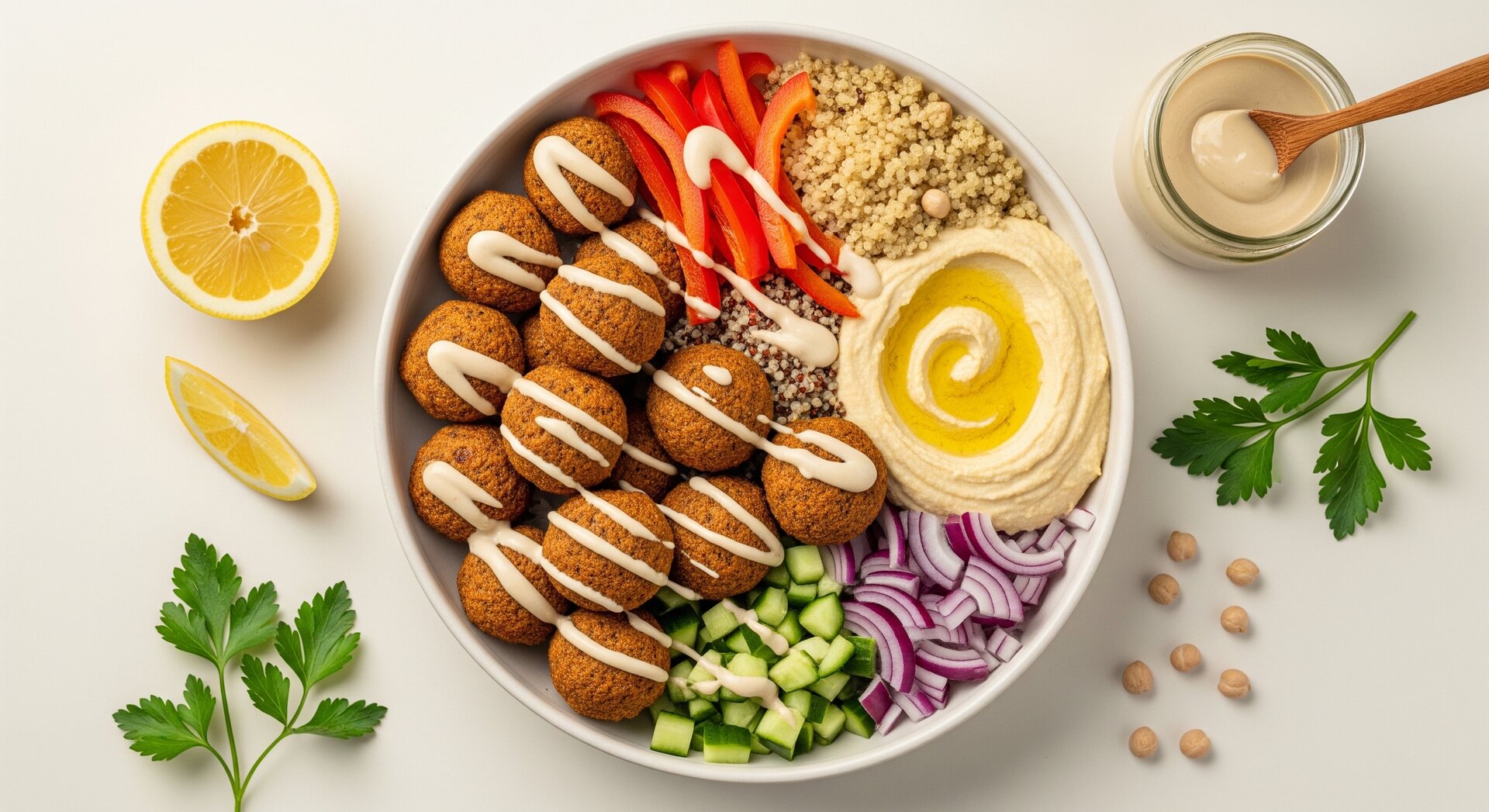 Falafel Bowl with Hummus and Tahini Dressing 25 min Mediterranean bowl with warm and fresh layers 946 kcal 32g protein 2 synergies
 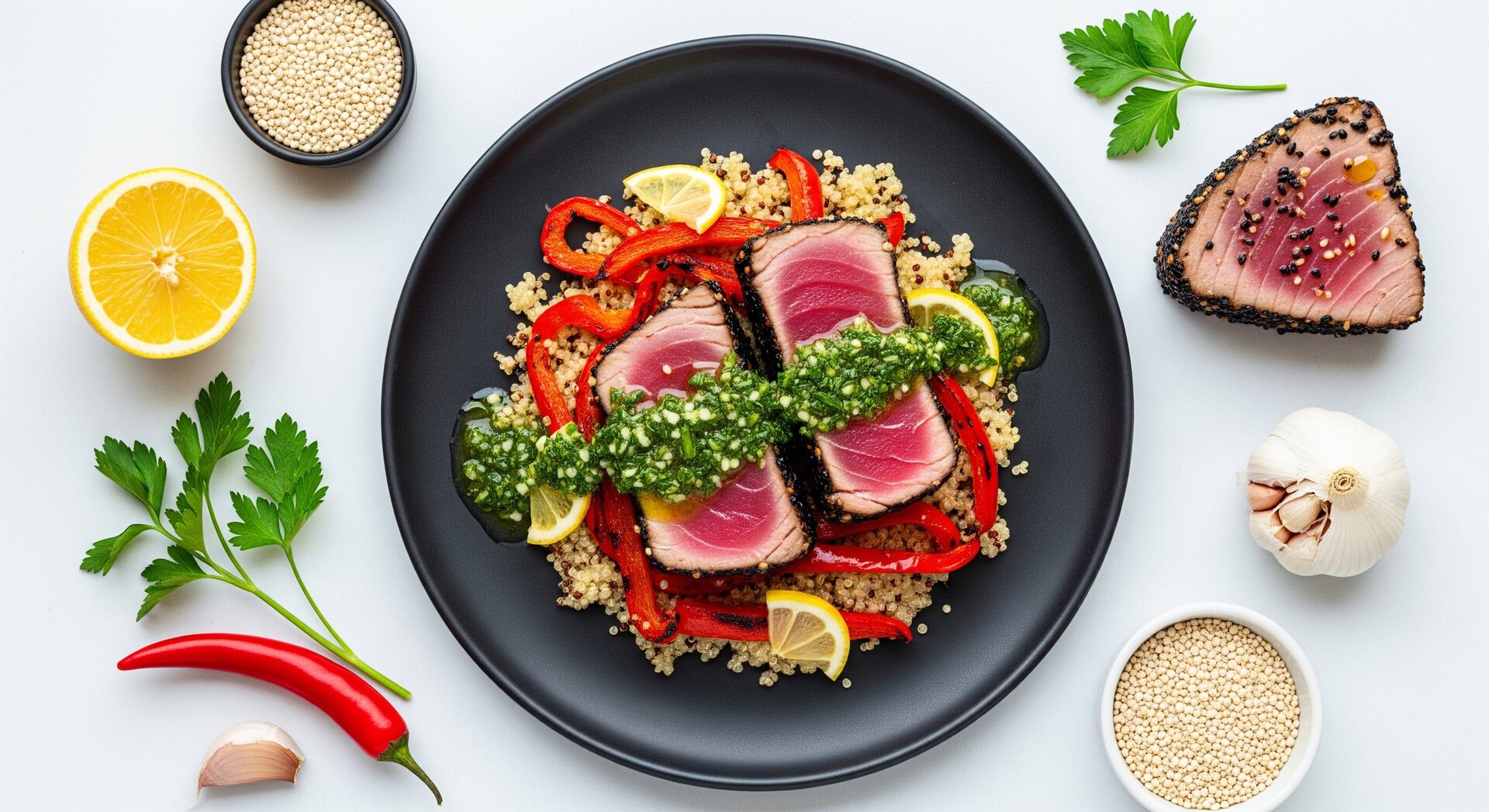 Seared Tuna with Quinoa and Chimichurri 35 min Tuna steak with quinoa and fresh parsley-lemon chimichurri 675 kcal 53g protein 2 synergies
 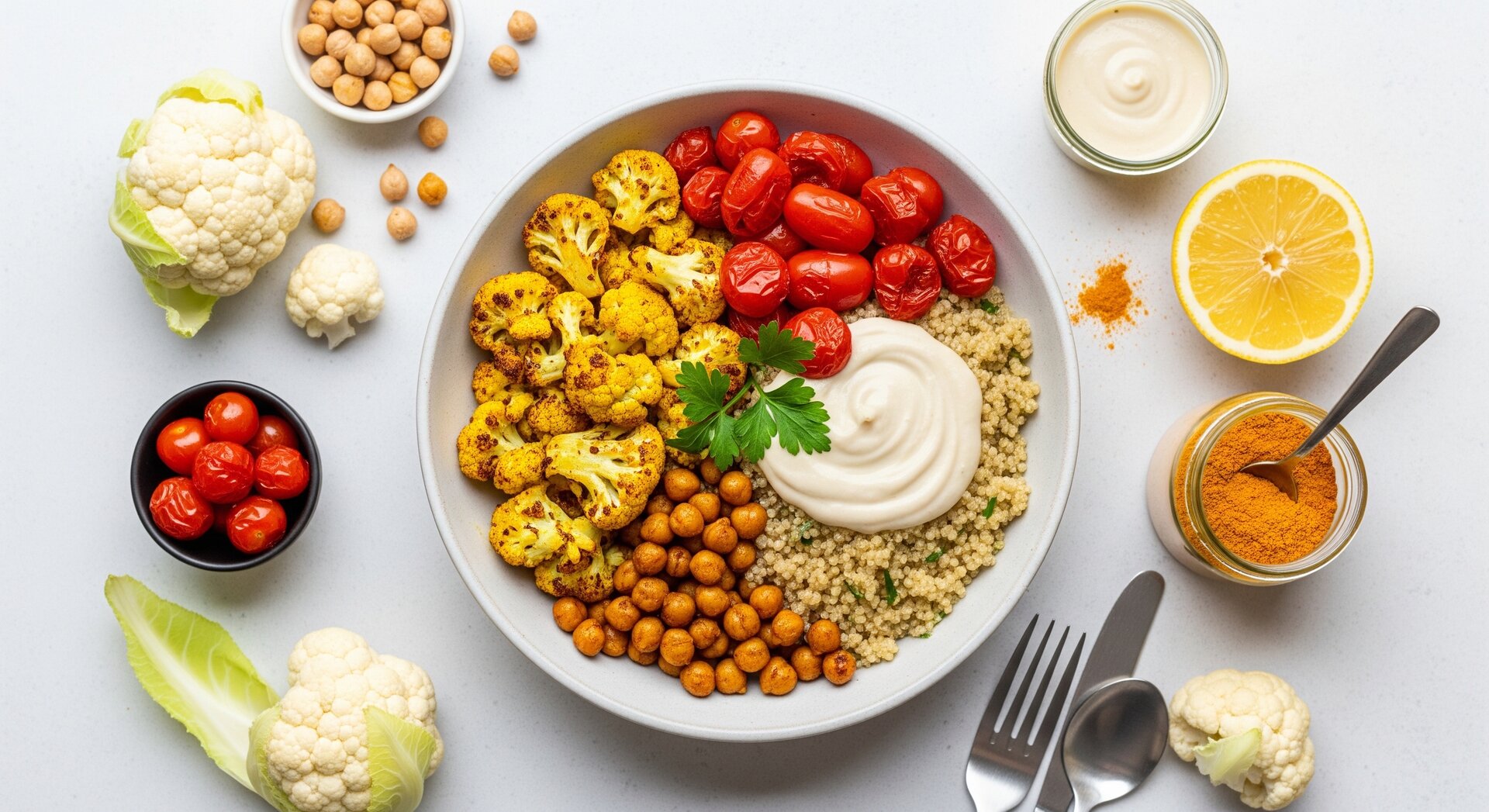 Roasted Cauliflower Bowl with Chickpeas and Tahini 45 min Crispy oven vegetables with spiced chickpeas 839 kcal 31g protein 2 synergies
 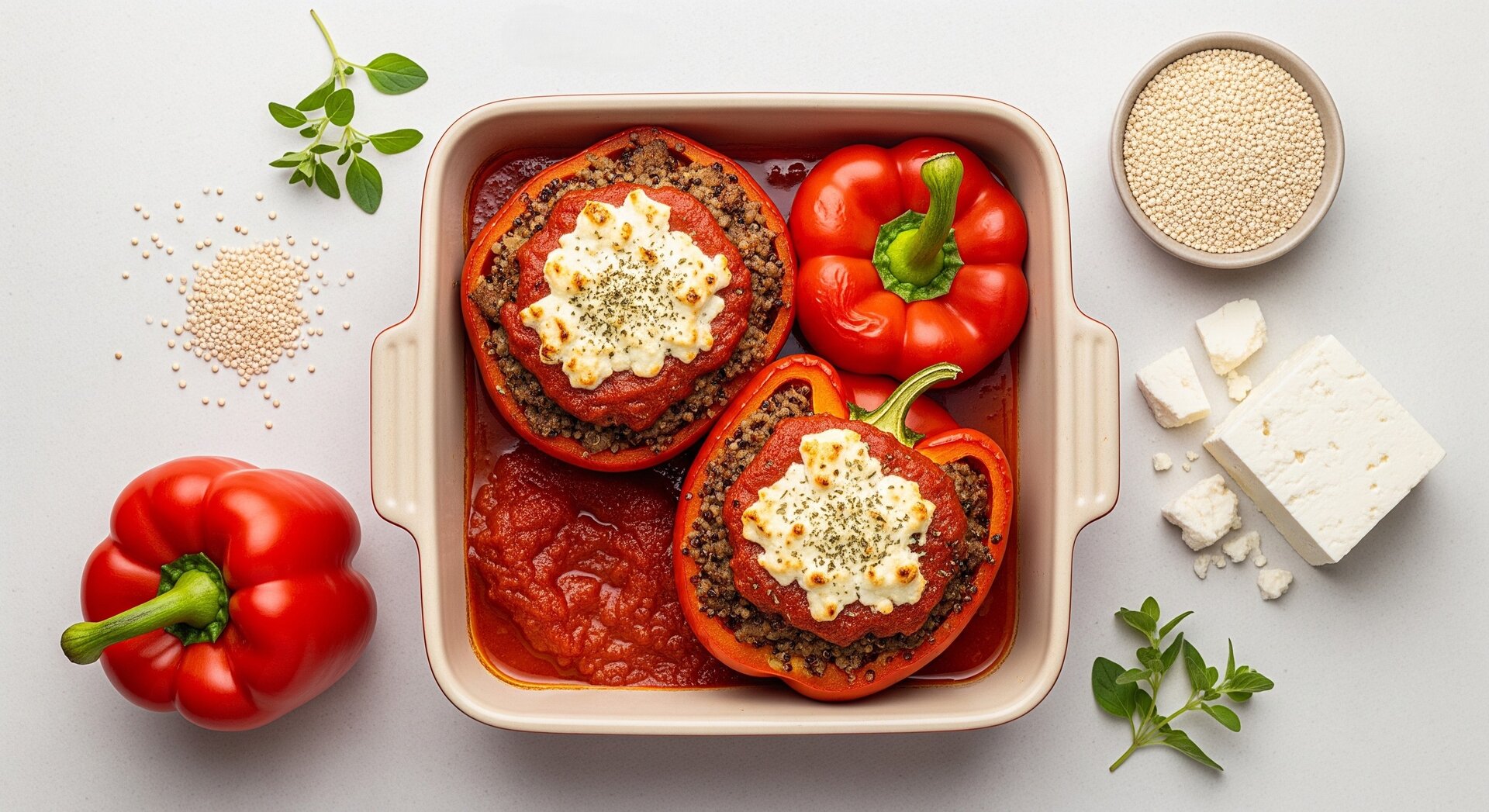 Stuffed Peppers with Ground Beef, Quinoa and Feta 50 min Colorful oven dish with spiced beef filling and crumbled feta 695 kcal 35g protein 2 synergies
 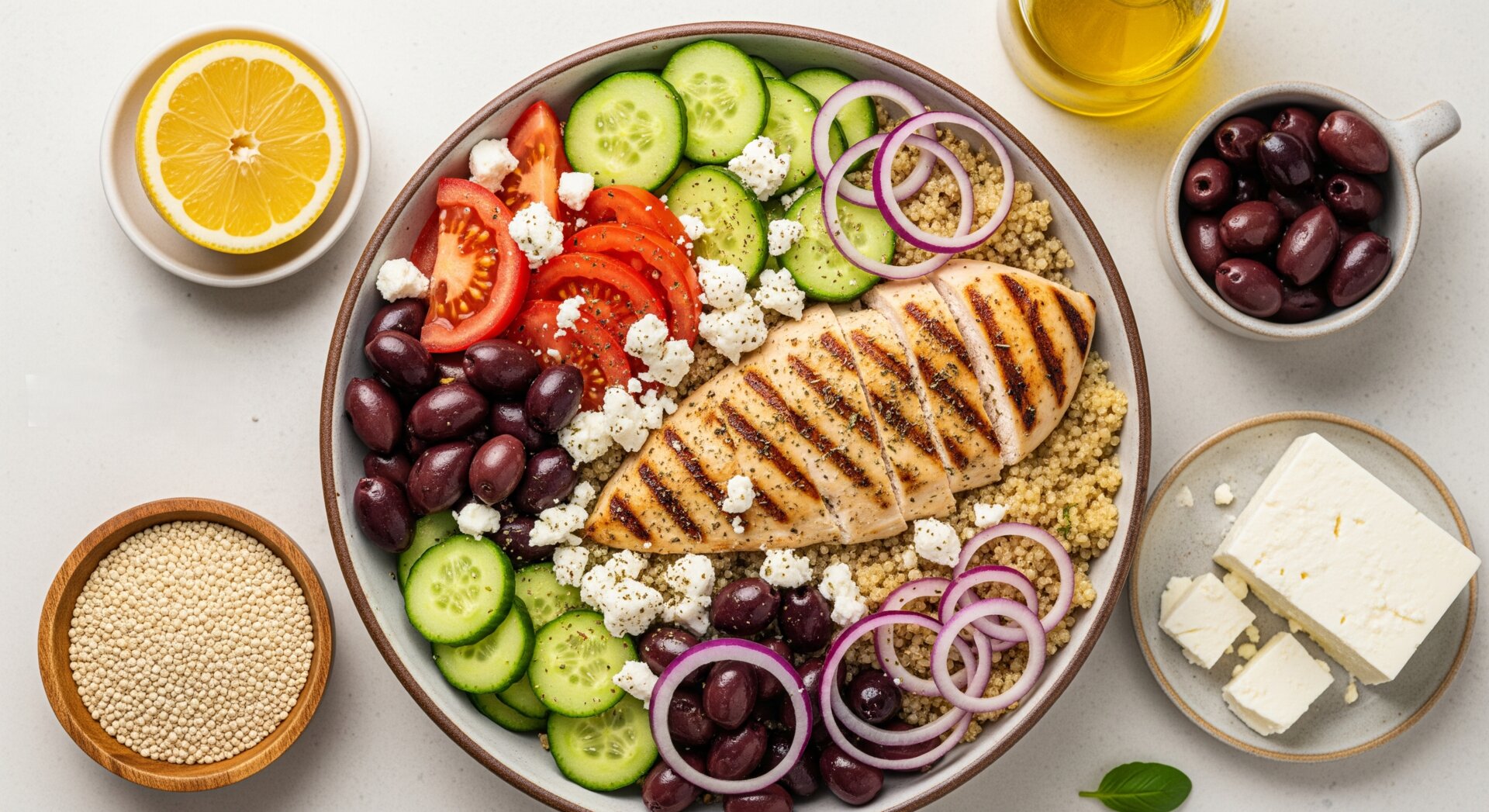 Greek Chicken Quinoa Bowl 45 min Grilled chicken, fluffy quinoa and Greek flavors 620 kcal 48g protein 2 synergies
  In the Kitchen
Storage
Location:Pantry
Shelf life:2-3 jaar (ongeopend), 1 jaar (geopend)
Store quinoa in an airtight container in a cool, dry and dark place, away from moisture and strong odours.
Preparation
Rinse well first, bring to the boil with water, reduce the heat and simmer gently for about 15 minutes until the water is absorbed. Let it rest briefly with the lid on, then fluff with a fork.
Conversions
Substitutes
Smart preparation
1Rinse quinoa thoroughly under cold water before cooking.
Why?
This removes saponins that can give a bitter taste.
2Usually use a ratio of 1:1.5 to 1:2 quinoa to water, depending on how firm you want the grains.
3Quinoa is done when the germ appears as little spirals and the grains are loose and slightly translucent.
Caution / Warnings
Quinoa is very safe, but there are scientific considerations:
Saponin sensitivity Mild
Some people may be sensitive to saponins, especially when quinoa has not been rinsed well.
Advice:
Always rinse quinoa thoroughly under cold water and cook according to the instructions; pre-rinsed quinoa can be a convenient option.
Traditional use
Indigenous
The Incas and the 'mother of all grains'
In Andean communities, quinoa held an important place in farming, rituals and everyday meals. The expression 'chisaya mama' mainly highlights the crop's cultural meaning, as it suits high-altitude fields and simple, nourishing cooking.
Summary
Quinoa is a versatile staple for bowls, salads, soups and warm side dishes. It naturally contains protein with all essential amino acids, is gluten-free and provides nutrients such as magnesium, folate, phosphorus, manganese and copper. Rinse the grains well to remove bitter saponins and usually cook 1 part quinoa with 1.5 to 2 parts water until the little germ rings become visible.