- Medium
- 45 min
- 2 serv.
- 12 synergies
- Now at its best: Cauliflower
A savory bowl with roasted cauliflower, crispy chickpeas and quinoa. Cumin and turmeric give the vegetables a warm, earthy flavor, while the creamy tahini dressing and fresh cherry tomatoes lighten everything up.
When cauliflower spends 25 minutes in a hot oven with cumin, turmeric and a drizzle of olive oil, it goes from mild to deeply caramelized. The florets turn soft and smoky at the edges, while the chickpeas beside them go the opposite way: dry, crunchy and spiced like little snacks. Quinoa catches it all as a soft, nutty base. The tahini dressing — smooth, citrusy and just a touch bitter — pulls everything together without taking over. Cherry tomatoes burst with fresh sweetness and parsley keeps it all green and alive. It is a bowl that looks unassuming but surprises layer by layer: crisp, soft, spiced and bright. Good enough for a weeknight, but complete enough that you won't miss the weekend.
- 15
- min prep
- 30
- min cook
- 45
- min total
Nutritional Synergies
This recipe combines ingredients that enhance each other:
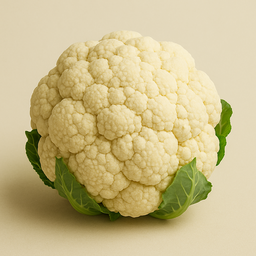 Cauliflower
 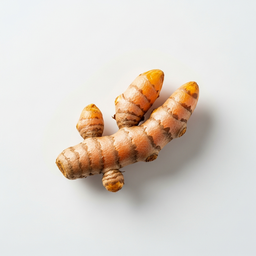 Turmeric powder
 Sulforaphane + curcumin: double NF-κB modulation
Technical: Cauliflower's sulforaphane activates the Nrf2 pathway for phase-II enzyme production. Sulforaphane and curcumin from turmeric are studied in research in connection with NF-κB and COX-2 signaling, each via its own route (IKK and IκBα respectively).
What does this mean for you? Cauliflower-turmeric curry (Gobi Masala) is an Indian classic. It combines two intensively studied plant compounds — sulforaphane and curcumin. Add black pepper for 2000% better curcumin absorption.
Anti-inflammatoryImmune SystemAntioxidants
Cauliflower  Olive oil
 Olive oil improves absorption of cauliflower's vitamin K and sulforaphane
Technical: Cauliflower contains vitamin K and glucosinolates converted to sulforaphane. Olive oil's fats improve absorption of fat-soluble vitamin K, while light roasting in olive oil optimizes glucosinolate conversion to sulforaphane.
What does this mean for you? Roast cauliflower with olive oil — this is the best way to maximize the bioactive compounds from cauliflower.
Anti-inflammatoryImmune SystemAntioxidants
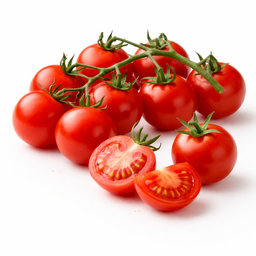 Cherry tomatoes Olive oil
 Olive oil increases lycopene absorption from cherry tomatoes 2-3x
Technical: Cherry tomatoes contain 2573μg lycopene per 100g. Lycopene is fat-soluble and only 2-3% absorbed without fat. Olive oil's oleic acid forms mixed micelles increasing lycopene absorption 2-3x. Cherry tomatoes contain relatively more skin (where lycopene concentrates) than regular tomatoes due to their small size.
What does this mean for you? Halve cherry tomatoes and roast in olive oil, or serve in salad with olive oil dressing. Their higher skin-to-flesh ratio means more concentrated lycopene.
HeartSkin & Hair
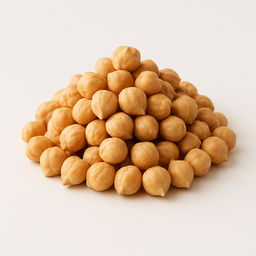 Chickpeas
 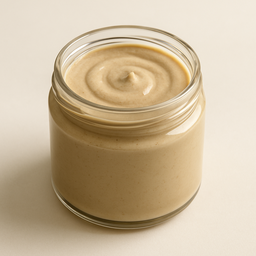 Tahini
 Hummus synergy: complete protein + improved mineral absorption
Technical: Chickpeas are low in methionine, sesame seeds (tahini) are rich in methionine. Together they form complete protein. The fat in tahini (50g/100g) increases absorption of fat-soluble vitamins from chickpeas. Lemon in hummus adds vitamin C for iron absorption.
What does this mean for you? Hummus isn't just a dip — it's a nutritionally optimized combination. Serve with vegetables for an even richer nutrient profile.
Muscle GainEnergy
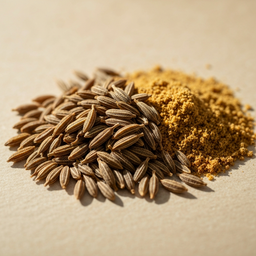 Cumin powder Turmeric powder
 Classic curry base with enhanced digestion
Technical: Cumin promotes production of digestive enzymes (amylase, lipase, protease) and increases bile flow. Turmeric's curcumin modulates NF-κB and COX-2 signal transduction and supports hepatobiliary activity via bile stimulation. Together they provide enhanced digestion + bioactive action.
What does this mean for you? Cumin + turmeric is the base of every curry. The cumin promotes your digestion, the turmeric adds bioactive action — the perfect combination for a nutritious curry.
DigestionAnti-inflammatory
Cumin powder Olive oil Fat activates volatile oils and increases cuminaldehyde absorption
Technical: Cumin's active compounds (cuminaldehyde, cymene, terpinene) are volatile, fat-soluble compounds. Frying in olive oil extracts and stabilizes these compounds, and the fat improves their gut absorption.
What does this mean for you? Briefly fry cumin in olive oil before adding other ingredients (tadka/tempering). This is why Indian and Middle Eastern cuisines always fry cumin in oil.
DigestionAnti-inflammatoryBlood Sugar
Cumin powder 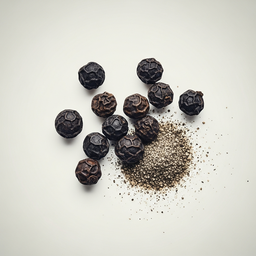 Black pepper
 Piperine increases absorption of cumin's active compounds 2-3x
Technical: Cumin contains cuminaldehyde and thymoquinone with digestive-promoting and bioactive properties. Piperine from black pepper inhibits CYP3A4 enzymes, reducing breakdown and improving absorption 2-3x.
What does this mean for you? Always add black pepper to dishes with cumin. This is why many spice blends (garam masala, ras el hanout) contain both.
DigestionAnti-inflammatory
Turmeric powder Black pepper Increases curcumin absorption by 2000%
Technical: Curcumin from turmeric has bioavailability below 1% due to rapid glucuronidation in the liver. Piperine from black pepper inhibits UGT (UDP-glucuronosyltransferase) and CYP3A4, preventing curcumin breakdown. This increases bioavailability by 2000% (20x). Use ratio ¼ teaspoon pepper to 1 teaspoon turmeric.
What does this mean for you? ALWAYS add black pepper when using turmeric. Without pepper your body absorbs virtually nothing — with pepper 20x more. This is the most important food synergy there is.
Anti-inflammatoryJointsFocus
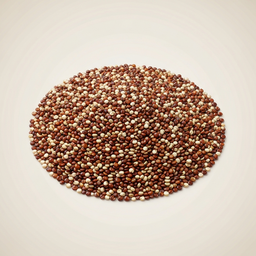 Quinoa (dry) Chickpeas
 Enhanced protein profile: methionine + lysine complete
Technical: Quinoa already contains all essential amino acids but is relatively low in methionine. Chickpeas are rich in lysine but low in methionine. Together they form an optimal complete protein profile with PDCAAS close to 1.0. This combination is traditional in North African and Middle Eastern cuisines.
What does this mean for you? Serve quinoa with roasted chickpeas or hummus. This gives you a complete plant-based protein source comparable to meat or fish.
Muscle GainEnergy
Quinoa (dry) Black pepper Improves quercetin absorption from quinoa
Technical: Quinoa contains quercetin (up to 36mg per 100g) and kaempferol, both powerful flavonoids with low bioavailability (25-50%). Piperine from black pepper inhibits glucuronidation in the gut — the process that inactivates flavonoids for excretion. This increases quercetin bioavailability by 30-50%, comparable to the well-known piperine-curcumin effect.
What does this mean for you? Grind fresh black pepper over your quinoa dishes. Just as pepper activates turmeric, it does the same for quinoa's antioxidants. A simple grind of pepper makes your quinoa significantly healthier.
Anti-inflammatoryHeart
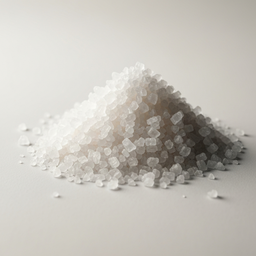 Sea salt Olive oil
 Minerals + polyphenols for cellular balance
Technical: Sea salt's sodium is essential for the sodium-potassium pump (Na+/K+-ATPase) that regulates every body cell. Olive oil's oleuropein and hydroxytyrosol provide antioxidant protection for cell membranes. The combination supports cell integrity: sea salt regulates ion balance, olive oil protects the membrane. In Mediterranean cuisine, coarse sea salt + olive oil is the most basic flavor profile.
What does this mean for you? Freshly ground sea salt with extra virgin olive oil is the simplest and most nutritious finishing of any dish. The combination provides the basic needs of your cells: minerals for function, polyphenols for protection.
HeartGeneral Wellness
Black pepper Olive oil Fat increases piperine absorption and enhances polyphenols
Technical: Piperine is fat-soluble and absorbed 2-3x better with dietary fat. Olive oil's oleocanthal and piperine both modulate COX signal transduction through different mechanisms, providing additive bioactive effect.
What does this mean for you? Grind fresh pepper over salads with olive oil dressing. The combination enhances both pepper absorption and bioactive action.
Anti-inflammatoryHeartDigestion
Ingredients (12)
+9 more ingredientsInstructions
- 1 Preheat oven to 200°C (400°F).
- 2 Rinse quinoa and cook according to package (about 15 minutes).
Nutrition per serving
Indicative values per serving.
Timing & Suitability
Shelf life: 4 days in fridge
Tags & Diet
Allergens: Sesame