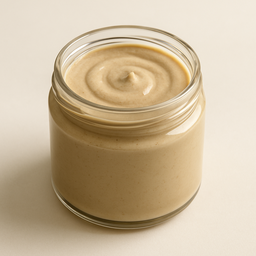
Tahini
Creamy sesame paste from the Levant
What is this ingredient?
Tahini is made by roasting sesame seeds and grinding them into a smooth paste. It is a cornerstone of Middle Eastern cuisine and forms the base of hummus, baba ganoush, sauces and halva.
What makes tahini distinctive is its mineral profile: per 100 g it contains calcium, iron, magnesium, zinc, potassium and folate. Since a normal serving is much smaller, tahini works best as a concentrated flavor maker in dressings, dips and spreads.
Sesame contains lignans such as sesamin and sesamolin. These plant compounds are studied in nutrition research in relation to oxidative processes and blood lipids. Choose 'whole tahini' from unhulled seeds for a more pronounced, higher-fiber character, or 'hulled tahini' from hulled seeds for a milder, smoother taste.
How does it taste?
Richly nutty and mildly bitter with a creamy, sesame-like depth.
Pairs well with:
Pairs well with lemongarlicdateschickpeas and honey.
Did you know...?
- Tahini is one of the world’s oldest sauces and is linked to very early written references to sesame.
- Tahini is an essential ingredient in hummus: without tahini, the flavor is less creamy and nutty.
Nutritional Value & Energy
Per 100g
Tahini provides energy thanks to natural nutrients , buffered by fiber.
Per 100g
Minerals
Vitamins
More nutrients
B-Vitamins
Trace Minerals
What's in a serving?
1 serving
Tahini naturally contains magnesium (95 mg per 100 g).
Tahini naturally contains iron (8.95 mg per 100 g).
Tahini naturally contains zinc (4.62 mg per 100 g).
Tahini naturally contains calcium (426 mg per 100 g).
Tahini naturally contains potassium (414 mg per 100 g).
Tahini naturally contains folate (98 mcg per 100 g).
% of daily reference intake (DRI)
EU-approved nutrition claims
This ingredient contains nutrients for which EFSA-authorized health claims exist (at nutrient level, not ingredient-specific).
Approved health claims (EU)
Magnesium EU 432/2012
Magnesium contributes to normal muscle function
Contains 95mg/100g (threshold: ≥56.25mg/100g)
Magnesium EU 432/2012
Magnesium contributes to the reduction of tiredness and fatigue
Contains 95mg/100g (threshold: ≥56.25mg/100g)
Magnesium EU 432/2012
Magnesium contributes to normal functioning of the nervous system
Contains 95mg/100g (threshold: ≥56.25mg/100g)
Zinc EU 432/2012
Zinc contributes to the normal function of the immune system
Contains 4.62mg/100g (threshold: ≥1.5mg/100g)
Zinc EU 432/2012
Zinc contributes to the maintenance of normal skin
Contains 4.62mg/100g (threshold: ≥1.5mg/100g)
Iron EU 432/2012
Iron contributes to normal energy-yielding metabolism
Contains 8.95mg/100g (threshold: ≥2.1mg/100g)
Iron EU 432/2012
Iron contributes to the reduction of tiredness and fatigue
Contains 8.95mg/100g (threshold: ≥2.1mg/100g)
Calcium EU 432/2012
Calcium is needed for the maintenance of normal bones
Contains 426mg/100g (threshold: ≥120mg/100g)
Potassium EU 432/2012
Potassium contributes to the maintenance of normal blood pressure
Contains 414mg/100g (threshold: ≥300mg/100g)
Folate EU 432/2012
Folate contributes to normal blood formation
Contains 98mcg/100g (threshold: ≥30mcg/100g)
Folate EU 432/2012
Folate contributes to normal amino acid synthesis
Contains 98mcg/100g (threshold: ≥30mcg/100g)
Folate EU 432/2012
Folate contributes to normal homocysteine metabolism
Contains 98mcg/100g (threshold: ≥30mcg/100g)
Folate EU 432/2012
Folate contributes to normal psychological function
Contains 98mcg/100g (threshold: ≥30mcg/100g)
Folate EU 432/2012
Folate contributes to the normal function of the immune system
Contains 98mcg/100g (threshold: ≥30mcg/100g)
Folate EU 432/2012
Folate has a role in the process of cell division
Contains 98mcg/100g (threshold: ≥30mcg/100g)
Folate EU 432/2012
Folate contributes to maternal tissue growth during pregnancy
Contains 98mcg/100g (threshold: ≥30mcg/100g)
Calcium EU 432/2012
Calcium is needed for the maintenance of normal teeth
Contains 426mg/100g (threshold: ≥120mg/100g)
Calcium EU 432/2012
Calcium contributes to normal blood clotting
Contains 426mg/100g (threshold: ≥120mg/100g)
Calcium EU 432/2012
Calcium contributes to normal energy-yielding metabolism
Contains 426mg/100g (threshold: ≥120mg/100g)
Calcium EU 432/2012
Calcium contributes to normal muscle function
Contains 426mg/100g (threshold: ≥120mg/100g)
Calcium EU 432/2012
Calcium contributes to normal neurotransmission
Contains 426mg/100g (threshold: ≥120mg/100g)
Calcium EU 432/2012
Calcium contributes to the normal function of digestive enzymes
Contains 426mg/100g (threshold: ≥120mg/100g)
Calcium EU 432/2012
Calcium has a role in the process of cell division and specialisation
Contains 426mg/100g (threshold: ≥120mg/100g)
Magnesium EU 432/2012
Magnesium contributes to normal energy-yielding metabolism
Contains 95mg/100g (threshold: ≥56.25mg/100g)
Magnesium EU 432/2012
Magnesium contributes to electrolyte balance
Contains 95mg/100g (threshold: ≥56.25mg/100g)
Magnesium EU 432/2012
Magnesium contributes to normal protein synthesis
Contains 95mg/100g (threshold: ≥56.25mg/100g)
Magnesium EU 432/2012
Magnesium contributes to normal psychological function
Contains 95mg/100g (threshold: ≥56.25mg/100g)
Magnesium EU 432/2012
Magnesium contributes to the maintenance of normal bones
Contains 95mg/100g (threshold: ≥56.25mg/100g)
Magnesium EU 432/2012
Magnesium contributes to the maintenance of normal teeth
Contains 95mg/100g (threshold: ≥56.25mg/100g)
Magnesium EU 432/2012
Magnesium has a role in the process of cell division
Contains 95mg/100g (threshold: ≥56.25mg/100g)
Iron EU 432/2012
Iron contributes to normal cognitive function
Contains 8.95mg/100g (threshold: ≥2.1mg/100g)
Iron EU 432/2012
Iron contributes to normal formation of red blood cells and haemoglobin
Contains 8.95mg/100g (threshold: ≥2.1mg/100g)
Iron EU 432/2012
Iron contributes to normal oxygen transport in the body
Contains 8.95mg/100g (threshold: ≥2.1mg/100g)
Iron EU 432/2012
Iron contributes to the normal function of the immune system
Contains 8.95mg/100g (threshold: ≥2.1mg/100g)
Iron EU 432/2012
Iron has a role in the process of cell division
Contains 8.95mg/100g (threshold: ≥2.1mg/100g)
Zinc EU 432/2012
Zinc contributes to normal acid-base metabolism
Contains 4.62mg/100g (threshold: ≥1.5mg/100g)
Zinc EU 432/2012
Zinc contributes to normal carbohydrate metabolism
Contains 4.62mg/100g (threshold: ≥1.5mg/100g)
Zinc EU 432/2012
Zinc contributes to normal cognitive function
Contains 4.62mg/100g (threshold: ≥1.5mg/100g)
Zinc EU 432/2012
Zinc contributes to normal DNA synthesis
Contains 4.62mg/100g (threshold: ≥1.5mg/100g)
Zinc EU 432/2012
Zinc contributes to normal fertility and reproduction
Contains 4.62mg/100g (threshold: ≥1.5mg/100g)
Zinc EU 432/2012
Zinc contributes to normal macronutrient metabolism
Contains 4.62mg/100g (threshold: ≥1.5mg/100g)
Zinc EU 432/2012
Zinc contributes to normal metabolism of fatty acids
Contains 4.62mg/100g (threshold: ≥1.5mg/100g)
Zinc EU 432/2012
Zinc contributes to normal metabolism of vitamin A
Contains 4.62mg/100g (threshold: ≥1.5mg/100g)
Zinc EU 432/2012
Zinc contributes to normal protein synthesis
Contains 4.62mg/100g (threshold: ≥1.5mg/100g)
Zinc EU 432/2012
Zinc contributes to the maintenance of normal bones
Contains 4.62mg/100g (threshold: ≥1.5mg/100g)
Zinc EU 432/2012
Zinc contributes to the maintenance of normal hair
Contains 4.62mg/100g (threshold: ≥1.5mg/100g)
Zinc EU 432/2012
Zinc contributes to the maintenance of normal nails
Contains 4.62mg/100g (threshold: ≥1.5mg/100g)
Zinc EU 432/2012
Zinc contributes to the maintenance of normal testosterone levels in the blood
Contains 4.62mg/100g (threshold: ≥1.5mg/100g)
Zinc EU 432/2012
Zinc contributes to the maintenance of normal vision
Contains 4.62mg/100g (threshold: ≥1.5mg/100g)
Zinc EU 432/2012
Zinc contributes to the protection of cells from oxidative stress
Contains 4.62mg/100g (threshold: ≥1.5mg/100g)
Zinc EU 432/2012
Zinc has a role in the process of cell division
Contains 4.62mg/100g (threshold: ≥1.5mg/100g)
Potassium EU 432/2012
Potassium contributes to normal functioning of the nervous system
Contains 414mg/100g (threshold: ≥300mg/100g)
Potassium EU 432/2012
Potassium contributes to normal muscle function
Contains 414mg/100g (threshold: ≥300mg/100g)
Comparison
vsspinazie
Tahini contains about 3× more iron per 100 g than spinach.
vsmelk
Tahini contains about 3× more calcium per 100 g than milk.
What's being researched?
Sesame lignans in tahini
Sesamin and sesamolin in tahini are studied in relation to antioxidant activity and blood lipids. Grinding makes the paste useful in cooking and changes the seed’s texture.
Supported by: [1] Ghafoorunissa (2004)
Good Combinations (Synergy)
Combine tahini smartly to enhance the effect:
Tahini 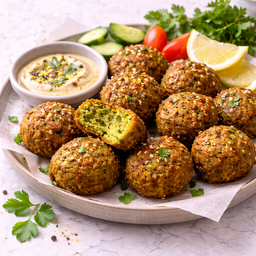 Falafel
 Complete protein through chickpea + sesame + wheat
Technical: Falafel (chickpeas) lacks the essential amino acid methionine. Tahini (sesame) and wheat (whole wheat pita) are rich in methionine. Together they form a complete protein profile with all 9 essential amino acids — comparable to animal protein but plant-based. This principle is called 'protein complementarity'.
What does this mean for you? Always eat falafel with tahini and pita — not just delicious but also a complete plant protein. Middle Eastern cuisine discovered this centuries ago.
Tahini 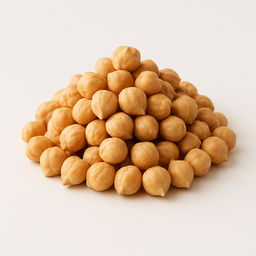 Chickpeas
 Hummus synergy: complete protein + improved mineral absorption
Technical: Chickpeas are low in methionine, sesame seeds (tahini) are rich in methionine. Together they form complete protein. The fat in tahini (50g/100g) increases absorption of fat-soluble vitamins from chickpeas. Lemon in hummus adds vitamin C for iron absorption.
What does this mean for you? Hummus isn't just a dip — it's a nutritionally optimized combination. Serve with vegetables for an even richer nutrient profile.
Tahini 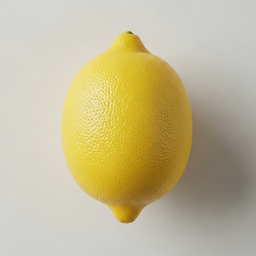 Lemon
Lemon Improves iron absorption from tahini
Technical: Tahini (ground sesame seeds) contains 14.6mg non-heme iron per 100g, but phytate in sesame binds iron and lowers absorption to 2-5%. Vitamin C from lemon reduces Fe³⁺ to Fe²⁺ (better absorbable) and forms chelates preventing phytate binding. This increases iron absorption by 3-6x.
What does this mean for you? Always add lemon juice to hummus or tahini dressing. The lemon makes the iron from sesame much more absorbable — a classic Middle Eastern recipe for good reason.
Tahini 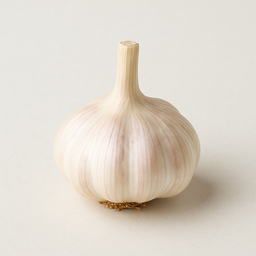 Garlic
 Hummus base with immune support
Technical: Tahini provides calcium (426mg/100g), magnesium (95mg), zinc (4.6mg) and sesamin (antioxidant lignan). Garlic contains allicin that offers bioactive action via T-cell activation. Zinc from tahini contributes to the normal function of the immune system (EFSA) — the nutritional foundation of hummus.
What does this mean for you? Make hummus with tahini and fresh garlic. The tahini gives minerals like zinc, the garlic bioactive compounds — a nutritious dip.
Tahini 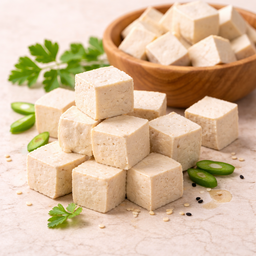 Tofu
Tofu Calcium synergy: double plant-based calcium source
Technical: Tofu (prepared with calcium sulfate) contains 350mg calcium per 100g. Sesame seeds provide 975mg calcium per 100g. Tofu's isoflavones improve calcium absorption. Good to know: calcium is needed for the maintenance of normal bones (EFSA-approved).
What does this mean for you? Serve tofu with sesame (tahini sauce or sesame seeds) for a rich plant-based calcium intake. Two of the best plant-based calcium sources in one dish.
Recipes with Tahini
Discover delicious recipes featuring tahini:
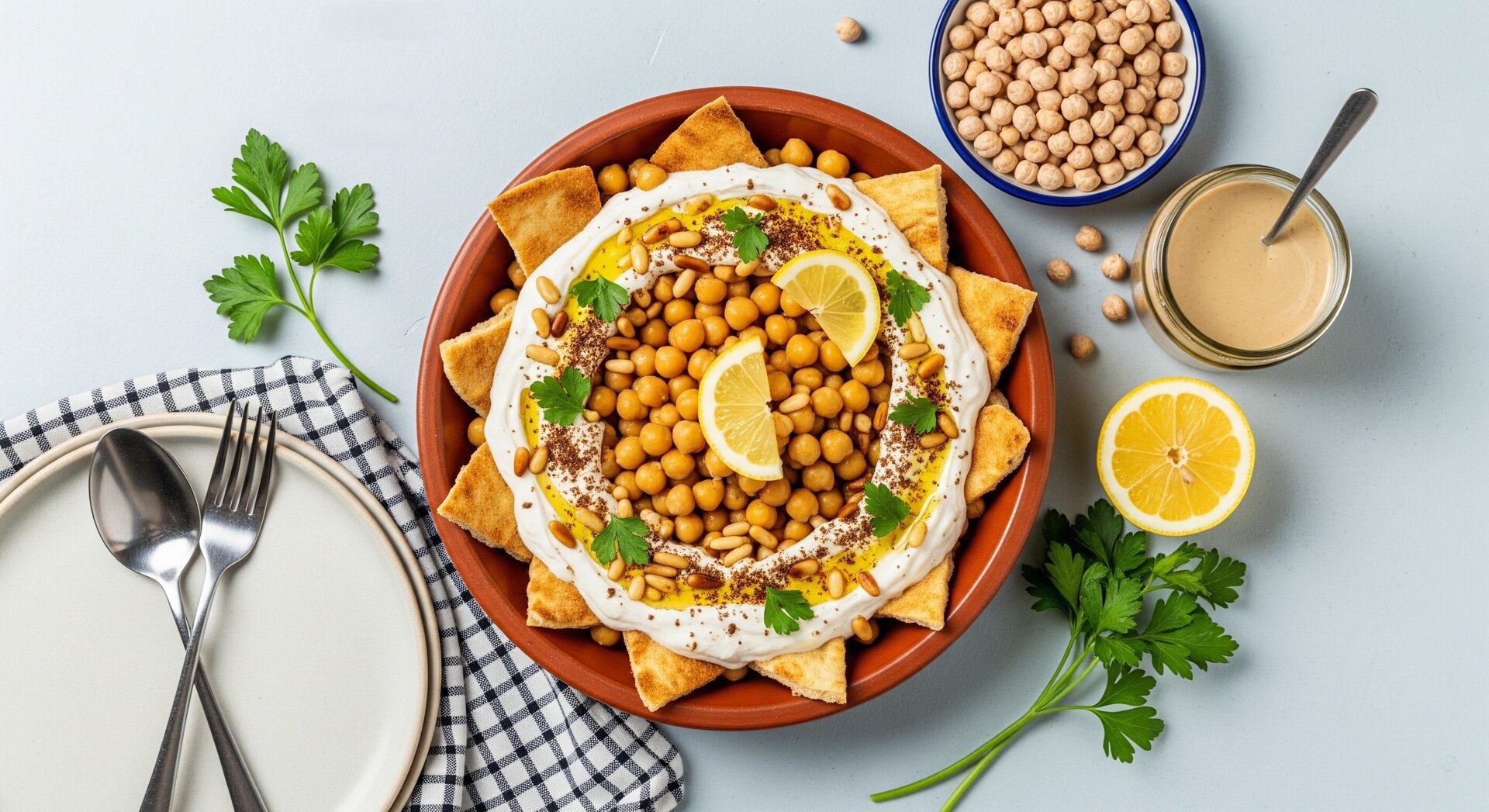 Arabic Fatteh with Chickpeas and Yogurt 25 min Layered Levantine breakfast with crispy bread and tahini
  605 kcal
  24g protein 2 synergies
 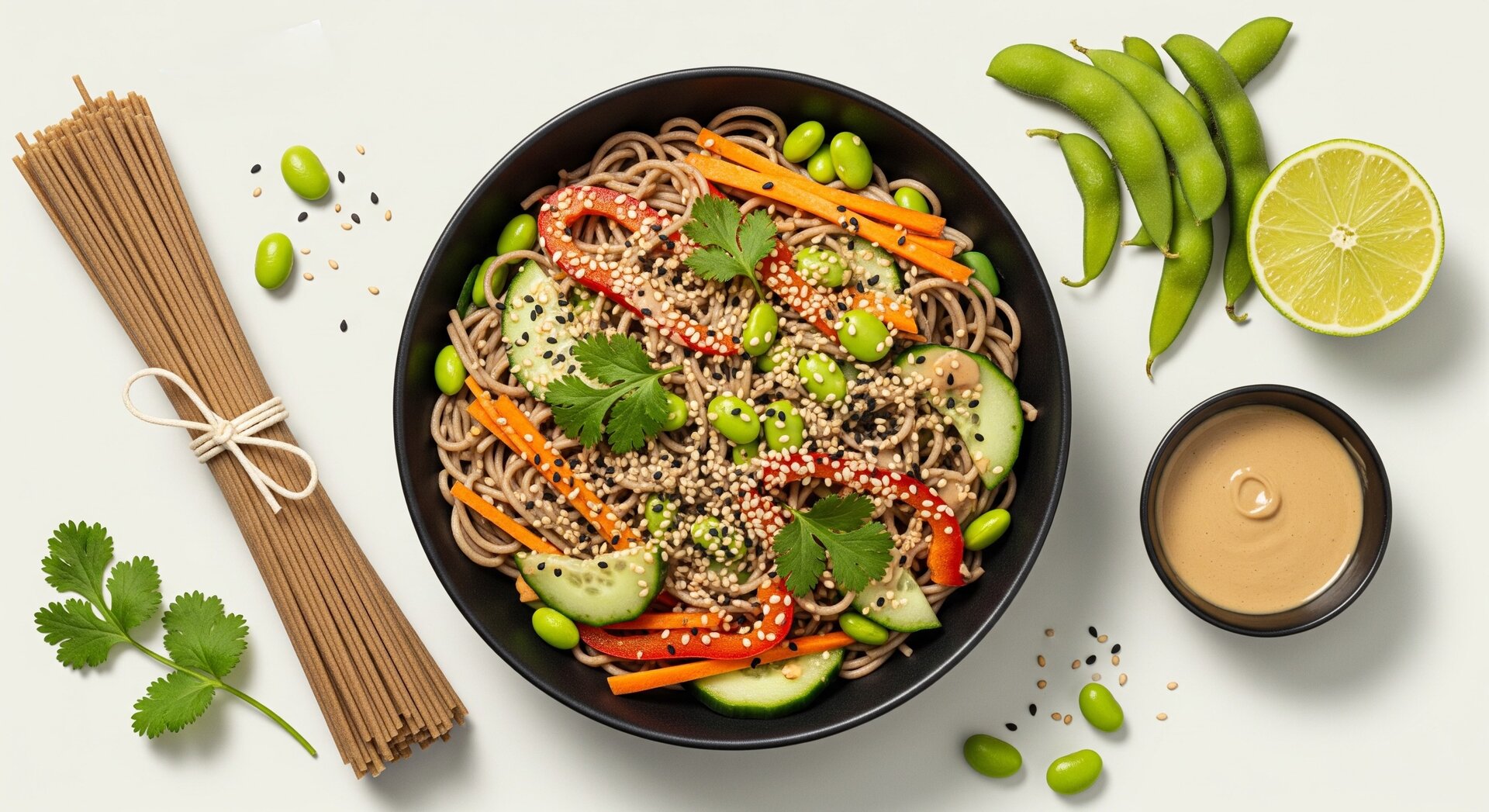 Asian Sesame-Soba Noodle Salad with Edamame 25 min Cold noodle salad with sesame dressing and edamame 751 kcal 31g protein 1 synergies
 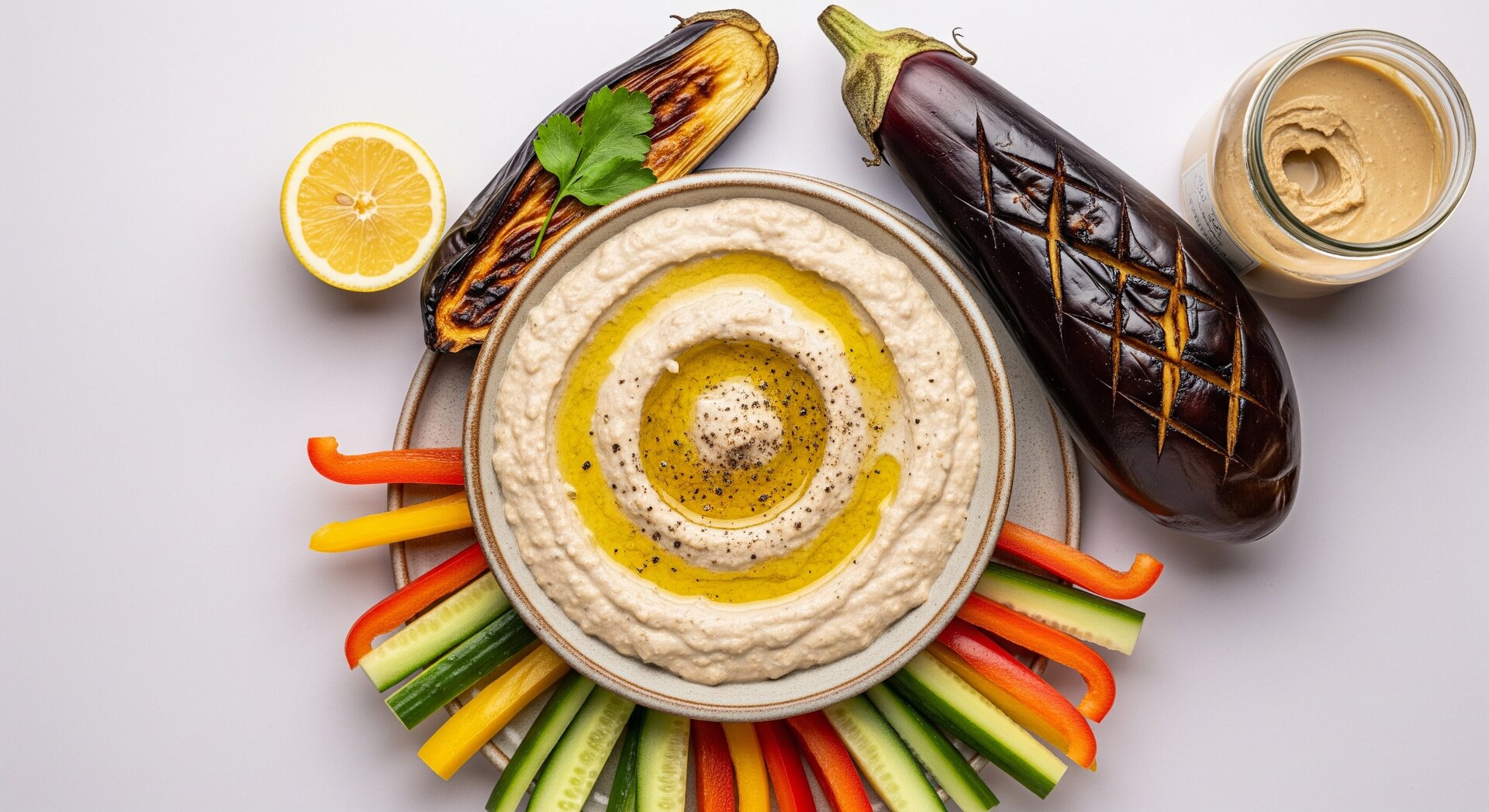 Baba Ganoush with Vegetable Sticks 40 min Roasted eggplant dip with fresh vegetables 216 kcal 5g protein 1 synergies
 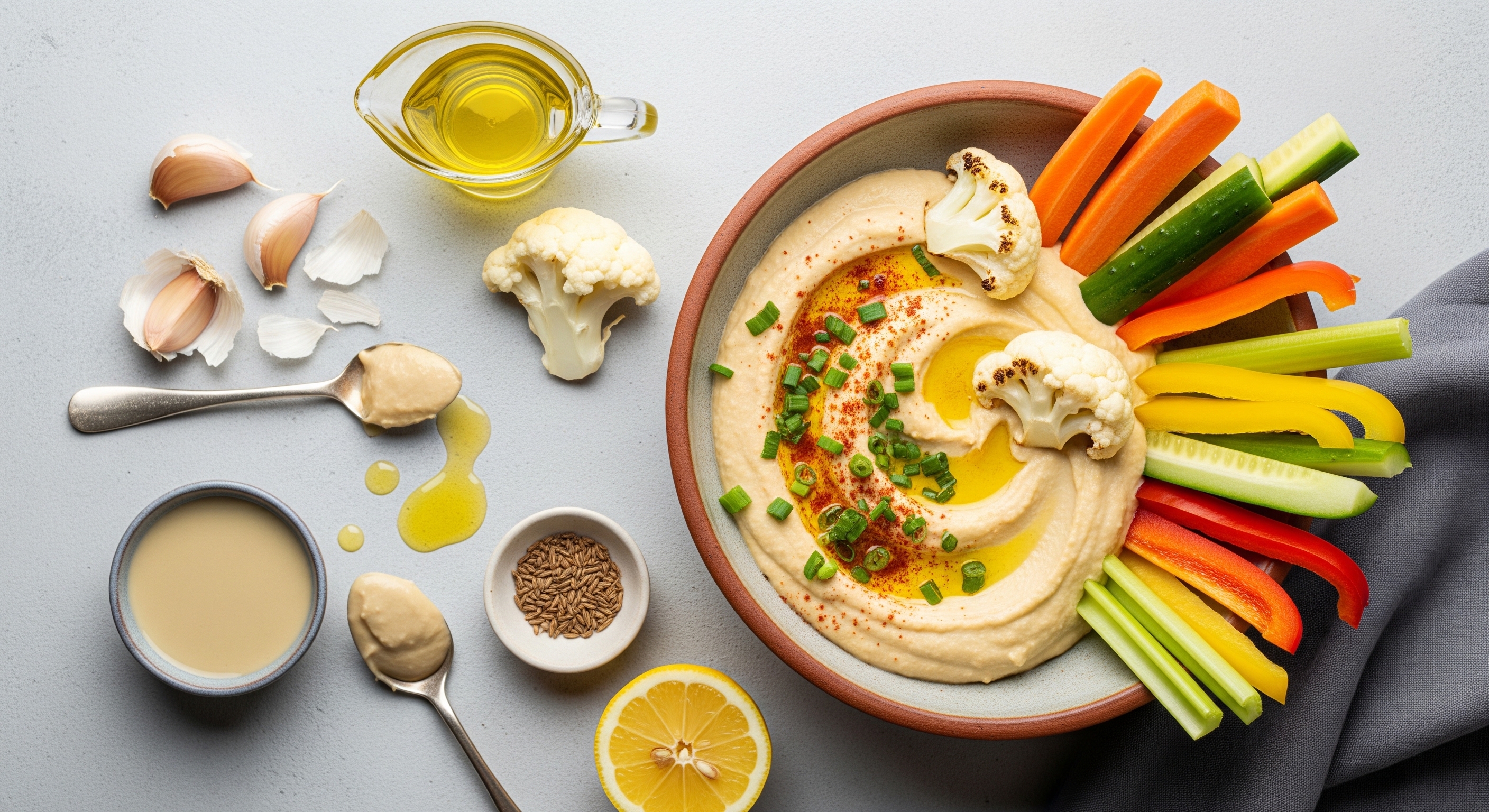 Cauliflower Hummus with Veggie Sticks 25 min Creamy low-carb dip with crunchy vegetables 105 kcal 3g protein 1 synergies
 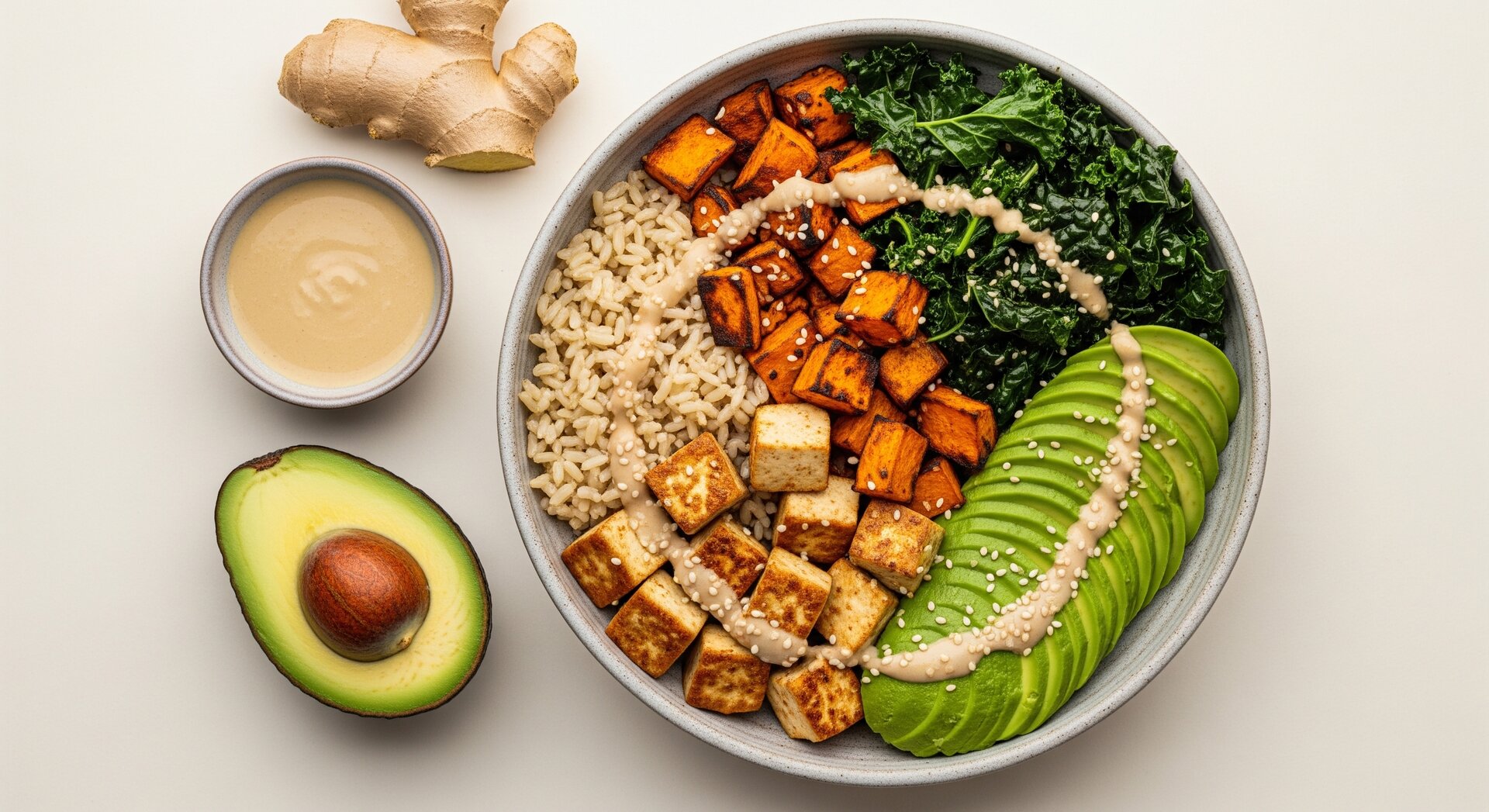 Buddha Bowl with Tofu, Sweet Potato and Kale 50 min Warm bowl with roasted vegetables 790 kcal 30g protein 3 synergies
 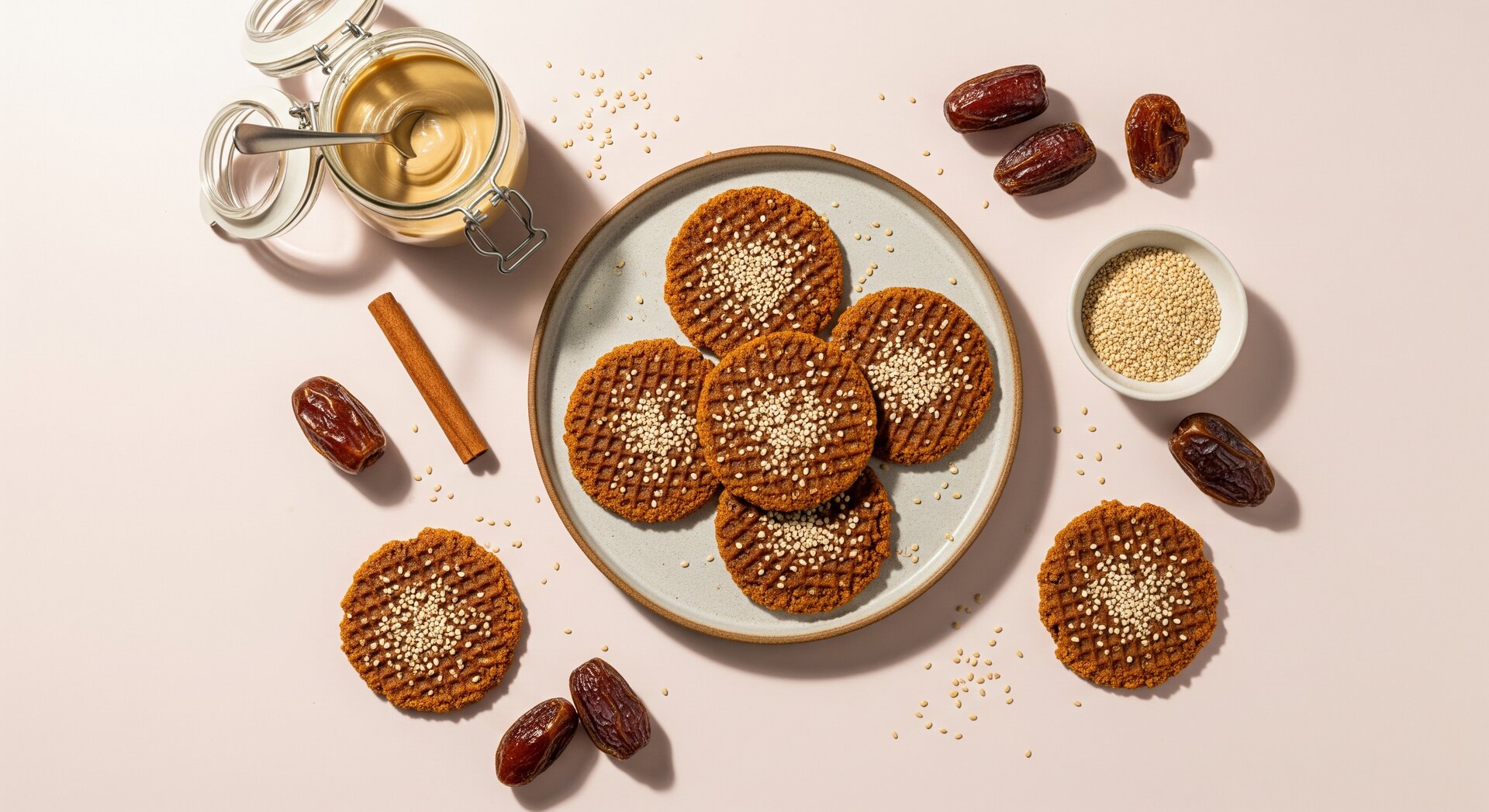 Date Tahini Cookies 27 min Soft caramel-like cookies with Medjool dates, tahini and sesame seeds 125 kcal 3g protein 2 synergies
  In the Kitchen
Storage
Location:Refrigerator
Shelf life:6-12 maanden (geopend)
Refrigeration helps limit rancidity. Stir the oil floating on top fully back into the paste before use.
Conversions
Substitutes
Smart preparation
1Always stir tahini well before use; oil and paste separate naturally.
2Thin tahini with lemon and water for a pourable dressing.
Why?
Tahini thickens on contact with lemon juice; water makes it fluid again.
3Store opened tahini in the fridge; at room temperature it can go rancid.
Caution / Warnings
Tahini is very safe, but there are scientific considerations:
Sesame Allergy Severe
Sesame allergy is increasingly common and can be severe.
Advice:
Avoid tahini completely with a known sesame allergy. Also check for sesame in sauces, bread and mezze.
Diverticulitis Mild
With active diverticulitis, individual dietary advice may differ; tahini is finely ground but is still made from sesame seeds.
Advice:
Consult a doctor or dietitian if symptoms are active or if you follow specific fiber advice.
Traditional use
Islamic tradition
Tahini in Middle Eastern Tradition
Tahini has been prepared in the Middle East for centuries and is a fundamental ingredient in hummus, halva and various sauces.
Summary
Tahini is a rich, creamy sesame paste for hummus, salad dressings and roasted vegetables. Always stir well, because the oil naturally rises to the top. Choose unhulled tahini for a more intense, higher-fiber taste or hulled tahini for a milder, smoother texture.