- Medium
- 25 min
- 2 serv.
- 6 synergies
- Fully in season
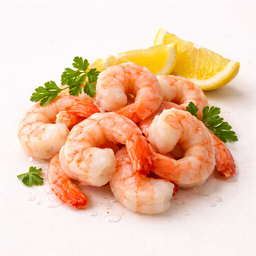
Japanese soba noodles with crispy shrimp, tender edamame and a savory soy-sesame dressing. Finished with nori and sesame seeds.
There's something irresistible about cold soba noodles on a warm day — that nutty bite of buckwheat, smooth and cool from the fridge, with shrimp just crispy enough to create contrast. The edamame are bright green and firm, the nori brings that typical briny sea flavor, and the whole dish comes together with a simple dressing of soy sauce, sesame oil and fresh ginger. In spring eat this cold; in winter you can serve the noodles warm. Cut the green onions at an angle — it seems like a detail, but it makes the bowl.
- 10
- min prep
- 15
- min cook
- 25
- min total
Nutritional Synergies
This recipe combines ingredients that enhance each other:
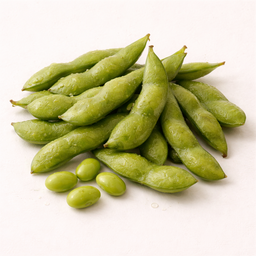 Edamame
 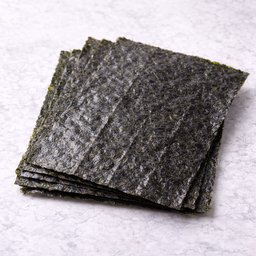 Nori
Nori Japanese combination: isoflavones + iodine
Technical: Soy isoflavones can affect thyroid function at high doses through TPO inhibition. Seaweed provides iodine (16-2000μg per serving) that compensates this effect. Good to know: iodine contributes to the normal production of thyroid hormones and normal thyroid function (EFSA-approved). In Japan where lots of soy AND seaweed are eaten, this combination is standard.
What does this mean for you? If you regularly eat edamame or tofu, combine with seaweed (miso soup with wakame, sushi with nori). This is the traditional Japanese approach followed for centuries.
Hormonal BalanceEnergy
Edamame  Sesame Oil
 Increased absorption of isoflavones
Technical: Edamame contains isoflavones (genistein and daidzein) — phytoestrogens that are lipophilic (fat-loving) and are significantly better absorbed in the presence of fats. Sesame oil contains sesamin, a lignan with its own antioxidant action. The fat in sesame oil increases isoflavone bioavailability by 2-3x.
What does this mean for you? Drizzle sesame oil over your edamame or briefly stir-fry them in sesame oil with sea salt. The nutty aroma of sesame pairs perfectly with edamame and your body absorbs the isoflavones much better.
Hormonal BalanceHeart
Nori 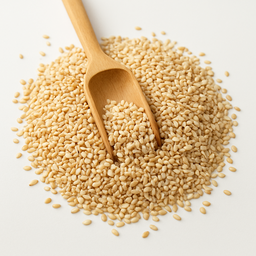 Sesame Seeds
 Classic Asian combination: minerals + healthy fats
Technical: Nori provides iodine and minerals, sesame seeds add calcium (975mg/100g), iron and healthy fats. The combination enhances absorption of fat-soluble vitamins from nori.
What does this mean for you? Sprinkle sesame seeds on your sushi or rice dishes for a more nutritious meal.
JointsEnergyGeneral Wellness
Sesame Oil 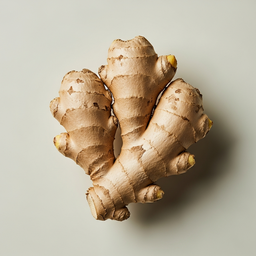 Ginger
 Asian cooking base: lignans + gingerols via complementary pathways
Technical: Sesame oil contains sesamin and sesamolin (lignans) with antioxidant action. Ginger contains gingerols that modulate COX-2. Both compounds influence NF-κB via complementary mechanisms. The fat in sesame oil also improves absorption of fat-soluble gingerols.
What does this mean for you? Start Asian dishes with sesame oil + ginger as flavor base. This is the fundamental start of wok dishes and combines two bioactive compounds via complementary pathways.
Anti-inflammatoryDigestion
Sesame Oil Sesame Seeds Sesame oil fats enhance absorption of sesame seed lignans
Technical: Sesame seeds contain lignans (sesamin, sesamolin) that are fat-soluble. Sesame oil provides the ideal fat matrix for absorption. Additionally, the oil contains different bioactive forms (sesamol) that work complementarily to lignans in whole seeds.
What does this mean for you? Top dishes with both sesame seeds and a drizzle of sesame oil — you get the fiber and minerals from the seeds plus optimal lignan absorption.
HeartAnti-inflammatoryHormonal Balance
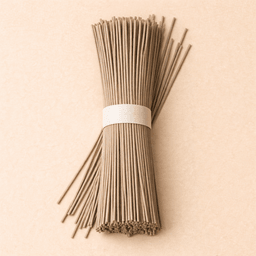 Soba Noodles (Buckwheat) Ginger
 Gingerol increases rutin bioavailability + dual bioactive action
Gingerol stimulates gut motility and promotes microbial conversion of rutin to quercetin
Technical: Rutin from buckwheat (100mg/100g) is converted by gut flora to quercetin. Gingerol from ginger promotes gut motility and increases contact time of rutin with gut bacteria, producing more quercetin. Additionally, gingerol influences COX-2 activity while quercetin influences LOX-5 — complementary molecular pathways. Traditional Japanese combination (tempura soba).
What does this mean for you? Soba noodles with ginger combines two bioactive ingredients. The ginger helps your body extract more quercetin from the buckwheat and adds its own bioactive profile.
Anti-inflammatoryDigestion
Instructions
- 1 Cook the soba noodles according to package directions. Rinse under cold water and drain.
Nutrition per serving
Indicative values per serving.
Timing & Suitability
Shelf life: 2 days in fridge
Tags & Diet
Allergens: Shellfish, Soy, Gluten