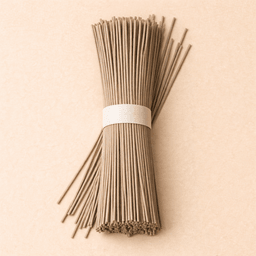
Soba Noodles (Buckwheat)
Japanese buckwheat noodles with a nutty flavor
What is this ingredient?
## Origin and tradition
Soba noodles have a rich history dating back to Japan’s Edo period (1603-1868). These traditional noodles are made with buckwheat flour (Fagopyrum esculentum) and belong to both everyday meals and seasonal occasions. In Japan they are served cold with tsuyu dipping sauce, warm in broth, or as toshikoshi soba around New Year’s Eve.
## Buckwheat as a pseudo-cereal
Botanically, buckwheat is not a true grain but a pseudo-cereal related to rhubarb. This gives soba noodles a different nutritional profile from many wheat noodles. Authentic soba contains a clear proportion of buckwheat, while juwari soba is made entirely from buckwheat. Only the 100% buckwheat variety is naturally gluten-free; many commercial soba noodles also contain wheat flour, so the label matters.
## Nutritional profile and compounds
Per 100 g of dry noodles, soba provides plant protein and naturally contains minerals such as magnesium and iron, as well as folate. Buckwheat is known for its amino acid profile and contains all nine essential amino acids, although serving size, preparation, and buckwheat percentage determine the final nutritional value of the meal.
Buckwheat also contains polyphenols such as rutin and quercetin. Rutin is a flavonoid strongly associated with buckwheat and is often discussed in nutrition research alongside other phenolic compounds. D-chiro-inositol is also present in buckwheat and is studied in scientific literature within the broader context of carbohydrate metabolism.
## Texture, flavor, and use
Soba has a nutty, earthy flavor with a slightly bitter undertone. Its texture is firmer and more brittle than wheat noodles, especially in 100% buckwheat versions. Cook soba briefly, rinse the noodles under cold water, and serve with dashi, soy sauce, nori, scallion, ginger, sesame, or tofu. This keeps the noodles loose, fresh, and clearly flavored.
## Recognizing quality
When buying soba, check the buckwheat percentage. Many soba noodles contain 40-60% buckwheat plus wheat, which gives a more elastic texture but makes them unsuitable for strict gluten-free eating. Juwari soba is darker, more aromatic, and breaks more easily, but it delivers the clearest buckwheat character.
How does it taste?
Nutty and earthy from the buckwheat flour, with a mild bitterness and a firm bite.
Pairs well with:
Pairs well with dashisoy saucewasabinoriscallionsesamegingerand tofu.
Did you know...?
- In Japan, it is traditional to eat toshikoshi soba on New Year’s Eve; the long noodles symbolize a long path through life.
- Soba literally means ‘buckwheat’ in Japanese, but the word is also used for the noodles made from it.
Nutritional Value & Energy
Per 100g
Soba Noodles (Buckwheat) provides energy thanks to natural nutrients .
Per 100g
Minerals
Vitamins
More nutrients
B-Vitamins
Trace Minerals
What's in a serving?
1 serving (dry)
Soba noodles (buckwheat) naturally contain iron (2.5 mg per 100 g).
Soba noodles (buckwheat) naturally contain magnesium (58 mg per 100 g).
Soba noodles (buckwheat) naturally contain folate (30 mcg per 100 g).
% of daily reference intake (DRI)
EU-approved nutrition claims
This ingredient contains nutrients with EFSA-authorized health claims at nutrient level, not specifically for this ingredient.
Approved health claims (EU)
Magnesium EU 432/2012
Magnesium contributes to normal muscle function
Contains 58mg/100g (threshold: ≥56.25mg/100g)
Magnesium EU 432/2012
Magnesium contributes to the reduction of tiredness and fatigue
Contains 58mg/100g (threshold: ≥56.25mg/100g)
Magnesium EU 432/2012
Magnesium contributes to normal functioning of the nervous system
Contains 58mg/100g (threshold: ≥56.25mg/100g)
Iron EU 432/2012
Iron contributes to normal energy-yielding metabolism
Contains 2.5mg/100g (threshold: ≥2.1mg/100g)
Iron EU 432/2012
Iron contributes to the reduction of tiredness and fatigue
Contains 2.5mg/100g (threshold: ≥2.1mg/100g)
Folate EU 432/2012
Folate contributes to normal blood formation
Contains 30mcg/100g (threshold: ≥30mcg/100g)
Folate EU 432/2012
Folate contributes to normal amino acid synthesis
Contains 30mcg/100g (threshold: ≥30mcg/100g)
Folate EU 432/2012
Folate contributes to normal homocysteine metabolism
Contains 30mcg/100g (threshold: ≥30mcg/100g)
Folate EU 432/2012
Folate contributes to normal psychological function
Contains 30mcg/100g (threshold: ≥30mcg/100g)
Folate EU 432/2012
Folate contributes to the normal function of the immune system
Contains 30mcg/100g (threshold: ≥30mcg/100g)
Folate EU 432/2012
Folate has a role in the process of cell division
Contains 30mcg/100g (threshold: ≥30mcg/100g)
Folate EU 432/2012
Folate contributes to maternal tissue growth during pregnancy
Contains 30mcg/100g (threshold: ≥30mcg/100g)
Magnesium EU 432/2012
Magnesium contributes to normal energy-yielding metabolism
Contains 58mg/100g (threshold: ≥56.25mg/100g)
Magnesium EU 432/2012
Magnesium contributes to electrolyte balance
Contains 58mg/100g (threshold: ≥56.25mg/100g)
Magnesium EU 432/2012
Magnesium contributes to normal protein synthesis
Contains 58mg/100g (threshold: ≥56.25mg/100g)
Magnesium EU 432/2012
Magnesium contributes to normal psychological function
Contains 58mg/100g (threshold: ≥56.25mg/100g)
Magnesium EU 432/2012
Magnesium contributes to the maintenance of normal bones
Contains 58mg/100g (threshold: ≥56.25mg/100g)
Magnesium EU 432/2012
Magnesium contributes to the maintenance of normal teeth
Contains 58mg/100g (threshold: ≥56.25mg/100g)
Magnesium EU 432/2012
Magnesium has a role in the process of cell division
Contains 58mg/100g (threshold: ≥56.25mg/100g)
Iron EU 432/2012
Iron contributes to normal cognitive function
Contains 2.5mg/100g (threshold: ≥2.1mg/100g)
Iron EU 432/2012
Iron contributes to normal formation of red blood cells and haemoglobin
Contains 2.5mg/100g (threshold: ≥2.1mg/100g)
Iron EU 432/2012
Iron contributes to normal oxygen transport in the body
Contains 2.5mg/100g (threshold: ≥2.1mg/100g)
Iron EU 432/2012
Iron contributes to the normal function of the immune system
Contains 2.5mg/100g (threshold: ≥2.1mg/100g)
Iron EU 432/2012
Iron has a role in the process of cell division
Contains 2.5mg/100g (threshold: ≥2.1mg/100g)
What's being researched?
Soba noodles and rutin intake
The rutin content of buckwheat soba noodles and the amount retained after cooking are being studied within nutrition research on buckwheat products.
Supported by: [2] Giménez-Bastida JA (2015)
Good Combinations (Synergy)
Combine soba noodles (buckwheat) smartly to enhance the effect:
Soba Noodles (Buckwheat) 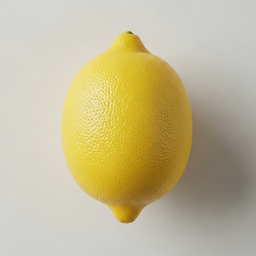 Lemon
Lemon Vitamin C protects rutin and increases quercetin bioavailability
Ascorbic acid stabilizes rutin and improves quercetin absorption (PMID: 25280405)
Technical: Rutin from buckwheat is oxidatively sensitive and breaks down to quercetin. Vitamin C from lemon protects rutin against oxidation and increases quercetin absorption in the gut. Quercetin is the bioactive form with broad antioxidant activity.
What does this mean for you? Squeeze lemon over your soba noodles — the vitamin C protects the rutin and helps your body absorb more bioactive quercetin.
Soba Noodles (Buckwheat) 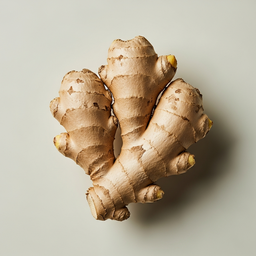 Ginger
 Gingerol increases rutin bioavailability + dual bioactive action
Gingerol stimulates gut motility and promotes microbial conversion of rutin to quercetin
Technical: Rutin from buckwheat (100mg/100g) is converted by gut flora to quercetin. Gingerol from ginger promotes gut motility and increases contact time of rutin with gut bacteria, producing more quercetin. Additionally, gingerol influences COX-2 activity while quercetin influences LOX-5 — complementary molecular pathways. Traditional Japanese combination (tempura soba).
What does this mean for you? Soba noodles with ginger combines two bioactive ingredients. The ginger helps your body extract more quercetin from the buckwheat and adds its own bioactive profile.
Soba Noodles (Buckwheat) 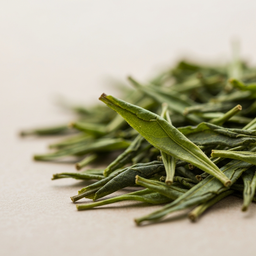 Green Tea
 Complementary flavonoid-catechin antioxidant protection
Rutin strengthens capillaries and reduces permeability, EGCG neutralizes reactive oxygen species
Technical: Buckwheat in soba contains rutin (100mg/100g), a flavonoid strengthening capillaries. Green tea provides EGCG catechins neutralizing ROS. Together they give complementary antioxidant protection: rutin for vessel walls, EGCG at cellular level. Traditional Japanese combination.
What does this mean for you? Drink green tea with soba noodles like the Japanese do. Both enhance each other for strong blood vessels and cellular protection.
Recipes with Soba Noodles (Buckwheat)
Discover delicious recipes featuring soba noodles (buckwheat):
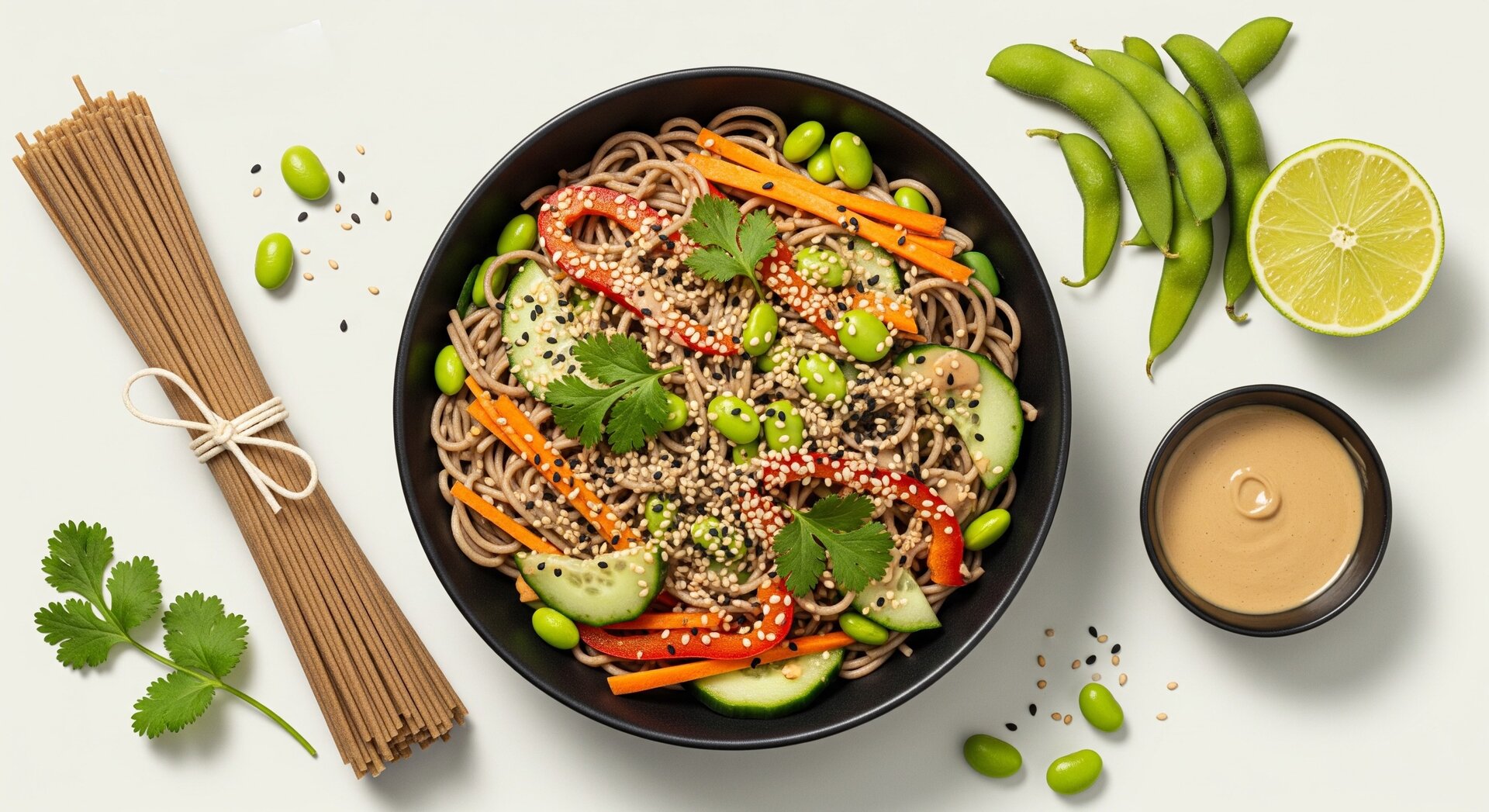 Asian Sesame-Soba Noodle Salad with Edamame 25 min Cold noodle salad with sesame dressing and edamame
  751 kcal
  31g protein 1 synergies
 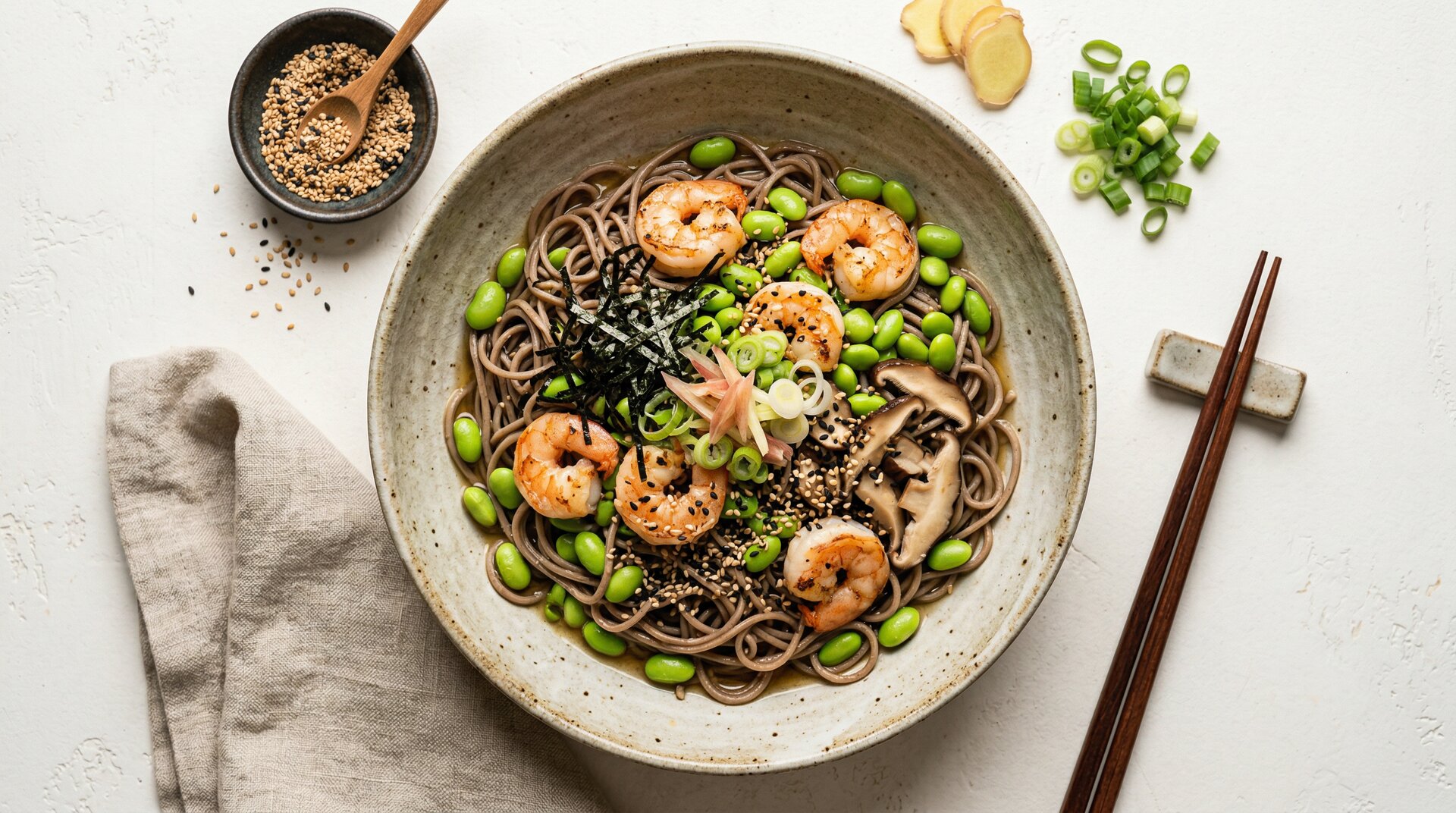 Japanese Shrimp Edamame Soba Noodles 25 min Buckwheat noodles with shrimp, edamame and an umami dressing 560 kcal 34g protein 2 synergies
 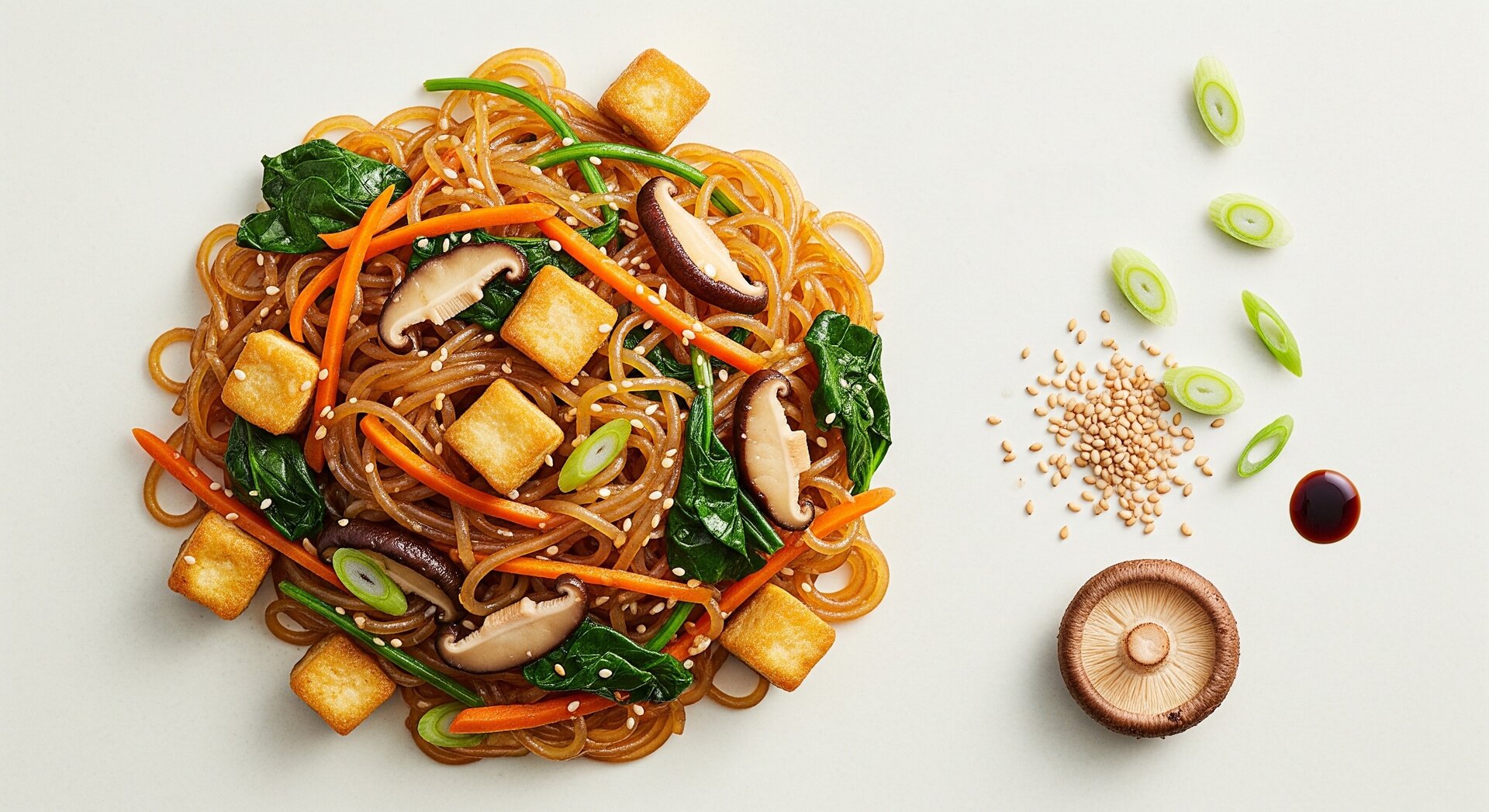 Korean Japchae with Pan-Fried Tofu 45 min Glass noodles with tofu & sesame vegetables 787 kcal 34g protein 2 synergies
 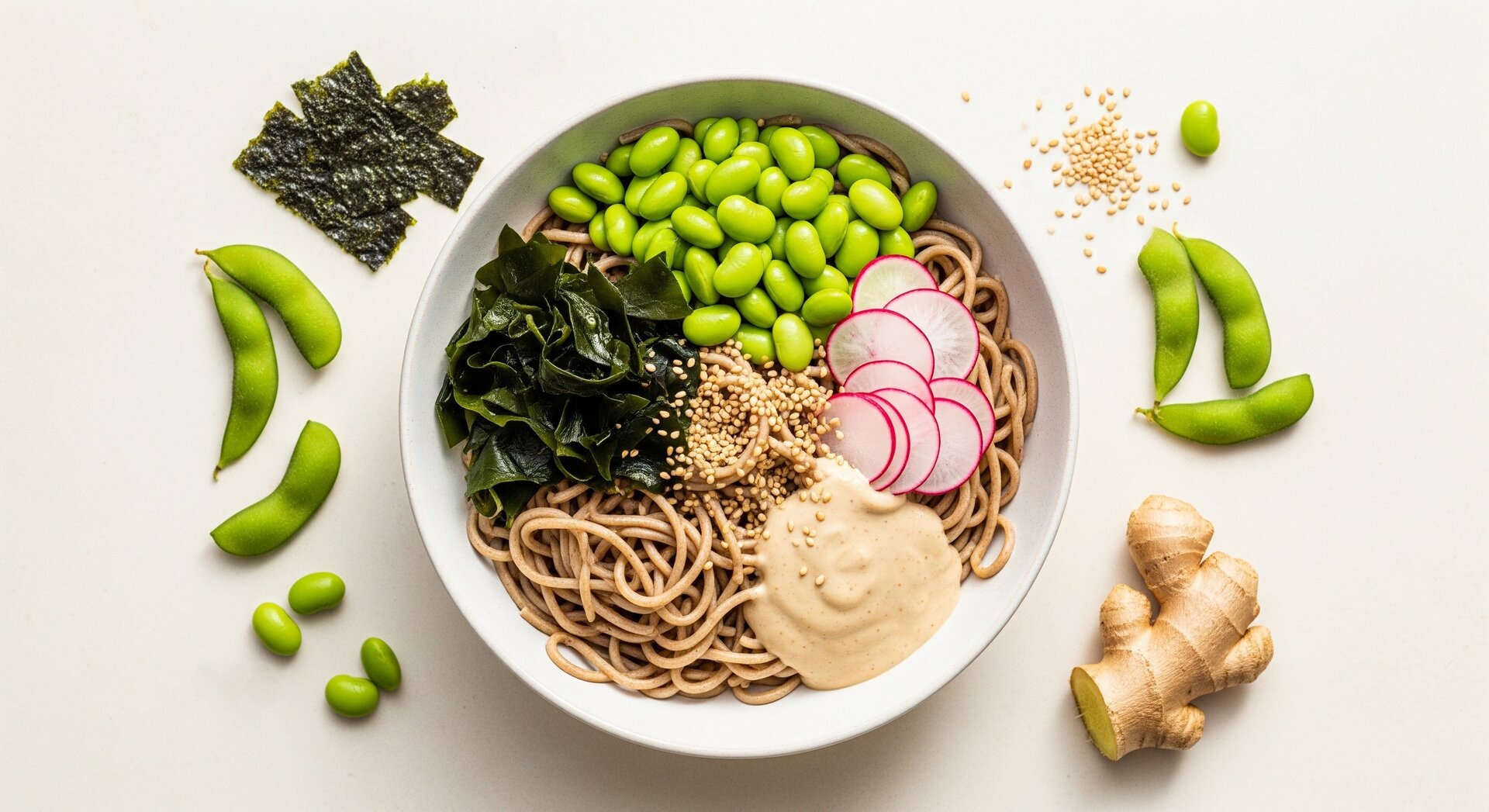 Cold Japanese Soba with Edamame and Seaweed 30 min Refreshing noodles with sesame-tahini dressing 820 kcal 35g protein 2 synergies
  In the Kitchen
Storage
Location:Pantry
Shelf life:12 maanden (gedroogd, ongeopend)
Preparation
Cook for 4-5 minutes in plenty of boiling water. Stir gently, because 100% buckwheat soba breaks easily. Rinse after cooking under cold water to remove excess starch. Serve cold with dipping sauce or warm in broth.
Substitutes
Smart preparation
1Cook soba noodles in plenty of unsalted water, usually for 4-5 minutes or according to the package.
2Rinse soba immediately after cooking under cold water.
Why?
This removes excess starch, stops the cooking, and gives the noodles their typical separate bite.
3Check the label: soba may contain wheat; choose 100% buckwheat or certified gluten-free when needed.
Caution / Warnings
Soba Noodles (Buckwheat) is very safe, but there are scientific considerations:
Buckwheat allergy Severe
Buckwheat allergy can cause severe reactions, especially in people who already react to certain seeds, nuts, or grain products. Possible symptoms range from skin reactions to breathing difficulties or anaphylaxis.
Advice:
Avoid buckwheat products if you have a known allergy. If unsure, try a small amount first and stop if symptoms appear. Contact a doctor for allergic reactions or if you have previously had a severe reaction to food.
Gluten in mixed soba Moderate
Many commercial soba noodles contain wheat flour alongside buckwheat. This makes them unsuitable for people with celiac disease or for anyone who must eat strictly gluten-free.
Advice:
For celiac disease or gluten sensitivity, choose only certified gluten-free 100% buckwheat soba, often called juwari soba. Always check the label and watch for possible cross-contact.
Traditional use
Southeast Asian
Japanese buckwheat noodle tradition
Soba noodles have been eaten in Japan since the Edo period. Toshikoshi soba on New Year’s Eve symbolizes closing the old year and welcoming a new beginning.
Summary
Soba noodles are Japanese buckwheat noodles with a nutty flavor, plant protein, and rutin, a flavonoid naturally found in buckwheat. Choose 100% buckwheat soba if you need a strictly gluten-free option.