- Medium
- 45 min
- 2 serv.
- 11 synergies
- Now at its best: Spinach
Korean glass noodles with crispy pan-fried tofu, vegetables and sesame oil. A colorful dish with the typical sweet-savory Korean flavors of soy sauce and sesame.
Japchae appears at every Korean celebration — from birthdays to New Year. Not because it's complicated, but because those glossy glass noodles with their slightly chewy bite appeal to everyone. The tofu goes into the pan first: patiently fried until the edges are golden and crispy while the center stays soft. Each vegetable is cooked separately — the carrot keeps its bite, the shiitake develops deep umami, the spinach is just briefly blanched and squeezed dry. Only at the end does everything come together with the sauce of soy sauce, sesame oil and a touch of honey. The sesame seeds go on only when the plate hits the table. Japchae is just as delicious at room temperature as it is warm — ideal for making ahead.
- 25
- min prep
- 20
- min cook
- 45
- min total
Nutritional Synergies
This recipe combines ingredients that enhance each other:
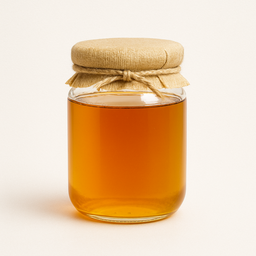 Honey
Honey 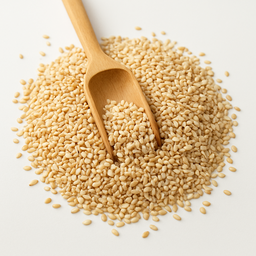 Sesame Seeds
 Honey antioxidants + sesame lignans for antioxidant support
Technical: Honey's water-soluble antioxidants (phenolic acids, flavonoids) and sesame seed's fat-soluble lignans (sesamin) provide antioxidant support in different compartments. Honey's fructose provides quick energy, sesame's fats and proteins give sustained satiety.
What does this mean for you? Sesame seeds with honey (as in Japanese dishes) combines quick energy with sustained satiety and broad antioxidant support.
EnergyAnti-inflammatorySkin & Hair
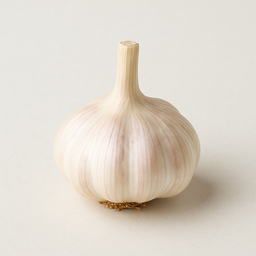 Garlic Honey
 Fermented: allicin + bee defensin in traditional condiment
Technical: Raw garlic contains alliin converted by alliinase to allicin — an organosulfur compound with bioactive properties — when cut. Raw honey contains hydrogen peroxide, bee defensin-1 and methylglyoxal. Fermenting garlic in honey increases bioavailability of S-allylcysteine (SAC), a more stable bioactive metabolite.
What does this mean for you? Submerge raw garlic cloves in raw honey and ferment for 2-4 weeks. You get a traditional condiment with concentrated bioactive compounds — an ancient fermentation technique that increases bioavailability.
Immune System
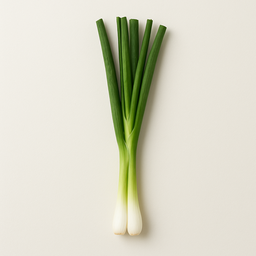 Spring Onion
 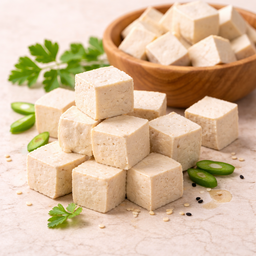 Tofu
Tofu Allicin improves iron absorption from plant sources
Technical: Tofu contains 5.4mg non-heme iron per 100g, but also phytate (inositol hexaphosphate) that binds iron. Green onion's sulfur compounds (allyl sulfides) reduce phytate binding through pH lowering in the gut. Vitamin C in green onion (18.8mg/100g) reduces Fe³⁺ to Fe²⁺ for better absorption via DMT-1 transport proteins.
What does this mean for you? Always garnish tofu with green onion — the sulfur compounds free iron that would otherwise remain bound to phytate. Essential for vegetarians and vegans relying on plant-based iron.
EnergyGeneral Wellness
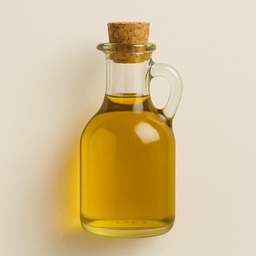 Sesame Oil Sesame Seeds
 Sesame oil fats enhance absorption of sesame seed lignans
Technical: Sesame seeds contain lignans (sesamin, sesamolin) that are fat-soluble. Sesame oil provides the ideal fat matrix for absorption. Additionally, the oil contains different bioactive forms (sesamol) that work complementarily to lignans in whole seeds.
What does this mean for you? Top dishes with both sesame seeds and a drizzle of sesame oil — you get the fiber and minerals from the seeds plus optimal lignan absorption.
HeartAnti-inflammatoryHormonal Balance
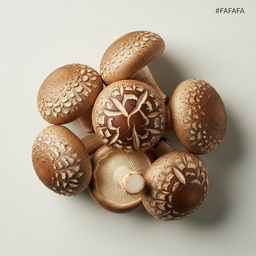 Shiitake Garlic
 Asian staple combination of shiitake and garlic
Technical: Shiitake contains lentinan, a beta-1,3-glucan that activates natural killer (NK) cells and macrophages via Dectin-1 receptors. Garlic contains allicin, which acts through a different biochemical pathway involving T-cells and interferon production. The two ingredients thus combine distinct bioactive compounds.
What does this mean for you? Stir-fry shiitake with garlic in a wok or soup — it's a staple of Asian cuisine for good reason. Good to know: vitamin D contributes to the normal function of the immune system (EFSA-approved), and UV-exposed shiitake is one of the few plant-based sources of it.
Immune System
Shiitake 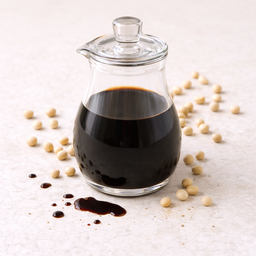 Soy Sauce
 Double umami for satiety + less salt needed
Technical: Shiitake contains guanylate (GMP), soy sauce contains glutamate (MSG). Together they create 'umami synergy' — the flavor-enhancing effect is 7-8x stronger than either alone. This activates T1R1/T1R3 receptors on the tongue AND in the stomach, triggering satiety signals.
What does this mean for you? Use shiitake with soy sauce instead of extra salt. You need less soy sauce for the same flavor intensity, supporting sodium reduction.
Weight LossHeart
Shiitake 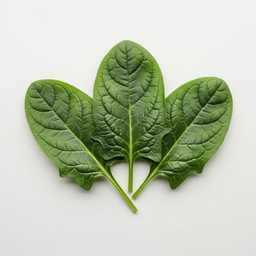 Spinach
 Vitamin D + K synergy for bone health
Technical: UV-exposed shiitake (or shiitake that has been in the sun) contains vitamin D2 (up to 1100 IU per 100g). Spinach contains 483μg vitamin K per 100g. Vitamin D increases calcium absorption, vitamin K activates osteocalcin that directs calcium to bones. Together they optimize calcium use.
What does this mean for you? Stir-fry shiitake with spinach in olive oil (fat needed for D absorption). Place shiitake in the sun for 15-60 minutes before cooking to increase vitamin D content.
JointsImmune System
Spinach Sesame Oil Sesame oil increases fat-soluble vitamin absorption from spinach 3-5x
Technical: Spinach contains vitamin K (483μg/100g, 400% RDI), beta-carotene and lutein - all fat-soluble. Sesame oil contains lignans (sesamin) that act as antioxidants and 50% monounsaturated fats that stimulate micelle formation.
What does this mean for you? Drizzle spinach with sesame oil (Korean/Japanese style) for maximum nutrient absorption. This is why namul (Korean spinach) is always made with sesame oil.
EnergyGeneral WellnessSkin & Hair
Spinach Sesame Seeds Iron + calcium + copper: mineral synergy
Technical: Spinach contains 2.7mg iron per 100g (15% RDI). Sesame seeds contain 975mg calcium per 100g (highest of all seeds!) plus 14.5mg iron. The combination delivers a rich mineral dose. Sesame seeds also contain copper (4.1mg/100g) — copper contributes to normal iron transport in the body (EFSA-approved).
What does this mean for you? Korean namul (sesame spinach) is not only delicious but also exceptionally mineral-rich. Copper from sesame seeds contributes to normal iron transport. Ideal for vegetarians.
EnergyJointsMuscle Gain
Tofu Sesame Seeds Calcium synergy: double plant-based calcium source
Technical: Tofu (prepared with calcium sulfate) contains 350mg calcium per 100g. Sesame seeds provide 975mg calcium per 100g. Tofu's isoflavones improve calcium absorption. Good to know: calcium is needed for the maintenance of normal bones (EFSA-approved).
What does this mean for you? Serve tofu with sesame (tahini sauce or sesame seeds) for a rich plant-based calcium intake. Two of the best plant-based calcium sources in one dish.
JointsGeneral Wellness
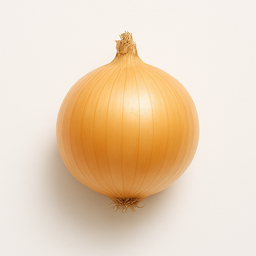 Onion Garlic
 More than 20 organosulfur compounds in one soffritto
Technical: Onion contains diallyl disulfide and quercetin (20-40mg/100g). Garlic contains allicin, ajoene and S-allylcysteine. Together they provide more than 20 different organosulfur compounds that modulate NF-κB. Allium crops are intensively studied in nutrition science for their unique sulfur chemistry.
What does this mean for you? Start every dish with sautéed onion and garlic — not just for flavor, but for the unique concentration of organosulfur compounds. Cut garlic 10 minutes before heating to allow allicin formation.
DigestionImmune System
Ingredients (13)
- Tofu — 200 g firm, cubed
-
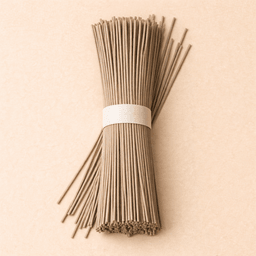 Soba Noodles (Buckwheat) — 200 g or sweet potato glass noodles
 - Spinach — 200 g
Instructions
- 1 Press tofu 15 min between paper towels. Cut into cubes, marinate in 1 tbsp soy sauce and pan-fry in a hot pan with a splash of oil until golden and crispy. Set aside.
- 2 Cook noodles per package instructions, rinse under cold water and cut with scissors into manageable lengths.
Nutrition per serving
Indicative values per serving.
Timing & Suitability
Shelf life: 3 days in fridge
Tags & Diet
Allergens: Soy, Sesame, Gluten