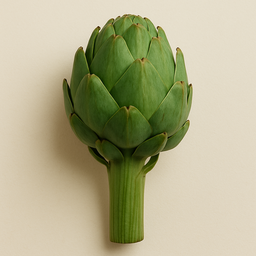
Artichoke
Rich in Cynarin and Inulin
What is this ingredient?
Artichoke (Cynara scolymus) is one of the oldest herbal plants, used by ancient Egyptians and Greeks. The secret lies in cynarin, a bitter compound concentrated in the leaves, studied in relation to bile production and for potential effects on the liver. Research indicates artichoke extract's interaction with lipid metabolism is being studied, with some trials exploring effects on cholesterol levels of 18-22%, and potential effects on the liver are also being investigated. Artichoke also contains inulin, giving it both prebiotic and liver-related properties. The high antioxidant content (ORAC score of 9,400) makes it one of the most antioxidant-rich vegetables. The 'heart' of the artichoke (the bottom) is the edible part, while the leaves are traditionally used.
How does it taste?
Subtly nutty and mildly sweet with a delicate, slightly bitter undertone.
Pairs well with:
Pairs well with lemongarlicparmesanolive oil and mint.
Varieties
Globe Artichoke
Large, round heads, most common
Baby Artichoke
Small, fully edible, no 'choke'
Purple Artichoke
Italian variety, sweeter, more anthocyanins
Did you know...?
- The artichoke is actually an unopened flower bud of a thistle plant.
- The ancient Greeks and Romans considered artichokes a delicacy.
Nutritional Value & Energy
Per 100g
Artichoke is low in calories thanks to natural nutrients , buffered by fiber.
Per 100g
Minerals
Vitamins
Omega-3 fatty acids
More nutrients
B-Vitamins
Trace Minerals
What's in a serving?
1 serving
Artichoke naturally contains folate (68 mcg per 100 g).
Artichoke naturally contains vitamin c (20 mg per 100 g).
Artichoke naturally contains vitamin k (18 mcg per 100 g).
% of daily reference intake (DRI)
EU-approved nutrition claims
This ingredient contains nutrients for which EFSA-authorized health claims exist (at nutrient level, not ingredient-specific).
Approved health claims (EU)
Vitamin_c EU 432/2012
Vitamin C contributes to the normal function of the immune system
Contains 20mg/100g (threshold: ≥12mg/100g)
Vitamin_c EU 432/2012
Vitamin C contributes to the reduction of tiredness and fatigue
Contains 20mg/100g (threshold: ≥12mg/100g)
Vitamin_c EU 432/2012
Vitamin C contributes to normal collagen formation for the normal function of skin
Contains 20mg/100g (threshold: ≥12mg/100g)
Folate EU 432/2012
Folate contributes to normal blood formation
Contains 68mcg/100g (threshold: ≥30mcg/100g)
Folate EU 432/2012
Folate contributes to normal amino acid synthesis
Contains 68mcg/100g (threshold: ≥30mcg/100g)
Folate EU 432/2012
Folate contributes to normal homocysteine metabolism
Contains 68mcg/100g (threshold: ≥30mcg/100g)
Folate EU 432/2012
Folate contributes to normal psychological function
Contains 68mcg/100g (threshold: ≥30mcg/100g)
Folate EU 432/2012
Folate contributes to the normal function of the immune system
Contains 68mcg/100g (threshold: ≥30mcg/100g)
Folate EU 432/2012
Folate has a role in the process of cell division
Contains 68mcg/100g (threshold: ≥30mcg/100g)
Folate EU 432/2012
Folate contributes to maternal tissue growth during pregnancy
Contains 68mcg/100g (threshold: ≥30mcg/100g)
Vitamin_c EU 432/2012
Vitamin C contributes to normal collagen formation for the normal function of blood vessels
Contains 20mg/100g (threshold: ≥12mg/100g)
Vitamin_c EU 432/2012
Vitamin C contributes to normal collagen formation for the normal function of bones
Contains 20mg/100g (threshold: ≥12mg/100g)
Vitamin_c EU 432/2012
Vitamin C contributes to normal collagen formation for the normal function of cartilage
Contains 20mg/100g (threshold: ≥12mg/100g)
Vitamin_c EU 432/2012
Vitamin C contributes to normal collagen formation for the normal function of gums
Contains 20mg/100g (threshold: ≥12mg/100g)
Vitamin_c EU 432/2012
Vitamin C contributes to normal collagen formation for the normal function of teeth
Contains 20mg/100g (threshold: ≥12mg/100g)
Vitamin_c EU 432/2012
Vitamin C contributes to normal energy-yielding metabolism
Contains 20mg/100g (threshold: ≥12mg/100g)
Vitamin_c EU 432/2012
Vitamin C contributes to normal functioning of the nervous system
Contains 20mg/100g (threshold: ≥12mg/100g)
Vitamin_c EU 432/2012
Vitamin C contributes to normal psychological function
Contains 20mg/100g (threshold: ≥12mg/100g)
Vitamin_c EU 432/2012
Vitamin C contributes to the protection of cells from oxidative stress
Contains 20mg/100g (threshold: ≥12mg/100g)
Vitamin_c EU 432/2012
Vitamin C contributes to the regeneration of the reduced form of vitamin E
Contains 20mg/100g (threshold: ≥12mg/100g)
Vitamin_c EU 432/2012
Vitamin C increases iron absorption
Contains 20mg/100g (threshold: ≥12mg/100g)
Vitamin_c EU 432/2012
Vitamin C contributes to maintain the normal function of the immune system during and after intense physical exercise
Contains 20mg/100g (threshold: ≥12mg/100g)
Vitamin_k EU 432/2012
Vitamin K contributes to normal blood clotting
Contains 18mcg/100g (threshold: ≥11.25mcg/100g)
Vitamin_k EU 432/2012
Vitamin K contributes to the maintenance of normal bones
Contains 18mcg/100g (threshold: ≥11.25mcg/100g)
What's being researched?
Cynarin and liver support
Cynarin in artichokes is being researched for potential liver-related effects and bile production. Clinical studies show promising results for digestive complaints, but larger trials are needed.
Supported by: [2] Elsayed Elgarawany G (2020) , [3] Speroni E (2003)
Polyphenols and antioxidant capacity
Artichokes contain high concentrations of polyphenols being studied for their antioxidant activity. In-vitro studies show promising results, but clinical evidence remains limited.
Supported by: [1] Wider (2013) , [2] Elsayed Elgarawany G (2020)
Good Combinations (Synergy)
Combine artichoke smartly to enhance the effect:
Artichoke 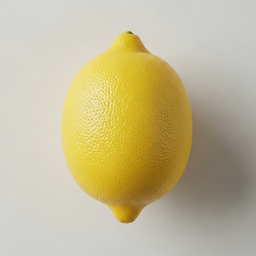 Lemon
Lemon Vitamin C protects cynarin from oxidation
Technical: Artichoke contains cynarin and chlorogenic acid — polyphenols that rapidly oxidize when exposed to air (browning). Vitamin C from lemon (53mg/100g) acts as a reductant keeping these polyphenols in their active form. Additionally, ascorbic acid enhances cynarin's choleretic effect on bile.
What does this mean for you? Sprinkle artichokes with lemon juice immediately after cutting. This prevents browning and keeps the active compounds intact. Classic in Mediterranean cuisine.
Artichoke 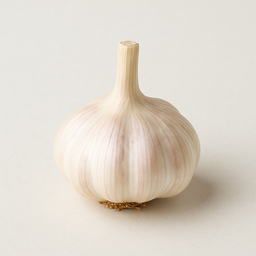 Garlic
 Double liver support via cynarin and allicin
Technical: Artichoke's cynarin is involved in bile formation and stabilizes liver cell membranes (membrane-stabilizing). Garlic's allicin and diallyl disulfide activate phase-II enzymes (glutathione S-transferase) in the liver via the Nrf2 pathway. Together they provide complementary liver support: cynarin via bile stimulation, allicin via Nrf2-mediated phase-II enzyme induction.
What does this mean for you? Artichoke with garlic butter is a culinary classic that also supports your liver doubly. Cynarin is involved in bile formation, allicin activates phase-II enzymes. Ideal as a starter.
Artichoke 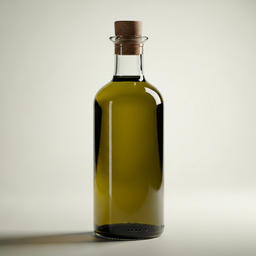 Olive Oil
 Maximum bile stimulation for fat digestion
Technical: Artichoke contains cynarin and chlorogenic acid that influence bile formation (choleretic effect) by 127%. Olive oil activates cholecystokinin (CCK) release, causing the gallbladder to contract and release bile. Together they optimize fat digestion and cholesterol clearance.
What does this mean for you? Dip artichoke leaves in olive oil dressing — you stimulate both bile production and release simultaneously. Ideal as a starter before fat-rich meals.
Recipes with Artichoke
Discover delicious recipes featuring artichoke:
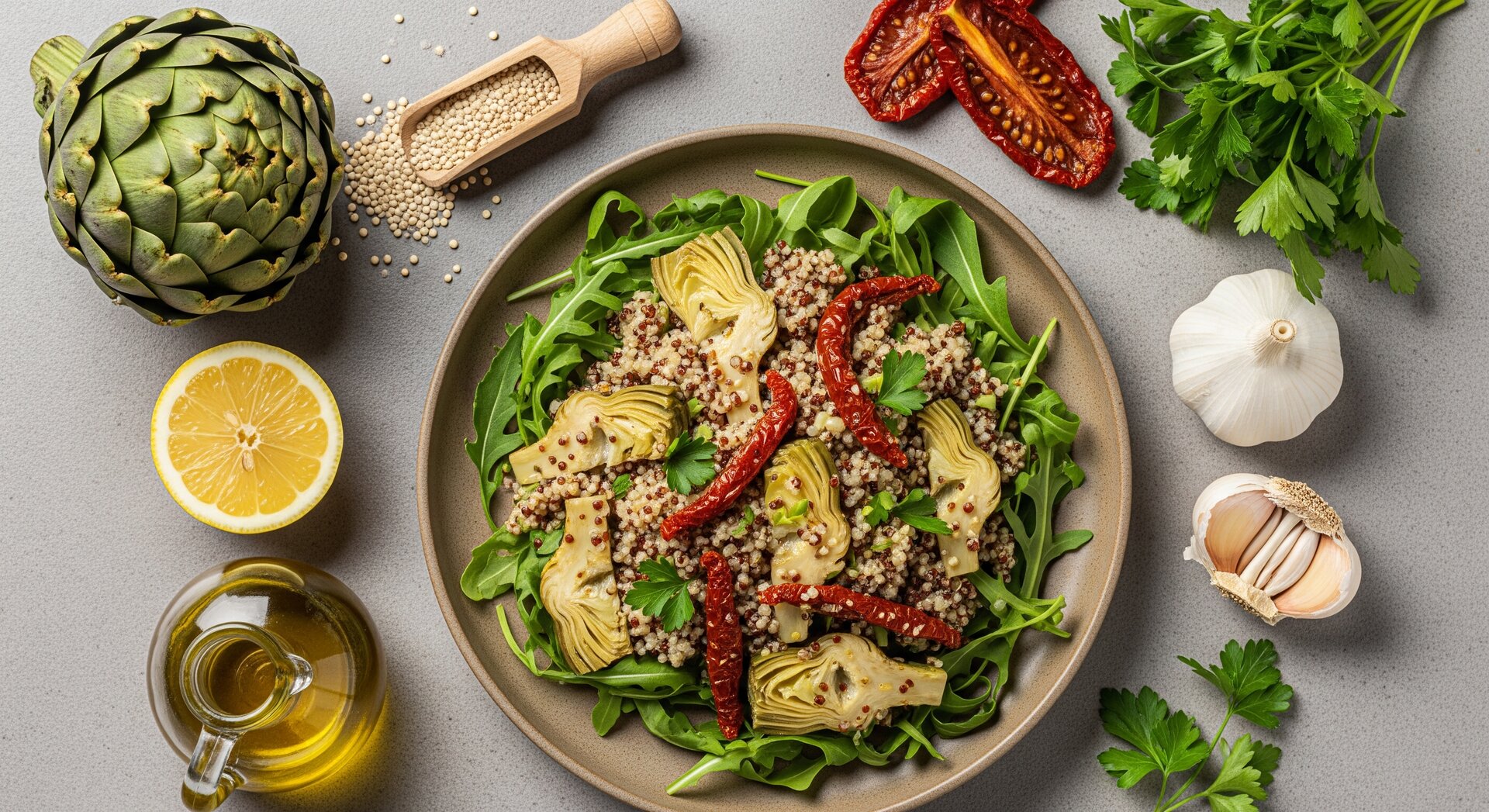 Artichoke Quinoa Lunch 25 min Mediterranean quinoa salad with artichoke
  340 kcal
  10g protein 2 synergies
 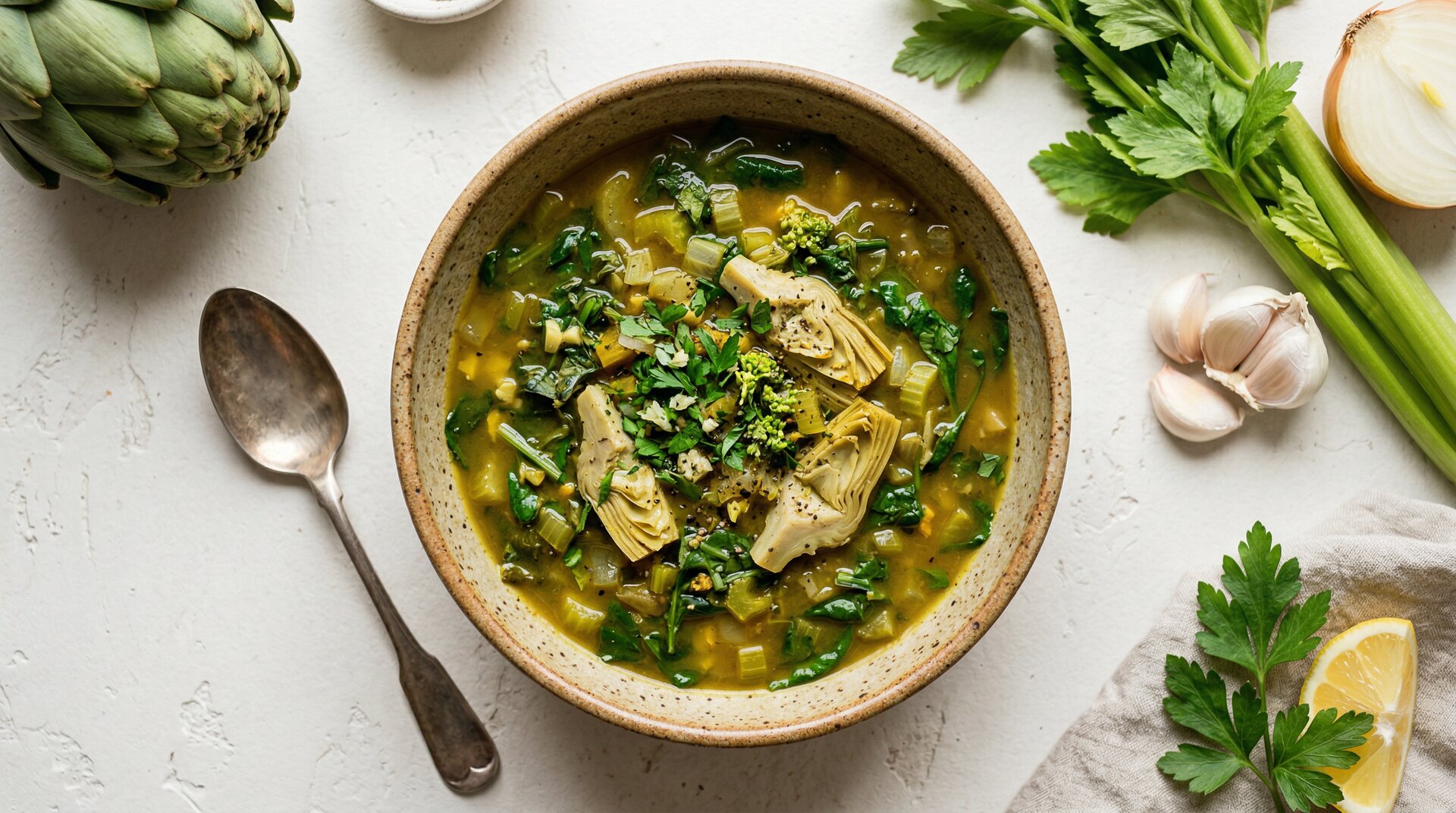 Artichoke Soup with Celery, Spinach and Lemon 36 min Velvety, fresh and gently spiced 121 kcal 3g protein 2 synergies
 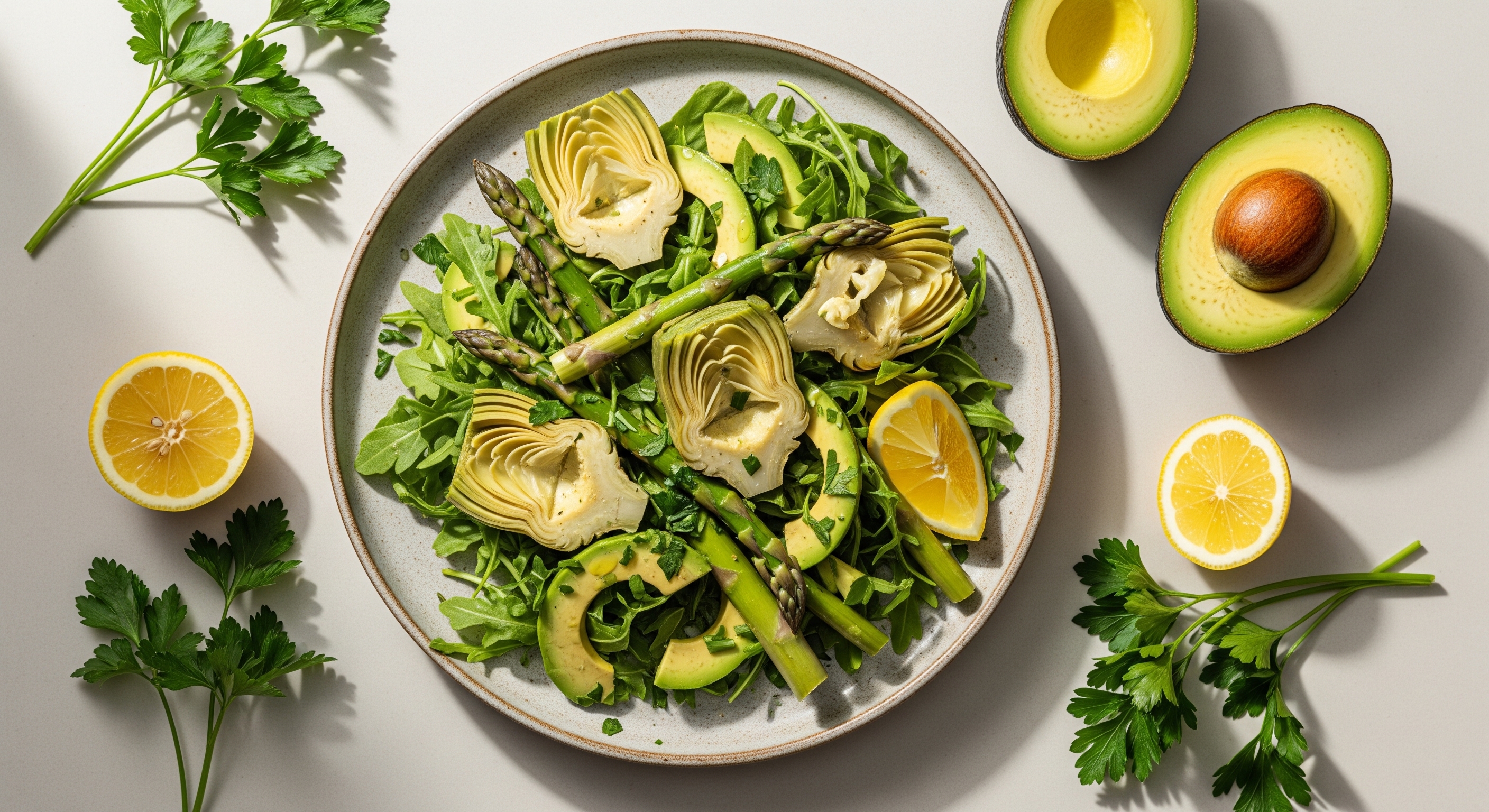 Artichoke, Asparagus and Avocado Salad 23 min Lemony, green and silky 300 kcal 6g protein 2 synergies
  In the Kitchen
Storage
Location:Refrigerator
Shelf life:5-7 dagen in koelkast
Store in plastic bag or damp cloth. Cut artichoke discolors quickly - sprinkle with lemon juice.
Preparation
Steam or boil until leaves come off easily (30-45 min). Eat with lemon juice or olive oil dip. BEST SYNERGY: the fats in olive oil activate the bile that artichoke stimulates.
Conversions
Substitutes
Smart preparation
1Rub cut surfaces with lemon to prevent discoloration.
Why?
Citric acid slows the oxidation of the flesh.
2Remove the choke in the heart with a spoon before serving.
Why?
The choke is inedible and fibrous.
3Cook artichokes in water with a splash of lemon juice.
Caution / Warnings
Artichoke is very safe, but there are scientific considerations:
Gallstones Severe
Artichoke stimulates bile production, which can mobilize gallstones
Advice:
With known gallstones: AVOID artichoke or consult doctor. Can trigger biliary colic
Bile Duct Obstruction Severe
Increased bile production is counterproductive with obstruction
Advice:
With bile duct problems: do not use without medical advice
Compositae Allergy Moderate
Artichoke belongs to the Compositae family (like chamomile, marigold)
Advice:
With allergy to chamomile, marigold or dandelion: be careful with artichoke
Traditional use
Mediterranean
Greco-Roman traditional use
Ancient Greeks and Romans consumed artichokes as a digestive aid and liver tonic. Pliny the Elder described it as one of the most expensive garden crops.
Summary
Artichoke is rich in cynarin and inulin. Cynarin is a bitter compound studied in relation to bile production. BEST SYNERGY: eat with olive oil - the fat activates bile flow. Avoid with gallstones! Pro-tip: the artichoke heart is delicious, but artichoke leaf extract supplements are also being studied.