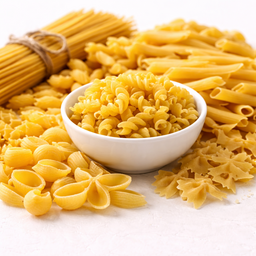
Pasta (Dried)
the athlete's fuel
What is this ingredient?
Pasta is often unfairly demonized. Quality pasta from durum wheat has a unique protein structure that 'encapsulates' the starch. As a result, the starch is digested more slowly than in soft bread or potatoes, resulting in a lower Glycemic Index (GI), especially when cooked 'al dente'. It is the ultimate source of glycogen loading for endurance athletes. Whole grain variants add extra fiber and B vitamins.
How does it taste?
Mild wheaty and neutral, absorbs the flavor of sauces and seasonings.
Pairs well with:
Pairs well with tomatobasilParmesangarlic and olive oil.
Did you know...?
- The story that Marco Polo brought pasta from China is a myth; Italians ate pasta before his travels.
- There are more than 350 officially recognized pasta shapes in Italy.
- The town of Gragnano near Naples is considered the birthplace of dried pasta.
Nutritional Value & Energy
Per 100g
Pasta (Dried) provides energy thanks to natural nutrients , buffered by fiber.
Per 100g
Minerals
Vitamins
Omega-3 fatty acids
More nutrients
B-Vitamins
Trace Minerals
Low GI means blood sugar doesn't spike quickly.
What's in a serving?
1 serving (dry)
Pasta (Dried) naturally contains selenium (63.2 mcg per 100 g).
Pasta (Dried) naturally contains manganese (0.92 mg per 100 g).
Pasta (Dried) naturally contains phosphorus (189 mg per 100 g).
Pasta (Dried) naturally contains iron (3.3 mg per 100 g).
Pasta (Dried) naturally contains copper (0.29 mg per 100 g).
Pasta (Dried) naturally contains folate (237 mcg per 100 g).
% of daily reference intake (DRI)
EU-approved nutrition claims
This ingredient contains nutrients for which EFSA-authorized health claims exist (at nutrient level, not ingredient-specific).
Approved health claims (EU)
Iron EU 432/2012
Iron contributes to normal energy-yielding metabolism
Contains 3.3mg/100g (threshold: ≥2.1mg/100g)
Iron EU 432/2012
Iron contributes to the reduction of tiredness and fatigue
Contains 3.3mg/100g (threshold: ≥2.1mg/100g)
Folate EU 432/2012
Folate contributes to normal blood formation
Contains 237mcg/100g (threshold: ≥30mcg/100g)
Folate EU 432/2012
Folate contributes to normal amino acid synthesis
Contains 237mcg/100g (threshold: ≥30mcg/100g)
Folate EU 432/2012
Folate contributes to normal homocysteine metabolism
Contains 237mcg/100g (threshold: ≥30mcg/100g)
Folate EU 432/2012
Folate contributes to normal psychological function
Contains 237mcg/100g (threshold: ≥30mcg/100g)
Folate EU 432/2012
Folate contributes to the normal function of the immune system
Contains 237mcg/100g (threshold: ≥30mcg/100g)
Folate EU 432/2012
Folate has a role in the process of cell division
Contains 237mcg/100g (threshold: ≥30mcg/100g)
Folate EU 432/2012
Folate contributes to maternal tissue growth during pregnancy
Contains 237mcg/100g (threshold: ≥30mcg/100g)
Phosphorus EU 432/2012
Phosphorus contributes to normal energy-yielding metabolism
Contains 189mg/100g (threshold: ≥105mg/100g)
Phosphorus EU 432/2012
Phosphorus contributes to the normal function of cell membranes
Contains 189mg/100g (threshold: ≥105mg/100g)
Phosphorus EU 432/2012
Phosphorus contributes to the maintenance of normal bones
Contains 189mg/100g (threshold: ≥105mg/100g)
Phosphorus EU 432/2012
Phosphorus contributes to the maintenance of normal teeth
Contains 189mg/100g (threshold: ≥105mg/100g)
Iron EU 432/2012
Iron contributes to normal cognitive function
Contains 3.3mg/100g (threshold: ≥2.1mg/100g)
Iron EU 432/2012
Iron contributes to normal formation of red blood cells and haemoglobin
Contains 3.3mg/100g (threshold: ≥2.1mg/100g)
Iron EU 432/2012
Iron contributes to normal oxygen transport in the body
Contains 3.3mg/100g (threshold: ≥2.1mg/100g)
Iron EU 432/2012
Iron contributes to the normal function of the immune system
Contains 3.3mg/100g (threshold: ≥2.1mg/100g)
Iron EU 432/2012
Iron has a role in the process of cell division
Contains 3.3mg/100g (threshold: ≥2.1mg/100g)
Copper EU 432/2012
Copper contributes to the maintenance of normal connective tissues
Contains 0.29mg/100g (threshold: ≥0.15mg/100g)
Copper EU 432/2012
Copper contributes to normal energy-yielding metabolism
Contains 0.29mg/100g (threshold: ≥0.15mg/100g)
Copper EU 432/2012
Copper contributes to normal functioning of the nervous system
Contains 0.29mg/100g (threshold: ≥0.15mg/100g)
Copper EU 432/2012
Copper contributes to normal hair pigmentation
Contains 0.29mg/100g (threshold: ≥0.15mg/100g)
Copper EU 432/2012
Copper contributes to normal iron transport in the body
Contains 0.29mg/100g (threshold: ≥0.15mg/100g)
Copper EU 432/2012
Copper contributes to normal skin pigmentation
Contains 0.29mg/100g (threshold: ≥0.15mg/100g)
Copper EU 432/2012
Copper contributes to the normal function of the immune system
Contains 0.29mg/100g (threshold: ≥0.15mg/100g)
Copper EU 432/2012
Copper contributes to the protection of cells from oxidative stress
Contains 0.29mg/100g (threshold: ≥0.15mg/100g)
Manganese EU 432/2012
Manganese contributes to normal energy-yielding metabolism
Contains 0.92mg/100g (threshold: ≥0.3mg/100g)
Manganese EU 432/2012
Manganese contributes to the maintenance of normal bones
Contains 0.92mg/100g (threshold: ≥0.3mg/100g)
Manganese EU 432/2012
Manganese contributes to the normal formation of connective tissue
Contains 0.92mg/100g (threshold: ≥0.3mg/100g)
Manganese EU 432/2012
Manganese contributes to the protection of cells from oxidative stress
Contains 0.92mg/100g (threshold: ≥0.3mg/100g)
Selenium EU 432/2012
Selenium contributes to the maintenance of normal hair
Contains 63.2mcg/100g (threshold: ≥8.25mcg/100g)
Selenium EU 432/2012
Selenium contributes to the maintenance of normal nails
Contains 63.2mcg/100g (threshold: ≥8.25mcg/100g)
Selenium EU 432/2012
Selenium contributes to the normal function of the immune system
Contains 63.2mcg/100g (threshold: ≥8.25mcg/100g)
Selenium EU 432/2012
Selenium contributes to normal thyroid function
Contains 63.2mcg/100g (threshold: ≥8.25mcg/100g)
Selenium EU 432/2012
Selenium contributes to normal spermatogenesis
Contains 63.2mcg/100g (threshold: ≥8.25mcg/100g)
Selenium EU 432/2012
Selenium contributes to the protection of cells from oxidative stress
Contains 63.2mcg/100g (threshold: ≥8.25mcg/100g)
What's being researched?
Pasta and glycemic response
The relatively low glycemic index of pasta compared to other grain products is extensively studied. The compact gluten matrix slows starch digestion, which is associated with a moderate blood glucose response.
Supported by: [1] Guzman F (2026) , [2] Robertson (2021)
Good Combinations (Synergy)
Combine pasta (dried) smartly to enhance the effect:
Pasta (Dried) 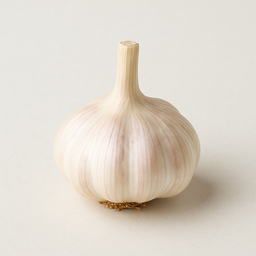 Garlic
 Carbohydrates + allicin for bioactive support and flavor
Technical: Pasta provides slow energy from complex starch (GI 40-55 for al dente). Garlic contains alliin that when crushed/cut is converted by alliinase into allicin — a bioactive organosulfur compound. Allicin influences NK cell activity and macrophage function.
What does this mean for you? Aglio e olio (pasta with garlic and olive oil) is the simplest and most scientifically supported pasta. Crush the garlic and let it rest for 10 minutes for maximum allicin formation.
Pasta (Dried) 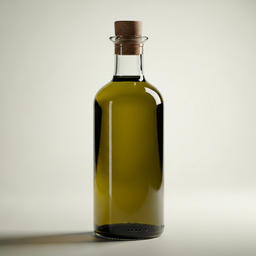 Olive Oil
 Retrograde starch + oleic acid lower glycemic index
Technical: Al dente cooked pasta already has a lower GI (40-55) than overcooked pasta (60-70). Olive oil's oleic acid (73%) slows gastric emptying via CCK release and the ileal brake mechanism. With cooled pasta (salad), resistant starch type 3 forms, a prebiotic. Studies show olive oil + pasta reduces postprandial glucose by 25-35% versus pasta without fat.
What does this mean for you? Cook pasta al dente and add good olive oil immediately. For cold pasta salad: cooled pasta + olive oil has the lowest blood sugar impact of all preparation methods.
Pasta (Dried) 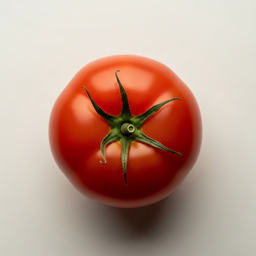 Tomato
 Carbohydrates increase lycopene absorption from tomato 2.5x
Technical: Tomatoes contain lycopene, a powerful antioxidant that is 4x better absorbed when heated. The carbohydrates in pasta increase insulin response, which improves carotenoid absorption. Additionally, olive oil (standard in pasta sauces) provides extra fat for lycopene absorption.
What does this mean for you? Pasta with tomato sauce is nutritionally smart! Cook the tomatoes at least 15 minutes for optimal lycopene availability. Always add olive oil.
Recipes with Pasta (Dried)
Discover delicious recipes featuring pasta (dried):
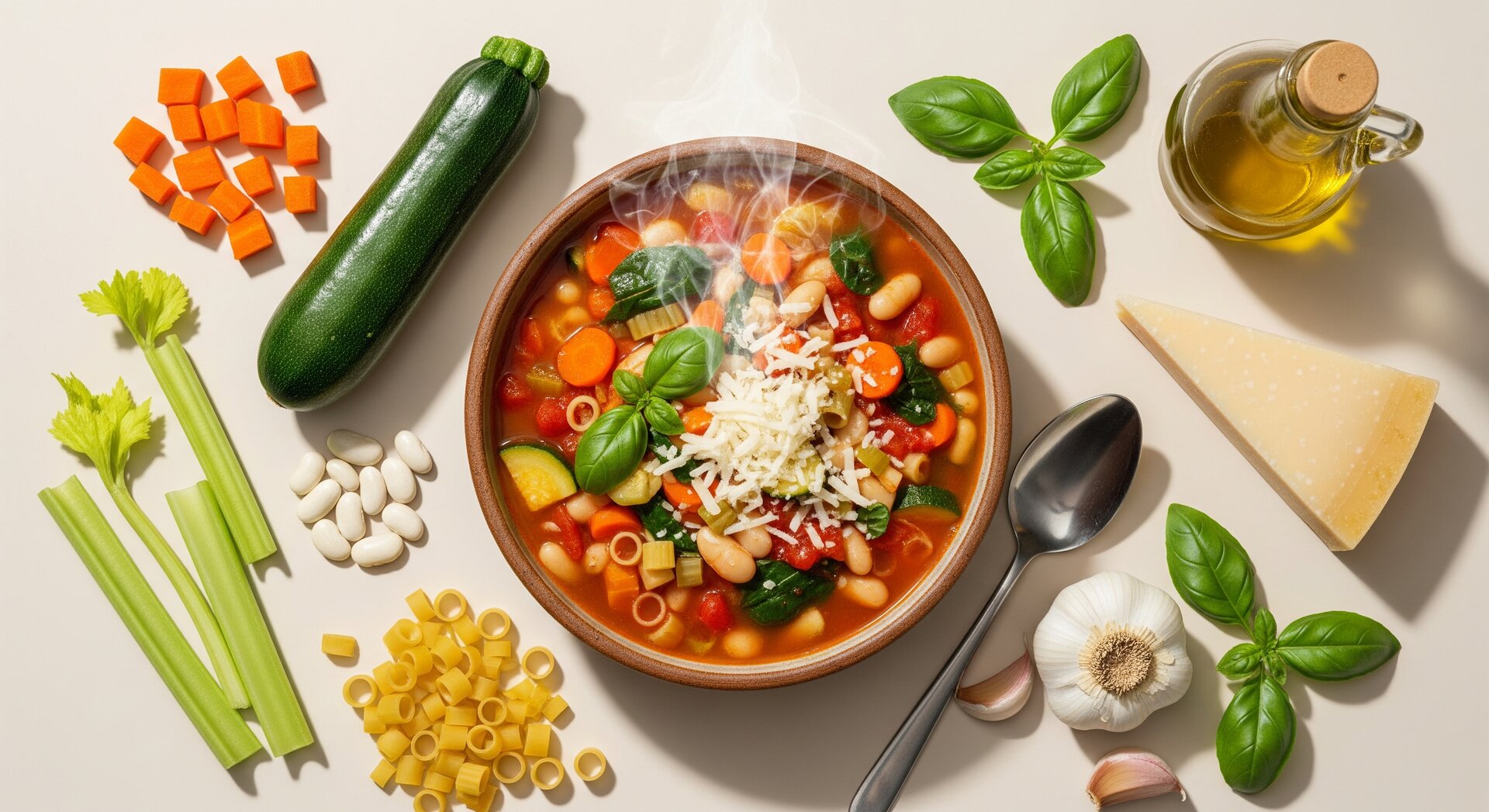 Italian Minestrone 50 min Hearty vegetable soup with white beans, small pasta and basil
  260 kcal
  12g protein 2 synergies
 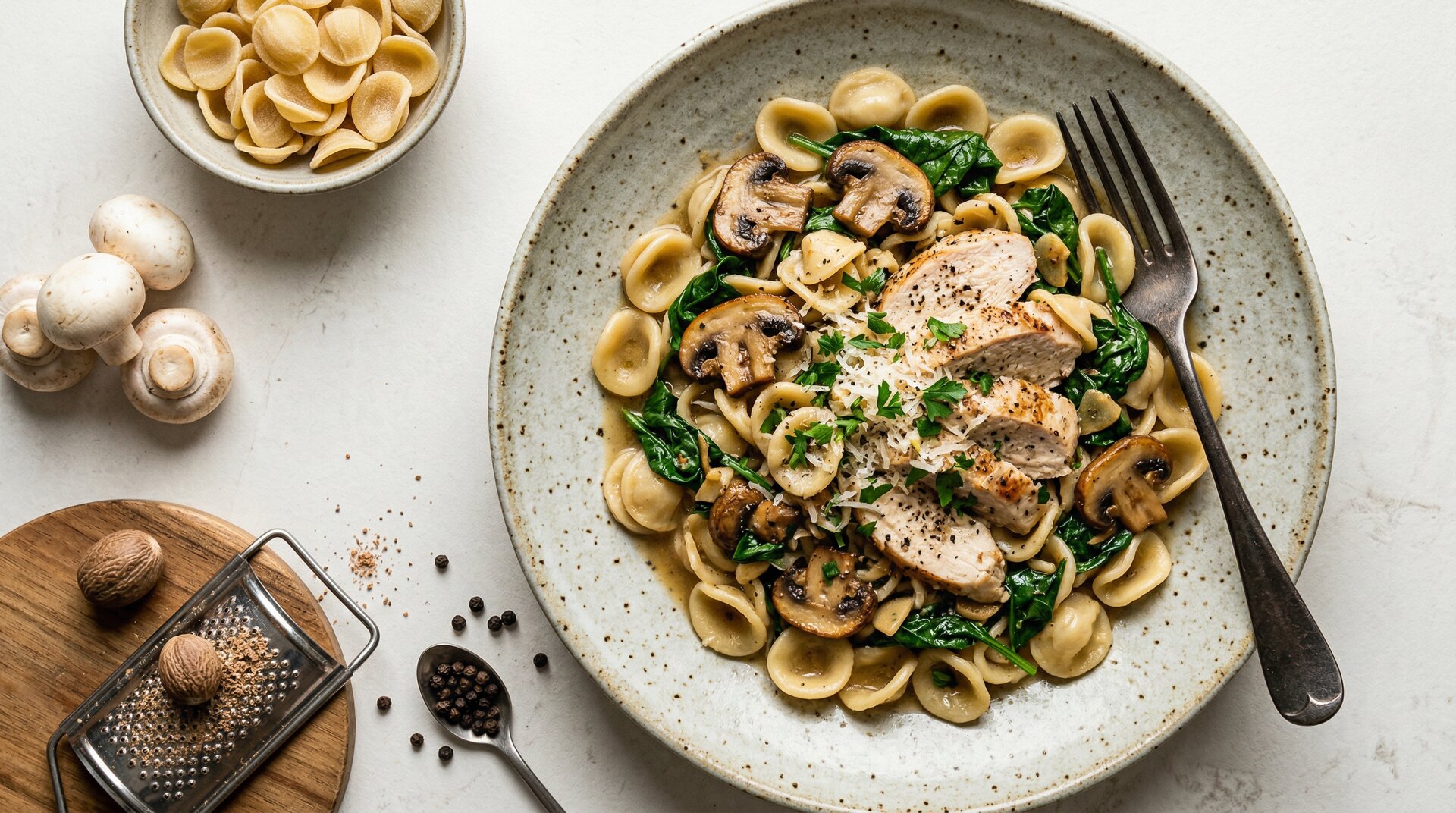 Chicken Mushroom Pasta 30 min Creamy pasta with tender chicken, mushrooms and spinach 545 kcal 40g protein 2 synergies
 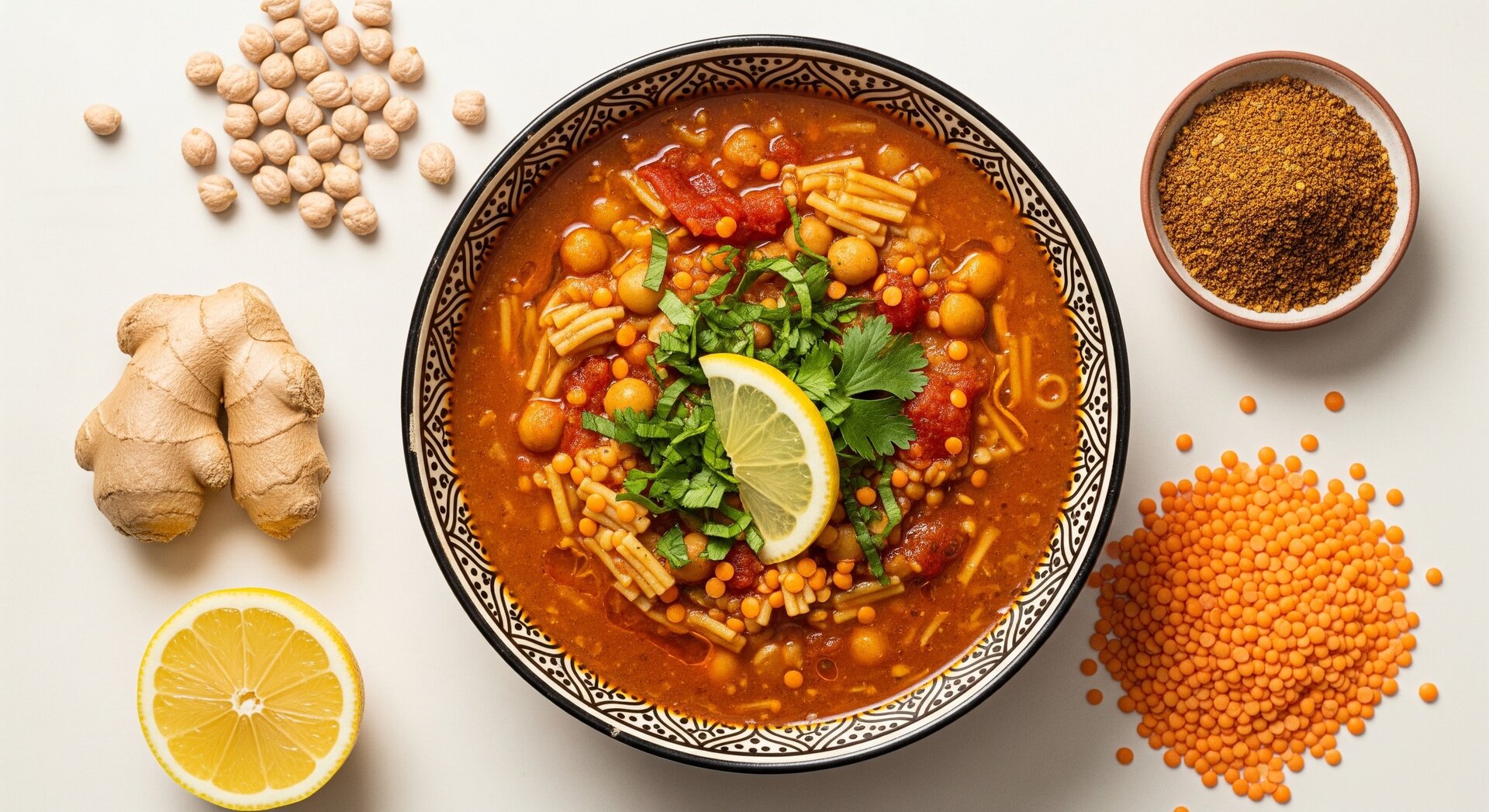 Moroccan Harira with Lentils and Chickpeas 55 min Traditional Moroccan soup with ras el hanout and fresh cilantro 784 kcal 33g protein 1 synergies
 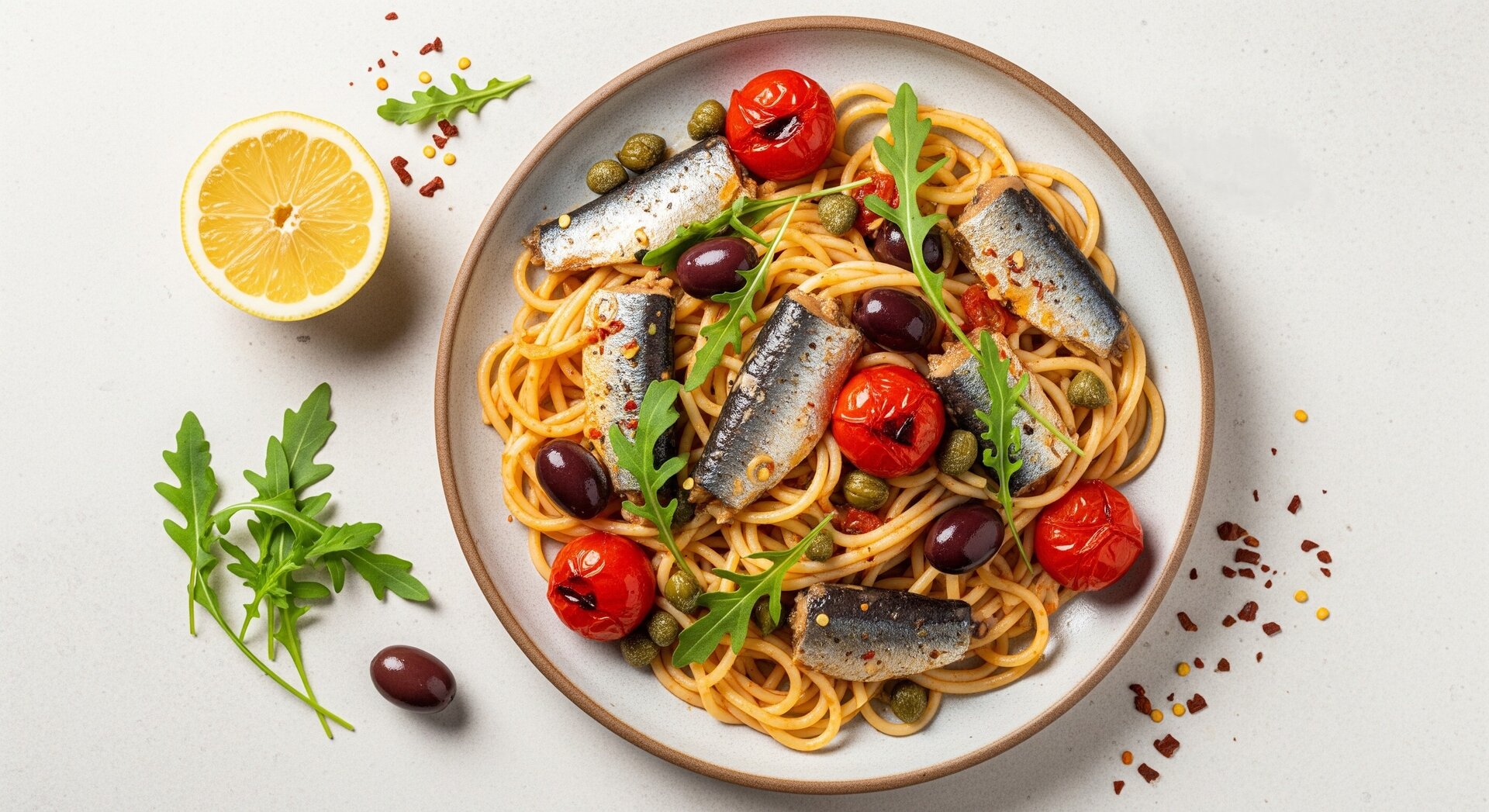 Sardine Pasta Mediterraneo 25 min Quick pasta with sardines, cherry tomatoes and arugula 804 kcal 45g protein 2 synergies
 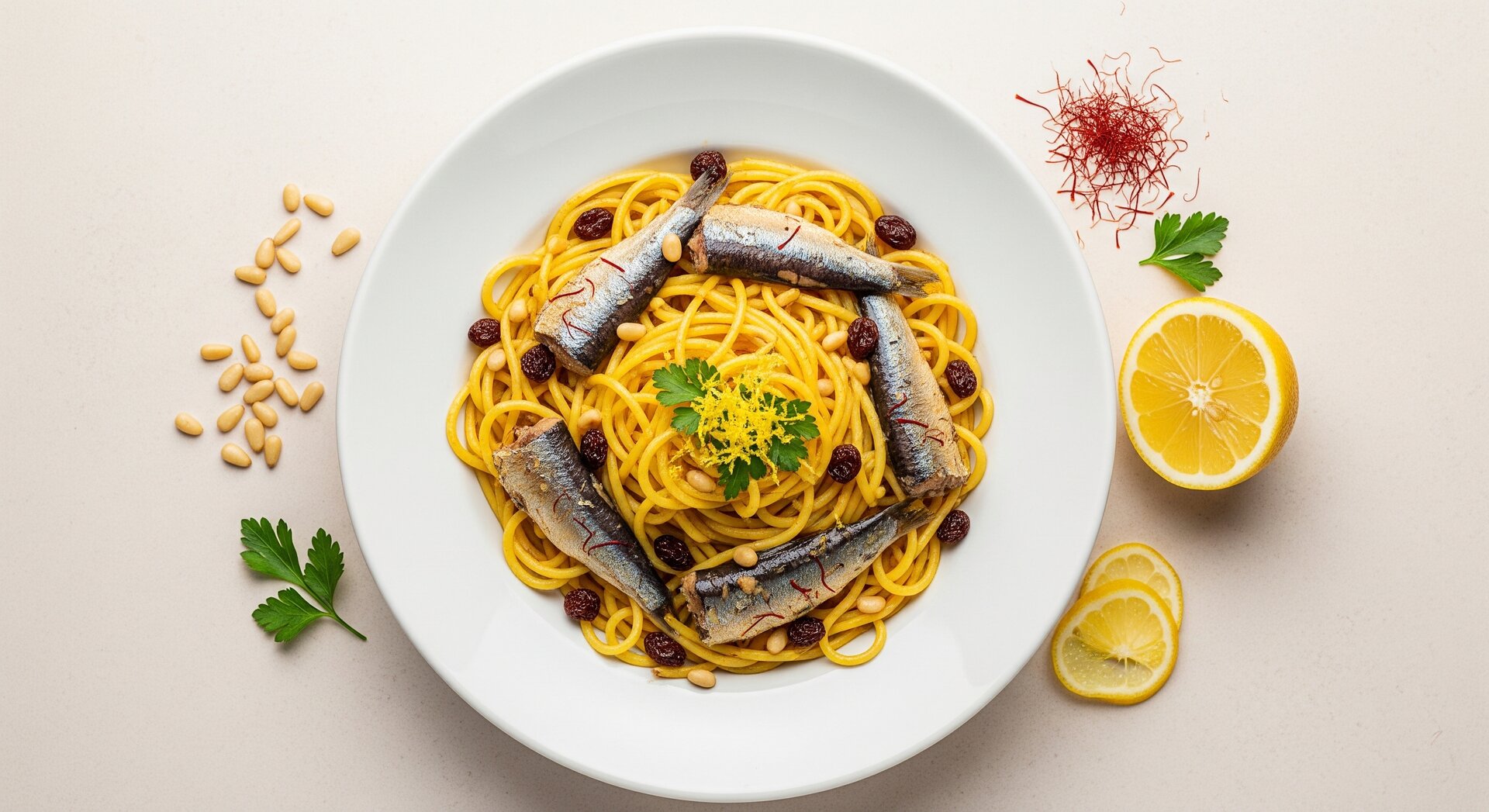 Sicilian Spaghetti with Sardines, Fennel and Saffron 30 min Briny pasta with sardines, fennel, raisins, pine nuts and lemon 795 kcal 41g protein 2 synergies
  In the Kitchen
Storage
Location:Pantry
Shelf life:2-3 jaar
In a dry jar. Pasta rarely spoils, but loses flavor.
Preparation
Plenty of boiling salted water. Cook 1-2 minutes less than package says for 'Al Dente'. Don't drain, scoop directly into sauce.
Conversions
Substitutes
Smart preparation
1Cook pasta in plenty of salted water — 1 litre per 100 grams.
2Reserve a cup of cooking water for the sauce.
Why?
The starchy water helps sauces bind and emulsify.
3Drain pasta 1 minute before the indicated time for al dente.
4Never add oil to the cooking water.
Why?
Oil prevents the sauce from adhering to the pasta.
Caution / Warnings
Pasta (Dried) is very safe, but there are scientific considerations:
Celiac Disease Severe
Advice:
Opt for lentil pasta, chickpea pasta, or brown rice pasta
Summary
Pasta is not a 'bad' carb, as long as you cook it 'al dente' and don't drown it in fatty cream sauce. Eaten cold (pasta salad), it is even healthier for your gut.