- Easy
- 50 min
- 6 serv.
- 14 synergies
- Now at its best: Tomato
A classic Italian minestrone with tomato, white beans, carrot, celery, zucchini, spinach and small pasta. The Parmesan rind simmers in the broth and gives the soup a deep, savoury flavour.
Minestrone is the kind of soup that never has to be exactly the same, yet always feels familiar. Onion, garlic, carrot and celery are gently softened first until the base turns sweet and rounded. Then tomatoes, broth and a Parmesan rind go in, slowly releasing their salty, nutty depth. The white beans make the soup hearty, the small pasta adds just enough bite, and zucchini and spinach keep everything fresh and green. By the end, the pot is full of a thick, fragrant soup that feels as if it will only taste better the next day — simple, generous and deeply Italian.
- 15
- min prep
- 35
- min cook
- 50
- min total
Nutritional Synergies
This recipe combines ingredients that enhance each other:
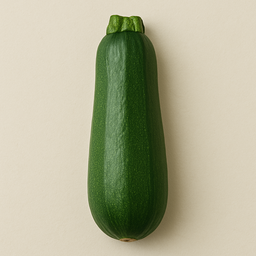 Zucchini
 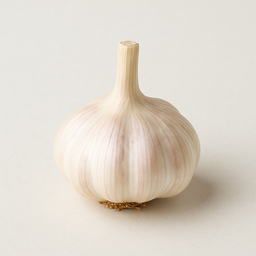 Garlic
 Potassium + allicin: complementary mineral-sulfur pathway
Technical: Zucchini contains 261mg potassium per 100g — potassium contributes to the maintenance of normal blood pressure (EFSA-approved). Garlic's allicin influences angiotensin-converting enzyme (ACE) and stimulates NO production via the nitrate-nitrite-NO pathway. Together they influence vascular physiology via two complementary mechanisms: electrolyte balance and NO signaling.
What does this mean for you? Sautéed zucchini with garlic is a simple side dish with two pathways influencing vascular physiology. Potassium from zucchini and allicin from garlic work complementarily. Add olive oil for extra polyphenols.
HeartAnti-inflammatory
Zucchini 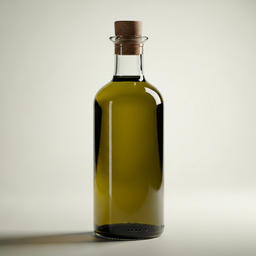 Olive Oil
 Better absorption of lutein and zeaxanthin
Technical: Zucchini contains 2125μg lutein + zeaxanthin per 100g — carotenoids that accumulate in the macula lutea (the center of the retina). These are fat-soluble and absorbed up to 6x better with olive oil. Zucchini's mild flavor makes it an ideal carrier for olive oil in various dishes.
What does this mean for you? Sauté zucchini in olive oil or grill with a drizzle of oil. Without fat you barely absorb lutein — the eye pigment that concentrates in your macula. Lutein and zeaxanthin contribute to the maintenance of normal vision.
General Wellness
Zucchini 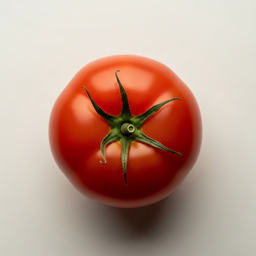 Tomato
 Lutein + lycopene: complementary carotenoids
Technical: Zucchini contains 2125μg lutein+zeaxanthin per 100g. Lutein and zeaxanthin are xanthophyll carotenoids filtering blue light in the eye's macula. Tomato contains 2573μg lycopene per 100g — a carotenoid neutralizing singlet oxygen. Together they provide two categories of carotenoids active in different tissues.
What does this mean for you? Ratatouille (zucchini + tomato + olive oil) combines two carotenoid families. Lutein from zucchini is active in the macula, lycopene from tomato in the cardiovascular system. Add olive oil — carotenoids are fat-soluble.
HeartGeneral Wellness
Olive Oil Garlic Aglio e olio: allicin + oleocanthal via complementary biochemical pathways
Technical: Garlic contains allicin (formed when cutting/crushing) that influences HMG-CoA reductase (involved in lipid metabolism). Olive oil contains oleocanthal that modulates COX-1/2 enzymes. Together they influence lipid metabolism and prostaglandin cascade via complementary biochemical pathways. The fat also helps absorb fat-soluble garlic compounds.
What does this mean for you? Gently warm garlic in olive oil (don't burn!) as the base for many dishes. This is why 'aglio e olio' pasta is so beloved — two bioactive compounds that reinforce each other.
HeartImmune System
Olive Oil Tomato Mediterranean golden rule: fat increases lycopene absorption 4x
Fat significantly increases lycopene bioavailability (PMID: 15927929)
Technical: Tomatoes contain lycopene (3-7mg per 100g), a carotenoid with strong antioxidant action. Lycopene is fat-soluble with only 10-15% absorption without fat. Olive oil increases this to 40-60% (2.5-4x improvement). Cooking further increases lycopene bioavailability.
What does this mean for you? Always add olive oil to tomato dishes — sauces, salads, bruschetta. This is why Mediterranean cuisine is so healthy. Cooked tomatoes with olive oil = maximum lycopene.
HeartSkin & Hair
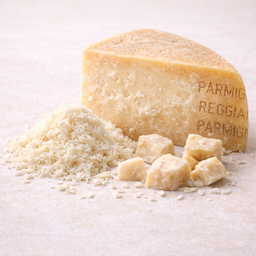 Parmesan rind Olive Oil
 Umami from parmesan + healthy fats from olive oil for flavor and satiety
Technical: Parmesan contains 1200-1680mg free glutamate per 100g — the highest concentration of all cheeses. Glutamate activates stomach-vagus nerve signals that increase satiety. Olive oil contains oleic acid (55-83%) stimulating OEA production (satiety signal) plus oleocanthal and oleuropein (bioactive polyphenols). Together: double satiety plus bioactive compounds.
What does this mean for you? Drizzle parmesan with good olive oil on pasta or salads. The umami from the cheese and the healthy fat from the oil together provide faster satiety and a rich flavor profile.
Weight LossHeartAnti-inflammatory
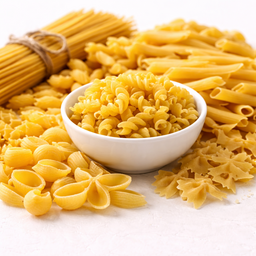 Small pasta Garlic
 Carbohydrates + allicin for bioactive support and flavor
Technical: Pasta provides slow energy from complex starch (GI 40-55 for al dente). Garlic contains alliin that when crushed/cut is converted by alliinase into allicin — a bioactive organosulfur compound. Allicin influences NK cell activity and macrophage function.
What does this mean for you? Aglio e olio (pasta with garlic and olive oil) is the simplest and most scientifically supported pasta. Crush the garlic and let it rest for 10 minutes for maximum allicin formation.
Immune SystemEnergy
Small pasta Olive Oil Retrograde starch + oleic acid lower glycemic index
Technical: Al dente cooked pasta already has a lower GI (40-55) than overcooked pasta (60-70). Olive oil's oleic acid (73%) slows gastric emptying via CCK release and the ileal brake mechanism. With cooled pasta (salad), resistant starch type 3 forms, a prebiotic. Studies show olive oil + pasta reduces postprandial glucose by 25-35% versus pasta without fat.
What does this mean for you? Cook pasta al dente and add good olive oil immediately. For cold pasta salad: cooled pasta + olive oil has the lowest blood sugar impact of all preparation methods.
Blood SugarDigestionHeart
Small pasta Tomato Carbohydrates increase lycopene absorption from tomato 2.5x
Technical: Tomatoes contain lycopene, a powerful antioxidant that is 4x better absorbed when heated. The carbohydrates in pasta increase insulin response, which improves carotenoid absorption. Additionally, olive oil (standard in pasta sauces) provides extra fat for lycopene absorption.
What does this mean for you? Pasta with tomato sauce is nutritionally smart! Cook the tomatoes at least 15 minutes for optimal lycopene availability. Always add olive oil.
HeartAnti-inflammatory
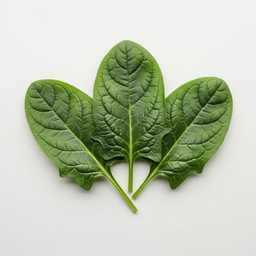 Spinach Olive Oil
 Makes fat-soluble vitamins and antioxidants available
Technical: Spinach contains 483μg vitamin K (403% RDI), 5626μg beta-carotene, 2mg vitamin E and 12.2mg lutein — all fat-soluble. Without fat only 5-10% is absorbed. Olive oil's monounsaturated fats (73% oleic acid) form micelles that increase absorption 2-5x.
What does this mean for you? Always eat spinach with olive oil or another fat source. Without fat you waste most of spinach's impressive vitamin profile. A drizzle of olive oil is essential for proper absorption.
Skin & HairJoints
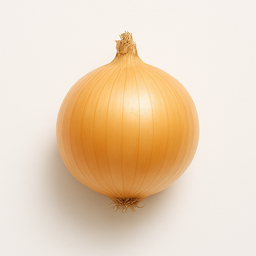 Onion Garlic
 More than 20 organosulfur compounds in one soffritto
Technical: Onion contains diallyl disulfide and quercetin (20-40mg/100g). Garlic contains allicin, ajoene and S-allylcysteine. Together they provide more than 20 different organosulfur compounds that modulate NF-κB. Allium crops are intensively studied in nutrition science for their unique sulfur chemistry.
What does this mean for you? Start every dish with sautéed onion and garlic — not just for flavor, but for the unique concentration of organosulfur compounds. Cut garlic 10 minutes before heating to allow allicin formation.
DigestionImmune System
Onion Tomato Quercetin + lycopene: synergistic polyphenol-carotenoid combination
Technical: Quercetin from onion (20-40mg/100g) and lycopene from tomato (2573μg/100g) work through different mechanisms. Quercetin chelates metal ions and modulates lipid peroxidation, lycopene quenches singlet oxygen. Combined polyphenols and carotenoids work synergistically — the combination works through complementary mechanisms.
What does this mean for you? Tomato sauce with onion is the base of nearly every Mediterranean cuisine — and rightly so. Quercetin and lycopene enhance each other's action through complementary biochemical pathways. Cooking in olive oil makes carotenoids more absorbable.
HeartAnti-inflammatory
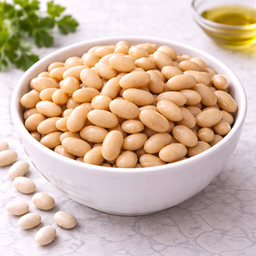 White Beans (Cannellini) Tomato
 Protein + lycopene: versatile nutritional combination
Technical: White beans provide 21g protein per 100g with high lysine (1.4g). Tomato provides lycopene (2573μg/100g), a potent carotenoid. White bean fiber (6.3g/100g) also feeds Faecalibacterium prausnitzii producing butyrate. Tomato's vitamin C (14mg) improves iron absorption from beans.
What does this mean for you? White beans in tomato sauce (cassoulet, ribollita, baked beans) is a timeless combination with protein, lycopene and fiber. Tomato also makes bean iron more absorbable.
Muscle GainHeart
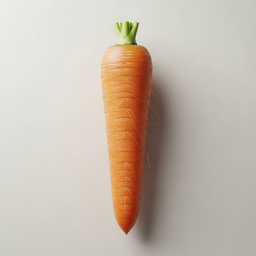 Carrot Olive Oil
 Up to 5x more beta-carotene absorption
Technical: Carrot contains 8285μg beta-carotene per 100g, but bioavailability from raw carrot is only 3-4%. Heating + olive oil increases this to 20-25%. Oleic acid (73% of olive oil) forms mixed micelles that efficiently transport beta-carotene to enterocytes for absorption.
What does this mean for you? Roast carrots with olive oil or eat them in a salad with dressing. Without fat you absorb only 3% of beta-carotene — with olive oil up to 5x more.
Skin & HairFocusImmune System
Ingredients (13)
- White Beans (Cannellini) — 400 g cooked and drained
- Tomato — 400 g canned chopped tomatoes
- Carrot — 2 pcs cut into small dice
Instructions
- 1 Heat the olive oil in a large soup pot over medium heat. Sauté the onion, garlic, carrot and celery for 5 minutes until the vegetables begin to soften.
- 2 Add the chopped tomatoes, vegetable broth and Parmesan rind and stir well.
Nutrition per serving
Indicative values per serving.
Timing & Suitability
Shelf life: 4 days in fridge
Tags & Diet
Allergens: Dairy, Gluten