- Easy
- 25 min
- 2 serv.
- 12 synergies
- Now at its best: Garlic
A classic Mediterranean pasta combining sardines with sweet cherry tomatoes, peppery arugula, capers and black olives. Finished with lemon and a touch of red pepper flakes. Ready in 25 minutes.
Canned sardines are one of the most underrated ingredients in the kitchen. This isn't student pasta — this is Sicilian cooking at its best. The sardines break down into the warm sauce of cherry tomatoes and garlic, the capers and olives give exactly that briny bite you want, and the arugula wilts into the heat of the pasta without going limp. A generous squeeze of lemon at the end opens everything up. The kind of pasta you make in twenty-five minutes and think: why don't I make this every week?
- 10
- min prep
- 15
- min cook
- 25
- min total
Nutritional Synergies
This recipe combines ingredients that enhance each other:
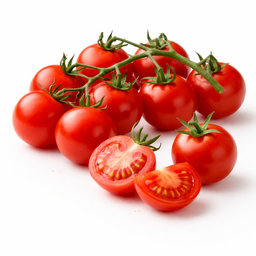 cherry tomatoes
 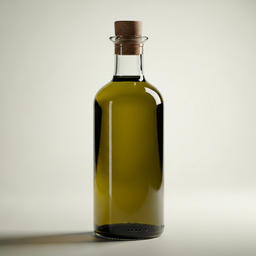 olive oil
 Olive oil increases lycopene absorption from cherry tomatoes 2-3x
Technical: Cherry tomatoes contain 2573μg lycopene per 100g. Lycopene is fat-soluble and only 2-3% absorbed without fat. Olive oil's oleic acid forms mixed micelles increasing lycopene absorption 2-3x. Cherry tomatoes contain relatively more skin (where lycopene concentrates) than regular tomatoes due to their small size.
What does this mean for you? Halve cherry tomatoes and roast in olive oil, or serve in salad with olive oil dressing. Their higher skin-to-flesh ratio means more concentrated lycopene.
HeartSkin & Hair
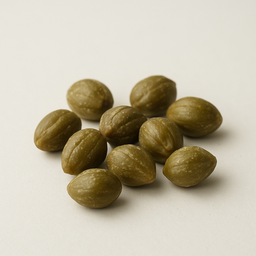 capers
 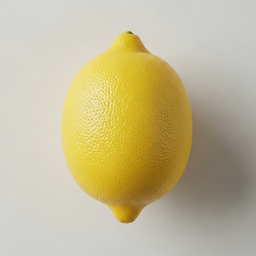 lemon
lemon Quercetin + vitamin C for antioxidant and capillary support
Technical: Capers contain the highest concentration of quercetin of all foods (180-230mg/100g — 10x more than onions). Quercetin is a flavonoid that inhibits LDL oxidation and stabilizes mast cells. Lemon's vitamin C regenerates oxidized quercetin back to active form. Quercetin + vitamin C work synergistically as antioxidant. The combination is the base of Mediterranean fish and salad dishes.
What does this mean for you? Capers with lemon juice over fish or salad is a top antioxidant combination in the kitchen. Capers contain 10x more quercetin than onions — a surprising source.
HeartAnti-inflammatorySkin & Hair
capers olive oil Fat makes quercetin from capers absorbable
Technical: Capers contain 180mg quercetin per 100g — the highest content of all foods. Quercetin is a fat-soluble flavonoid with bioactive properties. Without fat, quercetin binds to dietary fiber and is excreted undigested. Olive oil's oleic acid forms mixed micelles that increase quercetin absorption up to 200%.
What does this mean for you? Always use capers with olive oil — in pasta puttanesca, salads or fish. Without olive oil, most quercetin is lost.
Anti-inflammatoryImmune System
olive oil lemon Oleic acid + citric acid: complementary pathways for glycemic response
Technical: Lemon contains citric acid that slows gastric emptying, causing carbohydrates from the meal to be absorbed more slowly. Olive oil's fats reinforce this effect by further influencing glycemic response. Together they influence the postprandial glucose response via two complementary mechanisms. Olive oil's oleocanthal and lemon's vitamin C additionally provide complementary antioxidant action.
What does this mean for you? A simple dressing of olive oil and lemon juice over your salad is one of the smartest combinations you can make. The two mechanisms (delayed gastric emptying + fat slowing) work together to influence the glucose response after your meal.
EnergyDigestion
olive oil 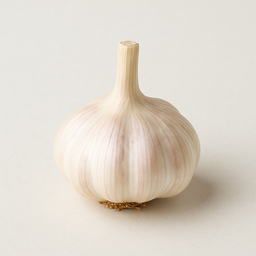 garlic
 Aglio e olio: allicin + oleocanthal via complementary biochemical pathways
Technical: Garlic contains allicin (formed when cutting/crushing) that influences HMG-CoA reductase (involved in lipid metabolism). Olive oil contains oleocanthal that modulates COX-1/2 enzymes. Together they influence lipid metabolism and prostaglandin cascade via complementary biochemical pathways. The fat also helps absorb fat-soluble garlic compounds.
What does this mean for you? Gently warm garlic in olive oil (don't burn!) as the base for many dishes. This is why 'aglio e olio' pasta is so beloved — two bioactive compounds that reinforce each other.
HeartImmune System
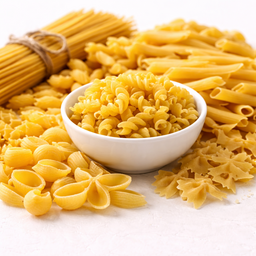 pasta garlic
 Carbohydrates + allicin for bioactive support and flavor
Technical: Pasta provides slow energy from complex starch (GI 40-55 for al dente). Garlic contains alliin that when crushed/cut is converted by alliinase into allicin — a bioactive organosulfur compound. Allicin influences NK cell activity and macrophage function.
What does this mean for you? Aglio e olio (pasta with garlic and olive oil) is the simplest and most scientifically supported pasta. Crush the garlic and let it rest for 10 minutes for maximum allicin formation.
Immune SystemEnergy
pasta olive oil Retrograde starch + oleic acid lower glycemic index
Technical: Al dente cooked pasta already has a lower GI (40-55) than overcooked pasta (60-70). Olive oil's oleic acid (73%) slows gastric emptying via CCK release and the ileal brake mechanism. With cooled pasta (salad), resistant starch type 3 forms, a prebiotic. Studies show olive oil + pasta reduces postprandial glucose by 25-35% versus pasta without fat.
What does this mean for you? Cook pasta al dente and add good olive oil immediately. For cold pasta salad: cooled pasta + olive oil has the lowest blood sugar impact of all preparation methods.
Blood SugarDigestionHeart
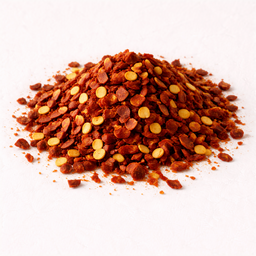 red pepper flakes lemon
 Capsaicin + vitamin C for metabolism and immunity
Technical: Red pepper flakes contain capsaicin (0.5-1.5%) that activates TRPV1 receptors for thermogenesis (+10% energy expenditure) and endorphin release. Lemon's vitamin C (53mg) neutralizes capsaicin-induced oxidative stress and supports the adrenal gland in the thermogenic response. Capsaicin also increases vitamin C bioavailability through temporary intestinal permeability increase. The combination maximizes thermogenesis + immune support.
What does this mean for you? Sprinkle red pepper flakes with lemon juice over fish, salad or pasta. The 'burning' sensation is your metabolism speeding up — the lemon makes it lighter and fresher.
Weight LossImmune SystemEnergy
red pepper flakes olive oil Capsaicin dissolved in fat for prolonged thermogenesis
Technical: Capsaicin is fat-soluble and is absorbed 3x better in olive oil than without fat. Dissolved in oil, capsaicin is released more gradually in the GI tract, extending the thermogenic response from 30 minutes to 2-3 hours. Olive oil's oleocanthal enhances capsaicin's analgesic effect via shared TRPV1 pathway activation. This is the basis of 'olio al peperoncino' — Italian chili flake oil.
What does this mean for you? Make your own peperoncino oil: steep red pepper flakes in extra virgin olive oil. Use as finishing oil over pizza, pasta or soup for prolonged thermogenic action.
Weight LossAnti-inflammatory
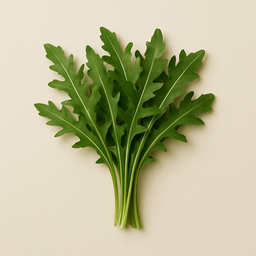 arugula olive oil
 Fat increases absorption of arugula's beta-carotene and vitamin K
Technical: Arugula contains 3747μg beta-carotene and 109μg vitamin K per 100g — both fat-soluble. Olive oil forms mixed micelles increasing absorption 3-5x. Arugula also contains glucosinolates (glucoerucin) converted to sulforaphane — a hydrophobic molecule also better absorbed with fat.
What does this mean for you? Arugula with olive oil dressing isn't just tasty for its peppery character — the oil is necessary to properly absorb fat-soluble vitamins and glucosinolates.
Skin & HairImmune System
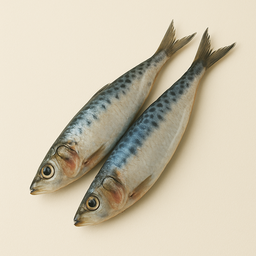 sardines lemon
 Vitamin C protects omega-3 and improves calcium absorption from bones
Technical: Canned sardines contain edible bones with 382mg calcium per 100g. Vitamin C from lemon improves calcium absorption by lowering pH in the small intestine. Additionally, vitamin C protects omega-3 fatty acids (1.5g per 100g) against oxidation.
What does this mean for you? Always sprinkle sardines with lemon juice. The Mediterranean tradition is nutritionally optimal — you get more calcium from the bones AND the omega-3 stays protected.
JointsHeartImmune System
sardines olive oil Mediterranean omega combination: EPA/DHA + polyphenols
Technical: Canned sardines contain 1.5g omega-3 per 100g plus calcium from the bones. Extra virgin olive oil contains oleocanthal and oleuropein (polyphenols) that protect omega-3 from oxidation and work via complementary biochemical pathways.
What does this mean for you? Choose sardines in olive oil or add extra virgin olive oil to sardines on toast. This is typical Portuguese/Spanish and combines two sources of bioactive compounds working via complementary pathways.
HeartAnti-inflammatoryJoints
Ingredients (10)
+8 more ingredientsInstructions
- 1 Bring a large pot of salted water to a boil and cook the pasta according to package instructions until al dente (approx. 10-12 minutes).
- 2 Halve the cherry tomatoes. Mince the garlic finely. Zest the lemon and squeeze out the juice.
Nutrition per serving
Indicative values per serving.
Timing & Suitability
Shelf life: 1 days in fridge
Tags & Diet
Allergens: Fish, Gluten