Sardines
The Complete Omega-3 Fish
What is this ingredient?
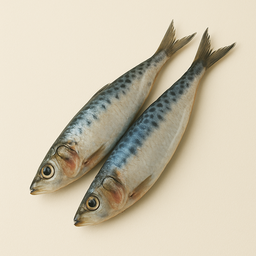
Sardines (Sardina pilchardus) are small, oily fish that belong to the most complete food sources on earth. What makes them unique: you eat them whole, including the bones, providing 382mg calcium per 100g - more than milk! Their short life cycle (2-3 years) means minimal mercury accumulation, unlike large predatory fish like tuna. Sardines contain 1.5g EPA+DHA omega-3 per 100g, essential for brain and heart. They're also rich in CoQ10 (coenzyme Q10), crucial for cellular energy production. In Portugal and the Mediterranean, sardines are a culinary tradition, often grilled with sea salt.
How does it taste?
Intense, briny and oily with a bold, full-bodied sea flavor.
Pairs well with:
Pairs well with lemonparsleytomatogarlic and chili.
Did you know...?
- Sardines are named after the Italian island of Sardinia, where they were once caught in large numbers.
- Napoleon Bonaparte popularized canned sardines as food for his troops.
Nutritional Value & Energy
Per 100g
Sardines provides energy thanks to natural nutrients .
Per 100g
Minerals
Vitamins
Omega-3 fatty acids
More nutrients
B-Vitamins
Trace Minerals
What's in a serving?
1 serving
Sardines naturally contains calcium (382 mg per 100 g).
Sardines naturally contains iron (2.92 mg per 100 g).
Sardines naturally contains potassium (397 mg per 100 g).
Sardines naturally contains selenium (52.7 mcg per 100 g).
Sardines naturally contains vitamin b12 (8.94 mcg per 100 g).
Sardines naturally contains vitamin d (4.8 mcg per 100 g).
Sardines naturally contains iodine (35 mcg per 100 g).
% of daily reference intake (DRI)
EU-approved nutrition claims
This ingredient contains nutrients for which EFSA-authorized health claims exist (at nutrient level, not ingredient-specific).
Approved health claims (EU)
Vitamin_b12 EU 432/2012
Vitamin B12 contributes to the normal function of the immune system
Contains 8.94mcg/100g (threshold: ≥0.375mcg/100g)
Vitamin_b12 EU 432/2012
Vitamin B12 contributes to the reduction of tiredness and fatigue
Contains 8.94mcg/100g (threshold: ≥0.375mcg/100g)
Vitamin_b12 EU 432/2012
Vitamin B12 contributes to the normal functioning of the nervous system
Contains 8.94mcg/100g (threshold: ≥0.375mcg/100g)
Vitamin_d EU 432/2012
Vitamin D contributes to the maintenance of normal bones
Contains 4.8mcg/100g (threshold: ≥0.75mcg/100g)
Vitamin_d EU 432/2012
Vitamin D contributes to the normal function of the immune system
Contains 4.8mcg/100g (threshold: ≥0.75mcg/100g)
Iron EU 432/2012
Iron contributes to normal energy-yielding metabolism
Contains 2.92mg/100g (threshold: ≥2.1mg/100g)
Iron EU 432/2012
Iron contributes to the reduction of tiredness and fatigue
Contains 2.92mg/100g (threshold: ≥2.1mg/100g)
Calcium EU 432/2012
Calcium is needed for the maintenance of normal bones
Contains 382mg/100g (threshold: ≥120mg/100g)
Potassium EU 432/2012
Potassium contributes to the maintenance of normal blood pressure
Contains 397mg/100g (threshold: ≥300mg/100g)
Vitamin_b12 EU 432/2012
Vitamin B12 contributes to normal energy-yielding metabolism
Contains 8.94mcg/100g (threshold: ≥0.375mcg/100g)
Vitamin_b12 EU 432/2012
Vitamin B12 contributes to normal homocysteine metabolism
Contains 8.94mcg/100g (threshold: ≥0.375mcg/100g)
Vitamin_b12 EU 432/2012
Vitamin B12 contributes to normal psychological function
Contains 8.94mcg/100g (threshold: ≥0.375mcg/100g)
Vitamin_b12 EU 432/2012
Vitamin B12 contributes to normal red blood cell formation
Contains 8.94mcg/100g (threshold: ≥0.375mcg/100g)
Vitamin_b12 EU 432/2012
Vitamin B12 has a role in the process of cell division
Contains 8.94mcg/100g (threshold: ≥0.375mcg/100g)
Vitamin_d EU 432/2012
Vitamin D contributes to normal absorption/utilisation of calcium and phosphorus
Contains 4.8mcg/100g (threshold: ≥0.75mcg/100g)
Vitamin_d EU 432/2012
Vitamin D contributes to normal blood calcium levels
Contains 4.8mcg/100g (threshold: ≥0.75mcg/100g)
Vitamin_d EU 432/2012
Vitamin D contributes to the maintenance of normal muscle function
Contains 4.8mcg/100g (threshold: ≥0.75mcg/100g)
Vitamin_d EU 432/2012
Vitamin D contributes to the maintenance of normal teeth
Contains 4.8mcg/100g (threshold: ≥0.75mcg/100g)
Vitamin_d EU 432/2012
Vitamin D has a role in the process of cell division
Contains 4.8mcg/100g (threshold: ≥0.75mcg/100g)
Calcium EU 432/2012
Calcium is needed for the maintenance of normal teeth
Contains 382mg/100g (threshold: ≥120mg/100g)
Calcium EU 432/2012
Calcium contributes to normal blood clotting
Contains 382mg/100g (threshold: ≥120mg/100g)
Calcium EU 432/2012
Calcium contributes to normal energy-yielding metabolism
Contains 382mg/100g (threshold: ≥120mg/100g)
Calcium EU 432/2012
Calcium contributes to normal muscle function
Contains 382mg/100g (threshold: ≥120mg/100g)
Calcium EU 432/2012
Calcium contributes to normal neurotransmission
Contains 382mg/100g (threshold: ≥120mg/100g)
Calcium EU 432/2012
Calcium contributes to the normal function of digestive enzymes
Contains 382mg/100g (threshold: ≥120mg/100g)
Calcium EU 432/2012
Calcium has a role in the process of cell division and specialisation
Contains 382mg/100g (threshold: ≥120mg/100g)
Iron EU 432/2012
Iron contributes to normal cognitive function
Contains 2.92mg/100g (threshold: ≥2.1mg/100g)
Iron EU 432/2012
Iron contributes to normal formation of red blood cells and haemoglobin
Contains 2.92mg/100g (threshold: ≥2.1mg/100g)
Iron EU 432/2012
Iron contributes to normal oxygen transport in the body
Contains 2.92mg/100g (threshold: ≥2.1mg/100g)
Iron EU 432/2012
Iron contributes to the normal function of the immune system
Contains 2.92mg/100g (threshold: ≥2.1mg/100g)
Iron EU 432/2012
Iron has a role in the process of cell division
Contains 2.92mg/100g (threshold: ≥2.1mg/100g)
Selenium EU 432/2012
Selenium contributes to the maintenance of normal hair
Contains 52.7mcg/100g (threshold: ≥8.25mcg/100g)
Selenium EU 432/2012
Selenium contributes to the maintenance of normal nails
Contains 52.7mcg/100g (threshold: ≥8.25mcg/100g)
Selenium EU 432/2012
Selenium contributes to the normal function of the immune system
Contains 52.7mcg/100g (threshold: ≥8.25mcg/100g)
Selenium EU 432/2012
Selenium contributes to normal thyroid function
Contains 52.7mcg/100g (threshold: ≥8.25mcg/100g)
Selenium EU 432/2012
Selenium contributes to normal spermatogenesis
Contains 52.7mcg/100g (threshold: ≥8.25mcg/100g)
Selenium EU 432/2012
Selenium contributes to the protection of cells from oxidative stress
Contains 52.7mcg/100g (threshold: ≥8.25mcg/100g)
Iodine EU 432/2012
Iodine contributes to normal cognitive function
Contains 35mcg/100g (threshold: ≥22.5mcg/100g)
Iodine EU 432/2012
Iodine contributes to normal energy-yielding metabolism
Contains 35mcg/100g (threshold: ≥22.5mcg/100g)
Iodine EU 432/2012
Iodine contributes to normal functioning of the nervous system
Contains 35mcg/100g (threshold: ≥22.5mcg/100g)
Iodine EU 432/2012
Iodine contributes to the maintenance of normal skin
Contains 35mcg/100g (threshold: ≥22.5mcg/100g)
Iodine EU 432/2012
Iodine contributes to the normal production of thyroid hormones and normal thyroid function
Contains 35mcg/100g (threshold: ≥22.5mcg/100g)
Iodine EU 432/2012
Iodine contributes to the normal growth of children
Contains 35mcg/100g (threshold: ≥22.5mcg/100g)
Potassium EU 432/2012
Potassium contributes to normal functioning of the nervous system
Contains 397mg/100g (threshold: ≥300mg/100g)
Potassium EU 432/2012
Potassium contributes to normal muscle function
Contains 397mg/100g (threshold: ≥300mg/100g)
Comparison
vsmelk
Sardines contains about 3× more calcium per 100g than milk.
What's being researched?
Sardines and omega-3 fatty acids
Sardines as a sustainable source of omega-3 fatty acids are studied in cardiovascular research. The combined profile of EPA/DHA, calcium (from edible bones), and vitamin D makes sardines a versatile study subject.
Supported by: [1] Mozaffarian (2011) , [3] Alexander J (2024)
Sardines and bone minerals
The edible bones of sardines as a calcium and phosphorus source are being studied for contribution to bone health. Studies show sardine calcium is well bioavailable, comparable to dairy calcium.
Supported by: [3] Alexander J (2024)
Good Combinations (Synergy)
Combine sardines smartly to enhance the effect:
Sardines 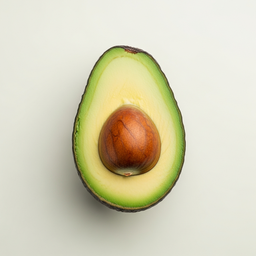 Avocado
 Avocado fat increases absorption of sardines' omega-3 and vitamin D
Technical: Sardines are rich in EPA/DHA omega-3 and fat-soluble vitamin D. Avocado's monounsaturated fats (oleic acid) improve micelle formation in the gut, enhancing absorption of fat-soluble nutrients.
What does this mean for you? Sardines on toast with avocado is an excellent combination — the avocado fat helps your body absorb more omega-3 and vitamin D.
Sardines 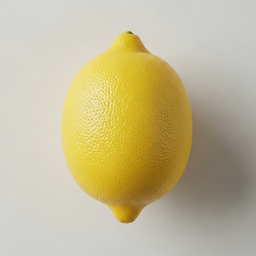 Lemon
Lemon Vitamin C protects omega-3 and improves calcium absorption from bones
Technical: Canned sardines contain edible bones with 382mg calcium per 100g. Vitamin C from lemon improves calcium absorption by lowering pH in the small intestine. Additionally, vitamin C protects omega-3 fatty acids (1.5g per 100g) against oxidation.
What does this mean for you? Always sprinkle sardines with lemon juice. The Mediterranean tradition is nutritionally optimal — you get more calcium from the bones AND the omega-3 stays protected.
Sardines 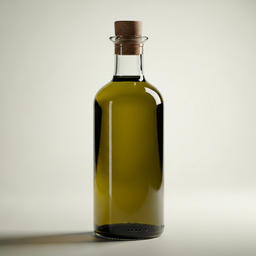 Olive Oil
 Mediterranean omega combination: EPA/DHA + polyphenols
Technical: Canned sardines contain 1.5g omega-3 per 100g plus calcium from the bones. Extra virgin olive oil contains oleocanthal and oleuropein (polyphenols) that protect omega-3 from oxidation and work via complementary biochemical pathways.
What does this mean for you? Choose sardines in olive oil or add extra virgin olive oil to sardines on toast. This is typical Portuguese/Spanish and combines two sources of bioactive compounds working via complementary pathways.
Sardines 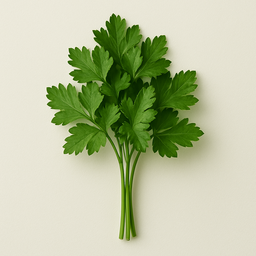 Parsley
 Iron absorption improved + neutralizes fish smell
Technical: Sardines contain 2.9mg iron per 100g (mix of heme and non-heme). Parsley contains 133mg vitamin C per 100g — more than lemons! This reduces non-heme Fe³⁺ to Fe²⁺ for improved absorption. Additionally, parsley contains chlorophyll that binds to trimethylamine (TMA) — the volatile compound responsible for fish smell — and neutralizes it.
What does this mean for you? Always generously garnish sardines with fresh parsley. It not only improves iron absorption but also neutralizes fish odor — double benefit. Chop the parsley coarsely for maximum vitamin C preservation.
Recipes with Sardines
Discover delicious recipes featuring sardines:
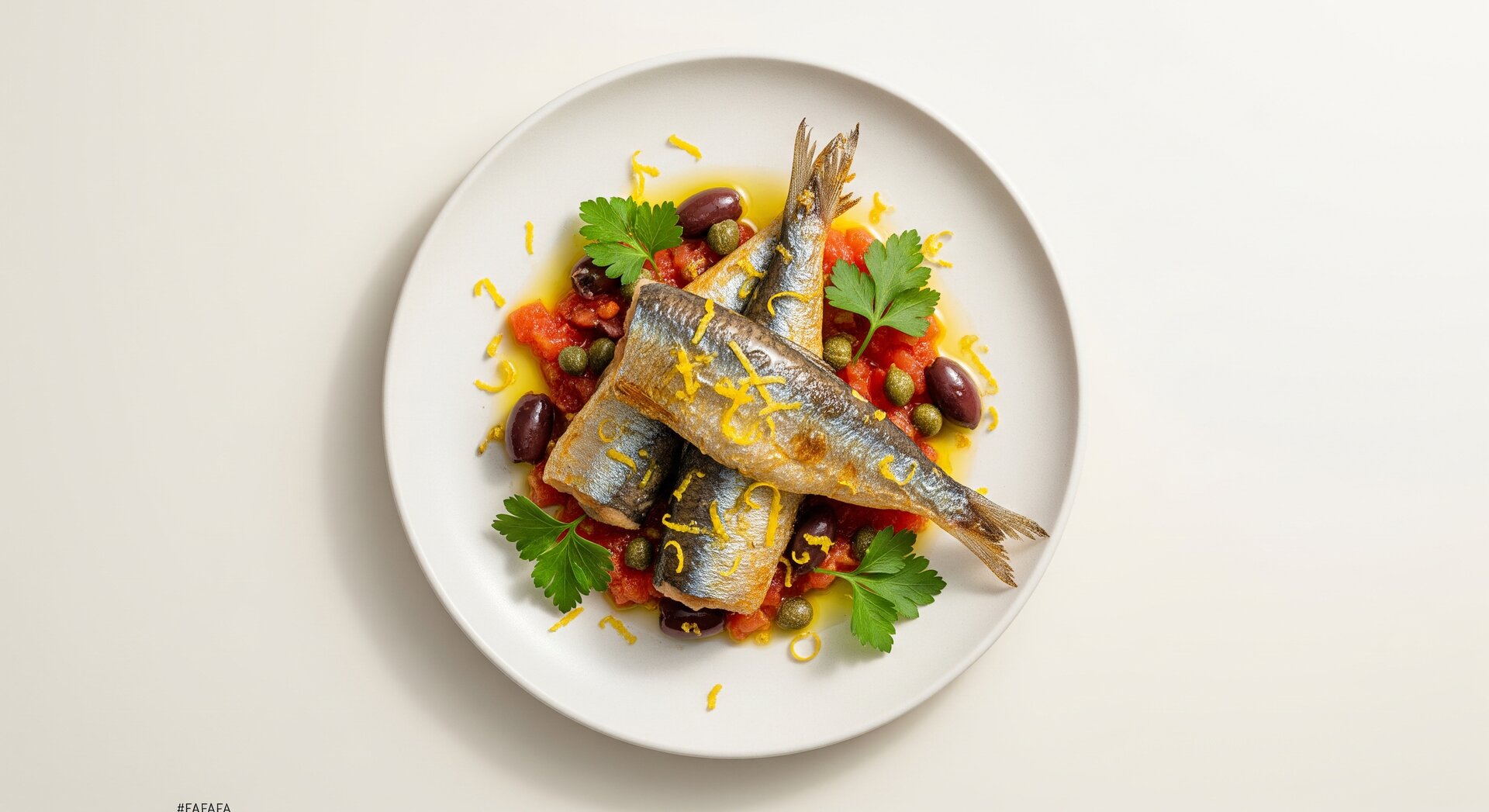 Mediterranean Sardines with Tomato, Olives and Lemon 30 min Fresh pan-seared sardines with capers and parsley
  610 kcal
  42g protein 2 synergies
 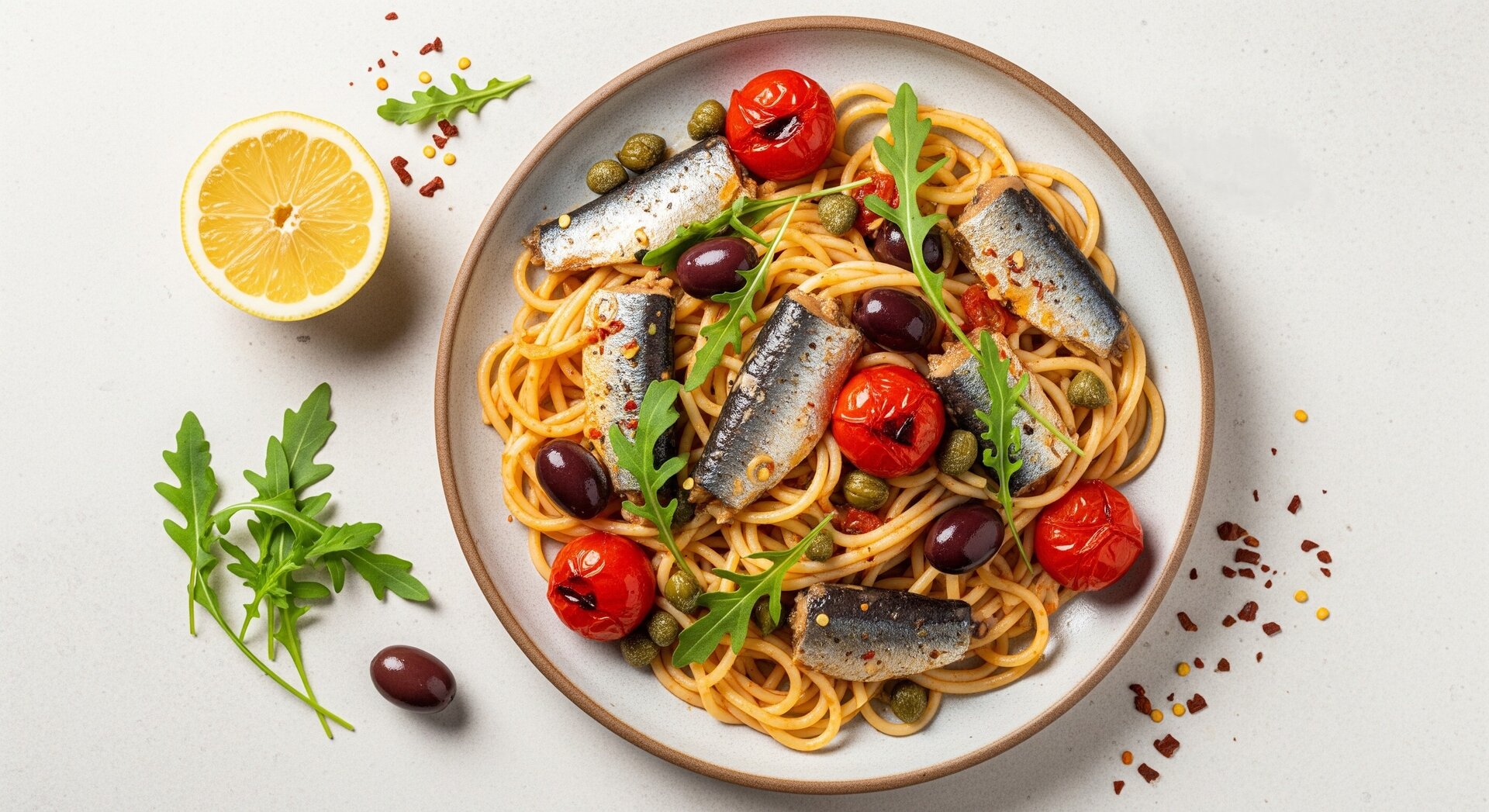 Sardine Pasta Mediterraneo 25 min Quick pasta with sardines, cherry tomatoes and arugula 804 kcal 45g protein 2 synergies
 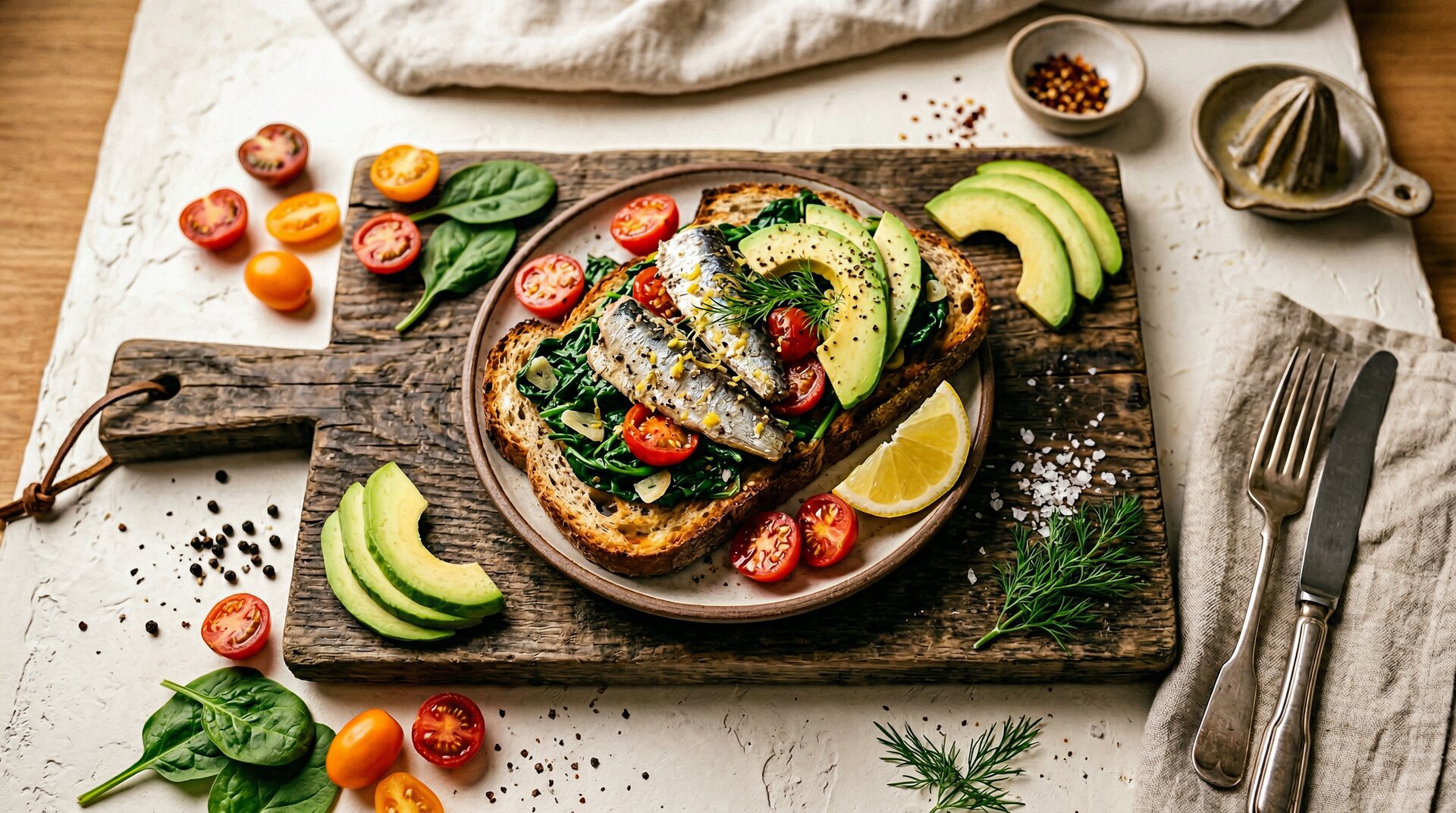 Sardines with Spinach and Avocado 15 min Quick warm dish with sardines, garlic spinach, avocado and tomato 410 kcal 24g protein 2 synergies
 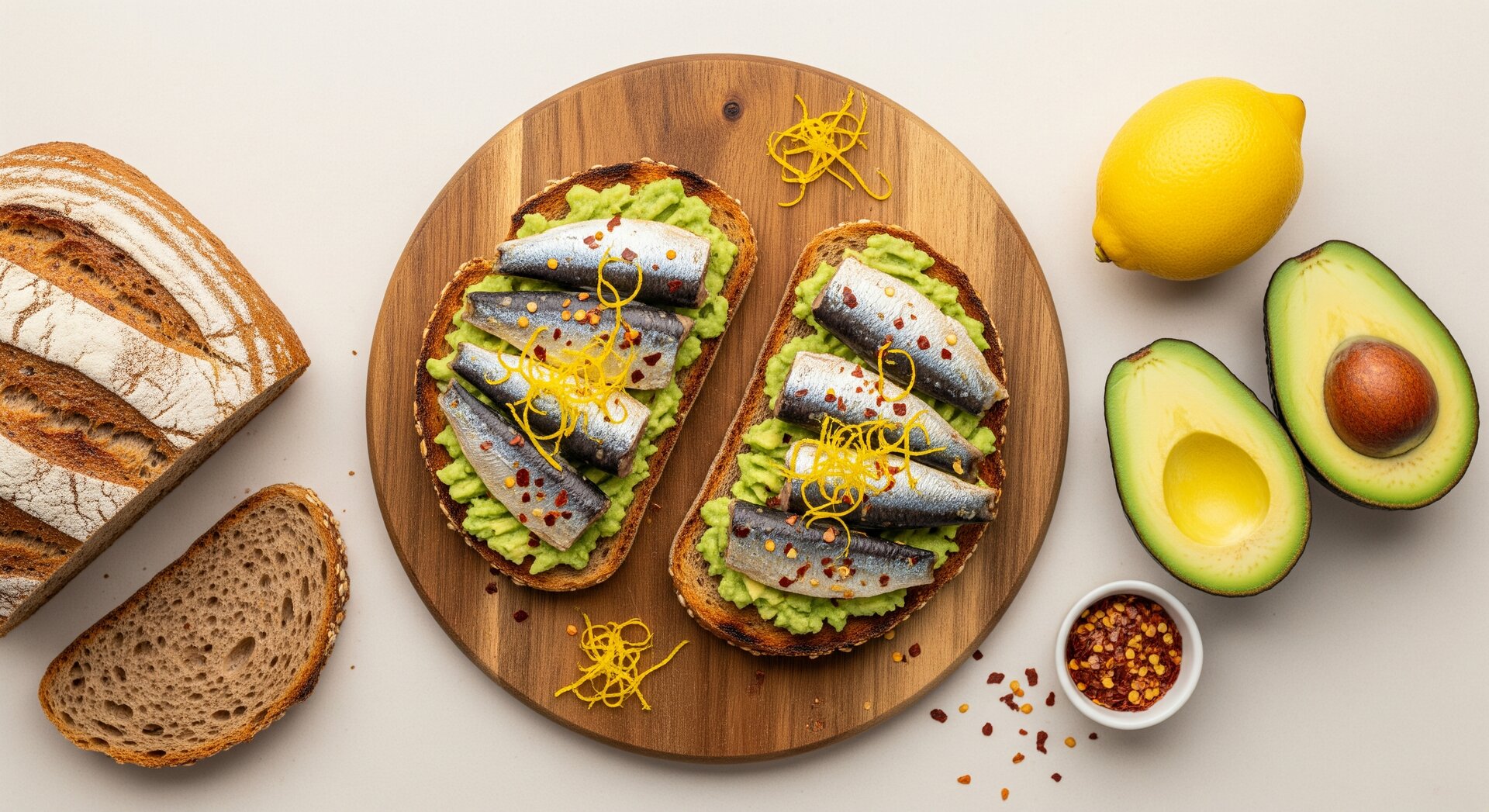 Sardines on Whole Grain Toast 7 min Crispy toast with creamy avocado, sardines and lemon 420 kcal 26g protein 2 synergies
 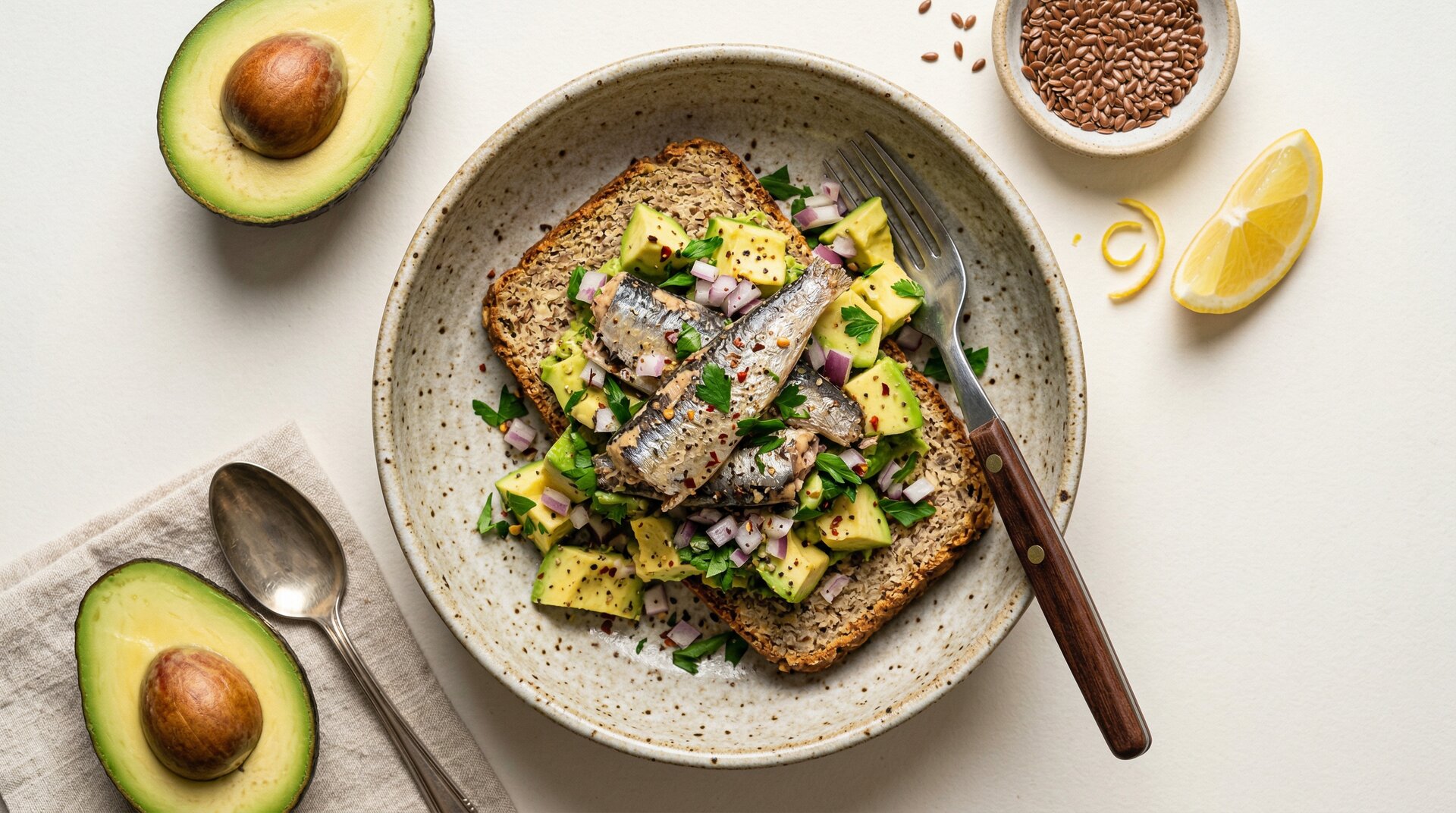 Sardines Avocado on Keto Bread 20 min Savory keto breakfast with crispy bread, creamy avocado and briny sardines 510 kcal 22g protein 2 synergies
 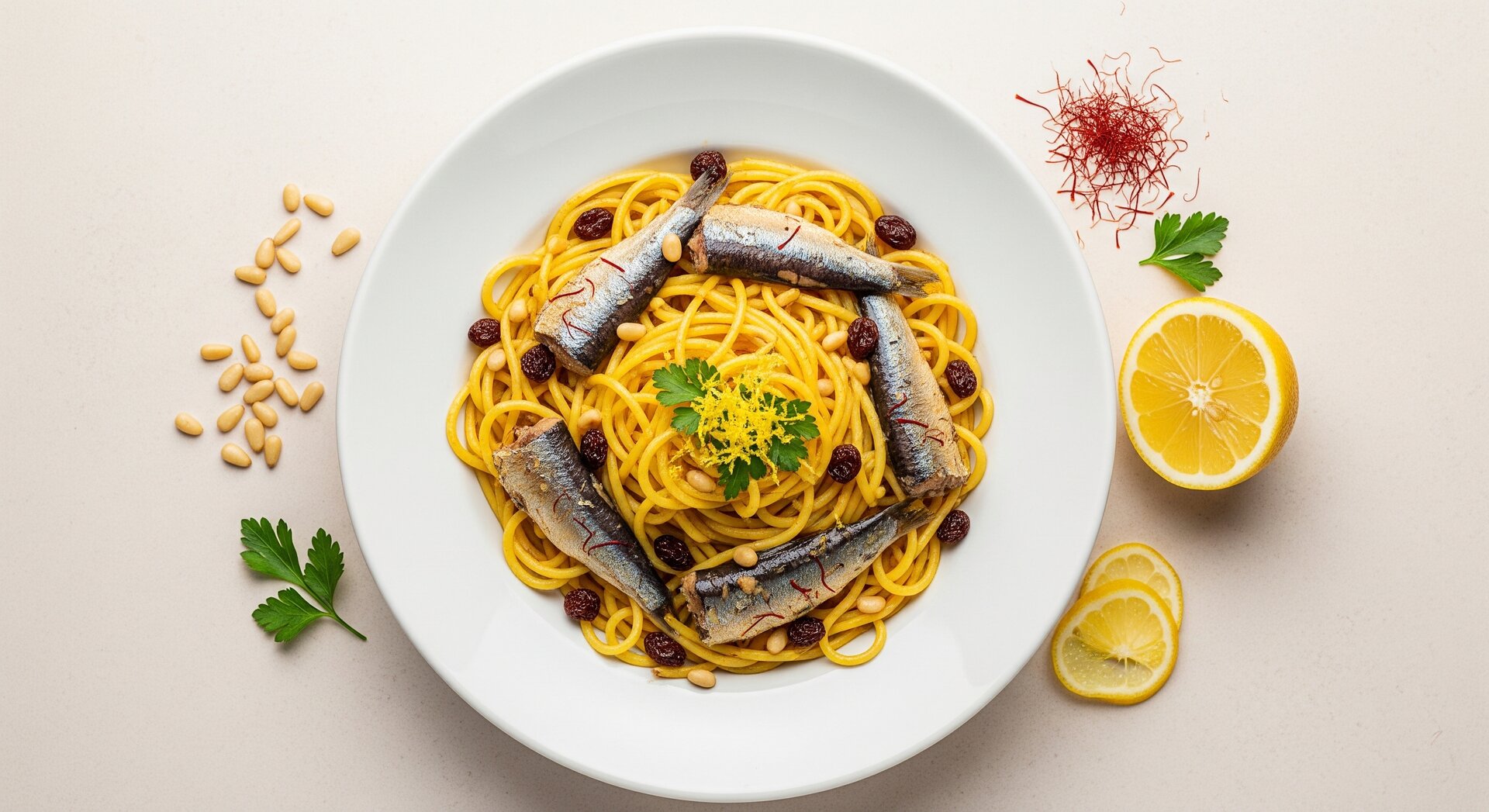 Sicilian Spaghetti with Sardines, Fennel and Saffron 30 min Briny pasta with sardines, fennel, raisins, pine nuts and lemon 795 kcal 41g protein 2 synergies
  In the Kitchen
Storage
Location:Refrigerator
Shelf life:2 dagen vers, jarenlang ingeblikt (ongeopend)
Consume fresh sardines same day or marinate. Opened cans: max 2 days in glass container in refrigerator.
Preparation
Fresh: grill with sea salt (traditional Portuguese). Canned: directly from can on toast or through salads. BEST SYNERGY: eat with parsley or lemon - vitamin C improves iron absorption.
Conversions
Substitutes
Smart preparation
1Scale and gut fresh sardines before cooking.
2Fry sardines on high heat, 2 minutes per side.
Why?
Sardines are small and cook very quickly.
3Grill sardines on the barbecue for the best flavour.
Why?
The high direct heat gives a smoky flavour to the fatty flesh.
Caution / Warnings
Sardines is very safe, but there are scientific considerations:
Gout Moderate
Sardines contain purines that increase uric acid
Advice:
With active gout: limit sardines. With stable gout: max 2x per week
High Blood Pressure Mild
Canned sardines can be high in sodium
Advice:
Choose sardines in water without added salt, or fresh
Traditional use
Mediterranean
Sardines in Mediterranean Tradition
Sardines are named after Sardinia and were already preserved in salt and olive oil along Mediterranean coasts in antiquity.
Summary
Sardines are the perfect protein: omega-3 for heart and brain, calcium from the bones for your skeleton, and almost no mercury. EAT THEM WHOLE (with bones) for maximum nutrition. BEST SYNERGY: combine with leafy greens or lemon - the vitamin C improves iron absorption. Choose sardines in olive oil for extra fat absorption.