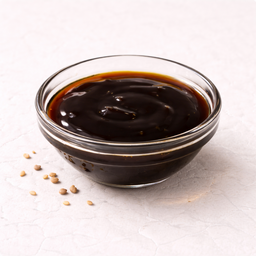
Oyster Sauce
Umami-rich Chinese sauce
What is this ingredient?
Oyster sauce is traditionally said to have been discovered by accident in 1888 in Guangdong, China, when cooked oysters simmered for a long time and formed a dark, concentrated sauce.
## Umami & flavor depth
Oyster sauce is rich in free glutamate, a natural source of savory umami taste. In nutrition and sensory research, umami has been studied in relation to flavor perception, meal satisfaction and how dishes can taste fuller with small amounts of sauce.
## Zinc from oyster extract
Oysters are known as a rich dietary source of zinc. Oyster sauce contains concentrated oyster extract and therefore provides small amounts of zinc. At nutrient level, zinc contributes to the normal function of the immune system and to the maintenance of normal skin.
## Use salt consciously
With 2733 mg sodium per 100 ml, oyster sauce is high in salt. Use small amounts, taste first and limit extra salt or salty seasonings in dishes where you use oyster sauce.
How does it taste?
Sweet-salty with deep, concentrated umami and a rich oyster-like undertone.
Pairs well with:
Pairs well with broccolibeefgarlicnoodlesbok choy and mushrooms.
Did you know...?
- Oyster sauce is traditionally said to have been discovered by accident in 1888 when a Chinese cook simmered oysters for too long.
- Lee Kum Kee, founded in 1888, was one of the first companies to sell oyster sauce commercially.
Nutritional Value & Energy
Per 100ml
Oyster Sauce provides energy thanks to natural nutrients .
Per 100g
Minerals
Vitamins
Omega-3 fatty acids
More nutrients
Trace Minerals
What's in a serving?
1 serving
Oyster sauce naturally contains zinc (3 mg per 100 g).
% of daily reference intake (DRI)
EU-approved nutrition claims
This ingredient contains nutrients for which EFSA-authorized health claims exist (at nutrient level, not ingredient-specific).
Approved health claims (EU)
Zinc EU 432/2012
Zinc contributes to the normal function of the immune system
Contains 3mg/100g (threshold: ≥1.5mg/100g)
Zinc EU 432/2012
Zinc contributes to the maintenance of normal skin
Contains 3mg/100g (threshold: ≥1.5mg/100g)
Zinc EU 432/2012
Zinc contributes to normal acid-base metabolism
Contains 3mg/100g (threshold: ≥1.5mg/100g)
Zinc EU 432/2012
Zinc contributes to normal carbohydrate metabolism
Contains 3mg/100g (threshold: ≥1.5mg/100g)
Zinc EU 432/2012
Zinc contributes to normal cognitive function
Contains 3mg/100g (threshold: ≥1.5mg/100g)
Zinc EU 432/2012
Zinc contributes to normal DNA synthesis
Contains 3mg/100g (threshold: ≥1.5mg/100g)
Zinc EU 432/2012
Zinc contributes to normal fertility and reproduction
Contains 3mg/100g (threshold: ≥1.5mg/100g)
Zinc EU 432/2012
Zinc contributes to normal macronutrient metabolism
Contains 3mg/100g (threshold: ≥1.5mg/100g)
Zinc EU 432/2012
Zinc contributes to normal metabolism of fatty acids
Contains 3mg/100g (threshold: ≥1.5mg/100g)
Zinc EU 432/2012
Zinc contributes to normal metabolism of vitamin A
Contains 3mg/100g (threshold: ≥1.5mg/100g)
Zinc EU 432/2012
Zinc contributes to normal protein synthesis
Contains 3mg/100g (threshold: ≥1.5mg/100g)
Zinc EU 432/2012
Zinc contributes to the maintenance of normal bones
Contains 3mg/100g (threshold: ≥1.5mg/100g)
Zinc EU 432/2012
Zinc contributes to the maintenance of normal hair
Contains 3mg/100g (threshold: ≥1.5mg/100g)
Zinc EU 432/2012
Zinc contributes to the maintenance of normal nails
Contains 3mg/100g (threshold: ≥1.5mg/100g)
Zinc EU 432/2012
Zinc contributes to the maintenance of normal testosterone levels in the blood
Contains 3mg/100g (threshold: ≥1.5mg/100g)
Zinc EU 432/2012
Zinc contributes to the maintenance of normal vision
Contains 3mg/100g (threshold: ≥1.5mg/100g)
Zinc EU 432/2012
Zinc contributes to the protection of cells from oxidative stress
Contains 3mg/100g (threshold: ≥1.5mg/100g)
Zinc EU 432/2012
Zinc has a role in the process of cell division
Contains 3mg/100g (threshold: ≥1.5mg/100g)
What's being researched?
Minerals and umami in oyster sauce
Oyster sauce contains trace elements from oyster extract and natural umami components such as free glutamate. Specific research on oyster sauce as an ingredient is limited; its high sodium content remains an important point of attention.
Supported by: [2] Bin BH (2018) , [3] Ghirri A (2012)
Good Combinations (Synergy)
Combine oyster sauce smartly to enhance the effect:
Oyster Sauce 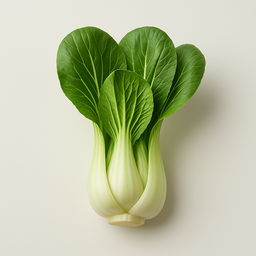 Bok Choy
 Double umami source for intense flavor
Technical: Oyster sauce contains glutamate from oysters (umami source 1). Shiitake contains guanylate (GMP) — a nucleotide that via the synergistic umami effect amplifies flavor perception up to 8x when combined with glutamate. Bok choy adds sulforaphane (biotransformation enzyme activator). This is the ultimate Chinese umami trio.
What does this mean for you? Oyster sauce + shiitake + bok choy in the wok — this is the ultimate Chinese umami combination. Three ingredients that exponentially amplify each other's flavor.
Oyster Sauce 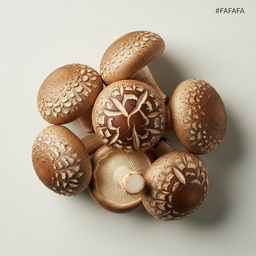 Shiitake
 Double umami source for intense flavor
Technical: Oyster sauce contains glutamate from oysters (umami source 1). Shiitake contains guanylate (GMP) — a nucleotide that via the synergistic umami effect amplifies flavor perception up to 8x when combined with glutamate. Bok choy adds sulforaphane (biotransformation enzyme activator). This is the ultimate Chinese umami trio.
What does this mean for you? Oyster sauce + shiitake + bok choy in the wok — this is the ultimate Chinese umami combination. Three ingredients that exponentially amplify each other's flavor.
Oyster Sauce 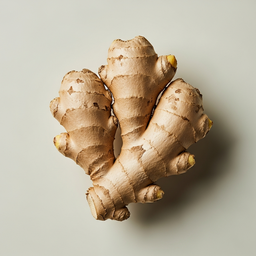 Ginger
 Umami glutamate + gingerols for flavor and digestion
Technical: Oyster sauce contains free glutamate (100-500mg/100ml) that activates T1R1/T1R3 umami receptors and enhances taste perception of other ingredients by 30-50%. Ginger's gingerols promote gastric motility and bile production. Glutamate also activates vagal afferents that increase gastric acid production. The combination enhances flavor (umami + spiciness) and digestion synergistically.
What does this mean for you? Oyster sauce + ginger is the base of Cantonese wok dishes. The oyster sauce makes everything tastier (umami effect), the ginger supports digestion of the fatty wok dish.
Oyster Sauce 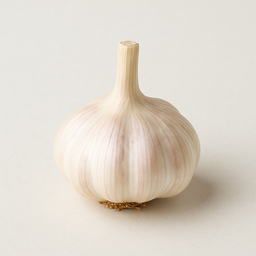 Garlic
 Umami + allicin for flavor enhancement and immune support
Technical: Oyster sauce's glutamate (umami) and garlic's allicin activate different taste and bioactive pathways. Glutamate enhances total taste perception via umami synergism (glutamate + nucleotides in oyster sauce). Allicin offers bioactive action and stimulates NK cells. The combination is also culinary: umami suppresses bitterness and enhances sweet-savory flavors, garlic adds depth.
What does this mean for you? Fry garlic and add oyster sauce in the last minute of stir-frying. The garlic gives depth, the oyster sauce brings umami — together they make simple vegetables irresistibly delicious.
Recipes with Oyster Sauce
Discover delicious recipes featuring oyster sauce:
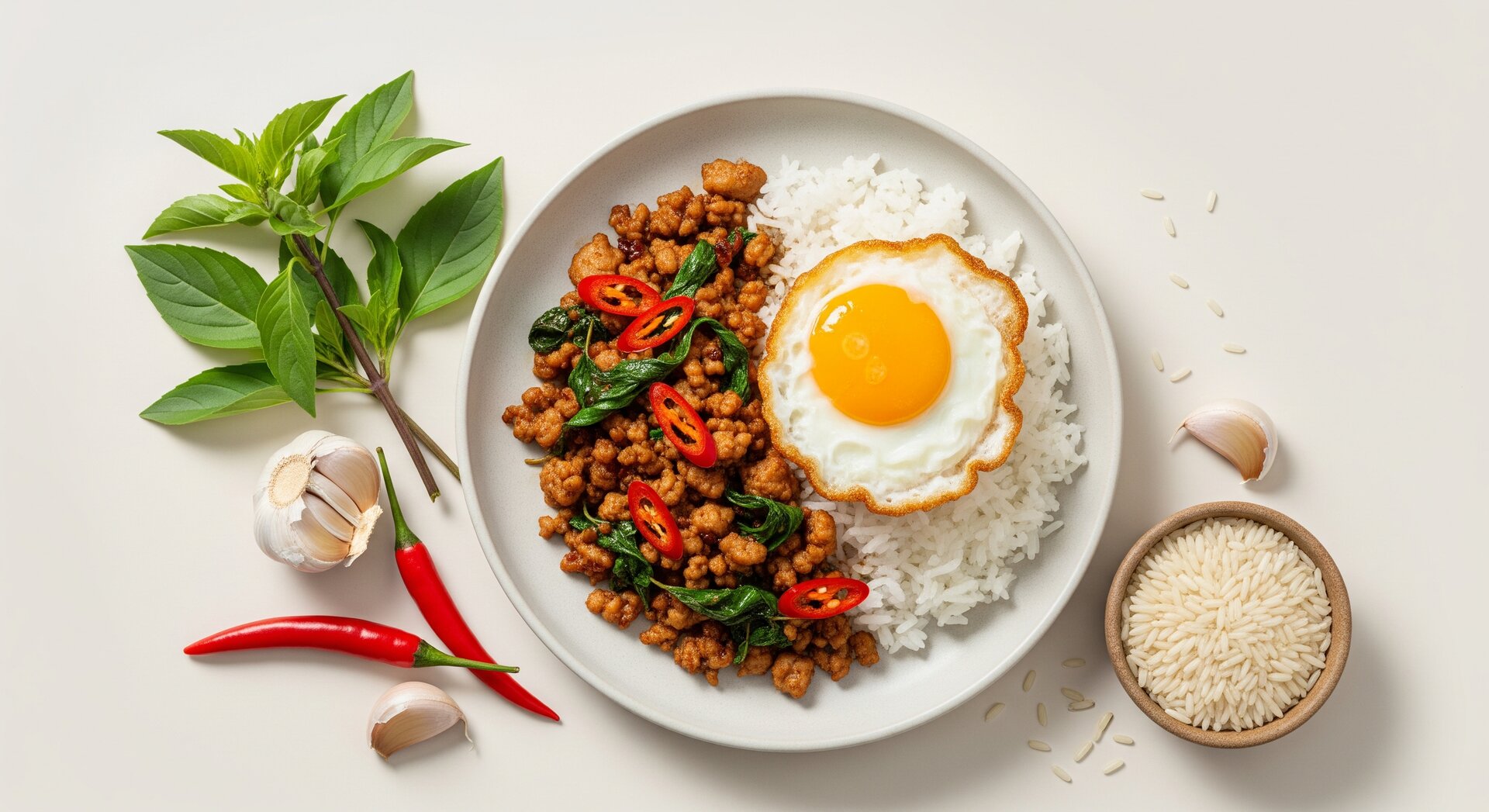 Thai Holy Basil Stir-Fry 25 min Authentic Pad Krapao with minced chicken and tulsi
  520 kcal
  38g protein 2 synergies
  In the Kitchen
Storage
Location:Refrigerator
Shelf life:1-2 jaar, koelen na openen
Preparation
Add during stir-frying or use as a finishing sauce. Start with 1 tablespoon per portion, taste and adjust if needed; because the flavor is salty and concentrated, extra salt is often unnecessary.
Conversions
Substitutes
Smart preparation
1Add oyster sauce at the end of stir-frying.
Why?
This keeps the sweet-salty umami flavor clear and prevents the sauce from thickening too much.
2Thin oyster sauce with a little water if it is too thick for a sauce.
3Store opened oyster sauce in the refrigerator.
Caution / Warnings
Oyster Sauce is very safe, but there are scientific considerations:
Shellfish allergy Severe
Oyster sauce is made with oyster extract and is therefore not suitable for people with an allergy to oysters or other shellfish.
Advice:
Avoid oyster sauce completely with a known shellfish allergy and choose an alternative without oyster extract.
High blood pressure Moderate
Oyster sauce is salty and contains 2733 mg sodium per 100 ml. Even a small amount can noticeably contribute to the total salt intake of a meal.
Advice:
Use small portions, taste before adding extra salt and choose a lower-sodium version where possible.
Traditional use
Traditional Chinese Medicine
Oyster sauce in Cantonese cuisine
Oyster sauce was discovered by accident in 1888 in Guangdong, China, and became an important ingredient in Cantonese cuisine for stir-fries, vegetables and noodles.
Summary
Oyster sauce gives dishes a lot of umami depth in small amounts, together with a sweet-salty oyster flavor. It also contains zinc from oyster extract, for which EFSA-authorized claims exist at nutrient level. Because of its high sodium content, use it in moderation and add less extra salt.