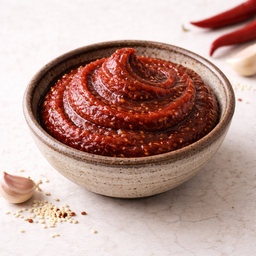
Gochujang
Korean fermented chili paste
What is this ingredient?
Gochujang has been made in Korea for centuries by fermenting a mixture of gochugaru (red chili peppers), glutinous rice, meju (fermented soybeans) and salt for months in earthenware pots (onggi) in the sun. During this slow process, lactic acid bacteria and complex aromas can develop, while capsaicin remains the compound that gives the paste its characteristic heat. The combination of sweet, spicy, salty and umami notes makes gochujang a versatile ingredient in Korean cuisine.
How does it taste?
Sweet, spicy and deeply umami with a fermented, smoky undertone.
Pairs well with:
Pairs well with sesame oilricechickenginger and spring onion.
Did you know...?
- Gochujang is traditionally fermented in earthenware pots in the sun.
- Traditional gochujang fermentation takes at least six months to several years.
Nutritional Value & Energy
Per 100g
Gochujang provides energy thanks to natural nutrients , buffered by fiber.
Per 100g
Minerals
Vitamins
Omega-3 fatty acids
More nutrients
B-Vitamins
Trace Minerals
What's in a serving?
1 tablespoon (in a curry)
Gochujang naturally contains vitamin A (500 mcg per 100 g paste). At typical paste usage (15–30 g), the contribution is limited.
% of daily reference intake (DRI)
EU-approved nutrition claims
There are currently no EFSA-authorized health claims specific to gochujang. Various applications for herbs and spices have been submitted but have not yet been assessed (botanical 'on hold' list).
What's being researched?
Fermented chili and nutrition research
Gochujang combines capsaicin from chili with compounds formed during the fermentation of rice and soybeans. Research on this combination in a dietary context is still at an early stage.
Supported by: [3] Ludy MJ (2011) , [1] Whiting S (2014)
Good Combinations (Synergy)
Combine gochujang smartly to enhance the effect:
Gochujang 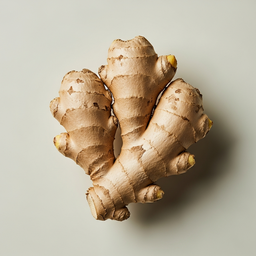 Ginger
 Capsaicin + gingerols for thermogenesis and lipid metabolism
Technical: Gochujang's capsaicin activates TRPV1 receptors that stimulate the sympathetic nervous system and increase thermogenesis by 10-15%. Ginger's gingerols and shogaols activate the same thermogenic pathway via a different mechanism (TRPA1 receptors). Both are studied in research in relation to thermogenesis and digestion.
What does this mean for you? Gochujang-ginger marinade or sauce gives your meal a warm, spicy character. You literally feel the warmth of the bold flavour.
Gochujang 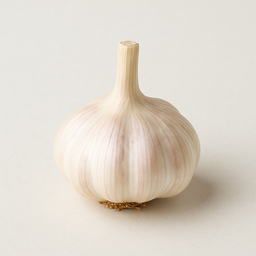 Garlic
 Fermented chili + allicin for gut flora and immunity
Technical: Gochujang is a fermented product (rice + chili + soybeans) containing lactobacilli and Bacillus subtilis as probiotics. Capsaicin from the chili (0.5-1%) stimulates TRPV1 receptors for endorphin release. Garlic's allicin has broad bioactivity against pathogens without harming beneficial lactobacilli. The combination supports gut flora (gochujang) and acts selectively bioactive against pathogens (garlic).
What does this mean for you? Gochujang with garlic is the base of many Korean dishes (bibimbap, tteokbokki). The fermentation in gochujang feeds your good gut bacteria, while garlic fights the bad ones.
Gochujang 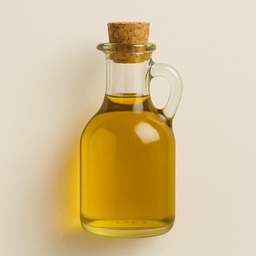 Sesame Oil
 Fermentation + fats maximize bioactive compounds
Technical: Gochujang is fermented chili-soybean paste containing both capsaicin (thermogenic) and probiotics (Lactobacillus). Sesame oil's sesamin and sesamol are antioxidants protecting capsaicin from oxidation. The fat also increases capsaicin bioavailability. Ginger enhances thermogenic action via gingerol.
What does this mean for you? Mix gochujang with sesame oil and ginger as sauce for Korean bowls. The fermentation, fat and ginger reinforce each other — the core of Korean cuisine.
Recipes with Gochujang
Discover delicious recipes featuring gochujang:
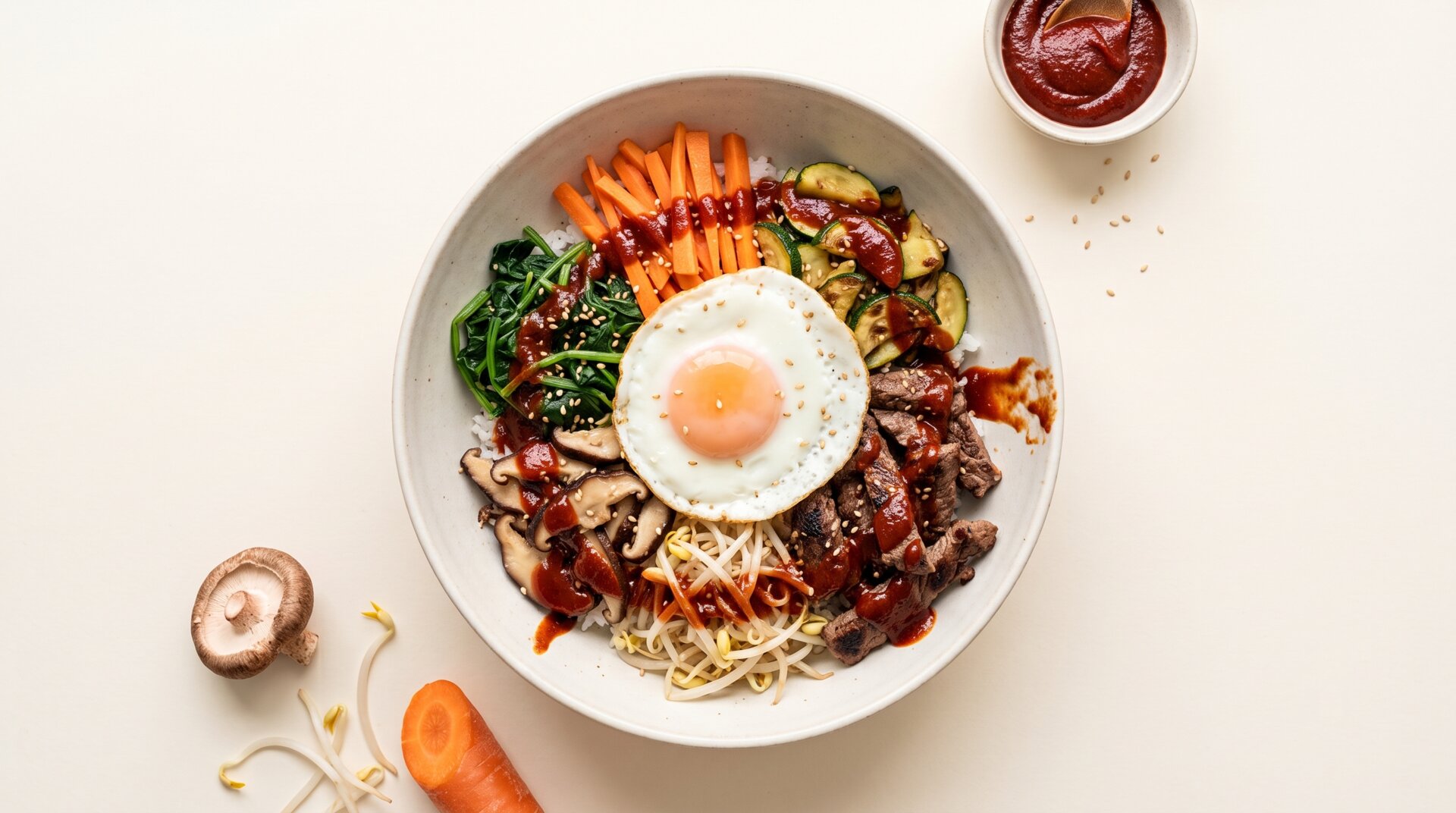 Korean Bibimbap 55 min Colorful rice bowl with vegetables, egg and gochujang
  580 kcal
  32g protein 1 synergies
 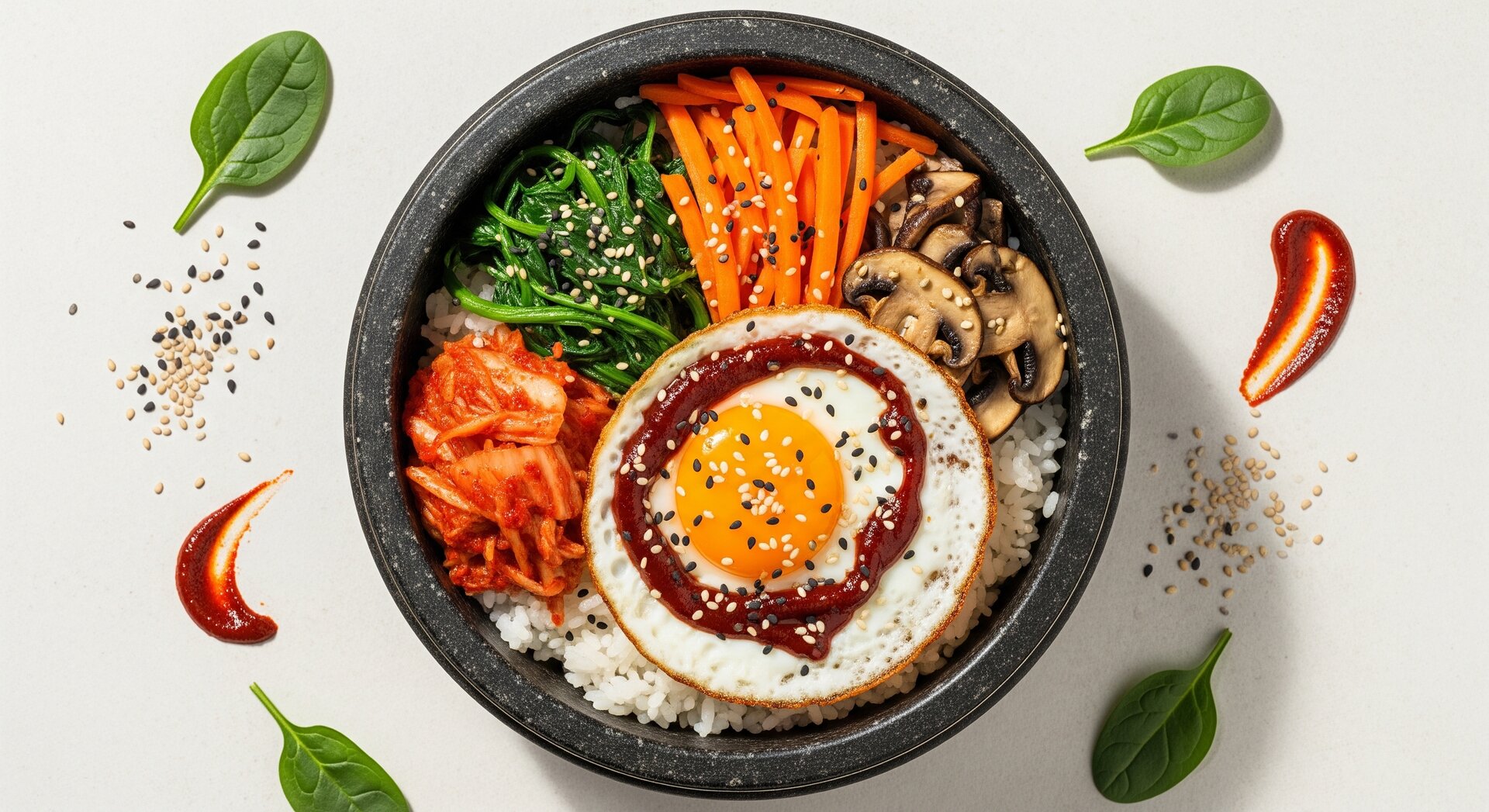 Korean Bibimbap Breakfast Bowl 40 min Savory rice bowl with egg, kimchi and gochujang 429 kcal 16g protein 2 synergies
 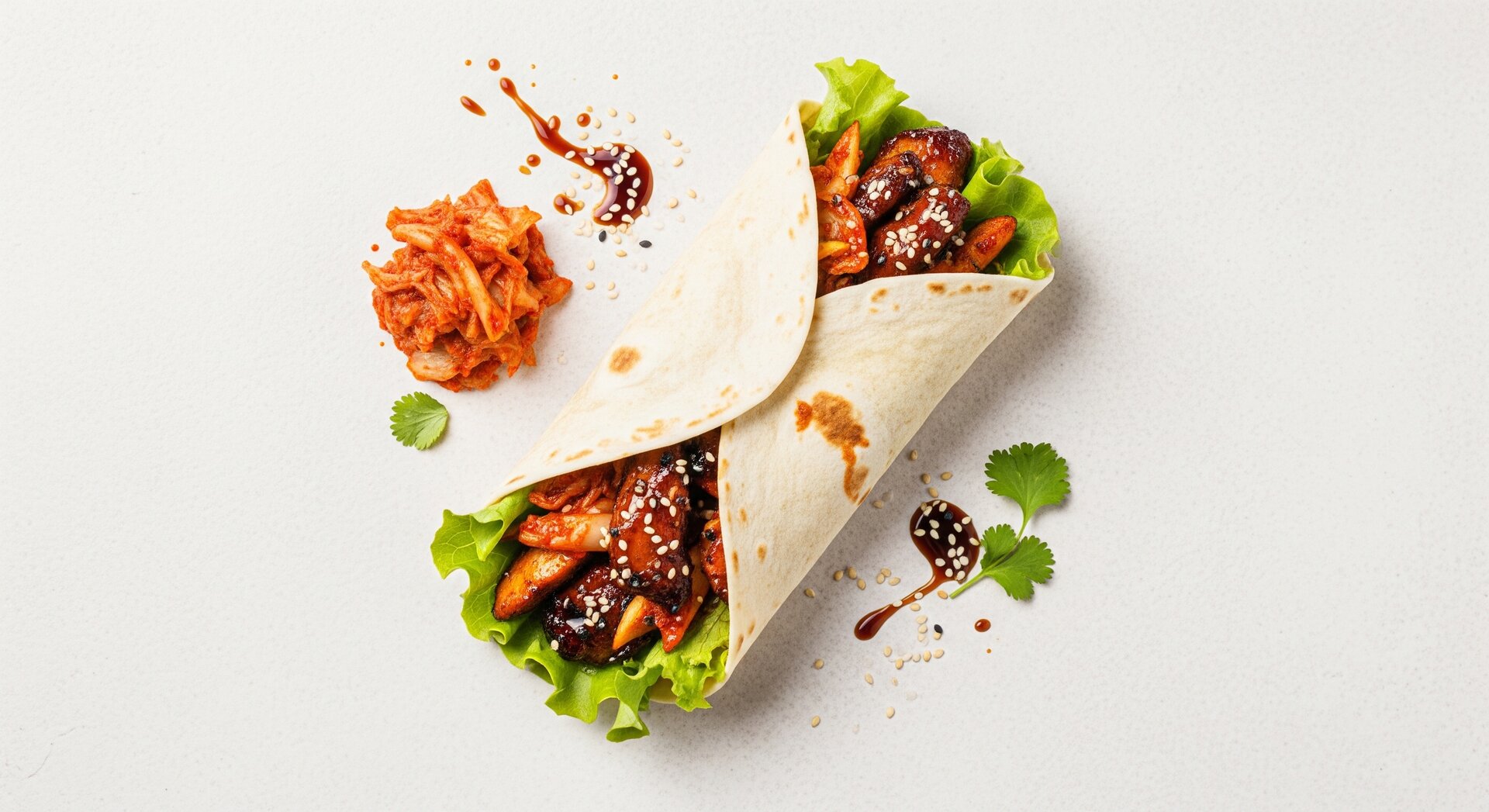 Korean Bulgogi Chicken Wrap with Kimchi 52 min Asian wrap with marinated chicken, spicy gochujang and kimchi 595 kcal 57g protein 1 synergies
 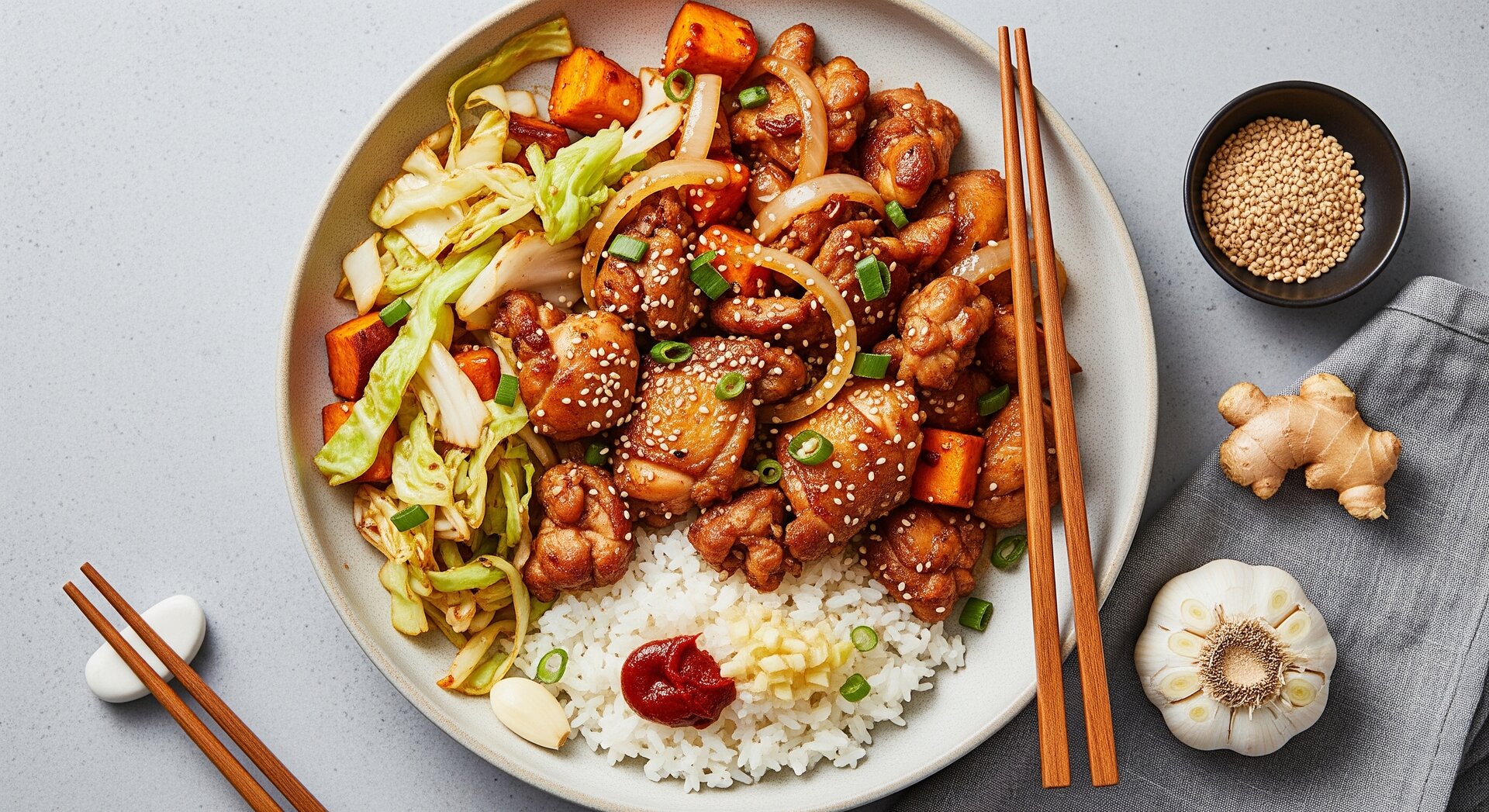 Korean Dakgalbi Bowl with Gochujang Rice 40 min Spicy chicken with sweet potato and rice 478 kcal 40g protein 1 synergies
 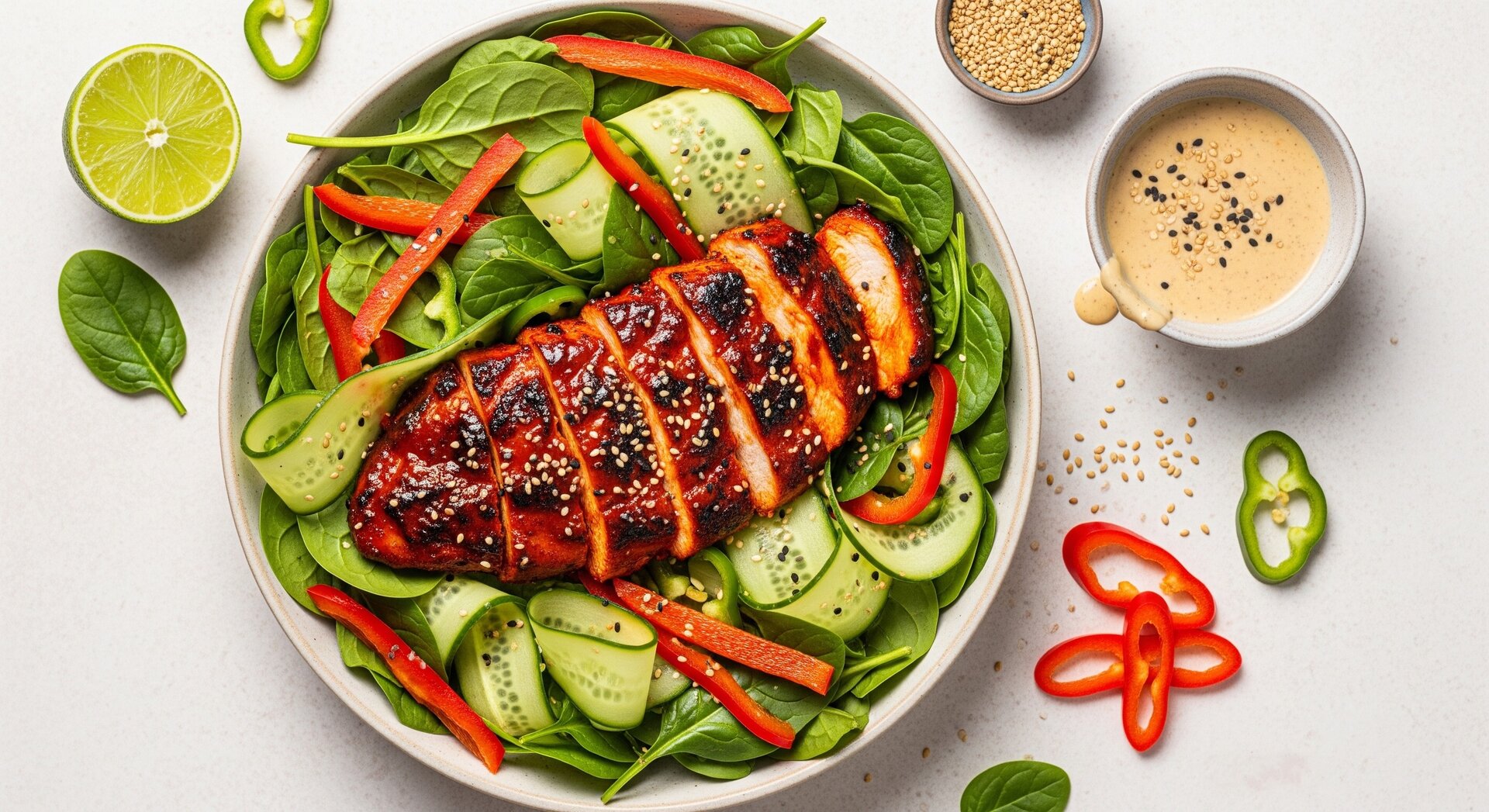 Korean Gochujang Chicken Salad with Sesame 35 min Spicy marinated chicken with crunchy vegetables and sesame dressing 568 kcal 62g protein 1 synergies
 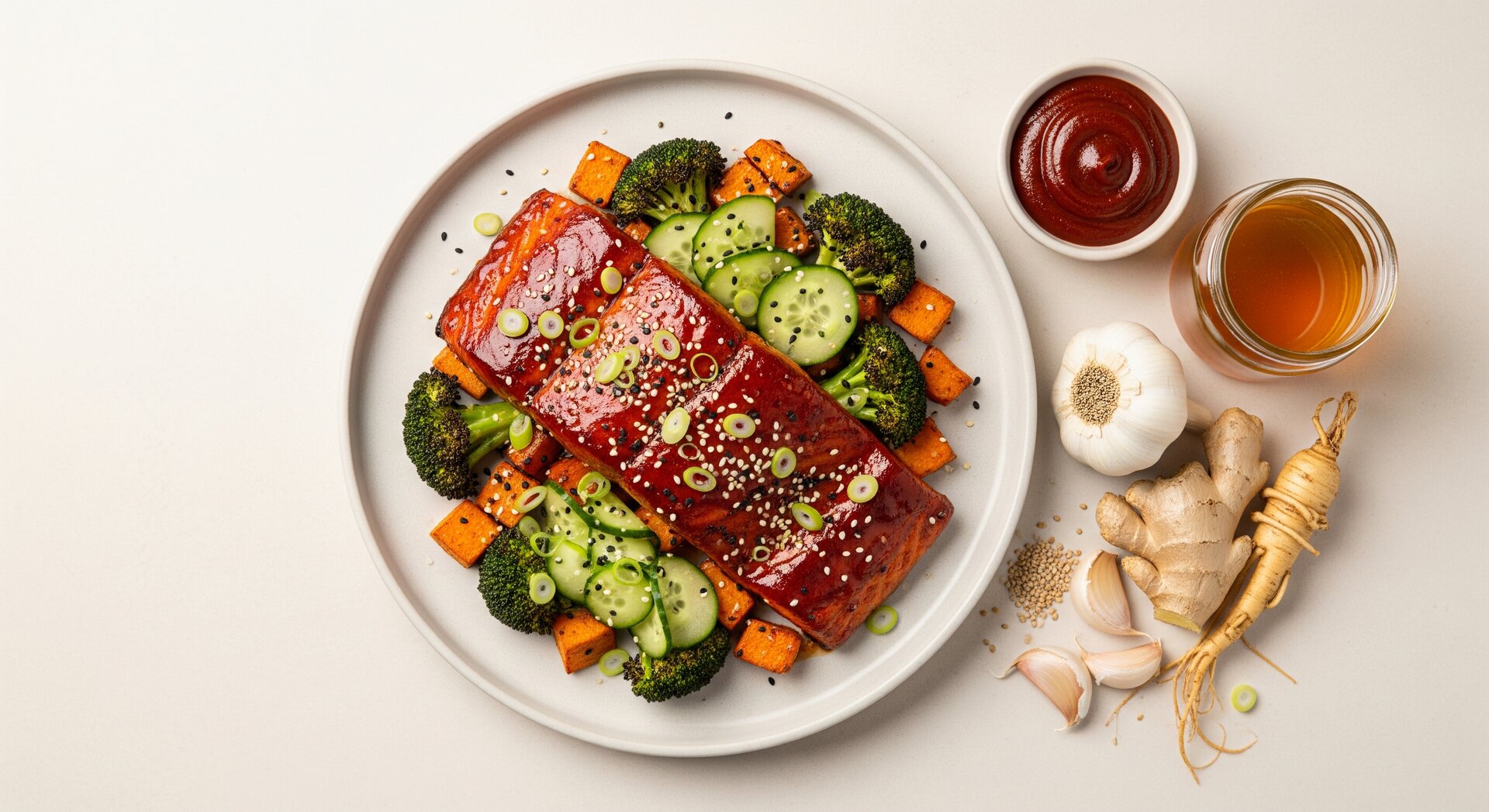 Korean Gochujang Salmon with Roasted Vegetables 55 min Sweet-spicy salmon with sesame, ginger and fresh cucumber 480 kcal 36g protein 2 synergies
  In the Kitchen
Storage
Location:Refrigerator
Shelf life:2 jaar ongeopend, 1 jaar geopend in koelkast
Refrigerate after opening. Traditional gochujang often becomes rounder and deeper in flavor as it continues to mature.
Preparation
Mix with sesame oil and rice vinegar for bibimbap sauce. Use as a marinade for meat, tofu or vegetables, or stir into stir-fries for sweet-spicy umami. Start with small amounts because the flavor is intense.
Conversions
Substitutes
Smart preparation
1Thin gochujang with a bit of sesame oil or water for marinades.
Why?
Pure gochujang is too thick to distribute evenly.
2Add gochujang to warm dishes for deeper umami flavors.
3Store opened gochujang in the fridge; it keeps for months.
Caution / Warnings
Gochujang is very safe, but there are scientific considerations:
Stomach ulcers / reflux Moderate
Spicy food can worsen symptoms
Advice:
Use in moderation or avoid during active symptoms
Soy allergy Severe
Gochujang contains fermented soybeans
Advice:
Avoid with soy allergy
Traditional use
Other
Korean fermentation tradition
Gochujang is a fermented chili paste with roots in Korean cuisine dating back to the Joseon dynasty (16th–17th century), when chili peppers arrived in Korea via Japan.
Summary
Gochujang is more than just heat: it is a Korean fermented chili paste with sweet-spicy umami, capsaicin from chili and aromas from rice and soybean fermentation. Choose traditionally fermented varieties for deeper flavor and a more complex texture.