- Easy
- 35 min
- 2 serv.
- 6 synergies
- Now at its best: Carrot
Vibrant Korean salad with gochujang-marinated chicken breast, crunchy vegetables and a dressing of toasted sesame oil, soy sauce and lime.
Gochujang. If you haven't met it yet, this is your moment.
It's a fermented chilli paste that has been the backbone of Korean cooking for generations — sweet, spicy, deeply umami. You mix it with a splash of soy sauce, sesame oil and garlic into a marinade that takes chicken from ordinary to irresistible in twenty minutes.
The chicken goes into a scorching hot grill pan. Four minutes per side, until the edges are lightly caramelised and the surface has that signature gochujang glow — deep red, glossy, slightly sticky.
Alongside: cucumber in strips, carrot julienne, red pepper, spinach. Raw and crunchy, as counterpoint to the warm chicken.
The sesame dressing binds everything. Toasted sesame oil, soy sauce, lime juice — you pour it over and scatter a generous handful of sesame seeds on top.
This isn't a salad you eat because you should. This is a salad you eat because it tastes good.
- 25
- min prep
- 10
- min cook
- 35
- min total
Nutritional Synergies
This recipe combines ingredients that enhance each other:
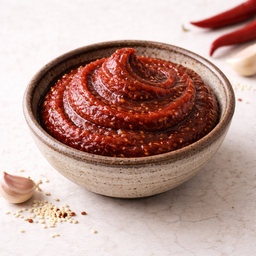 Gochujang
  Garlic
 Fermented chili + allicin for gut flora and immunity
Technical: Gochujang is a fermented product (rice + chili + soybeans) containing lactobacilli and Bacillus subtilis as probiotics. Capsaicin from the chili (0.5-1%) stimulates TRPV1 receptors for endorphin release. Garlic's allicin has broad bioactivity against pathogens without harming beneficial lactobacilli. The combination supports gut flora (gochujang) and acts selectively bioactive against pathogens (garlic).
What does this mean for you? Gochujang with garlic is the base of many Korean dishes (bibimbap, tteokbokki). The fermentation in gochujang feeds your good gut bacteria, while garlic fights the bad ones.
DigestionImmune System
Gochujang  Sesame Oil
 Fermentation + fats maximize bioactive compounds
Technical: Gochujang is fermented chili-soybean paste containing both capsaicin (thermogenic) and probiotics (Lactobacillus). Sesame oil's sesamin and sesamol are antioxidants protecting capsaicin from oxidation. The fat also increases capsaicin bioavailability. Ginger enhances thermogenic action via gingerol.
What does this mean for you? Mix gochujang with sesame oil and ginger as sauce for Korean bowls. The fermentation, fat and ginger reinforce each other — the core of Korean cuisine.
DigestionWeight Loss
 Chicken Breast
 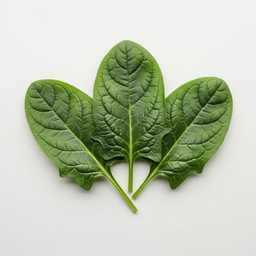 Spinach
 Protein + iron + vitamin C in one complete meal
Technical: Chicken breast provides 31g complete protein per 100g with all essential amino acids. Spinach contains 2.7mg iron plus 28mg vitamin C that improves iron absorption. The proteins from chicken support muscle building while iron supports energy production.
What does this mean for you? Chicken with sautéed spinach is one of the most complete fitness meals: lean protein, iron, vitamin C, and few calories. Add garlic for extra flavor and nutritional value.
Muscle GainEnergy
Sesame Oil 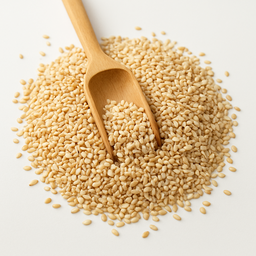 Sesame Seeds
 Sesame oil fats enhance absorption of sesame seed lignans
Technical: Sesame seeds contain lignans (sesamin, sesamolin) that are fat-soluble. Sesame oil provides the ideal fat matrix for absorption. Additionally, the oil contains different bioactive forms (sesamol) that work complementarily to lignans in whole seeds.
What does this mean for you? Top dishes with both sesame seeds and a drizzle of sesame oil — you get the fiber and minerals from the seeds plus optimal lignan absorption.
HeartAnti-inflammatoryHormonal Balance
Spinach Sesame Oil Sesame oil increases fat-soluble vitamin absorption from spinach 3-5x
Technical: Spinach contains vitamin K (483μg/100g, 400% RDI), beta-carotene and lutein - all fat-soluble. Sesame oil contains lignans (sesamin) that act as antioxidants and 50% monounsaturated fats that stimulate micelle formation.
What does this mean for you? Drizzle spinach with sesame oil (Korean/Japanese style) for maximum nutrient absorption. This is why namul (Korean spinach) is always made with sesame oil.
EnergyGeneral WellnessSkin & Hair
Spinach Sesame Seeds Iron + calcium + copper: mineral synergy
Technical: Spinach contains 2.7mg iron per 100g (15% RDI). Sesame seeds contain 975mg calcium per 100g (highest of all seeds!) plus 14.5mg iron. The combination delivers a rich mineral dose. Sesame seeds also contain copper (4.1mg/100g) — copper contributes to normal iron transport in the body (EFSA-approved).
What does this mean for you? Korean namul (sesame spinach) is not only delicious but also exceptionally mineral-rich. Copper from sesame seeds contributes to normal iron transport. Ideal for vegetarians.
EnergyJointsMuscle Gain
Ingredients (11)
+8 more ingredients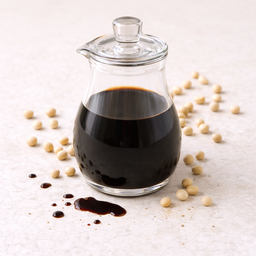
Instructions
- 1 Mix the gochujang, 15 ml soy sauce, 10 ml sesame oil and half the garlic into a marinade. Marinate the chicken strips for at least 20 minutes, preferably 2 hours in the fridge.
Nutrition per serving
Indicative values per serving.
Timing & Suitability
Shelf life: 2 days in fridge
Tags & Diet
Allergens: Soy, Sesame