- Medium
- 40 min
- 2 serv.
- 8 synergies
- Now at its best: White Cabbage
Stir-fried chicken breast in gochujang sauce with sweet potato, cabbage and jasmine rice. Classic Korean comfort food.
Dakgalbi is the dish Korean students in Chuncheon invented when they had little money but plenty of hunger — chicken, vegetables and a mountain of gochujang, everything in one pan. The chicken goes in cubed with the sauce into the wok until the edges caramelize and develop that characteristic red-glossy color. The sweet potato turns soft and absorbs the spicy sauce, the cabbage stays just crispy enough. Alongside: a bowl of steaming jasmine rice that tempers the fire of the gochujang. It's the kind of food that doesn't look refined but that you keep coming back to — warm, filling, and just spicy enough to keep you awake.
- 15
- min prep
- 25
- min cook
- 40
- min total
Nutritional Synergies
This recipe combines ingredients that enhance each other:
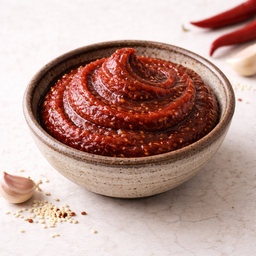 Gochujang
 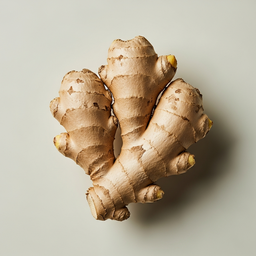 Ginger
 Capsaicin + gingerols for thermogenesis and lipid metabolism
Technical: Gochujang's capsaicin activates TRPV1 receptors that stimulate the sympathetic nervous system and increase thermogenesis by 10-15%. Ginger's gingerols and shogaols activate the same thermogenic pathway via a different mechanism (TRPA1 receptors). Both are studied in research in relation to thermogenesis and digestion.
What does this mean for you? Gochujang-ginger marinade or sauce gives your meal a warm, spicy character. You literally feel the warmth of the bold flavour.
Weight LossEnergyDigestion
Gochujang 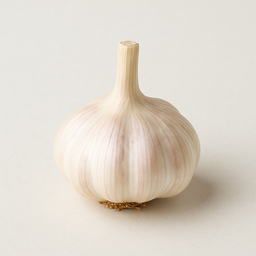 Garlic
 Fermented chili + allicin for gut flora and immunity
Technical: Gochujang is a fermented product (rice + chili + soybeans) containing lactobacilli and Bacillus subtilis as probiotics. Capsaicin from the chili (0.5-1%) stimulates TRPV1 receptors for endorphin release. Garlic's allicin has broad bioactivity against pathogens without harming beneficial lactobacilli. The combination supports gut flora (gochujang) and acts selectively bioactive against pathogens (garlic).
What does this mean for you? Gochujang with garlic is the base of many Korean dishes (bibimbap, tteokbokki). The fermentation in gochujang feeds your good gut bacteria, while garlic fights the bad ones.
DigestionImmune System
Gochujang 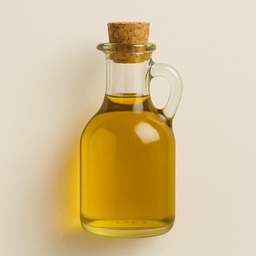 Sesame Oil
 Fermentation + fats maximize bioactive compounds
Technical: Gochujang is fermented chili-soybean paste containing both capsaicin (thermogenic) and probiotics (Lactobacillus). Sesame oil's sesamin and sesamol are antioxidants protecting capsaicin from oxidation. The fat also increases capsaicin bioavailability. Ginger enhances thermogenic action via gingerol.
What does this mean for you? Mix gochujang with sesame oil and ginger as sauce for Korean bowls. The fermentation, fat and ginger reinforce each other — the core of Korean cuisine.
DigestionWeight Loss
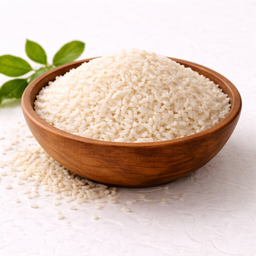 Jasmine Rice Ginger
 Asian staple combo: ginger improves rice digestion
Technical: Jasmine rice has a relatively high glycemic index (GI 68-80). Ginger contains gingerols that speed gastric emptying and can reduce glycemic response by 10-15%. Ginger also stimulates amylase activity, improving starch digestion.
What does this mean for you? Cook rice with ginger slices (remove before serving) or serve with ginger stir-fry. This is why ginger is so central to Asian cuisine with rice dishes.
DigestionBlood Sugar
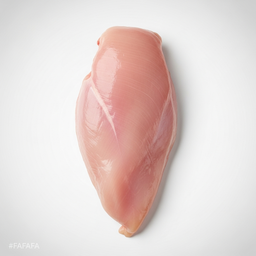 Chicken Breast Ginger
 Gingerols improve protein digestion and modulate the inflammatory response
Technical: Chicken breast contains 31g high-quality protein per 100g. Ginger contains gingerols that stimulate proteolytic enzymes (pepsin, trypsin), breaking down proteins more efficiently. Ginger also reduces formation of AGEs (Advanced Glycation End-products) when cooking meat.
What does this mean for you? Marinate chicken with fresh ginger or add ginger when cooking. This is the basis of many Asian chicken dishes (ginger chicken, congee) and improves both flavor and digestibility.
Muscle GainDigestionAnti-inflammatory
Garlic Ginger Allicin + gingerols: complementary bioactive action
Technical: Garlic's allicin works via thiol enzyme inhibition — effective against gram-positive bacteria (Staphylococcus, Streptococcus). Ginger's gingerols and shogaols influence viral replication and stimulate interferon production. Together they cover both bacterial and viral pathways.
What does this mean for you? Garlic-ginger tea is a classic combination. Garlic works via thiol enzymes, ginger via interferon pathways. Cut both fresh for maximum active compounds — allicin only forms after 10 minutes of air exposure.
Immune System
Sesame Oil Ginger Asian cooking base: lignans + gingerols via complementary pathways
Technical: Sesame oil contains sesamin and sesamolin (lignans) with antioxidant action. Ginger contains gingerols that modulate COX-2. Both compounds influence NF-κB via complementary mechanisms. The fat in sesame oil also improves absorption of fat-soluble gingerols.
What does this mean for you? Start Asian dishes with sesame oil + ginger as flavor base. This is the fundamental start of wok dishes and combines two bioactive compounds via complementary pathways.
Anti-inflammatoryDigestion
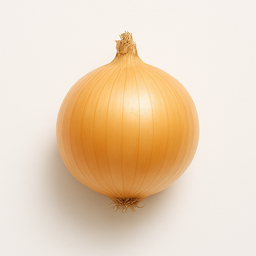 Onion Garlic
 More than 20 organosulfur compounds in one soffritto
Technical: Onion contains diallyl disulfide and quercetin (20-40mg/100g). Garlic contains allicin, ajoene and S-allylcysteine. Together they provide more than 20 different organosulfur compounds that modulate NF-κB. Allium crops are intensively studied in nutrition science for their unique sulfur chemistry.
What does this mean for you? Start every dish with sautéed onion and garlic — not just for flavor, but for the unique concentration of organosulfur compounds. Cut garlic 10 minutes before heating to allow allicin formation.
DigestionImmune System
Instructions
- 1 Cook jasmine rice according to package (about 15 minutes). Let steam with lid on.
Nutrition per serving
Indicative values per serving.
Timing & Suitability
Shelf life: 3 days in fridge
Tags & Diet
Allergens: Gluten, Soy