- Medium
- 40 min
- 2 serv.
- 11 synergies
- Now at its best: Spinach
A breakfast version of classic Korean bibimbap: warm rice with a fried egg, fermented kimchi, sesame oil and gochujang. Higher in calories for active people thanks to the rice and sesame seeds.
There's something meditative about arranging a bibimbap. First the steaming rice, piled into a soft mound at the bottom of the bowl. Around it the vegetables in neat mounds: bright green spinach still glistening from a drop of sesame oil, golden-brown fried carrot strips, and mushrooms that come out of the pan dark and fragrant. The kimchi joins in with its sharp, tangy scent that immediately makes your mouth water. On top the sunny-side-up egg — the white fully set, but the yolk still orange and soft, ready to be broken open and mixed through the rice. A generous spoonful of gochujang, dark red and glossy, and a shower of sesame seeds as a final accent. The first bite after mixing is an explosion of flavours: the warmth of the rice, the sharpness of the kimchi, the creaminess of the yolk, and the nutty undertone of sesame holding it all together.
- 15
- min prep
- 25
- min cook
- 40
- min total
Nutritional Synergies
This recipe combines ingredients that enhance each other:
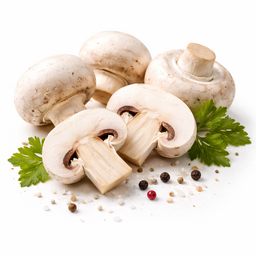 White Button Mushrooms
 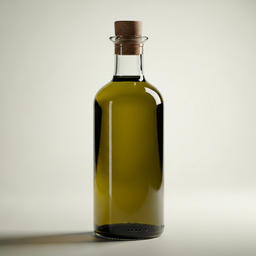 Olive Oil
 Increased absorption of ergothioneine and vitamin D
Technical: Mushrooms contain ergothioneine (0.4mg/100g, unique amino acid antioxidant) and vitamin D2 (7 IU/100g, up to 1110 IU after UV exposure). Ergothioneine is absorbed via the specific OCTN1 transporter. Vitamin D is fat-soluble — olive oil increases absorption up to 3x through micelle formation.
What does this mean for you? Sauté mushrooms in olive oil for optimal vitamin D absorption. Tip: place mushrooms in sunlight for 30 minutes first to increase vitamin D content up to 150x.
Immune SystemJoints
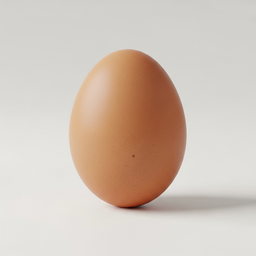 Eggs
Eggs 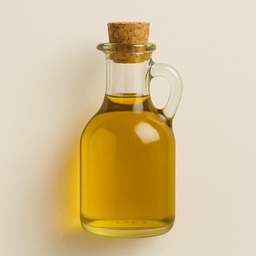 Sesame Oil
 Choline + sesamol for brain and liver support
Technical: Eggs contain 147mg choline per egg (27% RDI), essential as precursor for the neurotransmitter acetylcholine and for liver metabolism. Sesame oil contains sesamol and sesamin — bioactive lignan antioxidants with membrane-stabilizing properties. The fats in sesame oil also help absorb fat-soluble vitamins from eggs.
What does this mean for you? Fry your eggs in sesame oil for Asian dishes like tamagoyaki. The nutty flavor combines perfectly and the bioactive compounds complement each other.
FocusAntioxidantsAnti-inflammatory
Eggs 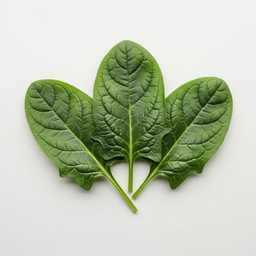 Spinach
 Increases vitamin E absorption by factor 4-7
Technical: Spinach contains vitamin E (2mg/100g), lutein and beta-carotene — all fat-soluble. A study showed that adding an egg (with 5g fat) to a raw vegetable salad increased vitamin E absorption by a factor of 4-7. The egg yolk creates a lipid emulsion serving as transport for these fat-soluble nutrients.
What does this mean for you? Always add an egg to your spinach salad or cook spinach with an egg. Without the egg fat you absorb up to 7x less vitamin E from the spinach.
General Wellness
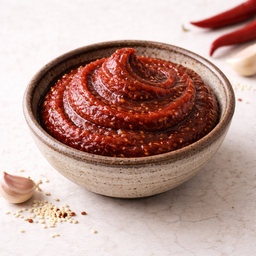 Gochujang Sesame Oil
 Fermentation + fats maximize bioactive compounds
Technical: Gochujang is fermented chili-soybean paste containing both capsaicin (thermogenic) and probiotics (Lactobacillus). Sesame oil's sesamin and sesamol are antioxidants protecting capsaicin from oxidation. The fat also increases capsaicin bioavailability. Ginger enhances thermogenic action via gingerol.
What does this mean for you? Mix gochujang with sesame oil and ginger as sauce for Korean bowls. The fermentation, fat and ginger reinforce each other — the core of Korean cuisine.
DigestionWeight Loss
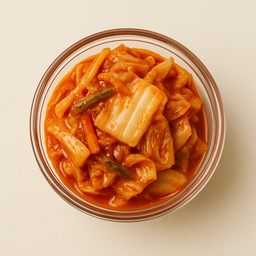 Kimchi Sesame Oil
 Korean combination: fat increases carotenoid absorption from kimchi
Technical: Kimchi (from Chinese cabbage, radish, etc.) contains beta-carotene and other carotenoids plus Lactobacillus probiotics. Sesame oil contains lignans and increases absorption of fat-soluble carotenoids by 3-5x. In Korea, sesame oil is often added to bibimbap with kimchi.
What does this mean for you? Drizzle sesame oil over your kimchi or briefly stir-fry it in sesame oil. This increases both flavor and nutrient absorption.
DigestionImmune System
Olive Oil 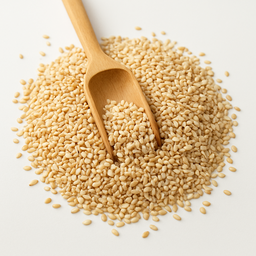 Sesame Seeds
 Olive oil fats improve absorption of sesame seed minerals and lignans
Technical: Olive oil's monounsaturated fats (oleic acid) improve absorption of fat-soluble lignans from sesame seeds. Additionally, olive oil polyphenols (oleocanthal) and sesame lignans form a broader antioxidant spectrum.
What does this mean for you? Use olive oil in dishes with sesame seeds — for example in an Asian salad or as a base for tahini dressing.
HeartAnti-inflammatorySkin & Hair
Sesame Oil Sesame Seeds Sesame oil fats enhance absorption of sesame seed lignans
Technical: Sesame seeds contain lignans (sesamin, sesamolin) that are fat-soluble. Sesame oil provides the ideal fat matrix for absorption. Additionally, the oil contains different bioactive forms (sesamol) that work complementarily to lignans in whole seeds.
What does this mean for you? Top dishes with both sesame seeds and a drizzle of sesame oil — you get the fiber and minerals from the seeds plus optimal lignan absorption.
HeartAnti-inflammatoryHormonal Balance
Spinach Olive Oil Makes fat-soluble vitamins and antioxidants available
Technical: Spinach contains 483μg vitamin K (403% RDI), 5626μg beta-carotene, 2mg vitamin E and 12.2mg lutein — all fat-soluble. Without fat only 5-10% is absorbed. Olive oil's monounsaturated fats (73% oleic acid) form micelles that increase absorption 2-5x.
What does this mean for you? Always eat spinach with olive oil or another fat source. Without fat you waste most of spinach's impressive vitamin profile. A drizzle of olive oil is essential for proper absorption.
Skin & HairJoints
Spinach Sesame Oil Sesame oil increases fat-soluble vitamin absorption from spinach 3-5x
Technical: Spinach contains vitamin K (483μg/100g, 400% RDI), beta-carotene and lutein - all fat-soluble. Sesame oil contains lignans (sesamin) that act as antioxidants and 50% monounsaturated fats that stimulate micelle formation.
What does this mean for you? Drizzle spinach with sesame oil (Korean/Japanese style) for maximum nutrient absorption. This is why namul (Korean spinach) is always made with sesame oil.
EnergyGeneral WellnessSkin & Hair
Spinach Sesame Seeds Iron + calcium + copper: mineral synergy
Technical: Spinach contains 2.7mg iron per 100g (15% RDI). Sesame seeds contain 975mg calcium per 100g (highest of all seeds!) plus 14.5mg iron. The combination delivers a rich mineral dose. Sesame seeds also contain copper (4.1mg/100g) — copper contributes to normal iron transport in the body (EFSA-approved).
What does this mean for you? Korean namul (sesame spinach) is not only delicious but also exceptionally mineral-rich. Copper from sesame seeds contributes to normal iron transport. Ideal for vegetarians.
EnergyJointsMuscle Gain
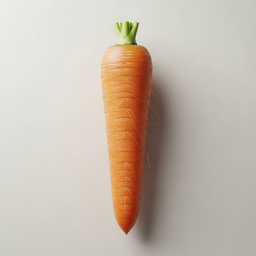 Carrot Olive Oil
 Up to 5x more beta-carotene absorption
Technical: Carrot contains 8285μg beta-carotene per 100g, but bioavailability from raw carrot is only 3-4%. Heating + olive oil increases this to 20-25%. Oleic acid (73% of olive oil) forms mixed micelles that efficiently transport beta-carotene to enterocytes for absorption.
What does this mean for you? Roast carrots with olive oil or eat them in a salad with dressing. Without fat you absorb only 3% of beta-carotene — with olive oil up to 5x more.
Skin & HairFocusImmune System
Ingredients (11)
+8 more ingredients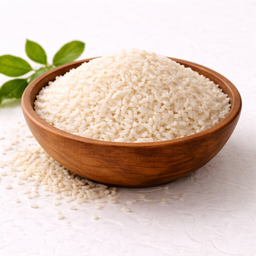
Instructions
- 1 Cook the rice according to package directions. Keep warm.
- 2 Blanch the spinach 30 seconds in boiling water, rinse with cold water and squeeze dry. Mix with a drop of sesame oil.
Nutrition per serving
Indicative values per serving.
Timing & Suitability
Shelf life: 1 days in fridge
Tags & Diet
Allergens: Eggs, Soy, Sesame