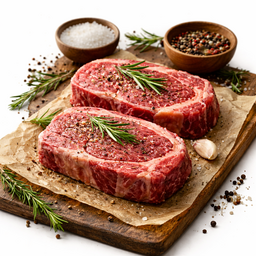
Beef Steak
The powerhouse among meats
What is this ingredient?
Beef steak comes from the loin or back of the cow and is known for its tender texture and rich flavor. Besides high-quality protein, it contains all essential amino acids, including leucine which directly activates muscle protein synthesis. The iron in steak is primarily heme iron, which is absorbed 2-3 times better than plant-based iron. Beef steak also contains natural creatine and carnosine, compounds interesting for athletes. Quality varies greatly: from grass-fed (more omega-3) to grain-fed (more marbling). The Maillard reaction during searing gives the characteristic flavor.
How does it taste?
Intensely meaty and rich with deep umami and mineral undertones.
Pairs well with:
Pairs well with rosemarygarlicbutterred wine and pepper.
Did you know...?
- The word 'biefstuk' comes from the English 'beefsteak', adopted into Dutch in the 18th century.
- Japanese wagyu cattle are sometimes massaged and given beer to drink for their tender texture.
Nutritional Value & Energy
Per 100g
Beef Steak provides energy thanks to natural nutrients .
Per 100g
Minerals
Vitamins
More nutrients
B-Vitamins
Trace Minerals
What's in a serving?
1 serving
Beef Steak naturally contains iron (2.6 mg per 100 g).
Beef Steak naturally contains zinc (4.8 mg per 100 g).
Beef Steak naturally contains vitamin b12 (2.6 mcg per 100 g).
Beef Steak naturally contains selenium (24.9 mcg per 100 g).
Beef Steak naturally contains phosphorus (198 mg per 100 g).
Beef Steak naturally contains potassium (318 mg per 100 g).
Beef Steak naturally contains vitamin b6 (0.6 mg per 100 g).
% of daily reference intake (DRI)
EU-approved nutrition claims
This ingredient contains nutrients for which EFSA-authorized health claims exist (at nutrient level, not ingredient-specific).
Approved health claims (EU)
Vitamin_b12 EU 432/2012
Vitamin B12 contributes to the normal function of the immune system
Contains 2.6mcg/100g (threshold: ≥0.375mcg/100g)
Vitamin_b12 EU 432/2012
Vitamin B12 contributes to the reduction of tiredness and fatigue
Contains 2.6mcg/100g (threshold: ≥0.375mcg/100g)
Vitamin_b12 EU 432/2012
Vitamin B12 contributes to the normal functioning of the nervous system
Contains 2.6mcg/100g (threshold: ≥0.375mcg/100g)
Zinc EU 432/2012
Zinc contributes to the normal function of the immune system
Contains 4.8mg/100g (threshold: ≥1.5mg/100g)
Zinc EU 432/2012
Zinc contributes to the maintenance of normal skin
Contains 4.8mg/100g (threshold: ≥1.5mg/100g)
Iron EU 432/2012
Iron contributes to normal energy-yielding metabolism
Contains 2.6mg/100g (threshold: ≥2.1mg/100g)
Iron EU 432/2012
Iron contributes to the reduction of tiredness and fatigue
Contains 2.6mg/100g (threshold: ≥2.1mg/100g)
Potassium EU 432/2012
Potassium contributes to the maintenance of normal blood pressure
Contains 318mg/100g (threshold: ≥300mg/100g)
Vitamin_b6 EU 432/2012
Vitamin B6 contributes to normal cysteine synthesis
Contains 0.6mg/100g (threshold: ≥0.21mg/100g)
Vitamin_b6 EU 432/2012
Vitamin B6 contributes to normal energy-yielding metabolism
Contains 0.6mg/100g (threshold: ≥0.21mg/100g)
Vitamin_b6 EU 432/2012
Vitamin B6 contributes to normal functioning of the nervous system
Contains 0.6mg/100g (threshold: ≥0.21mg/100g)
Vitamin_b6 EU 432/2012
Vitamin B6 contributes to normal homocysteine metabolism
Contains 0.6mg/100g (threshold: ≥0.21mg/100g)
Vitamin_b6 EU 432/2012
Vitamin B6 contributes to normal protein and glycogen metabolism
Contains 0.6mg/100g (threshold: ≥0.21mg/100g)
Vitamin_b6 EU 432/2012
Vitamin B6 contributes to normal psychological function
Contains 0.6mg/100g (threshold: ≥0.21mg/100g)
Vitamin_b6 EU 432/2012
Vitamin B6 contributes to normal red blood cell formation
Contains 0.6mg/100g (threshold: ≥0.21mg/100g)
Vitamin_b6 EU 432/2012
Vitamin B6 contributes to the normal function of the immune system
Contains 0.6mg/100g (threshold: ≥0.21mg/100g)
Vitamin_b6 EU 432/2012
Vitamin B6 contributes to the regulation of hormonal activity
Contains 0.6mg/100g (threshold: ≥0.21mg/100g)
Vitamin_b6 EU 432/2012
Vitamin B6 contributes to the reduction of tiredness and fatigue
Contains 0.6mg/100g (threshold: ≥0.21mg/100g)
Vitamin_b12 EU 432/2012
Vitamin B12 contributes to normal energy-yielding metabolism
Contains 2.6mcg/100g (threshold: ≥0.375mcg/100g)
Vitamin_b12 EU 432/2012
Vitamin B12 contributes to normal homocysteine metabolism
Contains 2.6mcg/100g (threshold: ≥0.375mcg/100g)
Vitamin_b12 EU 432/2012
Vitamin B12 contributes to normal psychological function
Contains 2.6mcg/100g (threshold: ≥0.375mcg/100g)
Vitamin_b12 EU 432/2012
Vitamin B12 contributes to normal red blood cell formation
Contains 2.6mcg/100g (threshold: ≥0.375mcg/100g)
Vitamin_b12 EU 432/2012
Vitamin B12 has a role in the process of cell division
Contains 2.6mcg/100g (threshold: ≥0.375mcg/100g)
Phosphorus EU 432/2012
Phosphorus contributes to normal energy-yielding metabolism
Contains 198mg/100g (threshold: ≥105mg/100g)
Phosphorus EU 432/2012
Phosphorus contributes to the normal function of cell membranes
Contains 198mg/100g (threshold: ≥105mg/100g)
Phosphorus EU 432/2012
Phosphorus contributes to the maintenance of normal bones
Contains 198mg/100g (threshold: ≥105mg/100g)
Phosphorus EU 432/2012
Phosphorus contributes to the maintenance of normal teeth
Contains 198mg/100g (threshold: ≥105mg/100g)
Iron EU 432/2012
Iron contributes to normal cognitive function
Contains 2.6mg/100g (threshold: ≥2.1mg/100g)
Iron EU 432/2012
Iron contributes to normal formation of red blood cells and haemoglobin
Contains 2.6mg/100g (threshold: ≥2.1mg/100g)
Iron EU 432/2012
Iron contributes to normal oxygen transport in the body
Contains 2.6mg/100g (threshold: ≥2.1mg/100g)
Iron EU 432/2012
Iron contributes to the normal function of the immune system
Contains 2.6mg/100g (threshold: ≥2.1mg/100g)
Iron EU 432/2012
Iron has a role in the process of cell division
Contains 2.6mg/100g (threshold: ≥2.1mg/100g)
Zinc EU 432/2012
Zinc contributes to normal acid-base metabolism
Contains 4.8mg/100g (threshold: ≥1.5mg/100g)
Zinc EU 432/2012
Zinc contributes to normal carbohydrate metabolism
Contains 4.8mg/100g (threshold: ≥1.5mg/100g)
Zinc EU 432/2012
Zinc contributes to normal cognitive function
Contains 4.8mg/100g (threshold: ≥1.5mg/100g)
Zinc EU 432/2012
Zinc contributes to normal DNA synthesis
Contains 4.8mg/100g (threshold: ≥1.5mg/100g)
Zinc EU 432/2012
Zinc contributes to normal fertility and reproduction
Contains 4.8mg/100g (threshold: ≥1.5mg/100g)
Zinc EU 432/2012
Zinc contributes to normal macronutrient metabolism
Contains 4.8mg/100g (threshold: ≥1.5mg/100g)
Zinc EU 432/2012
Zinc contributes to normal metabolism of fatty acids
Contains 4.8mg/100g (threshold: ≥1.5mg/100g)
Zinc EU 432/2012
Zinc contributes to normal metabolism of vitamin A
Contains 4.8mg/100g (threshold: ≥1.5mg/100g)
Zinc EU 432/2012
Zinc contributes to normal protein synthesis
Contains 4.8mg/100g (threshold: ≥1.5mg/100g)
Zinc EU 432/2012
Zinc contributes to the maintenance of normal bones
Contains 4.8mg/100g (threshold: ≥1.5mg/100g)
Zinc EU 432/2012
Zinc contributes to the maintenance of normal hair
Contains 4.8mg/100g (threshold: ≥1.5mg/100g)
Zinc EU 432/2012
Zinc contributes to the maintenance of normal nails
Contains 4.8mg/100g (threshold: ≥1.5mg/100g)
Zinc EU 432/2012
Zinc contributes to the maintenance of normal testosterone levels in the blood
Contains 4.8mg/100g (threshold: ≥1.5mg/100g)
Zinc EU 432/2012
Zinc contributes to the maintenance of normal vision
Contains 4.8mg/100g (threshold: ≥1.5mg/100g)
Zinc EU 432/2012
Zinc contributes to the protection of cells from oxidative stress
Contains 4.8mg/100g (threshold: ≥1.5mg/100g)
Zinc EU 432/2012
Zinc has a role in the process of cell division
Contains 4.8mg/100g (threshold: ≥1.5mg/100g)
Selenium EU 432/2012
Selenium contributes to the maintenance of normal hair
Contains 24.9mcg/100g (threshold: ≥8.25mcg/100g)
Selenium EU 432/2012
Selenium contributes to the maintenance of normal nails
Contains 24.9mcg/100g (threshold: ≥8.25mcg/100g)
Selenium EU 432/2012
Selenium contributes to the normal function of the immune system
Contains 24.9mcg/100g (threshold: ≥8.25mcg/100g)
Selenium EU 432/2012
Selenium contributes to normal thyroid function
Contains 24.9mcg/100g (threshold: ≥8.25mcg/100g)
Selenium EU 432/2012
Selenium contributes to normal spermatogenesis
Contains 24.9mcg/100g (threshold: ≥8.25mcg/100g)
Selenium EU 432/2012
Selenium contributes to the protection of cells from oxidative stress
Contains 24.9mcg/100g (threshold: ≥8.25mcg/100g)
Potassium EU 432/2012
Potassium contributes to normal functioning of the nervous system
Contains 318mg/100g (threshold: ≥300mg/100g)
Potassium EU 432/2012
Potassium contributes to normal muscle function
Contains 318mg/100g (threshold: ≥300mg/100g)
What's being researched?
Beef and iron absorption
Heme iron in beef is studied as the most bioavailable form of dietary iron. Studies confirm superior absorption compared to non-heme iron from plant sources.
Supported by: [2] Wyness (2016)
Red meat and cardiovascular risk
The association between red meat consumption and cardiovascular outcomes is intensively studied. Recent studies implicate TMAO (trimethylamine-N-oxide) produced from carnitine as a potential mechanism.
Supported by: [1] McAfee (2010)
Good Combinations (Synergy)
Combine beef steak smartly to enhance the effect:
Beef Steak 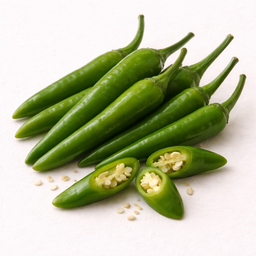 Green Chili Pepper
 6x better iron absorption through vitamin C
Technical: Steak contains 2.6mg heme iron per 100g — the most absorbable form of iron (15-35% absorption vs. 5-12% for non-heme). Yet vitamin C from bell pepper (128mg per 100g red pepper) can further increase total iron absorption by also activating non-heme iron in meat and stimulating ferroportin expression. Studies show 3-6x higher total iron uptake.
What does this mean for you? Add bell pepper to your steak — as salad, roasted side dish or in a stir-fry. Red pepper has the most vitamin C, but yellow and green work too. Perfect for athletes and iron deficiency.
Beef Steak  Bell Pepper
 6x better iron absorption through vitamin C
Technical: Steak contains 2.6mg heme iron per 100g — the most absorbable form of iron (15-35% absorption vs. 5-12% for non-heme). Yet vitamin C from bell pepper (128mg per 100g red pepper) can further increase total iron absorption by also activating non-heme iron in meat and stimulating ferroportin expression. Studies show 3-6x higher total iron uptake.
What does this mean for you? Add bell pepper to your steak — as salad, roasted side dish or in a stir-fry. Red pepper has the most vitamin C, but yellow and green work too. Perfect for athletes and iron deficiency.
Beef Steak 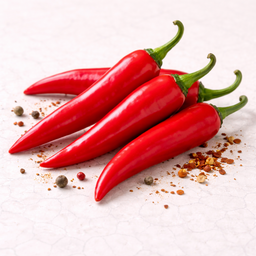 Red Chili Pepper (Fresh)
 6x better iron absorption through vitamin C
Technical: Steak contains 2.6mg heme iron per 100g — the most absorbable form of iron (15-35% absorption vs. 5-12% for non-heme). Yet vitamin C from bell pepper (128mg per 100g red pepper) can further increase total iron absorption by also activating non-heme iron in meat and stimulating ferroportin expression. Studies show 3-6x higher total iron uptake.
What does this mean for you? Add bell pepper to your steak — as salad, roasted side dish or in a stir-fry. Red pepper has the most vitamin C, but yellow and green work too. Perfect for athletes and iron deficiency.
Beef Steak 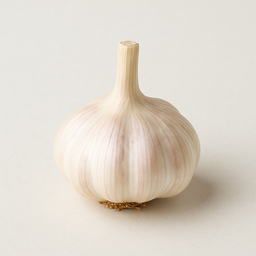 Garlic
 Garlic reduces AGE formation during high-heat cooking
Garlic inhibits AGE formation when heating meat (PMID: 16366735)
Technical: Grilling meat forms Advanced Glycation End-products (AGEs) that accelerate aging and inflammation. Garlic contains sulfur compounds (allicin, diallyl sulfide) that can help reduce AGE formation. Garlic also provides sulfur compounds traditionally valued in meat preparation.
What does this mean for you? Add garlic to your marinade or sprinkle chopped garlic over your steak while cooking. This is not just tasty but also protective.
Beef Steak  Rosemary
 Rosemary helps reduce HCA formation when grilling
Rosemary extract reduces HCA formation in grilled meat (PMID: 18444144)
Technical: Grilling meat forms heterocyclic amines (HCAs) that are carcinogenic. Rosemary contains carnosol, rosmanol and carnosic acid — powerful antioxidants that can help reduce HCA formation. Herbs add antioxidants during grilling.
What does this mean for you? Marinate steak at least 30 minutes in oil with rosemary before grilling, or place fresh rosemary sprigs on the meat while cooking. This is healthier than grilling without herbs!
Recipes with Beef Steak
Discover delicious recipes featuring beef steak:
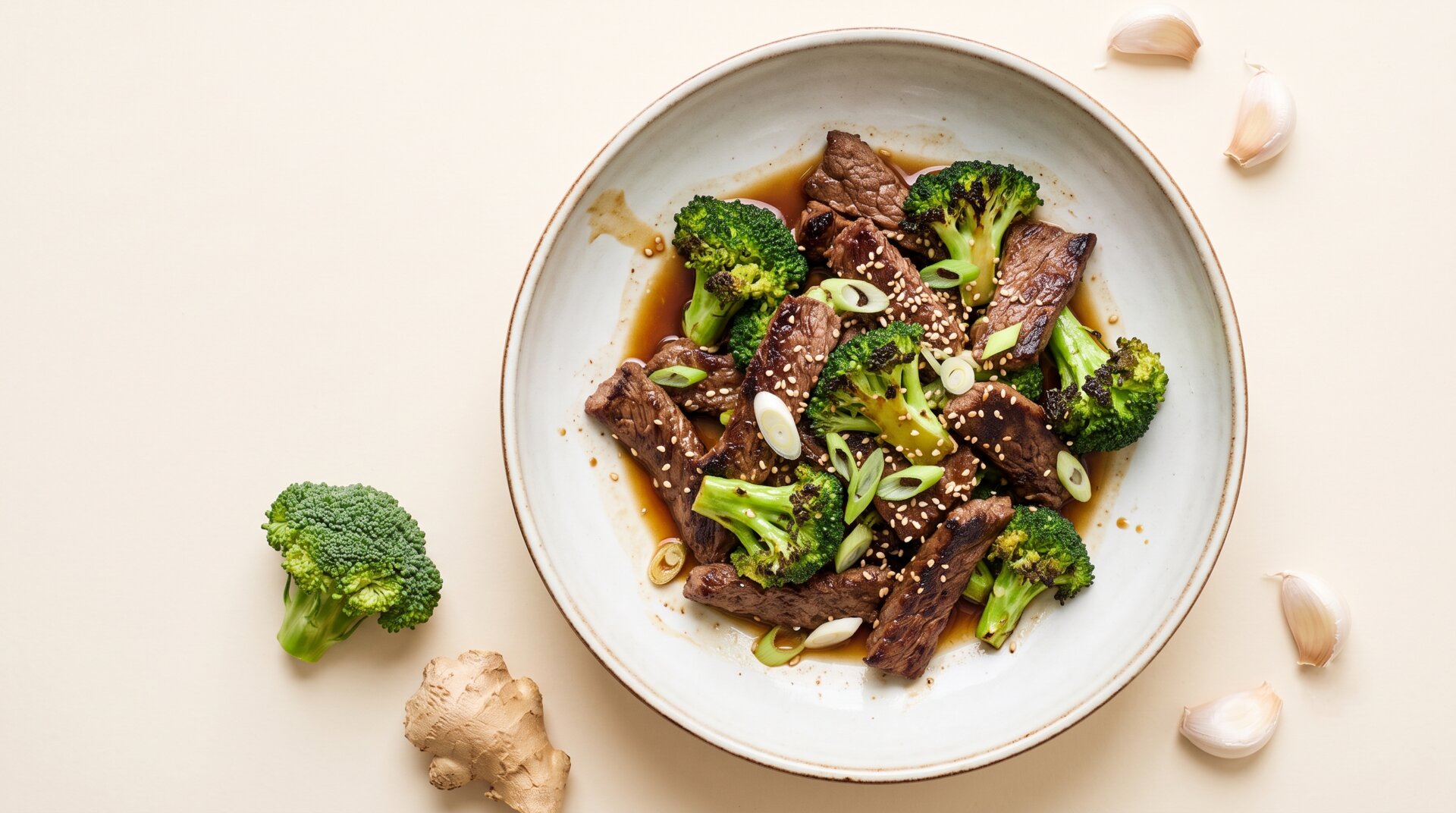 Chinese Beef & Broccoli 30 min Tender beef strips with crispy broccoli in oyster sauce
  380 kcal
  36g protein 1 synergies
 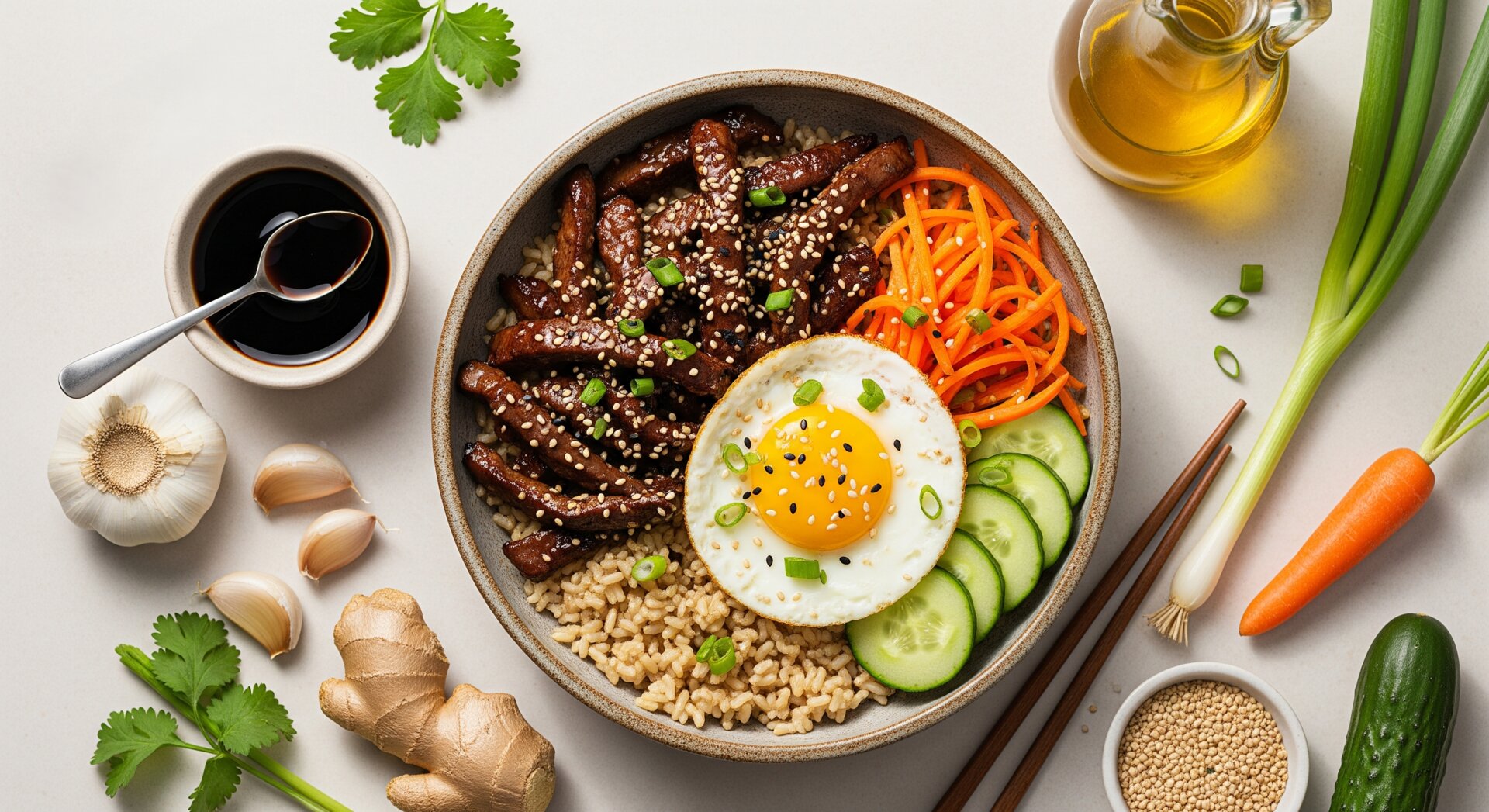 Korean Bulgogi Bowl 60 min Marinated beef with vegetables and rice 580 kcal 42g protein 1 synergies
 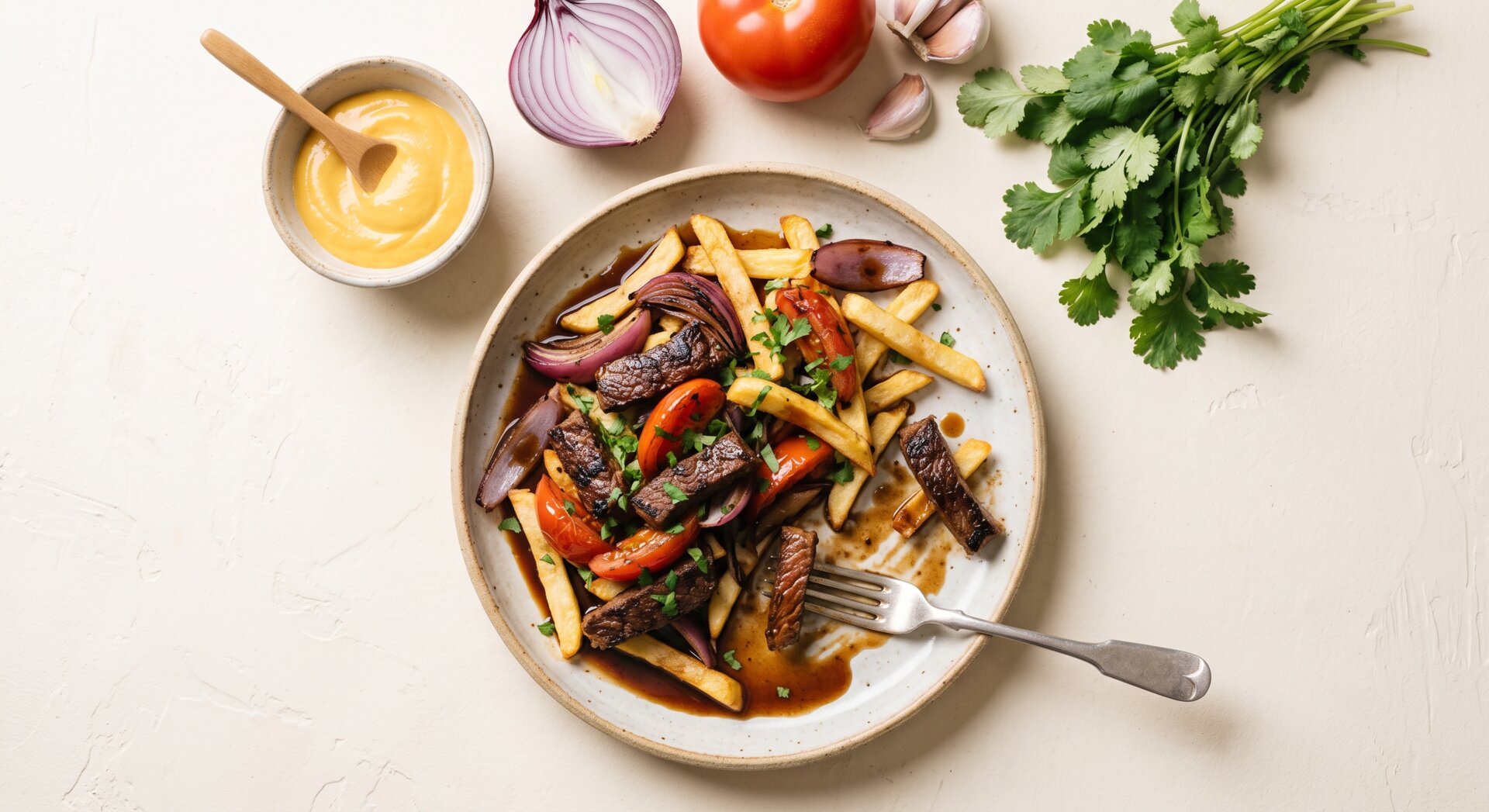 Peruvian Lomo Saltado 45 min Stir-fry with steak, tomato, red onion and crispy potato 480 kcal 38g protein 1 synergies
 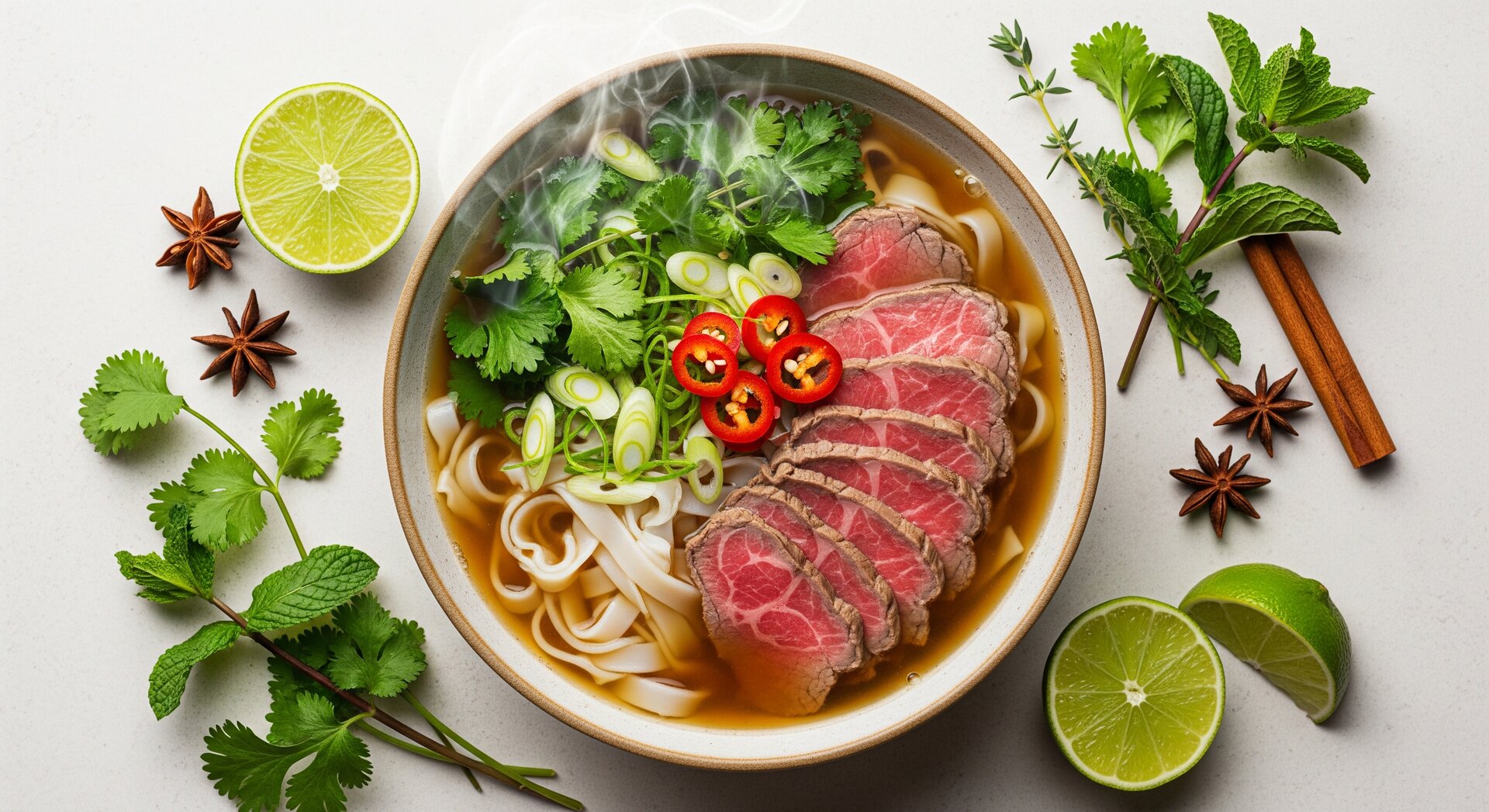 Vietnamese Beef Pho 60 min Aromatic beef broth with rice noodles 420 kcal 28g protein 1 synergies
  In the Kitchen
Storage
Location:Refrigerator
Shelf life:3-5 dagen koelkast, 6-12 maanden vriezer
Store in the coldest zone of the refrigerator. Freeze immediately after purchase for optimal quality.
Preparation
Let sit at room temperature for 30 min. Pat dry with paper towel. Sear on high heat 2-3 min per side. Rest 5 min before cutting. Core temp: rare 50°C, medium-rare 55°C, medium 60°C.
Substitutes
Smart preparation
1Take steak out of the fridge 30-60 minutes before cooking.
Why?
Room temperature meat cooks more evenly from outside to inside.
2Pat steak dry with kitchen paper before cooking.
Why?
Moisture on the surface steams instead of searing.
3Let steak rest for 5-10 minutes after cooking.
Why?
Resting distributes the juices evenly through the meat.
4Fry steak in a scorching hot pan with high smoke point oil.
Caution / Warnings
Beef Steak is very safe, but there are scientific considerations:
Cardiovascular Disease Moderate
Contains saturated fat which with excessive consumption may contribute to elevated cholesterol
Advice:
Choose lean cuts (filet). Limit to 2-3 times per week. Combine with vegetables.
Cooking Method Mild
Charring or very long cooking can form heterocyclic amines (HCAs)
Advice:
Avoid charring. Marinating can reduce HCA formation. Medium-rare to medium is optimal.
Summary
The king of protein sources. Ideal for muscle building through complete protein, creatine and heme iron. Let come to room temperature before cooking, sear on high heat and let rest. Medium-rare to medium is tastiest and most nutrient-dense.