- Medium
- 60 min
- 2 serv.
- 8 synergies
- Now at its best: Garlic
A steaming bowl of Vietnamese pho with rich beef broth, tender steak and fresh herbs. A comforting soup full of deep flavours.
The broth is clear and deep gold, with a layer of glistening fat catching the light. The scent of charred ginger and star anise rises from the bowl like a warm blanket. Paper-thin slices of pink steak are cooked silky-tender in seconds by the boiling broth, while smooth rice noodles curl up at the bottom. A handful of fresh mint, coriander and slices of red chilli make every bite different — fresh, spicy and deep all at once.
- 15
- min prep
- 45
- min cook
- 60
- min total
Nutritional Synergies
This recipe combines ingredients that enhance each other:
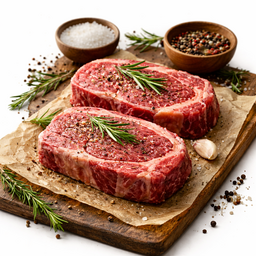 Beef Steak
 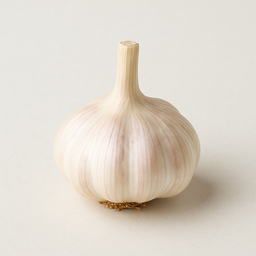 Garlic
 Garlic reduces AGE formation during high-heat cooking
Garlic inhibits AGE formation when heating meat (PMID: 16366735)
Technical: Grilling meat forms Advanced Glycation End-products (AGEs) that accelerate aging and inflammation. Garlic contains sulfur compounds (allicin, diallyl sulfide) that can help reduce AGE formation. Garlic also provides sulfur compounds traditionally valued in meat preparation.
What does this mean for you? Add garlic to your marinade or sprinkle chopped garlic over your steak while cooking. This is not just tasty but also protective.
Anti-inflammatoryHeart
Garlic 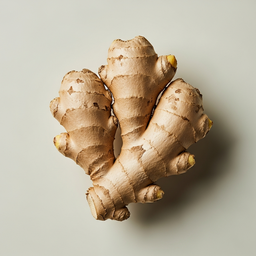 Ginger
 Allicin + gingerols: complementary bioactive action
Technical: Garlic's allicin works via thiol enzyme inhibition — effective against gram-positive bacteria (Staphylococcus, Streptococcus). Ginger's gingerols and shogaols influence viral replication and stimulate interferon production. Together they cover both bacterial and viral pathways.
What does this mean for you? Garlic-ginger tea is a classic combination. Garlic works via thiol enzymes, ginger via interferon pathways. Cut both fresh for maximum active compounds — allicin only forms after 10 minutes of air exposure.
Immune System
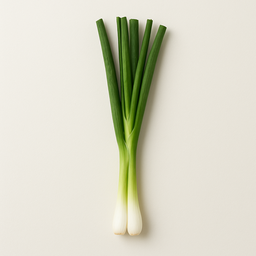 Spring Onion
 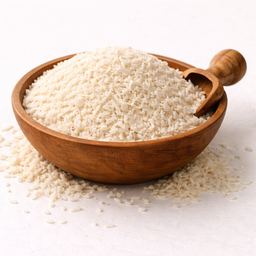 Rice noodles
 Allyl sulfides slow glycemic response of rice
Technical: Green onion's allyl sulfides and quercetin inhibit α-glucosidase and slow carbohydrate breakdown. This reduces the postprandial glycemic peak after rice consumption by 15-20%. Green onion also contains chromium (1.1μg/100g) involved in GLUT4 translocation.
What does this mean for you? Always garnish rice dishes with green onion — this slows the glycemic response. Classic in Asian cuisine, especially for those mindful of carbohydrate processing.
Blood SugarGeneral Wellness
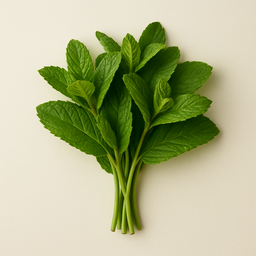 Mint
Mint 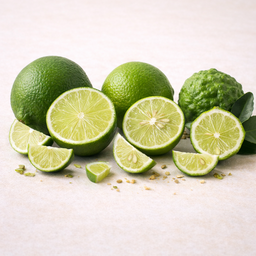 Lime
Lime Refreshing biotransformation combination
Technical: Mint promotes bile flow and digestive enzyme activity. Lemon/lime contains citric acid supporting biotransformation and vitamin C for immune function. Together they enhance biotransformation capacity.
What does this mean for you? Mint water with lemon is a simple but delicious combination. Drink it in the morning for good hydration — the mint promotes your digestion, the lemon adds vitamin C.
AntioxidantsDigestionImmune System
Rice noodles Ginger Ginger lowers glycemic response of rice by 10-15%
Technical: Rice has a moderate to high GI (56-89 depending on variety). Ginger contains gingerols that modulate amylase activity and influence gastric emptying, reducing the glycemic peak by 10-15%. This has been demonstrated for jasmine rice but applies to all rice varieties.
What does this mean for you? Cook ginger slices in your rice or serve rice with ginger dishes. A simple addition with measurable effect on your blood sugar.
Blood SugarDigestionEnergy
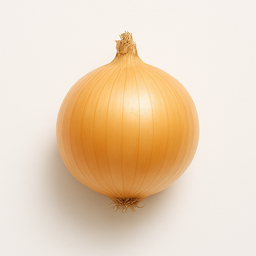 Onion Garlic
 More than 20 organosulfur compounds in one soffritto
Technical: Onion contains diallyl disulfide and quercetin (20-40mg/100g). Garlic contains allicin, ajoene and S-allylcysteine. Together they provide more than 20 different organosulfur compounds that modulate NF-κB. Allium crops are intensively studied in nutrition science for their unique sulfur chemistry.
What does this mean for you? Start every dish with sautéed onion and garlic — not just for flavor, but for the unique concentration of organosulfur compounds. Cut garlic 10 minutes before heating to allow allicin formation.
DigestionImmune System
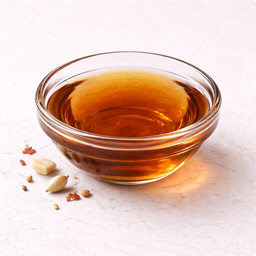 Fish Sauce Garlic
 Fermented umami + allicin for immunity and flavor
Technical: Fish sauce contains fermented amino acids (glutamate, histidine) and bioactive peptides from long fermentation. Garlic's allicin offers bioactive action. The fermented compounds support the gut microbiome while allicin provides a complementary bioactive profile.
What does this mean for you? Combine fish sauce and garlic as base for Asian stir-fries, marinades and dressings. This is the fundamental flavor base of Thai and Vietnamese cuisine.
Immune SystemDigestion
Fish Sauce Lime Umami + acid for perfect Thai balance
Technical: Fish sauce contains free glutamate (umami) from prolonged fish fermentation. Lime contains citric acid that lowers pH and enhances umami flavor perception. Citric acid also stimulates saliva and gastric acid production, improving protein digestion from the dish.
What does this mean for you? Combine fish sauce with lime as base for Thai dressings and dipping sauces. The acid from lime intensifies the umami from fish sauce — the core of Thai cuisine.
Digestion
Ingredients (12)
+9 more ingredientsInstructions
- 1 Char the ginger, garlic and onion under a hot broiler or in a dry pan until blackened.
- 2 Bring 1.5 litres of beef broth to a simmer with the charred ginger, onion, garlic, cinnamon stick and star anise. Let it gently infuse for 30 minutes.
Nutrition per serving
Indicative values per serving.
Timing & Suitability
Shelf life: 3 days in fridge
Tags & Diet
Allergens: Fish