- Medium
- 60 min
- 2 serv.
- 15 synergies
- Now at its best: Honey
Tender beef strips in a sweet-savory bulgogi marinade, served on rice with pickled vegetables and a fried egg.
Bulgogi — literally 'fire meat' — is one of the most beloved dishes in Korean cuisine. The secret is in the marinade: tamari, sesame oil, honey and a hint of ginger soak deep into the meat, while the sugars caramelize the moment the strips hit the screaming hot pan. That first aroma — smoky, sweet, with a whisper of sesame — is irresistible. On a bed of steaming brown rice, with crunchy grated carrot, cool cucumber and a soft-fried egg whose yolk flows like a sauce over everything when broken. Scatter sesame seeds and green onion on top, and you have a bowl that is both comforting and exciting.
- 40
- min prep
- 20
- min cook
- 60
- min total
Nutritional Synergies
This recipe combines ingredients that enhance each other:
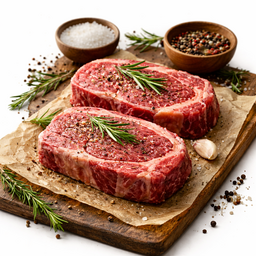 Beef
Beef 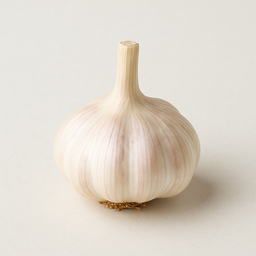 Garlic
 Garlic reduces AGE formation during high-heat cooking
Garlic inhibits AGE formation when heating meat (PMID: 16366735)
Technical: Grilling meat forms Advanced Glycation End-products (AGEs) that accelerate aging and inflammation. Garlic contains sulfur compounds (allicin, diallyl sulfide) that can help reduce AGE formation. Garlic also provides sulfur compounds traditionally valued in meat preparation.
What does this mean for you? Add garlic to your marinade or sprinkle chopped garlic over your steak while cooking. This is not just tasty but also protective.
Anti-inflammatoryHeart
 Eggs
Eggs 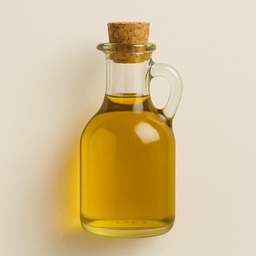 Sesame Oil
 Choline + sesamol for brain and liver support
Technical: Eggs contain 147mg choline per egg (27% RDI), essential as precursor for the neurotransmitter acetylcholine and for liver metabolism. Sesame oil contains sesamol and sesamin — bioactive lignan antioxidants with membrane-stabilizing properties. The fats in sesame oil also help absorb fat-soluble vitamins from eggs.
What does this mean for you? Fry your eggs in sesame oil for Asian dishes like tamagoyaki. The nutty flavor combines perfectly and the bioactive compounds complement each other.
FocusAntioxidantsAnti-inflammatory
Eggs 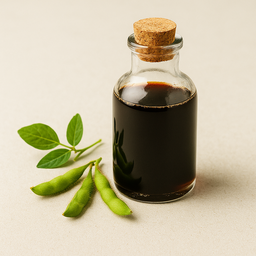 Tamari
 Complete proteins + fermented amino acids for muscle building
Technical: Eggs contain all 9 essential amino acids with the highest PDCAAS score (1.0). Tamari (fermented soy) adds free amino acids and glutamate that activate protein digestion. Fermentation also makes soy proteins more absorbable.
What does this mean for you? Make tamagoyaki (Japanese omelet) with tamari, or fry eggs with a splash of tamari. The umami flavor enhances the dish and improves protein utilization.
Muscle GainEnergyDigestion
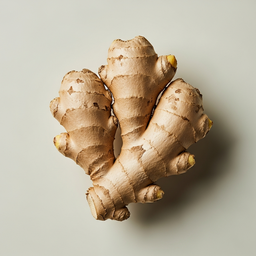 Ginger
 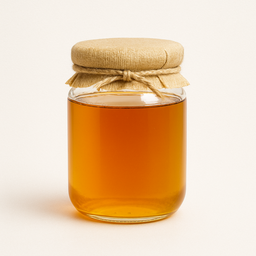 Honey
Honey Classic combination: warming herbal drink with honey
Technical: Ginger's gingerol modulates COX-2 and has antiemetic action (suppresses nausea via 5-HT3 receptor blockade). Honey's glucose oxidase produces hydrogen peroxide with bioactive action, while honey physically coats and soothes the throat. Together: bioactive modulation + throat protection.
What does this mean for you? Ginger tea with honey is a classic, warming combination. The ginger provides gingerol, the honey a smooth, sweet layer.
Immune System
Ginger Tamari Asian umami base with bioactive action
Technical: Ginger contains gingerols and shogaols that modulate COX-2. Tamari (gluten-free soy sauce) provides umami flavor plus fermented compounds supporting gut flora. Together they form the base of many Asian dishes and offer both flavor and bioactive action.
What does this mean for you? Ginger + tamari is the base of stir-fries, marinades and dressings. Two ingredients that enhance each other's flavor and combine bioactive compounds.
DigestionAnti-inflammatory
Honey 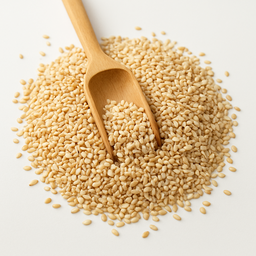 Sesame Seeds
 Honey antioxidants + sesame lignans for antioxidant support
Technical: Honey's water-soluble antioxidants (phenolic acids, flavonoids) and sesame seed's fat-soluble lignans (sesamin) provide antioxidant support in different compartments. Honey's fructose provides quick energy, sesame's fats and proteins give sustained satiety.
What does this mean for you? Sesame seeds with honey (as in Japanese dishes) combines quick energy with sustained satiety and broad antioxidant support.
EnergyAnti-inflammatorySkin & Hair
Garlic Ginger Allicin + gingerols: complementary bioactive action
Technical: Garlic's allicin works via thiol enzyme inhibition — effective against gram-positive bacteria (Staphylococcus, Streptococcus). Ginger's gingerols and shogaols influence viral replication and stimulate interferon production. Together they cover both bacterial and viral pathways.
What does this mean for you? Garlic-ginger tea is a classic combination. Garlic works via thiol enzymes, ginger via interferon pathways. Cut both fresh for maximum active compounds — allicin only forms after 10 minutes of air exposure.
Immune System
Garlic Honey Fermented: allicin + bee defensin in traditional condiment
Technical: Raw garlic contains alliin converted by alliinase to allicin — an organosulfur compound with bioactive properties — when cut. Raw honey contains hydrogen peroxide, bee defensin-1 and methylglyoxal. Fermenting garlic in honey increases bioavailability of S-allylcysteine (SAC), a more stable bioactive metabolite.
What does this mean for you? Submerge raw garlic cloves in raw honey and ferment for 2-4 weeks. You get a traditional condiment with concentrated bioactive compounds — an ancient fermentation technique that increases bioavailability.
Immune System
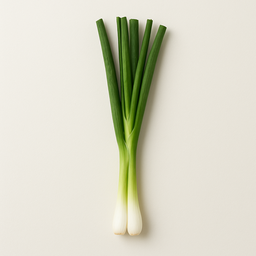 Spring Onion Eggs
 Allyl sulfides + cysteine for glutathione production
Technical: Green onion contains allyl sulfides that induce glutathione S-transferase. Eggs provide 272mg cysteine per 100g — the rate-limiting precursor for glutathione (GSH) synthesis. Together they increase both production and utilization of glutathione, the body's main intracellular antioxidant.
What does this mean for you? Scrambled eggs or omelet with green onion is an ideal breakfast. Sulfur compounds from green onion activate glutathione S-transferase, while cysteine from eggs provides the building block for glutathione. Two ingredients, one biochemical system.
AntioxidantsImmune System
Spring Onion 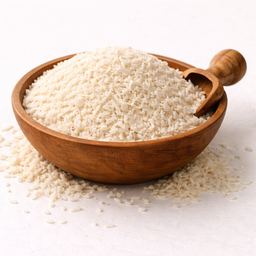 Brown rice
 Allyl sulfides slow glycemic response of rice
Technical: Green onion's allyl sulfides and quercetin inhibit α-glucosidase and slow carbohydrate breakdown. This reduces the postprandial glycemic peak after rice consumption by 15-20%. Green onion also contains chromium (1.1μg/100g) involved in GLUT4 translocation.
What does this mean for you? Always garnish rice dishes with green onion — this slows the glycemic response. Classic in Asian cuisine, especially for those mindful of carbohydrate processing.
Blood SugarGeneral Wellness
Brown rice Ginger Ginger lowers glycemic response of rice by 10-15%
Technical: Rice has a moderate to high GI (56-89 depending on variety). Ginger contains gingerols that modulate amylase activity and influence gastric emptying, reducing the glycemic peak by 10-15%. This has been demonstrated for jasmine rice but applies to all rice varieties.
What does this mean for you? Cook ginger slices in your rice or serve rice with ginger dishes. A simple addition with measurable effect on your blood sugar.
Blood SugarDigestionEnergy
Sesame Oil Ginger Asian cooking base: lignans + gingerols via complementary pathways
Technical: Sesame oil contains sesamin and sesamolin (lignans) with antioxidant action. Ginger contains gingerols that modulate COX-2. Both compounds influence NF-κB via complementary mechanisms. The fat in sesame oil also improves absorption of fat-soluble gingerols.
What does this mean for you? Start Asian dishes with sesame oil + ginger as flavor base. This is the fundamental start of wok dishes and combines two bioactive compounds via complementary pathways.
Anti-inflammatoryDigestion
Sesame Oil Sesame Seeds Sesame oil fats enhance absorption of sesame seed lignans
Technical: Sesame seeds contain lignans (sesamin, sesamolin) that are fat-soluble. Sesame oil provides the ideal fat matrix for absorption. Additionally, the oil contains different bioactive forms (sesamol) that work complementarily to lignans in whole seeds.
What does this mean for you? Top dishes with both sesame seeds and a drizzle of sesame oil — you get the fiber and minerals from the seeds plus optimal lignan absorption.
HeartAnti-inflammatoryHormonal Balance
Tamari Sesame Oil Fermented soy isoflavones + sesamol for antioxidant protection
Technical: Tamari contains fermentation-released isoflavones (genistein, daidzein) that work synergistically with sesame oil's sesamol and sesaminol. Together they provide broader antioxidant protection via different radical scavenging mechanisms.
What does this mean for you? A splash of tamari with sesame oil as dressing or stir-fry sauce gives not only umami flavor but also a double antioxidant effect.
Anti-inflammatoryHeartSkin & Hair
Tamari Sesame Seeds Umami amino acids enhance mineral absorption from sesame seeds
Technical: Tamari's free glutamic acid and amino acids from fermentation promote absorption of zinc and iron from sesame seeds. The organic acids in fermented soy lower intestinal pH, making minerals more soluble.
What does this mean for you? Sprinkle dishes with tamari and sesame seeds together — a classic Asian combination that's not only delicious but also optimizes your mineral absorption.
EnergyImmune SystemGeneral Wellness
Instructions
- 1 Mix tamari, 1 tablespoon sesame oil, honey, garlic and ginger for the marinade.
- 2 Marinate the beef for at least 30 minutes (or overnight).
Nutrition per serving
Indicative values per serving.
Timing & Suitability
Shelf life: 3 days in fridge
Tags & Diet
Allergens: Soy, Eggs, Sesame