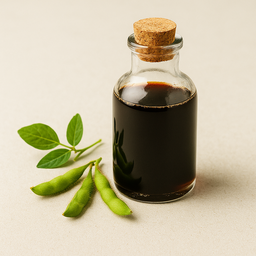
Tamari
Gluten-Free Umami
What is this ingredient?
Tamari is the original Japanese soy sauce, made from almost 100% soybeans (regular soy sauce contains wheat). The fermentation process takes 6-12 months, making the flavor deeper and more complex. Real tamari is naturally fermented and contains probiotics. Note: not all tamari is gluten-free, check the label.
How does it taste?
Deep umami and salty with a richer, less sharp flavor than soy sauce.
Pairs well with:
Pairs well with sushigingersesame oilrice and tofu.
Did you know...?
- Tamari is the byproduct that forms during the production of miso.
- Unlike regular soy sauce, tamari contains little to no wheat.
Nutritional Value & Energy
Per 100ml
Tamari provides energy thanks to natural nutrients .
Per 100g
Minerals
Vitamins
Omega-3 fatty acids
More nutrients
B-Vitamins
Trace Minerals
What's in a serving?
1 serving
Tamari naturally contains iron (2.38 mg per 100 g).
% of daily reference intake (DRI)
EU-approved nutrition claims
This ingredient contains nutrients for which EFSA-authorized health claims exist (at nutrient level, not ingredient-specific).
Approved health claims (EU)
Iron EU 432/2012
Iron contributes to normal energy-yielding metabolism
Contains 2.38mg/100g (threshold: ≥2.1mg/100g)
Iron EU 432/2012
Iron contributes to the reduction of tiredness and fatigue
Contains 2.38mg/100g (threshold: ≥2.1mg/100g)
Iron EU 432/2012
Iron contributes to normal cognitive function
Contains 2.38mg/100g (threshold: ≥2.1mg/100g)
Iron EU 432/2012
Iron contributes to normal formation of red blood cells and haemoglobin
Contains 2.38mg/100g (threshold: ≥2.1mg/100g)
Iron EU 432/2012
Iron contributes to normal oxygen transport in the body
Contains 2.38mg/100g (threshold: ≥2.1mg/100g)
Iron EU 432/2012
Iron contributes to the normal function of the immune system
Contains 2.38mg/100g (threshold: ≥2.1mg/100g)
Iron EU 432/2012
Iron has a role in the process of cell division
Contains 2.38mg/100g (threshold: ≥2.1mg/100g)
What's being researched?
Melanoidins in tamari
Melanoidins formed during tamari fermentation are studied for antioxidant properties. Research is mainly in-vitro.
Supported by: [1] Qiao Y (2022)
Good Combinations (Synergy)
Combine tamari smartly to enhance the effect:
Tamari  Eggs
Eggs Complete proteins + fermented amino acids for muscle building
Technical: Eggs contain all 9 essential amino acids with the highest PDCAAS score (1.0). Tamari (fermented soy) adds free amino acids and glutamate that activate protein digestion. Fermentation also makes soy proteins more absorbable.
What does this mean for you? Make tamagoyaki (Japanese omelet) with tamari, or fry eggs with a splash of tamari. The umami flavor enhances the dish and improves protein utilization.
Tamari 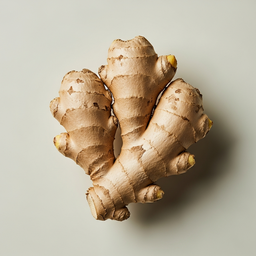 Ginger
 Asian umami base with bioactive action
Technical: Ginger contains gingerols and shogaols that modulate COX-2. Tamari (gluten-free soy sauce) provides umami flavor plus fermented compounds supporting gut flora. Together they form the base of many Asian dishes and offer both flavor and bioactive action.
What does this mean for you? Ginger + tamari is the base of stir-fries, marinades and dressings. Two ingredients that enhance each other's flavor and combine bioactive compounds.
Tamari 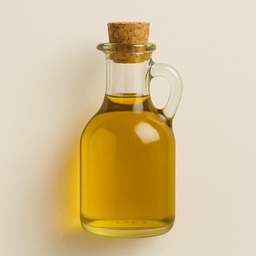 Sesame Oil
 Fermented soy isoflavones + sesamol for antioxidant protection
Technical: Tamari contains fermentation-released isoflavones (genistein, daidzein) that work synergistically with sesame oil's sesamol and sesaminol. Together they provide broader antioxidant protection via different radical scavenging mechanisms.
What does this mean for you? A splash of tamari with sesame oil as dressing or stir-fry sauce gives not only umami flavor but also a double antioxidant effect.
Tamari 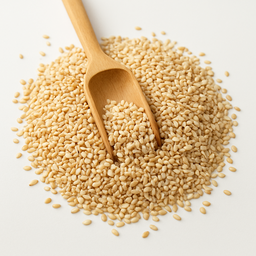 Sesame Seeds
 Umami amino acids enhance mineral absorption from sesame seeds
Technical: Tamari's free glutamic acid and amino acids from fermentation promote absorption of zinc and iron from sesame seeds. The organic acids in fermented soy lower intestinal pH, making minerals more soluble.
What does this mean for you? Sprinkle dishes with tamari and sesame seeds together — a classic Asian combination that's not only delicious but also optimizes your mineral absorption.
Tamari 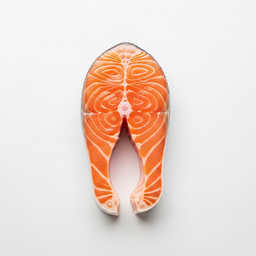 Salmon
 Japanese teriyaki: umami + omega-3 protection
Technical: Tamari (gluten-free soy sauce) contains amino acids from fermentation that promote the Maillard reaction, giving flavor and color to salmon. The antioxidants in tamari (isoflavones, melanoidins) protect the vulnerable omega-3 fatty acids in salmon from oxidation during cooking.
What does this mean for you? Briefly marinate salmon in tamari with ginger and garlic, then pan-fry or grill. This is the basis of teriyaki salmon — delicious AND protective for omega-3.
Recipes with Tamari
Discover delicious recipes featuring tamari:
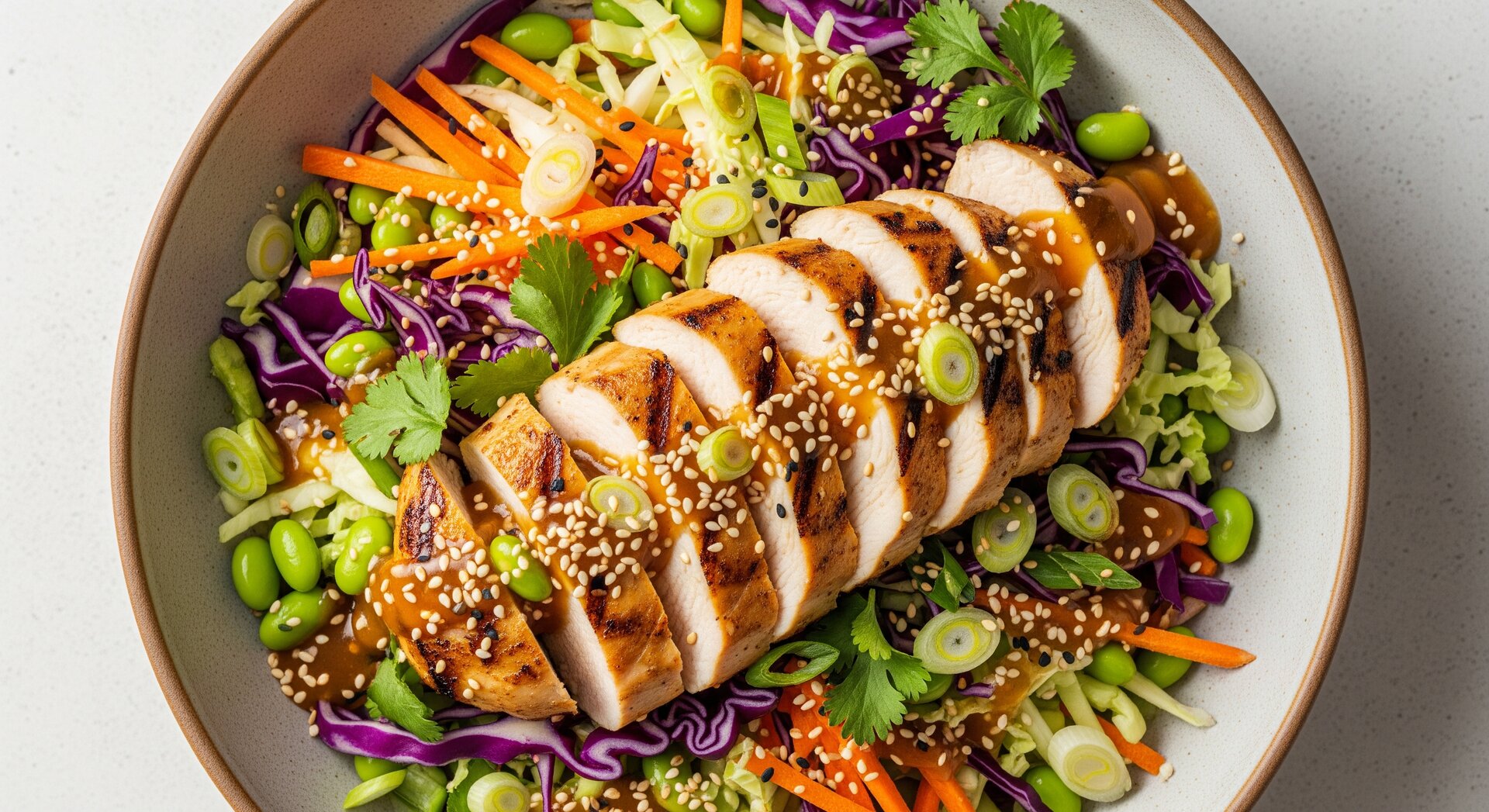 Asian Sesame Chicken Salad 25 min Crispy salad with grilled chicken and ginger-sesame dressing
  320 kcal
  28g protein 1 synergies
 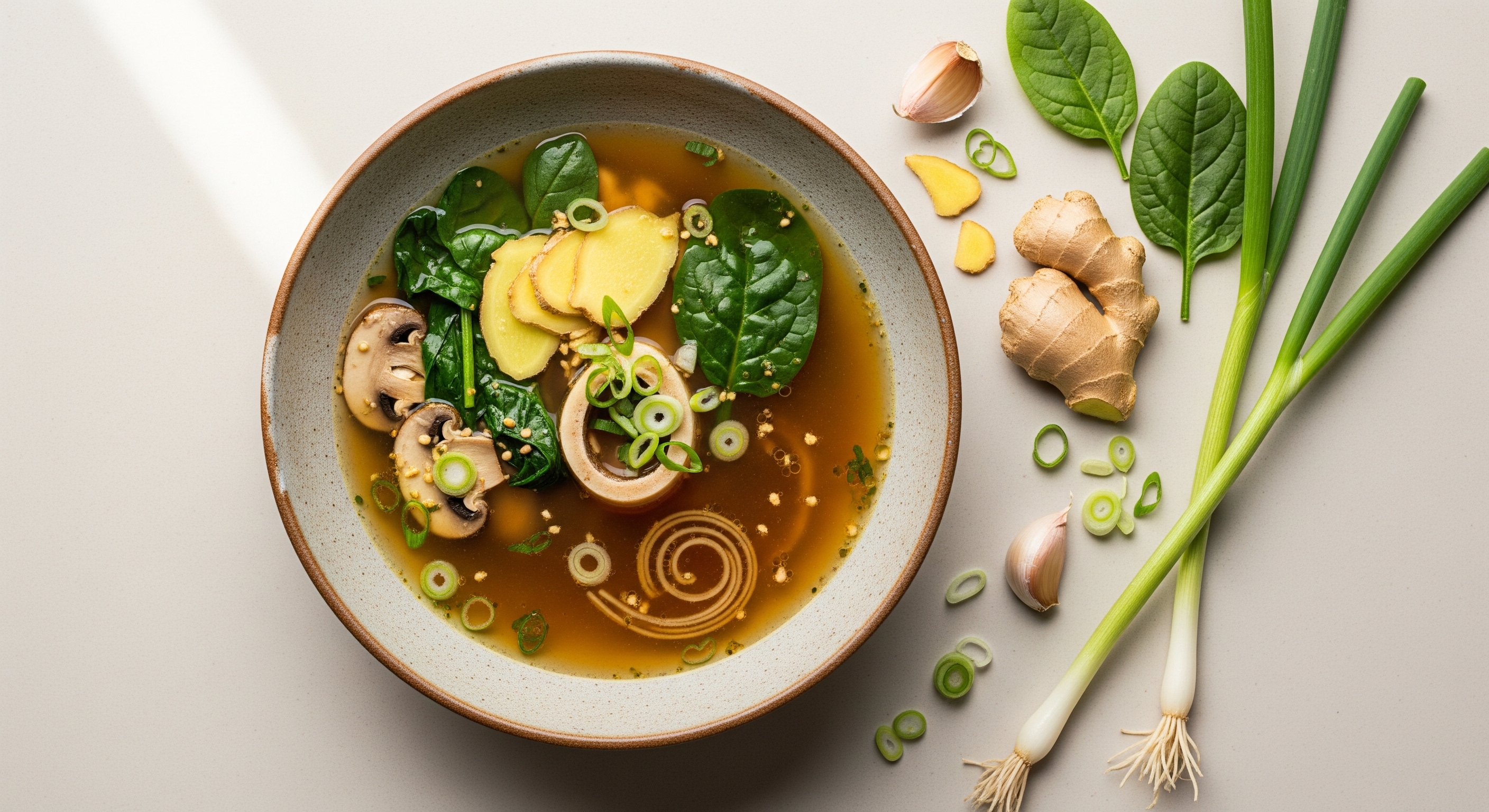 Bone Broth Soup with Ginger, Mushrooms and Spinach 22 min Light, savoury and gently warming 108 kcal 9g protein 2 synergies
 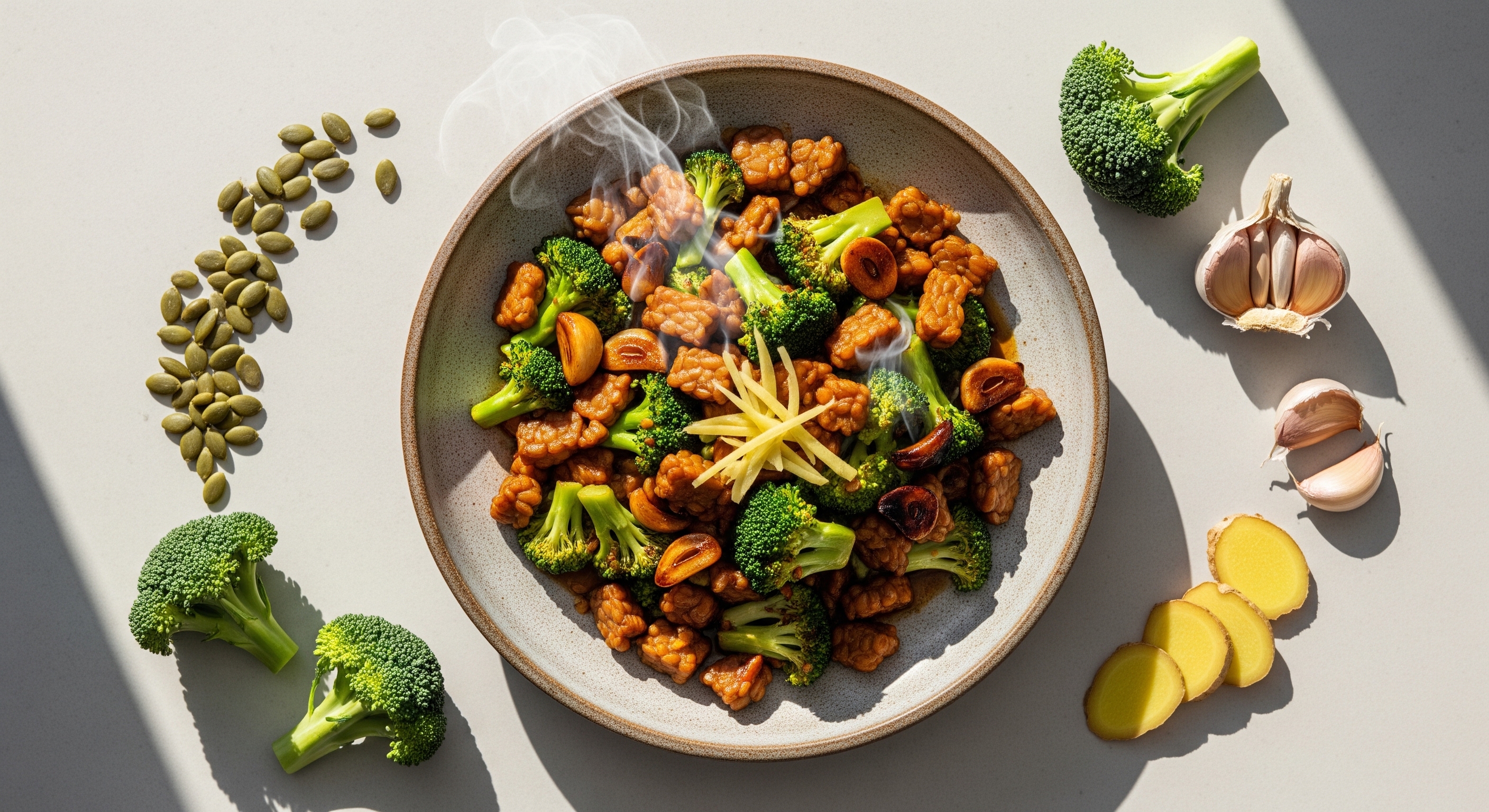 Broccoli Tempeh Stir-Fry with Sesame 30 min Savory, nutty and crisp from the wok 365 kcal 26g protein 2 synergies
 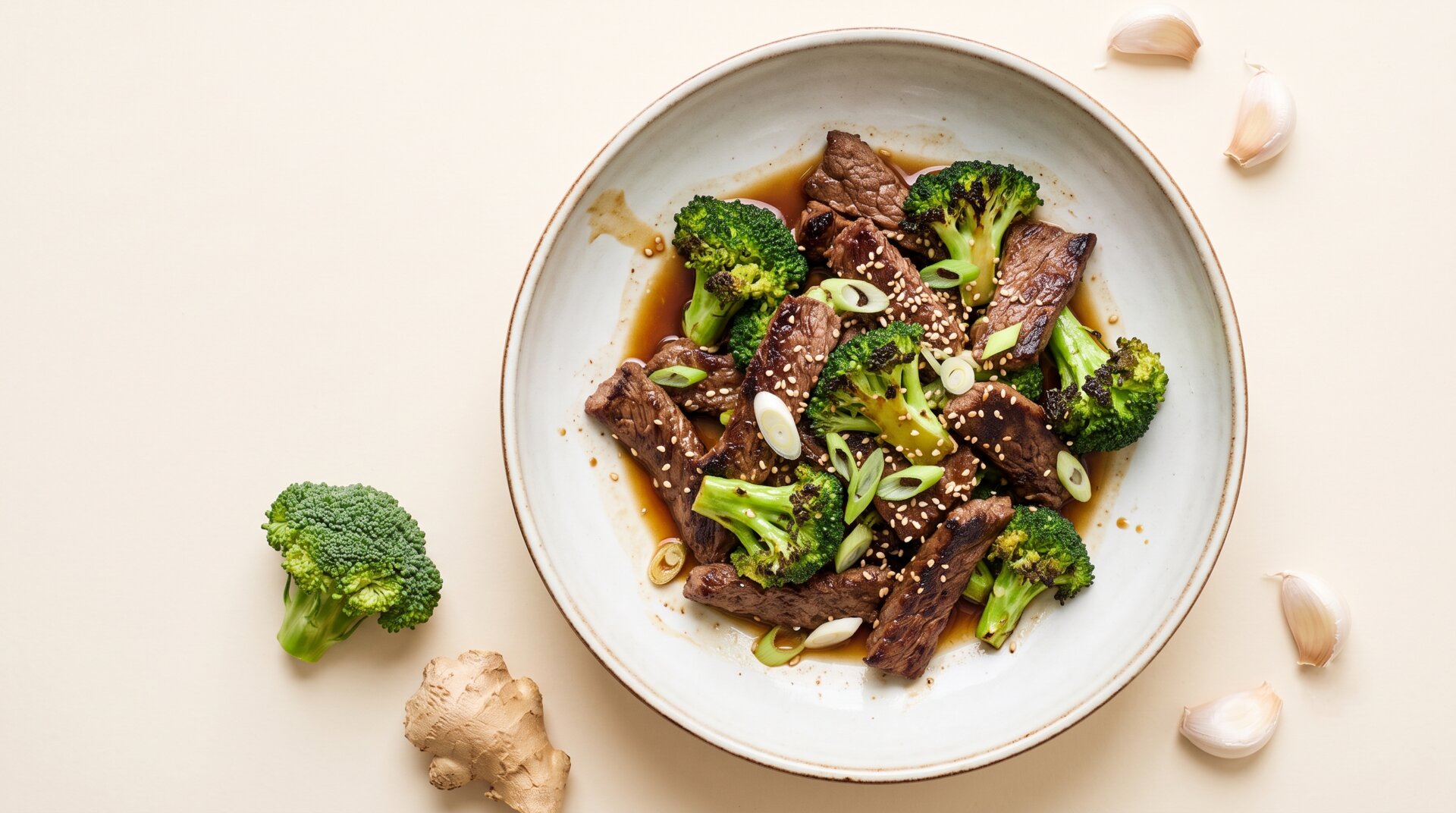 Chinese Beef & Broccoli 30 min Tender beef strips with crispy broccoli in oyster sauce 380 kcal 36g protein 1 synergies
 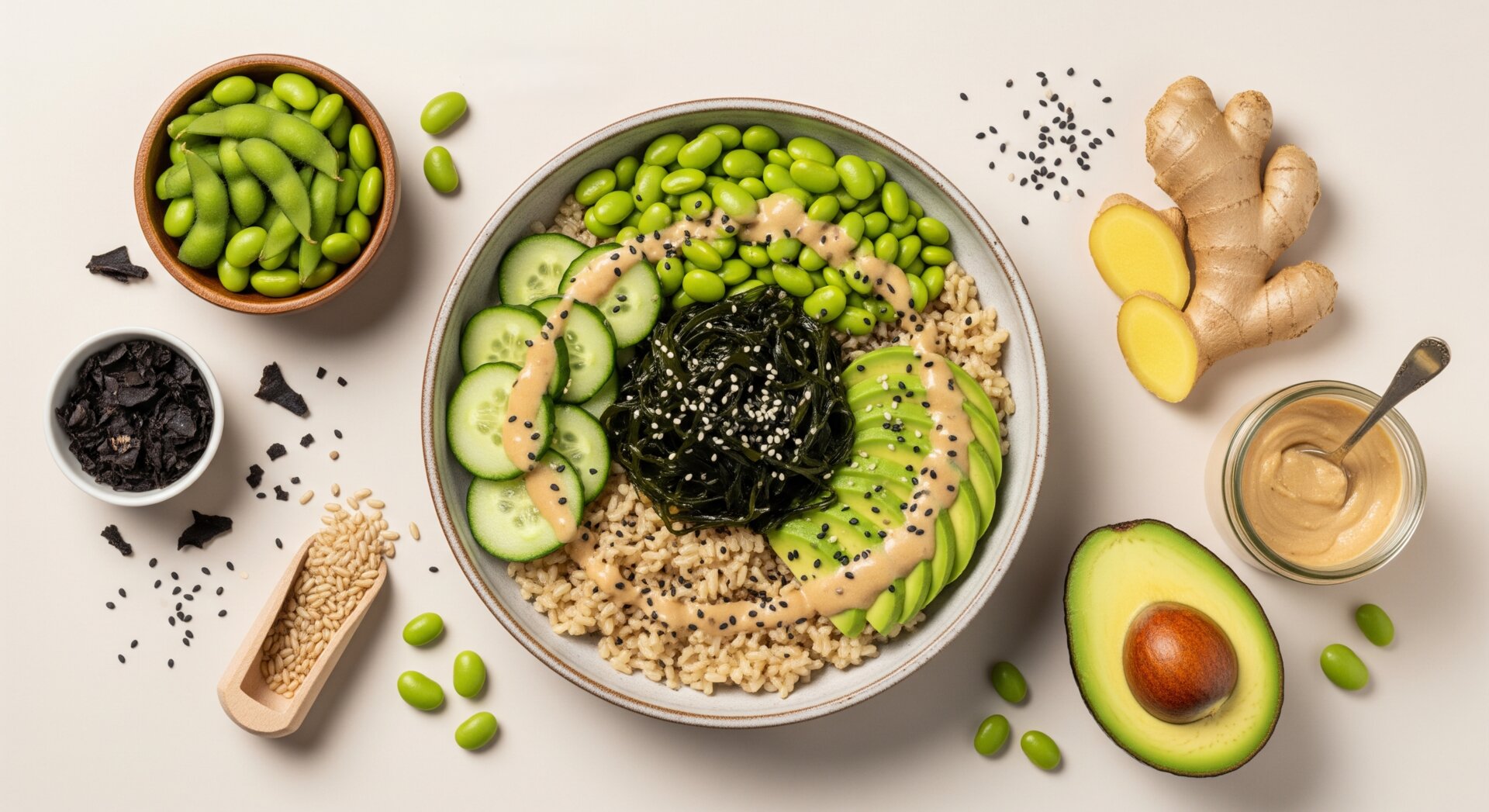 Edamame Seaweed Bowl with Ginger Tahini 15 min Fresh Japanese-style bowl with creamy dressing 445 kcal 16g protein 2 synergies
 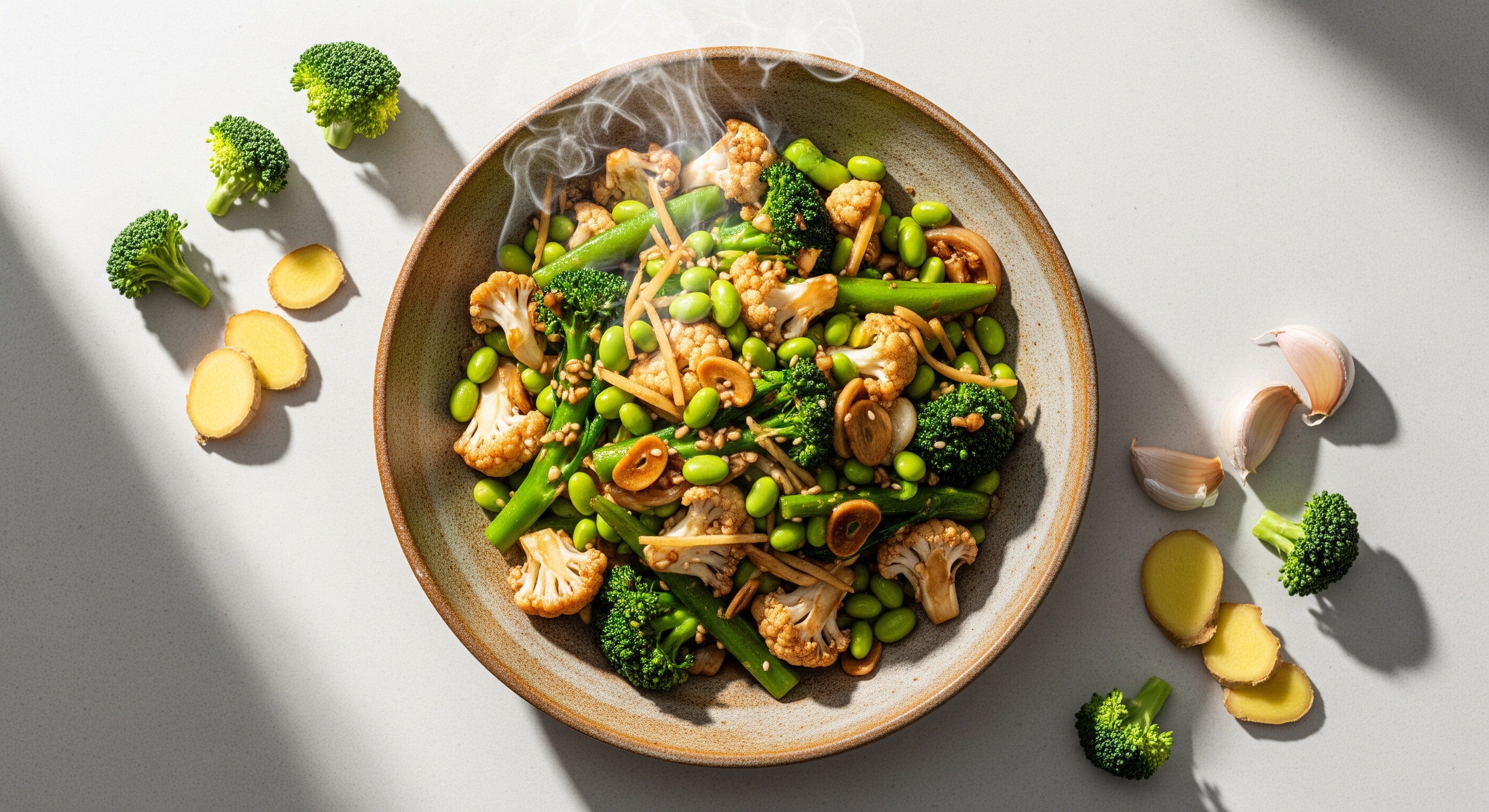 Edamame Cauliflower Stir-Fry with Sesame 25 min Quick, green and savoury with a sesame note 250 kcal 18g protein 2 synergies
  In the Kitchen
Storage
Location:Refrigerator
Shelf life:2-3 jaar ongeopend, 6 maanden geopend (koelkast)
Store in fridge after opening for best quality. Unpasteurized tamari must be kept refrigerated.
Preparation
Perfect as finishing sauce, in marinades, dressings and stir-fries. Don't heat long - this destroys probiotics in unpasteurized variety. Use less than regular soy sauce due to more intense flavor.
Substitutes
Smart preparation
1Use tamari as a gluten-free alternative to regular soy sauce.
2Add tamari at the end of cooking for the fullest flavor.
Why?
The complex umami flavors become less intense with prolonged cooking.
3Tamari is saltier than soy sauce; adjust the amount accordingly.
Caution / Warnings
Tamari is very safe, but there are scientific considerations:
High blood pressure Severe
Extremely high sodium content (5586mg per 100g = 232% RDI). One tablespoon (15ml) already contains 879mg sodium.
Advice:
With high blood pressure: use very sparingly (max 1 teaspoon per day) or choose low-sodium variant.
Soy allergy Severe
Made from soybeans - can cause severe allergic reactions.
Advice:
Completely avoid with soy allergy. Coconut aminos is an alternative.
Celiac disease (non-certified tamari) Moderate
Not all tamari is gluten-free - some contain small amounts of wheat.
Advice:
With celiac disease: only choose certified gluten-free tamari (check label).
Traditional use
Other
Tamari in Japanese Tradition
Tamari is the original Japanese soy sauce, a byproduct of miso production, and the oldest form of soy sauce in Japan.
Summary
Tamari is the gluten-free, richer version of soy sauce - perfect for people with gluten intolerance. The long fermentation process (6-12 months) creates deep umami flavor and antioxidants. Choose unpasteurized tamari for probiotics. Note: sodium content is enormous - use sparingly!