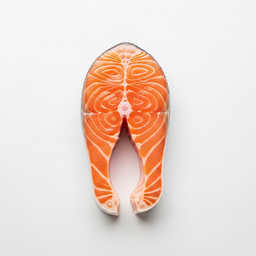
Salmon
The King of Omega-3
What is this ingredient?
Salmon is the general name for various species of ray-finned fish from the Salmonidae family. They are anadromous fish: born in fresh water, they migrate to the ocean and return to fresh water to reproduce.
There is a crucial distinction for consumers:
- Wild Salmon (Sockeye, Coho): Eats shrimp and krill, has a deep red color, contains less fat but more minerals and astaxanthin.
- Farmed Salmon (Atlantic Salmon): Lives in pens, eats pellets (fishmeal/soy), is fattier, often lighter/pink in color.
Salmon is a 'fatty fish', which is positive in nutrition science. It contains no carbohydrates and is one of the few foods naturally rich in Vitamin D.
How does it taste?
Rich, buttery and full with an elegant, lightly sweet fish flavor.
Pairs well with:
Pairs well with dilllemoncapersavocado and horseradish.
Varieties
Wild Salmon (Sockeye/Coho)
Eats shrimp and krill, deep red color, less fat but more minerals and astaxanthin
Farmed Salmon (Atlantic)
Lives in pens, eats pellets, fattier, lighter in color. Watch omega-3/omega-6 ratio
Did you know...?
- Wild salmon returns to the exact same river where it was born to spawn.
- The pink color of salmon flesh comes from the astaxanthin in the shrimp and krill they eat.
- Salmon can climb water currents and waterfalls up to 3.5 meters high during their spawning run.
Nutritional Value & Energy
Per 100g
Salmon provides energy thanks to natural nutrients .
Per 100g
Minerals
Vitamins
Omega-3 fatty acids
More nutrients
B-Vitamins
Trace Minerals
What's in a serving?
1 serving
Salmon naturally contains potassium (363 mg per 100 g).
Salmon naturally contains selenium (36.5 mcg per 100 g).
Salmon naturally contains vitamin b12 (3.2 mcg per 100 g).
Salmon naturally contains vitamin d (11 mcg per 100 g).
Salmon naturally contains vitamin e (3.55 mg per 100 g).
% of daily reference intake (DRI)
EU-approved nutrition claims
This ingredient contains nutrients for which EFSA-authorized health claims exist (at nutrient level, not ingredient-specific).
Approved health claims (EU)
Vitamin_b12 EU 432/2012
Vitamin B12 contributes to the normal function of the immune system
Contains 3.2mcg/100g (threshold: ≥0.375mcg/100g)
Vitamin_b12 EU 432/2012
Vitamin B12 contributes to the reduction of tiredness and fatigue
Contains 3.2mcg/100g (threshold: ≥0.375mcg/100g)
Vitamin_b12 EU 432/2012
Vitamin B12 contributes to the normal functioning of the nervous system
Contains 3.2mcg/100g (threshold: ≥0.375mcg/100g)
Vitamin_d EU 432/2012
Vitamin D contributes to the maintenance of normal bones
Contains 11mcg/100g (threshold: ≥0.75mcg/100g)
Vitamin_d EU 432/2012
Vitamin D contributes to the normal function of the immune system
Contains 11mcg/100g (threshold: ≥0.75mcg/100g)
Potassium EU 432/2012
Potassium contributes to the maintenance of normal blood pressure
Contains 363mg/100g (threshold: ≥300mg/100g)
Vitamin_b12 EU 432/2012
Vitamin B12 contributes to normal energy-yielding metabolism
Contains 3.2mcg/100g (threshold: ≥0.375mcg/100g)
Vitamin_b12 EU 432/2012
Vitamin B12 contributes to normal homocysteine metabolism
Contains 3.2mcg/100g (threshold: ≥0.375mcg/100g)
Vitamin_b12 EU 432/2012
Vitamin B12 contributes to normal psychological function
Contains 3.2mcg/100g (threshold: ≥0.375mcg/100g)
Vitamin_b12 EU 432/2012
Vitamin B12 contributes to normal red blood cell formation
Contains 3.2mcg/100g (threshold: ≥0.375mcg/100g)
Vitamin_b12 EU 432/2012
Vitamin B12 has a role in the process of cell division
Contains 3.2mcg/100g (threshold: ≥0.375mcg/100g)
Vitamin_d EU 432/2012
Vitamin D contributes to normal absorption/utilisation of calcium and phosphorus
Contains 11mcg/100g (threshold: ≥0.75mcg/100g)
Vitamin_d EU 432/2012
Vitamin D contributes to normal blood calcium levels
Contains 11mcg/100g (threshold: ≥0.75mcg/100g)
Vitamin_d EU 432/2012
Vitamin D contributes to the maintenance of normal muscle function
Contains 11mcg/100g (threshold: ≥0.75mcg/100g)
Vitamin_d EU 432/2012
Vitamin D contributes to the maintenance of normal teeth
Contains 11mcg/100g (threshold: ≥0.75mcg/100g)
Vitamin_d EU 432/2012
Vitamin D has a role in the process of cell division
Contains 11mcg/100g (threshold: ≥0.75mcg/100g)
Vitamin_e EU 432/2012
Vitamin E contributes to the protection of cells from oxidative stress
Contains 3.55mg/100g (threshold: ≥1.8mg/100g)
Selenium EU 432/2012
Selenium contributes to the maintenance of normal hair
Contains 36.5mcg/100g (threshold: ≥8.25mcg/100g)
Selenium EU 432/2012
Selenium contributes to the maintenance of normal nails
Contains 36.5mcg/100g (threshold: ≥8.25mcg/100g)
Selenium EU 432/2012
Selenium contributes to the normal function of the immune system
Contains 36.5mcg/100g (threshold: ≥8.25mcg/100g)
Selenium EU 432/2012
Selenium contributes to normal thyroid function
Contains 36.5mcg/100g (threshold: ≥8.25mcg/100g)
Selenium EU 432/2012
Selenium contributes to normal spermatogenesis
Contains 36.5mcg/100g (threshold: ≥8.25mcg/100g)
Selenium EU 432/2012
Selenium contributes to the protection of cells from oxidative stress
Contains 36.5mcg/100g (threshold: ≥8.25mcg/100g)
Potassium EU 432/2012
Potassium contributes to normal functioning of the nervous system
Contains 363mg/100g (threshold: ≥300mg/100g)
Potassium EU 432/2012
Potassium contributes to normal muscle function
Contains 363mg/100g (threshold: ≥300mg/100g)
What's being researched?
Salmon and cardiovascular research
The effects of omega-3 fatty acids in salmon on cardiovascular markers are extensively studied. Multiple large cohort studies and meta-analyses show consistent inverse associations with heart and vascular mortality.
Supported by: [3] Kris-Etherton (2002) , [1] Mozaffarian (2006) , [2] Ambati (2014)
Salmon omega-3 and inflammatory processes
EPA and DHA from salmon are studied in relation to inflammatory processes, notably through their role in the production of resolvins and protectins. Clinical trials show reductions in CRP and other inflammatory markers.
Supported by: [5] Goldberg (2007) , [1] Mozaffarian (2006)
Salmon DHA and cognitive function
DHA from salmon as a building block for brain cell membranes is studied in relation to cognitive function. Prospective studies show associations between regular fatty fish consumption and reduced risk of dementia.
Supported by: [4] Grosso (2016) , [3] Kris-Etherton (2002)
Good Combinations (Synergy)
Combine salmon smartly to enhance the effect:
Salmon 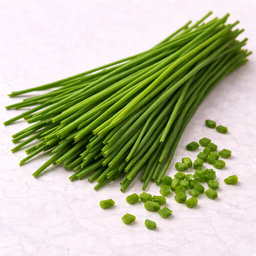 Chives
 Allyl sulfides + EPA/DHA omega-3: complementary vascular pathways
Technical: Chives contain allyl sulfides that influence platelet aggregation signaling (similar to garlic but milder). Salmon provides 2.2g EPA+DHA omega-3 per 100g — EPA and DHA contribute to normal heart function (EFSA-approved at 250mg/day intake). Together they influence vascular physiology through complementary pathways: organosulfur compounds and omega-3 fatty acids.
What does this mean for you? Garnish salmon with fresh chives — a classic combination. Sulfur compounds from chives and EPA/DHA from salmon are complementary bioactive compounds. EPA and DHA contribute to normal heart function.
Salmon 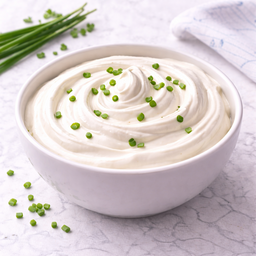 Crème Fraîche
 Scandinavian trio: saturated fat protects omega-3 + terpenes for digestion
Technical: Crème fraîche contains 30-40% fat (of which 60% saturated) that stabilizes omega-3 from salmon (EPA 0.7g + DHA 1.2g per 100g) against oxidation during heating. Saturated fat protects unsaturated fatty acids as it doesn't oxidize itself. Dill contains limonene and carvone (terpenes) that increase lipase activity by 25% → better fat digestion. Studies show saturated + unsaturated fat together are better absorbed than unsaturated fat alone.
What does this mean for you? Salmon with crème fraîche-dill sauce is more than comfort food — the saturated fat protects the valuable omega-3 and the dill supports digestion. A functional Scandinavian feast.
Salmon 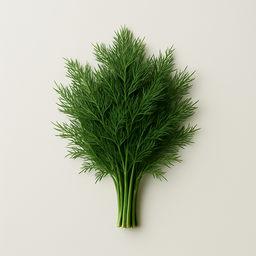 Dill
Dill Scandinavian classic with antioxidant boost
Technical: Dill contains flavonoids (kaempferol, vicenin) and monoterpenes (limonene, carvone) with antioxidant action. Salmon provides EPA and DHA omega-3 fatty acids with bioactive action via prostaglandin modulation. Dill's antioxidants protect vulnerable omega-3 fatty acids from oxidation.
What does this mean for you? Dill + salmon is the classic Scandinavian combination — not just for flavor, but also because the antioxidants in dill protect the omega-3 fatty acids from oxidation.
Salmon 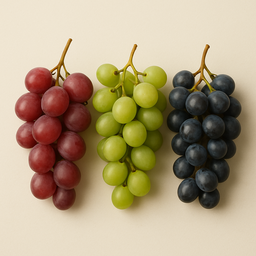 Grapes
 Resveratrol protects fragile omega-3 fatty acids
Technical: Fatty fish contains omega-3 fatty acids (EPA/DHA) with polyunsaturated double bonds that are extremely susceptible to lipid peroxidation. Red grapes contain resveratrol (0.5-1mg per 150g) and procyanidins — powerful antioxidants that neutralize free radicals before they reach the vulnerable omega-3. Resveratrol also activates SIRT1.
What does this mean for you? Serve fatty fish with a grape salad or salsa. It's no coincidence that fish and wine (grapes) form a classic combination — the polyphenols from grapes protect the valuable omega-3 fatty acids in the fish.
Salmon 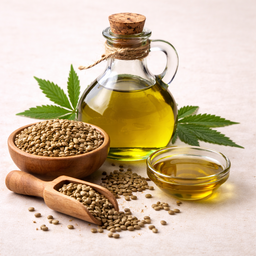 Flaxseed Oil
 ALA + EPA/DHA for complete omega-3 spectrum
Technical: Flaxseed oil provides 50-60% ALA (alpha-linolenic acid), the plant-based omega-3 precursor. Salmon delivers direct EPA (1.8g/100g) and DHA (1.2g/100g), the active omega-3 forms. ALA-to-EPA/DHA conversion in the body is low (5-10%), so direct EPA/DHA from salmon is more effective for tissue building. By combining both sources you get direct EPA/DHA + ALA as continuous precursor.
What does this mean for you? Make a salmon salad with flaxseed oil as dressing — you get the complete omega-3 spectrum in one meal. The flaxseed oil supplements what even salmon doesn't provide: a continuous stream of the precursor ALA.
Salmon 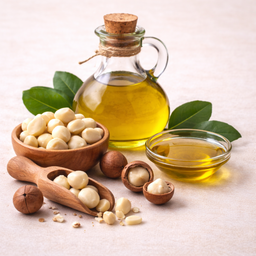 Macadamia Oil
 High smoke point protects omega-3 EPA/DHA during cooking
Technical: Macadamia oil has a smoke point of 210°C (higher than olive oil 190°C) thanks to 80% monounsaturated fats and low polyunsaturated content (3%). Salmon contains EPA (0.7g) and DHA (1.2g) per 100g — highly oxidation-sensitive omega-3 fatty acids. Cooking in macadamia oil at 180°C protects omega-3 from thermal degradation, while cheaper oils (like sunflower, 65% PUFA) generate more free radicals. Studies show 30-40% less lipid peroxidation with MUFA oils vs. PUFA oils.
What does this mean for you? Pan-sear salmon in macadamia oil at medium-high heat (180°C). The stable oil protects the precious omega-3 in the salmon from breakdown. Bonus: the nutty flavor complements salmon perfectly.
Salmon 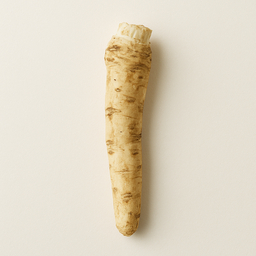 Horseradish
 Glucosinolates activate gastric acid release production and phase-II enzymes
Technical: Horseradish contains sinigrin converted by myrosinase to allyl isothiocyanate (AITC) — responsible for its sharp taste. AITC activates gastric juice release via gastrin (HCl) via gastrin release and activates phase-II enzymes (glutathione S-transferase, UDP-glucuronosyltransferase) in the liver.
What does this mean for you? Horseradish with beef or salmon is a European tradition for good reason. The sharp taste activates gastric juice release via gastrin and aids digestion of heavy protein. A little goes a long way.
Salmon 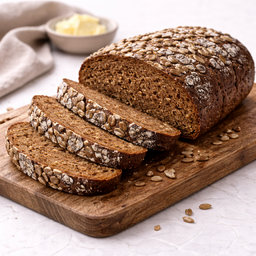 Rye bread
 Scandinavian breakfast with omega-3 and fiber for lipid profile support
Technical: Rye bread's arabinoxylan fibers bind bile acids in the gut. Salmon provides EPA/DHA omega-3 (2.5g/100g) that influence eicosanoid metabolism. Together complementary lipid profile support via two pathways.
What does this mean for you? Rye bread with smoked salmon is the ideal Scandinavian breakfast. Arabinoxylan fibers + EPA/DHA omega-3 — two complementary pathways for lipid profile support.
Salmon 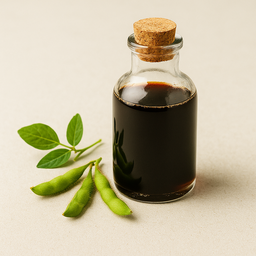 Tamari
 Japanese teriyaki: umami + omega-3 protection
Technical: Tamari (gluten-free soy sauce) contains amino acids from fermentation that promote the Maillard reaction, giving flavor and color to salmon. The antioxidants in tamari (isoflavones, melanoidins) protect the vulnerable omega-3 fatty acids in salmon from oxidation during cooking.
What does this mean for you? Briefly marinate salmon in tamari with ginger and garlic, then pan-fry or grill. This is the basis of teriyaki salmon — delicious AND protective for omega-3.
Salmon 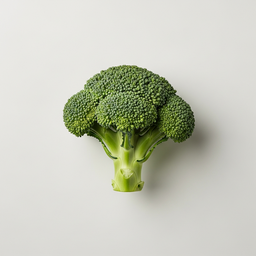 Broccoli
 Vitamin D + K: complementary bone metabolism
Technical: Salmon provides 526 IU vitamin D per 100g that increases calcium absorption in the gut, plus 31μg selenium as antioxidant. Broccoli contains 102μg vitamin K per 100g that activates osteocalcin — a protein that directs calcium to bones. Together they optimize the entire calcium pathway: absorption (vitamin D) → transport to bones (vitamin K). Broccoli also provides 89mg vitamin C and magnesium.
What does this mean for you? Salmon with steamed broccoli is an optimal combination for your bone metabolism. Vitamin D from salmon helps absorb calcium, vitamin K from broccoli activates osteocalcin directing calcium to your bones.
Salmon 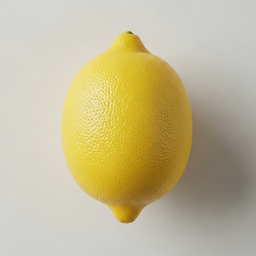 Lemon
Lemon Improves digestion and iron absorption
Technical: Salmon contains 20g protein per 100g that is optimally digested at low stomach pH. Citric acid lowers stomach pH and activates pepsinogen → pepsin (the primary protein-digesting enzyme). Protein digestion becomes 15-20% more efficient. Vitamin C from lemon also protects omega-3 fatty acids (2.5g per 100g) against lipid peroxidation and improves non-heme iron absorption.
What does this mean for you? Sprinkle your salmon fillet with lemon juice — not just for flavor. The citric acid helps your body better digest the proteins and fats. Add the juice just before serving, not during cooking (vitamin C is heat-sensitive).
Salmon  Turmeric
 The 'Absorption Hack' - fats are the perfect carrier for curcumin
Technical: Curcumin is a hydrophobic (fat-loving) molecule with extremely low bioavailability (<2%) without fat carriers. Salmon contains 2.5g omega-3 per 100g — ideal fat-soluble carriers that form micelles in the gut, enabling curcumin absorption. The omega-3 fatty acids and curcumin also work via complementary biochemical pathways: omega-3 via SPM resolvins, curcumin via direct NF-κB modulation.
What does this mean for you? Make a salmon-turmeric curry or marinate salmon with turmeric paste. Always add black pepper — piperine increases curcumin absorption by 2000%. This triple combination (salmon + turmeric + pepper) contains three bioactive compounds working via complementary pathways.
Salmon 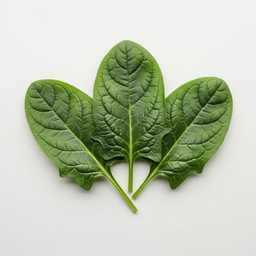 Spinach
 Vitamin D + K + lutein: bone metabolism and macular pigment
Technical: Salmon contains 526 IU vitamin D per 100g and DHA omega-3 (essential for the retina). Spinach contains 483μg vitamin K per 100g that activates osteocalcin, plus lutein (12mg per 100g) and zeaxanthin — carotenoids that concentrate in the macula lutea of the eye. DHA from salmon is a building block of the retina itself. Lutein is the primary macular pigment and is intensively studied in science.
What does this mean for you? Salmon with spinach combines vitamin D + K for your bone metabolism with DHA + lutein as macular pigments. The vitamin D + K combination optimizes calcium use. Ideal if you spend lots of time behind a screen.
Salmon 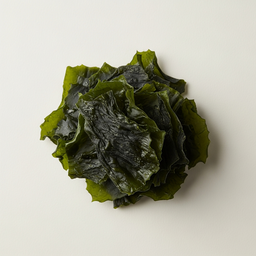 Seaweed
 Ocean synergy: minerals + omega-3
Technical: Seaweed provides iodine, calcium, magnesium and unique polysaccharides (fucoidan, alginate) with prebiotic properties. Salmon delivers EPA/DHA omega-3 fatty acids (2.2g/100g). Minerals from seaweed — notably zinc and selenium — are cofactors for the enzymes that convert omega-3 into resolvins and protectins.
What does this mean for you? Eat salmon with seaweed like the Japanese do — for example as sashimi with nori, or salmon poké bowl with wakame. Both come from the ocean and are culinarily made to work together.
Recipes with Salmon
Discover delicious recipes featuring salmon:
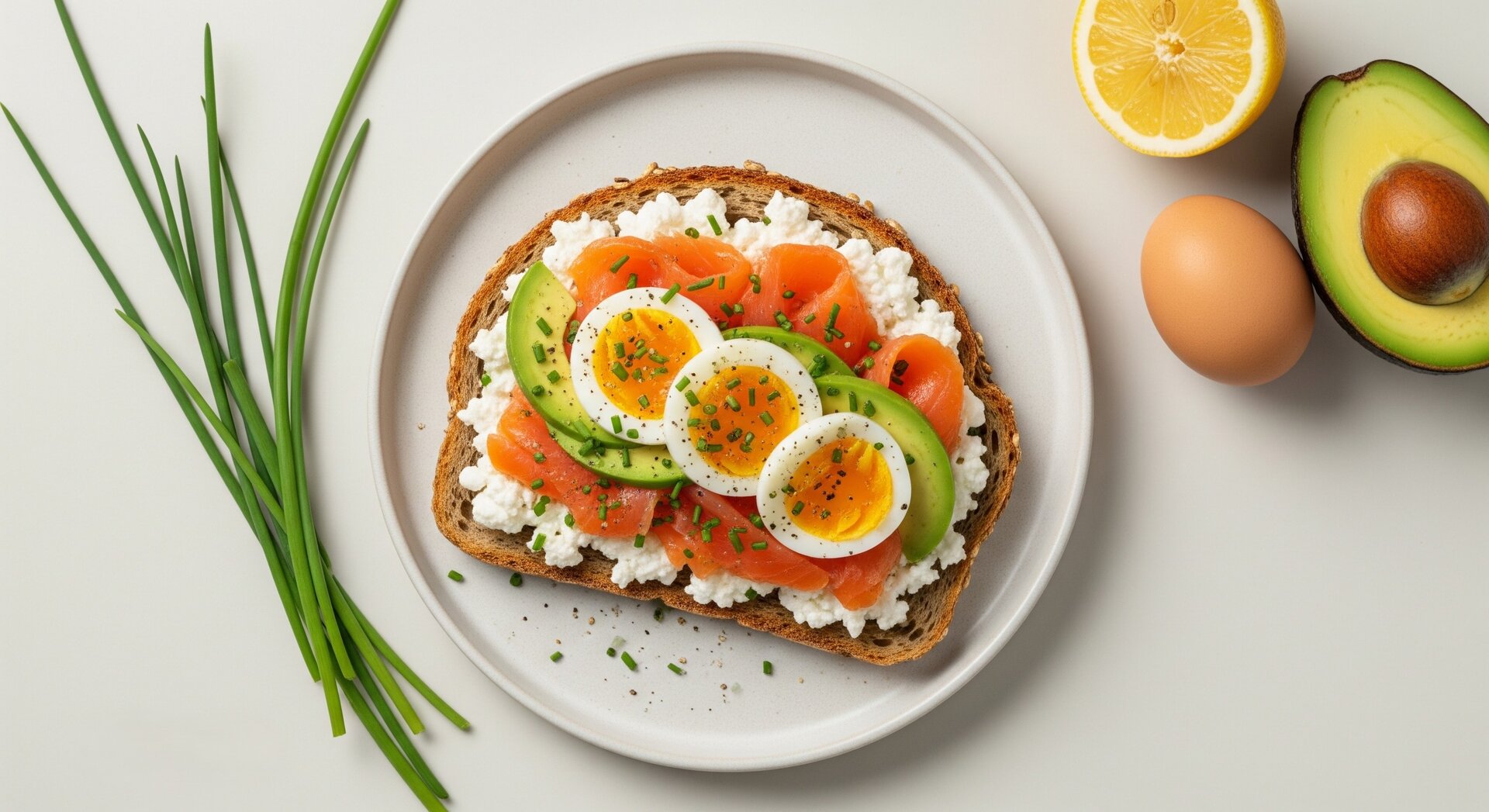 Belgian Open Sandwich with Salmon, Egg and Cottage Cheese 25 min Generously topped open sandwich with three protein sources
  492 kcal
  35g protein 1 synergies
 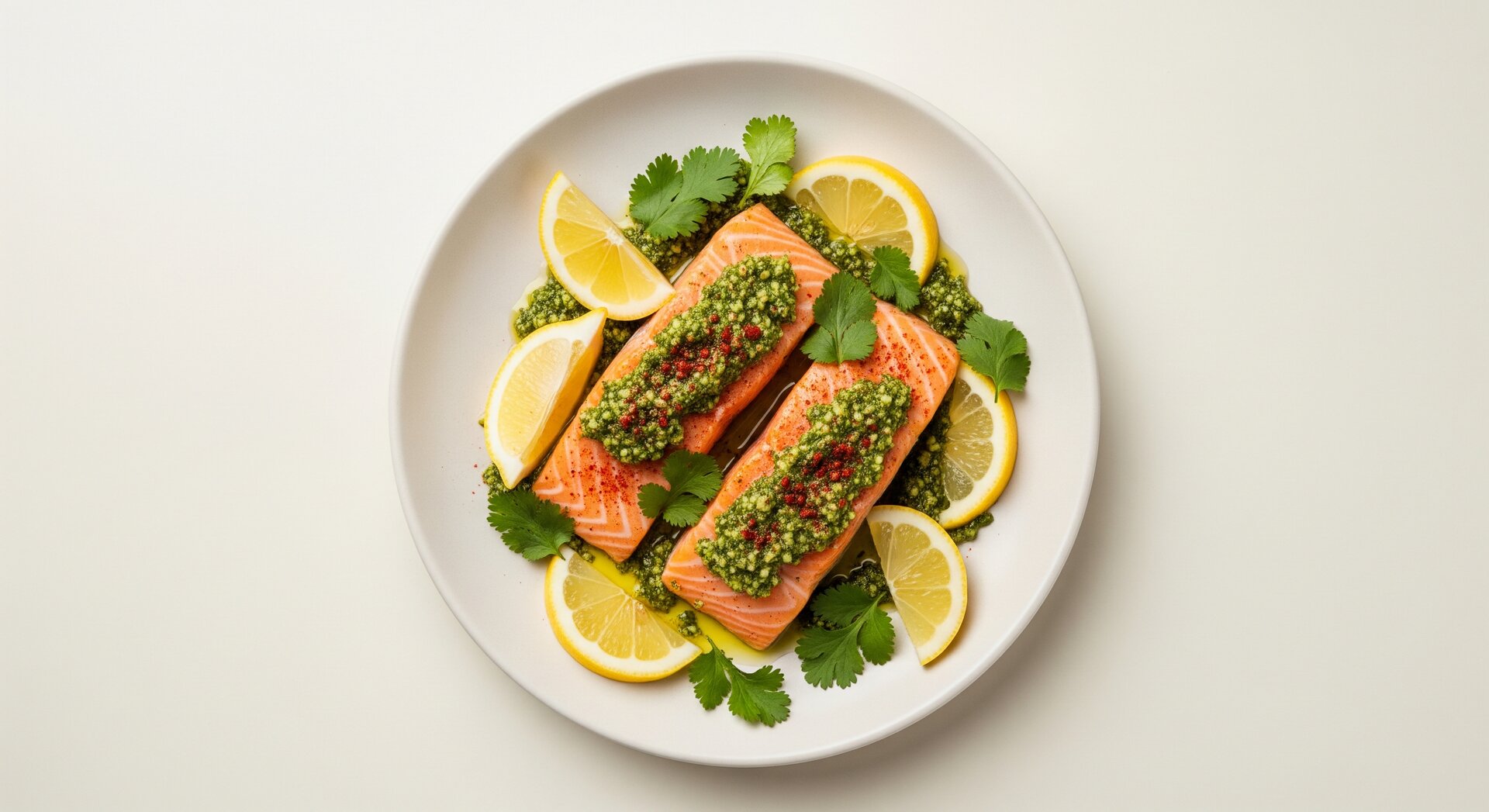 Chermoula Salmon - Moroccan Spiced Fish 55 min Marinated salmon with fresh herbs and citrus 385 kcal 32g protein 2 synergies
 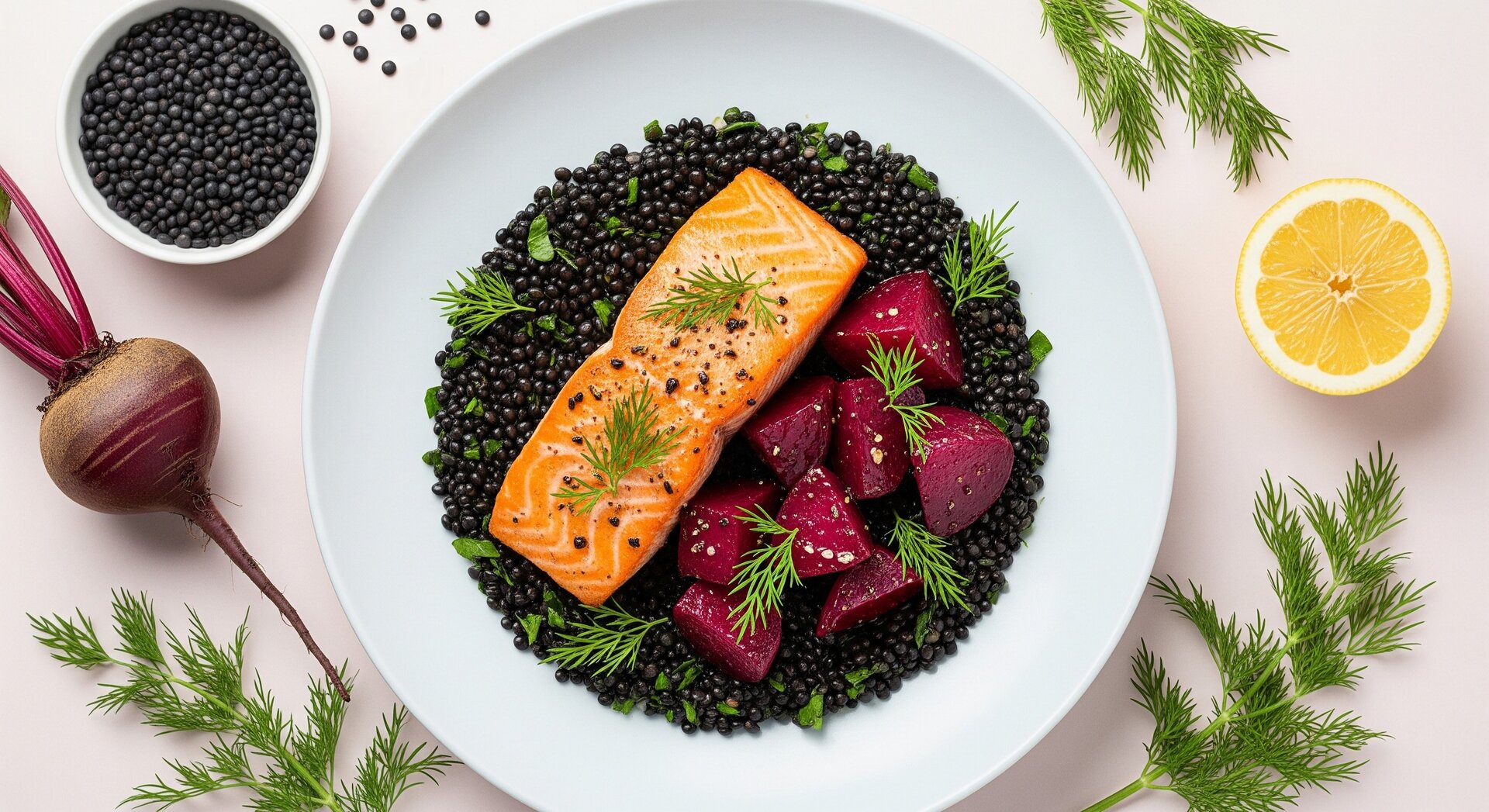 Pan-Fried Salmon with Beluga Lentils and Beets 45 min Pan-fried salmon on earthy lentils with roasted beets and dill 577 kcal 39g protein 1 synergies
 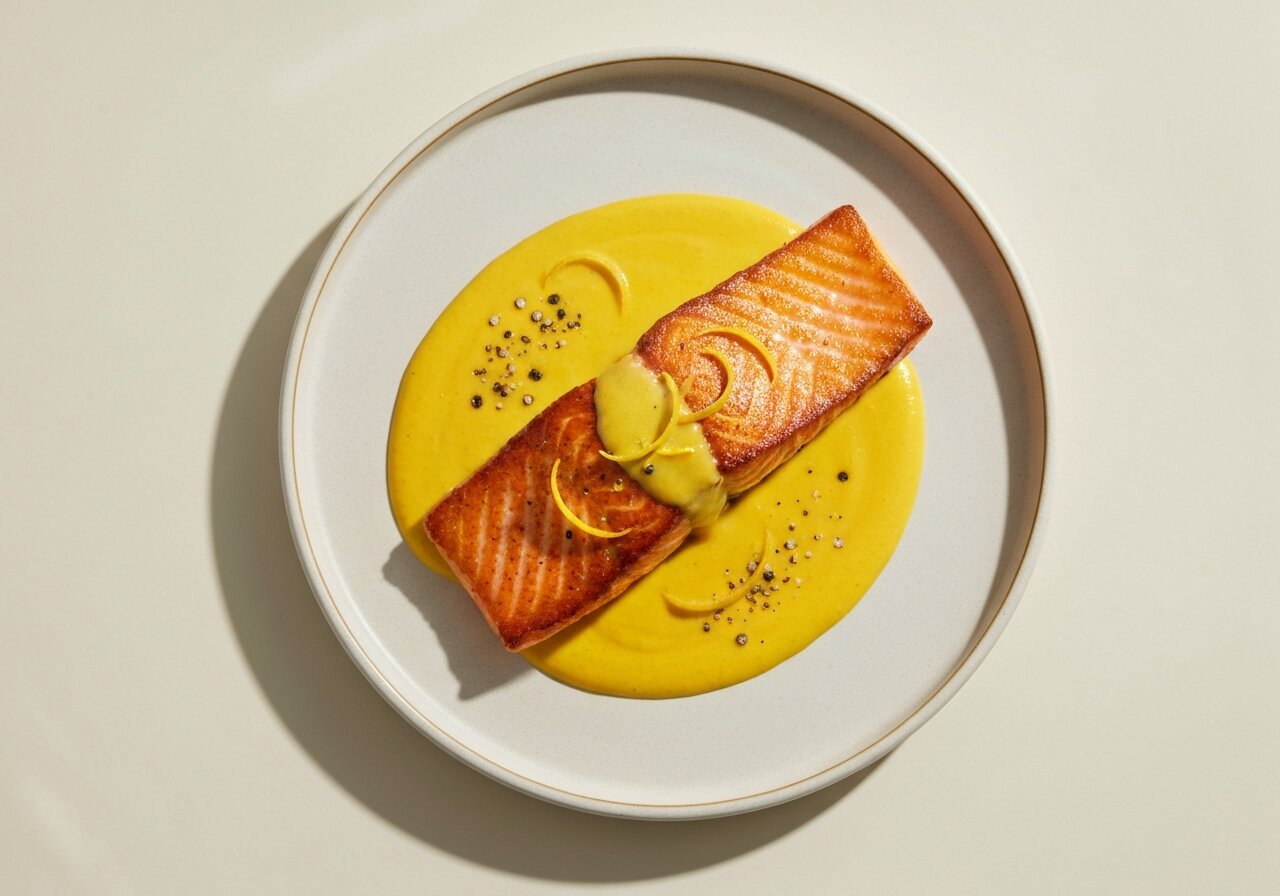 Pan-Fried Salmon with Ginger-Turmeric Sauce 25 min Crispy salmon with a golden coconut sauce full of warmth 420 kcal 35g protein 2 synergies
 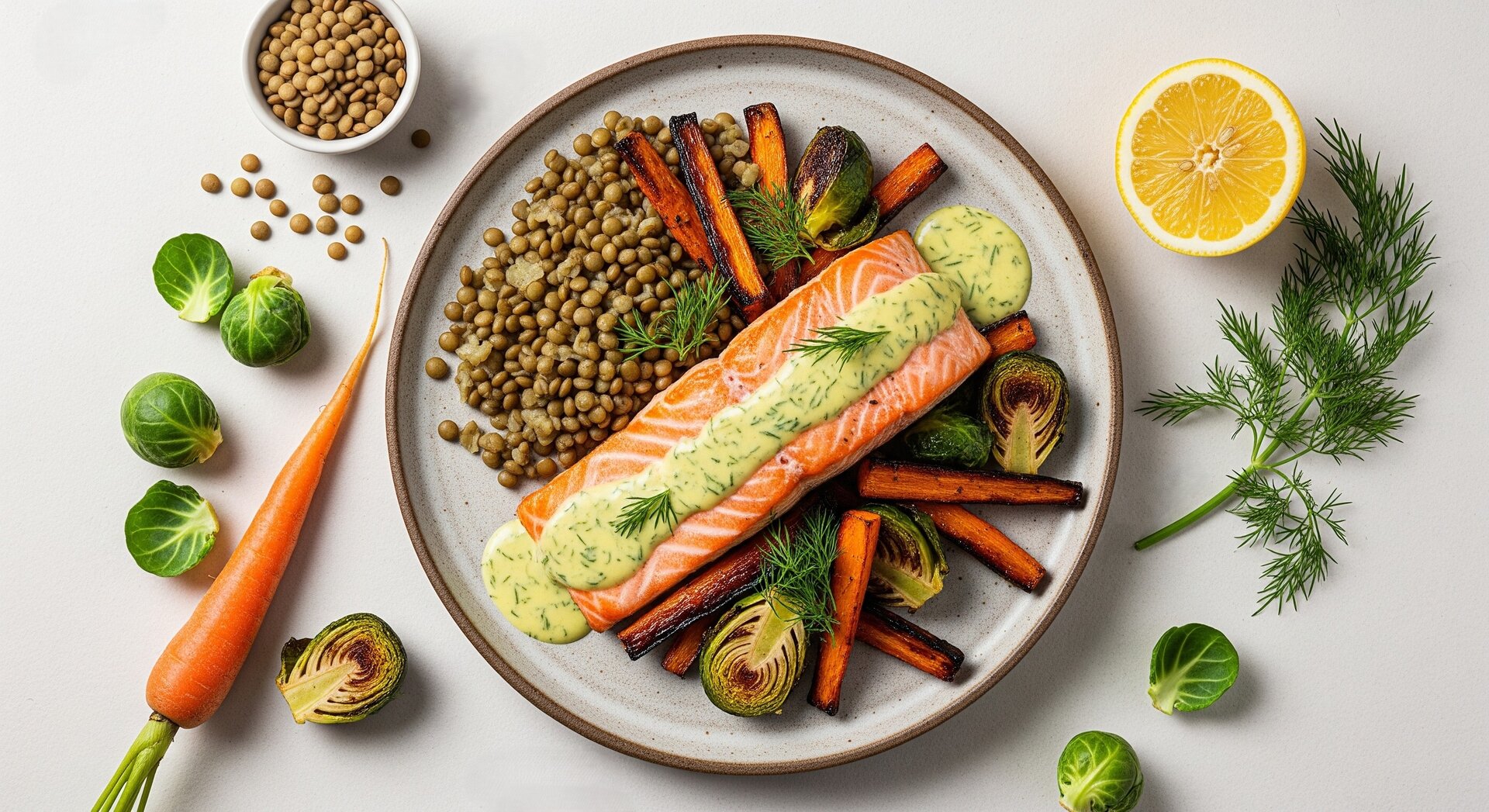 Baked Salmon with Lentils and Roasted Vegetables 45 min Omega-3 rich salmon with green lentils and roasted seasonal vegetables 659 kcal 45g protein 2 synergies
 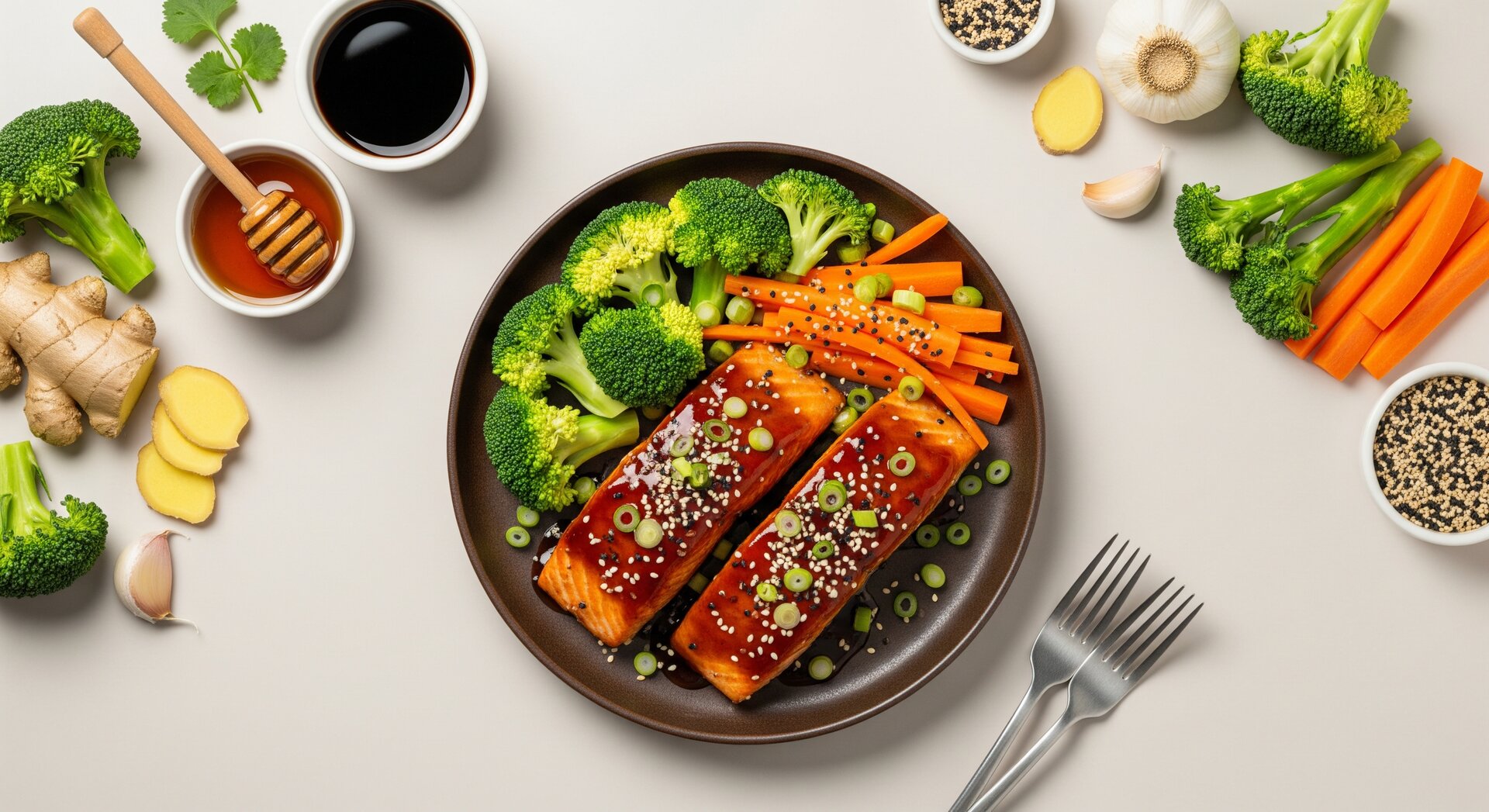 Japanese Teriyaki Salmon 35 min Glazed salmon with sesame vegetables 520 kcal 34g protein 2 synergies
  In the Kitchen
Storage
Location:Refrigerator
Shelf life:1-2 dagen (vers, koelkast), 3 maanden (vriezer)
Fresh = no fishy smell, firm flesh. Freeze quickly after purchase. Canned wild salmon is cheap and equally nutritious.
Preparation
Don't overcook - medium is ideal (63°C internal). Skin gets crispy if you pat dry and start in cold pan. Wild > Farmed nutritionally.
Conversions
Substitutes
Smart preparation
1Fry salmon skin-side down on medium-high heat, 4-5 minutes.
Why?
This gives crispy skin while the flesh cooks slowly.
2Remove any pin bones with tweezers before cooking.
3Do not overcook salmon — it may still be slightly translucent inside.
Why?
Overcooked salmon becomes dry and crumbles.
Caution / Warnings
Salmon is very safe, but there are scientific considerations:
Contamination (PCBs and Dioxins) Moderate
Because salmon is a fatty fish, it stores toxins from the ocean in its fat tissue. Farmed salmon may contain higher concentrations of PCBs than wild salmon
Advice:
Preferably choose Wild Salmon (Sockeye) or farmed salmon with a reliable certification (ASC/Organic)
Parasites (Raw/Sushi) Moderate
Raw fish can contain parasites (herring worm/Anisakis)
Advice:
Fish eaten raw must by law have been frozen first (-20°C for 24 hours) to kill parasites. Don't eat fresh, self-caught salmon raw
Mercury (Pregnancy) Mild
Salmon is a predatory fish but not at the top of the food chain. Mercury content is generally relatively low; choose reliable sourcing and follow general fish advice during pregnancy
Advice:
Can generally be a suitable choice during pregnancy, provided it is well heated and consumed in moderation (1-2x per week)
Traditional use
Indigenous
Salmon Among Indigenous Peoples of the Pacific Coast
Salmon is of sacred importance to the Indigenous peoples of the Pacific Northwest, central to ceremonies and as the primary food source.
Other
Salmon in Scandinavian Tradition
In Scandinavian tradition, salmon has been smoked, dried, and cured for centuries as a preservation method for the long winters.
Summary
Salmon is one of the best natural sources of long-chain omega-3 fatty acids (DHA and EPA). Where plant sources (walnuts, flaxseed) provide short-chain ALA, salmon contains these fatty acids in their direct form. Try to eat fatty fish 1-2 times per week. If your budget allows, choose wild salmon (canned is a cheap alternative!) for higher mineral and astaxanthin content.