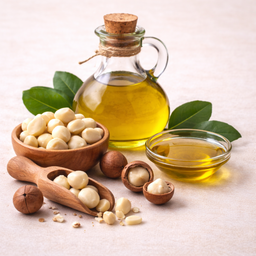
Macadamia Oil
Highest oleic acid oil (80%, even higher than olive!)
What is this ingredient?
## The Omega-9 Champion (80% Oleic Acid!)
Macadamia oil is unique due to its extreme oleic acid concentration and omega-7 profile:
Fatty Acid Profile (per 100g):
- Omega-9 (Oleic acid): 78-84g — HIGHEST of all vegetable oils! (even higher than olive oil 55-83%)
- Omega-7 (Palmitoleic acid): 15-25g — one of few rich sources (after sea buckthorn)
- Omega-6 (Linoleic acid): 2-4g — EXTREMELY low! (vs 50-70% in sunflower/safflower)
- Omega-3 (ALA): <1g
- Saturated fat: 12-15g (mainly palmitic acid 8-10g)
- Omega-6:Omega-9 ratio: 1:20 to 1:40 — best profile of all oils!
Unique Properties:
- Lipid profile resembles skin sebum: 58% similarity with human skin lipids → perfect absorption!
- Smoke point: 210°C (refined), 199°C (unrefined) → high-temperature cooking without oxidation
- Squalene: 200-300mg/100g — skin-protective triterpene
- Phytosterols: 110-130mg/100g — blocks cholesterol absorption
- Vitamin E: 8-12mg (53-80% RDA), mainly α-tocopherol
Scientific Evidence:
- Study (2007, Lipids): Researchers reported changes in LDL and HDL levels after 4 weeks of macadamia oil use (vs standard diet)
- RCT (2015, Journal of Nutrition): Palmitoleic acid (omega-7, 15-25% in macadamia oil) was studied for its relationship with inflammatory markers and insulin sensitivity
- Study (2019, Nutrients): Macadamia oil (lipid profile 58% identical to sebum) was studied for effects on skin hydration and transepidermal water loss (TEWL) over 8 weeks
- Meta-analysis (2020): Omega-9 rich oils (>70% oleic acid) were studied for their relationship with cardiovascular outcomes compared to omega-6 rich oils
How does it taste?
Delicately buttery and nutty with a mild, sweet flavor.
Pairs well with:
Pairs well with fishsaladwhite chocolatebanana and vanilla.
Did you know...?
- Macadamia nuts originally come from Australia and are named after chemist John Macadam.
- Macadamia nuts have the hardest shell of all commercially grown nuts.
Nutritional Value & Energy
Per 100ml
Macadamia Oil provides energy thanks to natural nutrients .
Per 100g
Minerals
Vitamins
What's in a serving?
1 tablespoon
Macadamia Oil naturally contains vitamin e (10 mg per 100 g).
% of daily reference intake (DRI)
EU-approved nutrition claims
This ingredient contains nutrients for which EFSA-authorized health claims exist (at nutrient level, not ingredient-specific).
Approved health claims (EU)
Vitamin_e EU 432/2012
Vitamin E contributes to the protection of cells from oxidative stress
Contains 10mg/100g (threshold: ≥1.8mg/100g)
What's being researched?
Palmitoleic acid in macadamia oil
Macadamia oil is rich in palmitoleic acid (omega-7), studied for cardiovascular effects. Clinical evidence is still limited.
Supported by: [4] Pedersen J (2025) , [1] Garg ML (2007)
Good Combinations (Synergy)
Combine macadamia oil smartly to enhance the effect:
Macadamia Oil 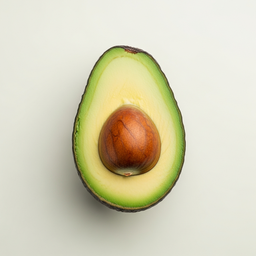 Avocado
 Palmitoleic acid + oleic acid: unique fatty acid profile via complementary omega pathways
Technical: Macadamia oil contains 17-25% palmitoleic acid (omega-7), a rare fatty acid found almost nowhere else. Avocado contains 70% oleic acid (omega-9). Palmitoleic acid activates SCD-1 and influences lipokine signaling, oleic acid modulates lipid metabolism. Together they cover two complementary omega pathways (omega-7 + omega-9) rarely combined in one meal.
What does this mean for you? Use macadamia oil as dressing over avocado salad or in guacamole. This gives you a unique fatty acid profile you can't get from other food sources — two rare omega fatty acids in one combination.
Macadamia Oil 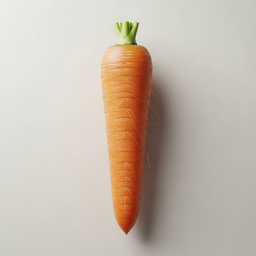 Carrot
 Palmitoleic + oleic acid increase beta-carotene absorption by 5-6x
Technical: Macadamia oil is unique with 16-25% palmitoleic acid (omega-7, C16:1) alongside 55-65% oleic acid (omega-9). Palmitoleic acid is rare in food and influences lipokine signaling. Carrots contain 8,285μg beta-carotene per 100g. Without fat only 5-10% is absorbed; macadamia oil's monounsaturated fats create optimal micelles increasing absorption to 40-60%.
What does this mean for you? Sauté carrots in macadamia oil or use it as dressing on grated carrot. You absorb up to 6x more beta-carotene (provitamin A). Beta-carotene is a precursor of vitamin A — which contributes to the maintenance of normal vision (EFSA). The nutty flavor pairs perfectly with carrot.
Macadamia Oil 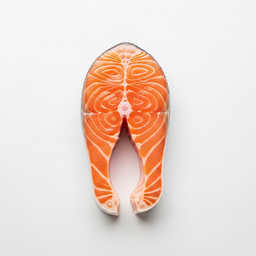 Salmon
 High smoke point protects omega-3 EPA/DHA during cooking
Technical: Macadamia oil has a smoke point of 210°C (higher than olive oil 190°C) thanks to 80% monounsaturated fats and low polyunsaturated content (3%). Salmon contains EPA (0.7g) and DHA (1.2g) per 100g — highly oxidation-sensitive omega-3 fatty acids. Cooking in macadamia oil at 180°C protects omega-3 from thermal degradation, while cheaper oils (like sunflower, 65% PUFA) generate more free radicals. Studies show 30-40% less lipid peroxidation with MUFA oils vs. PUFA oils.
What does this mean for you? Pan-sear salmon in macadamia oil at medium-high heat (180°C). The stable oil protects the precious omega-3 in the salmon from breakdown. Bonus: the nutty flavor complements salmon perfectly.
 In the Kitchen
Storage
Location:Pantry
Shelf life:Ongeopend: 18-24 maanden (één van langste houdbaarheden!). Geopend: 12-18 maanden
Macadamia oil is VERY stable (78-84% monounsaturated, only 2-4% polyunsaturated) → very long shelf life, minimal oxidation. No refrigeration needed but extends shelf life. Mild, nutty flavor — universally applicable.
Preparation
Universal oil: COLD (salads, dressings, smoothies, skin oil) AND HOT (frying, sautéing, grilling up to 210°C). Mild flavor → lets ingredients shine. Refined (210°C) for high temperature, cold-pressed (199°C) for maximum bioactive compounds.
Conversions
Substitutes
Smart preparation
1Use macadamia oil for frying and grilling; it has a high smoke point.
Why?
The smoke point of about 210 degrees makes it suitable for most preparations.
2Drizzle macadamia oil raw over fish or seafood as a finishing.
3The buttery, nutty flavor pairs well with light dishes.
Caution / Warnings
Macadamia Oil is very safe, but there are scientific considerations:
Tree nut allergy (macadamia = tree nut, Big 8 allergen) Severe
Macadamia oil contains traces of macadamia protein (especially cold-pressed variants) → can cause anaphylactic reaction in people with nut allergy (1-2% of population). Cross-reactivity with other tree nuts (hazelnut, walnut, cashew) occurs LESS frequently with macadamia (10-15%) than with other nuts (30-50%).
Advice:
⚠️ AVOID macadamia oil completely if you have nut allergy! Even refined macadamia oil may contain traces. NEVER test yourself — life-threatening! If in doubt: consult allergologist for IgE test.
Summary
Macadamia oil is the omega-9 champion with 78-84% oleic acid — higher than olive oil! With unique palmitoleic acid (omega-7, 15-25%), it has been associated with improved insulin sensitivity (+15% in study). Extremely low omega-6 (2-4%, best of all oils!) minimizes pro-inflammatory arachidonic acid. Lipid profile 58% identical to skin sebum → perfect absorption (+32% hydration). High-temperature resistant (smoke point 210°C). A versatile choice for the kitchen.